
Embrace Tranquility: The Ultimate Guide to Self-Cleaning Pond Filters
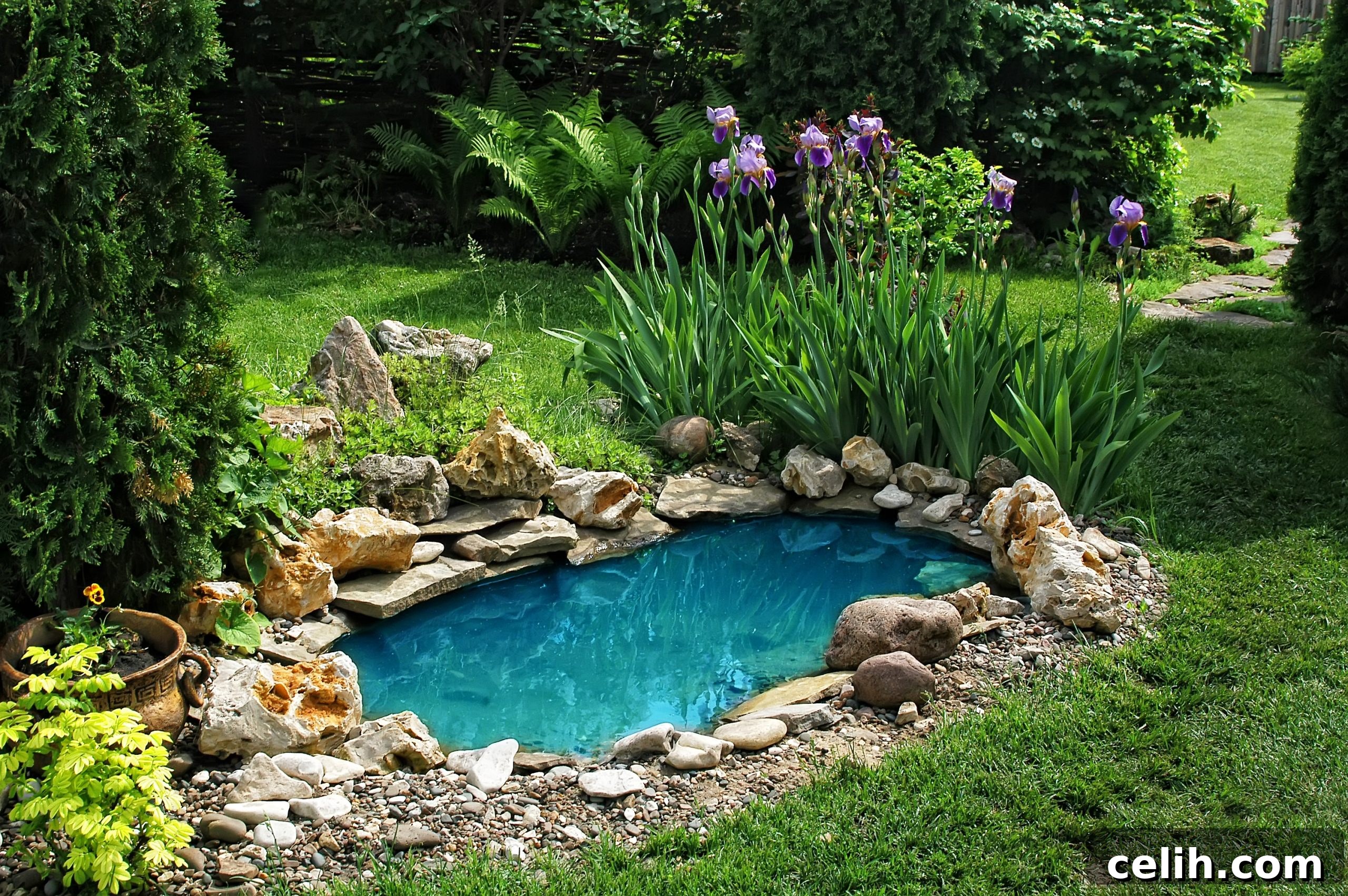
There’s an undeniable allure to a well-maintained pond, transforming any backyard or garden into a serene oasis. In today’s fast-paced world, where stress and exhaustion are common companions, having a personal retreat becomes more vital than ever. A pond offers just that – a space where you can unwind, listen to the gentle murmur of water, watch vibrant fish glide, and admire the delicate beauty of aquatic plants. This tranquil haven not only soothes your mind but also enhances your overall well-being. However, to truly preserve this idyllic setting and ensure its enduring beauty, a reliable and efficient self-cleaning pond filter is an indispensable component, keeping the entire ecosystem healthy and thriving with minimal effort.
Maintaining a pond’s pristine condition traditionally involved considerable time and effort, from manual cleaning to constant monitoring of water parameters. This often deterred many enthusiasts from realizing their pond dreams. Fortunately, advancements in aquatic technology have paved the way for innovative solutions like self-cleaning pond filters, revolutionizing pond care. These intelligent systems take the burden of maintenance off your shoulders, allowing you to simply relax and enjoy your personal slice of paradise, rather than tirelessly working to preserve it.
Understanding the Mechanics: How Self-Cleaning Pond Filters Work
At its core, a self-cleaning pond filter is a sophisticated filtration system that employs a dual-action approach: mechanical and biological filtration, often complemented by an integrated UV clarifier for comprehensive water purification. Understanding these processes is key to appreciating the effectiveness of these devices.
Mechanical Filtration: The First Line of Defense
Mechanical filtration acts as the initial and most crucial barrier against physical pollutants. Water is drawn into the filter chamber, where it passes through various specialized filter media. These media are designed to trap solid particles, such as fallen leaves, twigs, fish waste, uneaten food, pollen, dust, and other unwanted debris that can cloud the water and decompose. Common mechanical media include:
- Filter Pads/Foams: Available in different porosities, these sponges or mats physically strain out particles of varying sizes, from large debris to fine suspended solids. Coarser pads tackle larger items, while finer pads capture minute particles, ensuring crystal-clear water.
- Filter Brushes: These act as a coarse pre-filter, tangling larger debris and preventing it from reaching finer media, thus extending the life and efficiency of subsequent filtration stages.
- Vortex Chambers: Some advanced filters incorporate a vortex chamber that uses centrifugal force to swirl water, causing heavier particles to settle at the bottom for easy removal, further protecting the main filter media.
The efficiency of mechanical filtration is paramount for removing the visible elements that degrade water clarity and contribute to organic load, preventing them from breaking down and releasing harmful compounds into the pond.
Biological Filtration: The Unsung Heroes of a Healthy Pond
While mechanical filtration handles visible debris, biological filtration tackles the invisible, yet highly toxic, chemical pollutants that are byproducts of organic decomposition and fish waste. This process relies on the cultivation of beneficial bacteria, primarily nitrifying bacteria, which naturally colonize specialized biological media within the filter. As pond water, rich in ammonia and nitrites, flows over these bacteria, they perform a vital role in the nitrogen cycle:
- Ammonia (NH3/NH4+): Highly toxic to fish and other aquatic life, ammonia is produced from fish waste, decaying organic matter, and uneaten food. Nitrosomonas bacteria convert ammonia into nitrite.
- Nitrite (NO2-): Also toxic, nitrite is then converted into much less harmful nitrate by Nitrobacter bacteria.
- Nitrate (NO3-): While less toxic than ammonia or nitrite, high levels of nitrate can still fuel aggressive algae growth. Plants readily absorb nitrates as a nutrient, or they can be removed through water changes.
Effective biological media (such as bio-balls, ceramic rings, lava rock, or specialized plastic media with high surface areas) provide an ideal environment for these bacteria to thrive, ensuring a robust biological purification process. The larger the pond and fish load, the greater the need for a substantial biological filtration capacity.
The Self-Cleaning Advantage: Automatic Backwashing
What truly sets these filters apart is their automatic backwashing feature. Traditional filters require regular manual cleaning, which involves disconnecting the unit, often disassembling components, and physically scrubbing media – a messy, time-consuming, and often neglected chore. Self-cleaning systems eliminate this hassle through an automated process:
When the filter media becomes saturated with trapped debris, leading to reduced water flow or decreased efficiency, the self-cleaning mechanism is activated. This can be initiated manually with the press of a button, or in more advanced models, automatically triggered by a timer or pressure sensor. During backwashing, the flow of water is reversed or altered, causing a powerful flush of water to dislodge accumulated particles from the filter media. This dirty water is then diverted out of the filter and typically drained away, bypassing the pond entirely. This ingenious system not only cleans the filter thoroughly without human intervention but also restores maximum flow rates and prevents clogging, ensuring continuous optimal performance and significantly extending the lifespan of the filter media.
The Cascade of Benefits: Why Choose a Self-Cleaning Pond Filter?
Embracing a self-cleaning pond filter means investing in peace of mind and the long-term health of your aquatic ecosystem. These modern marvels deliver a multitude of benefits that enhance both the user experience and the well-being of the pond itself.
1. Significant Time and Effort Savings on Maintenance
Perhaps the most immediate and appreciated benefit is the drastic reduction in maintenance time. Pond upkeep can be laborious, involving routine skimming for debris, manual filter cleaning, and frequent water parameter checks. Neglecting these tasks invariably leads to an imbalanced ecosystem, characterized by unsightly green water, rampant algae growth, and potential health risks for fish. With a self-cleaning filter, much of this burden is lifted. The automated backwashing process handles the removal of accumulated waste, allowing you to enjoy your pond without the constant worry of arduous cleaning routines. This reclaimed time can be spent appreciating your pond, pursuing other hobbies, or simply relaxing.
2. Unparalleled Enhancement of Overall Water Quality
The primary function of any filter is to improve water quality, and self-cleaning models excel in this regard. By continuously filtering out debris and processing organic matter, they dramatically reduce the levels of harmful nitrates, phosphates, ammonia, and other hazardous compounds. These pollutants, if allowed to accumulate, can turn crystal-clear water murky, foster noxious algae blooms, and inflict stress or illness upon aquatic inhabitants. A consistently functioning self-cleaning filter ensures the water remains sparkling clear, biologically balanced, and free from potential toxins, fostering a healthy environment for both fish and plants to thrive.
3. Prolonged Lifespan for Your Filtration System and Pump
Manual cleaning, if done improperly or too infrequently, can inadvertently shorten the life of your filter components. The stress of constant handling, disassembling, and reassembling, along with potential damage from abrasive scrubbing, can lead to premature wear. Moreover, a clogged filter forces the pump to work harder, putting strain on its motor. Self-cleaning systems circumvent these issues. Designed for minimal human intervention, they ensure components are cleaned gently and effectively, reducing wear and tear. This translates into fewer replacements, less frequent repairs, and a significantly extended operational life for both the filter unit and the essential pond pump, offering considerable long-term cost savings.
4. Robust Protection Against Pump Damage from Debris
The pond pump is the heart of your filtration system, continuously drawing water for purification. However, it is also highly susceptible to damage from debris. Leaves, sludge, and other particles can enter the pump’s impeller chamber, causing blockages, increased friction, and eventual damage to the impeller or motor. A self-cleaning filter, positioned strategically in the filtration line, acts as a crucial pre-filter, effectively removing these damaging solids before they ever reach the pump. Its automated backwashing feature ensures a consistently clear path for water flow, protecting the pump from strain and blockages, thereby safeguarding its longevity and efficiency.
5. Superior Health and Well-Being for All Aquatic Life
The health of fish, amphibians, and aquatic plants in your pond is inextricably linked to the purity and balance of their aquatic environment. Poor water quality, characterized by high levels of ammonia, nitrite, or fluctuating pH, can lead to chronic stress, weakened immune systems, and a host of diseases such as fin rot, gill damage, or bacterial infections in fish. For plants, nutrient imbalances can stunt growth or make them susceptible to disease. A self-cleaning filter provides a consistently clean, oxygen-rich, and chemically balanced habitat, eliminating the stressors and pathogens that compromise aquatic health. This proactive approach ensures a thriving, vibrant ecosystem where all species can flourish.
6. Ensures Continuous, Uninterrupted Filtration Process
One of the most critical advantages of a self-cleaning system is the assurance of continuous, uninterrupted filtration. Traditional filters can suffer from downtime during manual cleaning, or worse, be neglected for extended periods due to busy schedules, leading to rapid water degradation. A self-cleaning filter operates consistently, maintaining peak efficiency around the clock, even when you’re away or simply preoccupied. This unwavering commitment to water purification ensures your pond remains stable and healthy at all times, providing peace of mind and preventing emergency situations caused by lapses in filtration.
7. Effective Algae Control for a Pristine Appearance
While often unsightly, algae is a natural part of any pond ecosystem. However, excessive algae growth, particularly green water (suspended algae) or string algae, can quickly diminish a pond’s aesthetic appeal and even compete with aquatic plants for nutrients. Self-cleaning pond filters significantly contribute to algae control in several ways. The mechanical filtration removes the microscopic particles that contribute to a cloudy appearance, and by reducing excess nutrients like nitrates and phosphates, they starve the algae of their primary food source. Many self-cleaning filters also incorporate a UV clarifier, which uses ultraviolet light to clump suspended algae cells, making them easier for the mechanical filter to capture, resulting in consistently clear water.
Key Factors to Consider When Selecting Your Self-Cleaning Pond Filter
Choosing the right self-cleaning pond filter is crucial for optimal performance and long-term satisfaction. With a variety of models on the market, understanding the specific factors that influence their effectiveness will guide you to the best choice for your unique pond setup.
1. Pond Size and Volume
This is arguably the most critical factor. Filters are rated for a specific pond volume, often measured in gallons or liters. Always select a filter that is rated for a volume equal to or greater than your actual pond size. It’s often beneficial to slightly “oversize” your filter, especially if you anticipate a heavy fish load or live in a region with warm climates that accelerate algae growth and organic decomposition.
2. Fish Load and Type of Pond
A pond with many fish, particularly large species like Koi, produces significantly more waste and requires a more robust filtration system. The higher the fish load, the larger and more efficient your mechanical and biological filtration components need to be. Similarly, a dedicated Koi pond will have different filtration demands than a natural wildlife pond or a purely ornamental plant pond.
3. Flow Rate of Your Pond Pump
The filter’s efficiency is directly linked to the flow rate of your pond pump. Ensure that your pump’s flow rate (gallons per hour or liters per hour) is compatible with the filter’s recommended flow rate. Too low a flow rate and the water won’t be adequately filtered; too high, and the water might pass through too quickly for effective purification or even damage the filter. The ideal turnover rate for a pond is typically once every 1-2 hours, meaning the entire volume of your pond should pass through the filter within that time frame.
4. Integrated UV Clarifier
Many self-cleaning filters come with an integrated UV clarifier. If your pond is prone to green water (suspended algae), a UV clarifier is an invaluable addition. It uses ultraviolet light to sterilize the water, clumping single-celled algae so they can be easily captured by the mechanical filter. Check the wattage of the UV lamp, as higher wattage is generally more effective for larger ponds or those with persistent green water issues.
5. Installation and Maintenance Requirements (Beyond Self-Cleaning)
While these filters are largely self-cleaning, they are not entirely maintenance-free. There will still be periodic needs to check the filter media, replace UV bulbs (usually annually), and occasionally clean the external housing. Consider the ease of access for these tasks. Also, think about the installation process – whether it’s an in-pond, external, or gravity-fed system, and if it integrates seamlessly with your existing pond setup.
6. Energy Efficiency
Since pond filters operate continuously, their energy consumption can add up over time. Look for models with energy-efficient pumps and UV clarifiers to minimize your electricity bill and reduce your environmental footprint.
7. Brand Reputation and Warranty
Investing in a reputable brand often translates to higher quality, better performance, and superior customer support. Check reviews, research different manufacturers, and always consider the warranty offered on the filter and its components. A good warranty provides peace of mind and protects your investment.
The Verdict: A Smart Investment for a Serene Pond
The journey to creating and maintaining a beautiful, healthy, and low-maintenance pond is significantly simplified with the integration of a self-cleaning pond filter. It’s more than just a piece of equipment; it’s an investment in the longevity of your aquatic ecosystem, the vitality of its inhabitants, and your own enjoyment. By intelligently managing the complex processes of mechanical and biological filtration, while liberating you from the constant demands of manual cleaning, these advanced systems allow you to fully immerse yourself in the calming experience your pond offers. From saving precious time and ensuring pristine water quality to protecting vital pump components and fostering thriving aquatic life, the benefits are clear and compelling. When selecting your filter, careful consideration of factors like pond size, fish load, and desired features will ensure you choose a system that delivers unparalleled performance and enduring tranquility. Embrace the future of pond care, and let a self-cleaning filter transform your garden into a truly hassle-free haven of peace and beauty.