
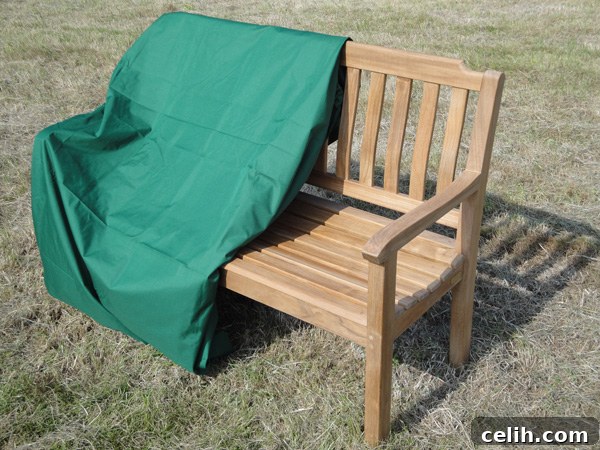
Ultimate Guide to Garden Furniture Covers: Preserve Your Outdoor Investment
Imagine stepping into your garden, eager to relax on your beloved patio furniture, only to find it damaged, faded, or covered in grime after enduring harsh weather. This common scenario can quickly turn excitement into disappointment, highlighting a frequent oversight many homeowners make: leaving garden furniture exposed to the elements. While the initial joy of purchasing beautiful outdoor pieces often overshadows thoughts of their longevity, a little foresight and the right protection can make a world of difference. Investing in high-quality garden furniture covers is not just about keeping your items clean; it’s about safeguarding your investment, extending their lifespan, and ensuring they remain a source of enjoyment for years to come.
Outdoor furniture is designed for durability, but no material is truly impervious to the relentless assault of nature. From scorching summer sun to freezing winter frosts, and from persistent rain to strong winds, each season brings its own set of challenges. This comprehensive guide will explore why protecting your outdoor pieces with effective patio furniture covers is crucial, what to look for in a good cover, and how to maximize their protective power, ensuring your garden remains an inviting oasis regardless of the weather.
Why Protecting Your Garden Furniture is Absolutely Essential
Leaving your garden furniture unprotected is akin to leaving a valuable car out in all weather conditions without a garage. Over time, the damage can be extensive and irreversible. Understanding the specific threats your furniture faces will underscore the importance of robust protection.
The Relentless Assault of Weather Elements
- Sun (UV Radiation): The sun’s ultraviolet (UV) rays are a silent destroyer. They cause colors to fade, plastics to become brittle, and wooden surfaces to dry out, crack, and splinter. Fabrics on cushions can quickly lose their vibrancy and structural integrity.
- Rain and Moisture: Constant exposure to rain leads to a myriad of problems. For wooden furniture, it means swelling, warping, and eventually rot and mildew growth. Metal pieces are prone to rust and corrosion, while even synthetic rattan can become susceptible to mold in damp conditions if not properly ventilated.
- Wind: Strong winds can cause physical damage, not just by blowing cushions away, but by knocking over lighter furniture, leading to scratches, dents, or even breakage. Wind-blown debris like twigs and leaves can also abrade surfaces.
- Frost and Snow: Freezing temperatures cause materials to contract and expand. For items that absorb moisture, this freeze-thaw cycle can lead to cracks and structural weakening, especially in wood, terracotta, and certain plastics. Snow can add significant weight, potentially causing collapse.
Environmental Contaminants and Debris
Beyond the weather, your garden furniture is also vulnerable to everyday environmental nuisances that can cause unsightly damage:
- Bird Droppings: Highly acidic, bird droppings can etch into finishes, leaving permanent stains and damaging protective coatings if not cleaned promptly.
- Tree Sap and Pollen: Sticky tree sap is difficult to remove and can attract dirt, while pollen can leave a persistent yellow film that requires frequent cleaning.
- Dust, Dirt, and Grime: These accumulate over time, dulling surfaces and creating a grimy layer that necessitates thorough cleaning before use.
- Leaves and Organic Matter: Left to decompose on furniture, leaves can stain surfaces and create moist environments perfect for mold and mildew.
Protecting Your Investment and Enhancing Longevity
At its core, protecting your garden furniture is about preserving its value and extending its functional lifespan. Quality outdoor furniture represents a significant investment. By using effective outdoor furniture covers, you not only keep your pieces looking new but also drastically reduce the need for costly repairs or premature replacements. This means more years of enjoyment and less money spent, proving that a modest investment in covers pays dividends in the long run.
Understanding Different Furniture Types and Their Vulnerabilities
The best protection strategy often depends on the material of your garden furniture. Different materials react uniquely to environmental stresses, and knowing these vulnerabilities helps in choosing the most appropriate cover.
Wooden Garden Furniture
Wood is classic and beautiful, but also highly susceptible to rot, mold, warping, and cracking from moisture and UV exposure. Teak, acacia, and eucalyptus are popular choices, but even hardwoods benefit immensely from protection. Covers for wooden furniture should be breathable to prevent moisture buildup underneath, which can lead to mildew and degradation of the wood.
Metal Garden Furniture (Aluminum, Steel, Wrought Iron)
While often treated for outdoor use, metal furniture can still rust (especially steel and wrought iron) or corrode. Powder-coated aluminum is more resistant but can still scratch or chip, exposing the metal underneath. Covers prevent direct moisture contact, reducing rust potential, and protect finishes from physical damage and fading.
Rattan and Wicker Furniture (Natural and Synthetic)
Natural rattan and wicker are extremely vulnerable to moisture, fading, and brittleness. Synthetic rattan (often polyethylene-based) is much more durable but can still suffer from UV degradation, leading to fading and becoming brittle over time. Covers shield these materials from harsh UV rays and keep moisture out, preventing mold and preserving their woven structure.
Plastic and Resin Furniture
Affordable and often lightweight, plastic and resin furniture can become brittle and fade significantly under constant UV exposure. High-quality covers prevent this photo-degradation, keeping plastics flexible and vibrant for longer.
Key Features of an Effective Garden Furniture Cover
Not all garden furniture covers are created equal. To ensure maximum protection, consider these essential features when making your selection:
Superior Material and Construction
- Durable Fabric: Look for materials like heavy-duty polyester (often 600D or higher) with a PVC or polyurethane (PU) coating. These offer a good balance of strength, water resistance, and tear resistance.
- Waterproof and Water-Resistant Coatings: A truly effective cover will be waterproof, preventing any moisture from penetrating. Coatings like PVC or PU applied to the fabric achieve this.
- Taped Seams: Even the most waterproof fabric can leak through its seams. Taped seams provide an extra layer of protection, sealing needle holes and preventing water ingress.
- UV Resistance: The cover itself needs to withstand UV rays to avoid fading, cracking, and degrading over time. UV-stabilized materials ensure the cover remains intact and effective.
Crucial Breathability
While waterproof is vital, equally important is breathability. Covers with integrated air vents prevent condensation from building up underneath. This trapped moisture can create a humid environment, fostering mold, mildew, and even corrosion on metal parts. Breathable fabrics, often achieved through specialized membranes or cleverly designed vents, allow air circulation while still repelling rain.
Secure Fastening Mechanisms
A cover is only effective if it stays on. Look for features that secure the cover firmly to your furniture:
- Drawstrings or Elastic Hems: These allow you to tighten the cover around the base of your furniture for a snug fit.
- Buckle Straps: Adjustable straps with buckles that fasten around furniture legs provide excellent wind resistance, preventing the cover from blowing away in gusts.
- Weighted Hems: Some covers feature weighted hems or small weights at the corners to help keep them in place.
Durability and Fit for Purpose
- Tear Resistance: A robust fabric and reinforced stitching will prevent tears, especially in windy conditions or when maneuvering the cover.
- Variety of Shapes and Sizes: Covers come in a vast array of shapes (round, square, rectangular) and sizes to fit specific items like benches, chairs, tables, sofa sets, and even entire cube dining sets, as highlighted by our favourite cube set cover mentioned earlier. A good fit is key to effective protection; too loose and it can billow in the wind, too tight and it might be difficult to put on or prone to tearing.
Choosing the Perfect Cover for Your Outdoor Space
With so many options, selecting the right garden furniture covers can feel daunting. Follow these steps to make an informed decision:
1. Accurately Measure Your Furniture
Before buying, measure the length, width, and height of your furniture or furniture set. If covering multiple pieces together, measure the overall dimensions of the group. Add a few inches to each measurement for ease of placement and removal, ensuring the cover doesn’t fit too tightly.
2. Consider Your Local Climate
If you live in an area with extreme weather (heavy snow, prolonged rain, intense sun, strong winds), invest in the highest quality, most durable, and feature-rich covers you can afford. For milder climates, a good quality, basic waterproof cover might suffice for seasonal protection.
3. Match the Cover to Your Furniture Type and Configuration
Do you need individual chair covers, a large table cover, or an all-in-one cover for a complete dining or lounge set? Specialised covers like the Cube Set Cover are designed to fit specific configurations, offering tailored protection. Ensure the cover’s shape aligns with your furniture’s design.
4. Balance Quality with Your Budget
While basic covers offer limited protection and are very affordable, they may not last as long or provide comprehensive defense against severe weather. Investing a bit more in a breathable, UV-resistant, and well-secured cover will offer superior long-term protection and peace of mind, ultimately saving you money by extending your furniture’s life.
Maximizing the Effectiveness of Your Furniture Covers
Even the best patio furniture covers need to be used correctly to deliver optimal protection.
Preparation is Key
- Clean and Dry Your Furniture: Always ensure your furniture is clean and completely dry before covering it. Trapping dirt or moisture underneath a cover creates an ideal breeding ground for mold, mildew, and rust.
- Remove Cushions and Accessories: For best results, store cushions, pillows, and small decorative items indoors or in a dry storage box. This not only protects them but also reduces bulk under the cover.
Proper Installation and Airflow
- Create a “Peak” for Water Runoff: To prevent water pooling (which can stretch the cover and compromise its waterproof integrity), place an object (like an inverted bucket or a ball) in the center of a table before covering it. This creates a peak, allowing rain and snow to slide off easily.
- Ensure Air Circulation: Make sure the cover’s vents are not obstructed. Even with breathable covers, some airflow around the furniture is beneficial.
- Secure Tightly: Always use the integrated drawstrings, buckles, or straps to secure the cover firmly. A loose cover can chafe against furniture in the wind, causing damage to both the cover and the furniture, or simply blow away.
Maintaining Your Covers
Your covers work hard, so give them a little care in return. Periodically clean your covers with mild soap and water to remove dirt, mildew, and sap. Ensure they are completely dry before folding and storing them when not in use. Regular checks for tears or damage will allow for timely repairs or replacement, ensuring continuous protection.
Beyond Covers: A Holistic Approach to Furniture Care
While garden furniture covers are your primary defense, integrating them into a broader furniture care routine can yield even better results. Regular cleaning of your furniture, periodic application of protective oils or sealants for wood, and prompt attention to any signs of damage will further enhance its lifespan. Together, these practices ensure your outdoor living space remains beautiful and functional season after season.
Invest in Peace of Mind with Quality Garden Furniture Covers
Don’t let the changing seasons or environmental factors dictate the lifespan of your beautiful garden furniture. By proactively protecting your outdoor assets with well-chosen, high-quality garden furniture covers, you are not just buying a piece of fabric; you are investing in peace of mind. You are ensuring that your furniture remains in pristine condition, ready for enjoyment at a moment’s notice, without the disappointment of discovering damage after a long winter. Make the smart choice today to preserve your outdoor oasis and truly get the most out of your garden furniture for many years to come.
****This is a guest post from Garden Furniture Covers****