
Designing an Enchanting & Safe Garden for Kids: A Comprehensive Guide to Outdoor Play and Learning
The outdoor world is a magnificent classroom, and for children, playing and exploring in a garden is a fundamental part of their development. A well-designed garden, tailored to their age and interests, can become a vibrant wonderland where they happily and safely spend hours. From stimulating their senses to fostering a connection with nature, the benefits of a child-friendly garden are immeasurable. This comprehensive guide will walk you through creating an engaging, safe, and exciting outdoor environment for your little ones, regardless of your garden’s size.
Cultivating Resilience: Choosing Hardy & Safe Plants for Young Explorers
Children are naturally curious, and their instinct to touch, feel, and explore every element of their environment extends to plants. While this exploration is vital for their sensory development, it can sometimes lead to accidental damage to delicate flora. Therefore, a cornerstone of any child-friendly garden design is the careful selection of hardy and non-toxic plants that can withstand enthusiastic play and curious little fingers.
Prioritizing Safety: Non-Toxic and Kid-Friendly Flora
The first and most critical consideration when selecting plants for a family garden is safety. It is imperative to research and ensure that none of the plants you choose are toxic if ingested or have properties that can irritate or harm skin. Common culprits to avoid include foxgloves, oleander, castor bean, lily of the valley, and certain types of hydrangeas. Instead, opt for well-known safe varieties. Herbs like mint, rosemary, and lavender are excellent choices as they are generally safe, aromatic, and can even be used in play. Edible plants like strawberries, blueberries, and cherry tomatoes are not only safe but also encourage children to engage with healthy food choices.
Beyond toxicity, consider plants without sharp thorns or spines that could cause injury. While roses are beautiful, they might be better placed in areas less frequented by very young children. Instead, look for plants with soft, broad leaves or interesting textures that invite gentle tactile exploration, such as lambs’ ear or various ferns.
Durable Greenery: Plants That Withstand Active Play
Children’s gardens are dynamic spaces, often featuring running, jumping, and ball games. Plants in these areas need to be resilient. Think about shrubs and hedges that can absorb the impact of a stray football or a child tumbling without being irreparably damaged. Sturdy, well-established shrubs like privet, boxwood, or certain types of viburnum are excellent for creating natural boundaries or backdrops that can take a hit and quickly recover.
Groundcover plants that are tolerant of light foot traffic can also be beneficial in certain areas, providing greenery without creating trip hazards or being easily crushed. Opt for plants with flexible stems that bend rather than break, and those that can regrow quickly if a branch is snapped. The goal is to create a lush environment that encourages exploration without constant worry over damaged foliage.
Engaging Kids with Nature: Simple Planting Projects
Beyond just surviving, plants can actively engage children. Consider dedicating a small patch to easy-to-grow annuals that kids can help plant and care for. Sunflowers, marigolds, and nasturtiums are fantastic choices. They grow quickly, have vibrant colors, and their seeds are large enough for little hands to manage. This hands-on experience teaches them about plant life cycles, patience, and the rewards of nurturing something from seed to bloom.
The Allure of Water: Safe and Fun Aquatic Features for Children
Water holds an undeniable fascination for children. The splashing, the reflections, the life it supports – these elements provide endless opportunities for play, sensory exploration, and learning. Incorporating water features into your garden can elevate its appeal for kids, particularly during warm summer months, but it requires careful planning to ensure safety remains paramount.
Creative Water Play Zones: From Bird Baths to Splash Pads
There are numerous ways to introduce water into your garden in a child-friendly manner. A simple bird bath can become a source of wonder as children observe birds drinking and bathing, fostering an early appreciation for wildlife. For a slightly more involved project, a mini container pond can be created using a water-tight tub, filled with aquatic plants and perhaps a few small pond creatures like snails or tadpoles (observed, not touched!), offering a living ecosystem to study up close. Always ensure such ponds are shallow and easily accessible for monitoring.
For more active play, consider temporary or permanent splash features. A simple sprinkler can provide hours of cooling fun on a hot day. More elaborate options include ground-level spray fountains or small, shallow water tables specifically designed for toddlers. These features allow children to splash, pour, and experiment with water without the risks associated with deeper bodies of water. Even a large bucket of water with cups, sponges, and small toys can provide immense entertainment.
Essential Water Safety: Supervision and Secure Features
No matter the size or depth of a water feature, constant and vigilant supervision is non-negotiable when children are playing near water. For larger water bodies like swimming pools, safety is even more critical. If you have a pool, investing in a professional pool cleaning service ensures the water is always hygienic and safe for use. Furthermore, robust pool fences with self-latching gates are absolutely essential to prevent unsupervised access. Pool alarms, safety covers, and ensuring children learn to swim are additional layers of protection.
For smaller features, ensure they are shallow enough to mitigate risk, and consider draining them after use if they are temporary. Raised pond edges or protective grates over small decorative ponds can also add a layer of safety. The goal is to provide fun while minimizing any potential hazards, making safety an inherent part of the garden design.
Educational Aspects: Attracting Wildlife and Sensory Exploration
Water features are not just for splashing; they are incredible learning tools. Observing insects, frogs, or birds around a water source teaches children about biodiversity and ecosystems. The sensory experience of water – its sound, temperature, and how it feels – stimulates their senses and helps them understand basic physics through play (e.g., floating and sinking). By integrating water wisely and safely, you create a dynamic and enriching environment that supports both playful exploration and quiet observation.
Crafting Dedicated Play Havens: Beyond the Traditional Garden
While the entire garden serves as a grand playground, designating specific zones for different types of play can amplify the fun and encourage diverse activities. Creating these dedicated play areas ensures that children have spaces tailored to their imaginative, active, and exploratory needs, often with minimal impact on other garden zones.
Imaginative Play: The Charm of Mud Kitchens and Role-Play Areas
Few things spark a child’s imagination like a mud kitchen. Simple to construct from reclaimed materials like old pallets, a sturdy table, and some pots and pans, a mud kitchen allows children to role-play cooking, mixing, and creating with natural elements like soil, water, leaves, and stones. This type of play is invaluable for developing creativity, fine motor skills, and an understanding of different textures and materials. It’s wonderfully messy but incredibly engaging. You can enhance it with child-safe utensils, natural dyes from berries, or even simple props like empty spice jars.
Beyond mud kitchens, consider other role-play areas. A simple playhouse, a tepee made from garden stakes and fabric, or even a designated corner with dress-up clothes can transport children into their own worlds. A decked area can serve as a clean, versatile base for these activities, easily swept clean after play and suitable for various outdoor toys.
Active Play Structures: Swings, Slides, and Climbing Fun
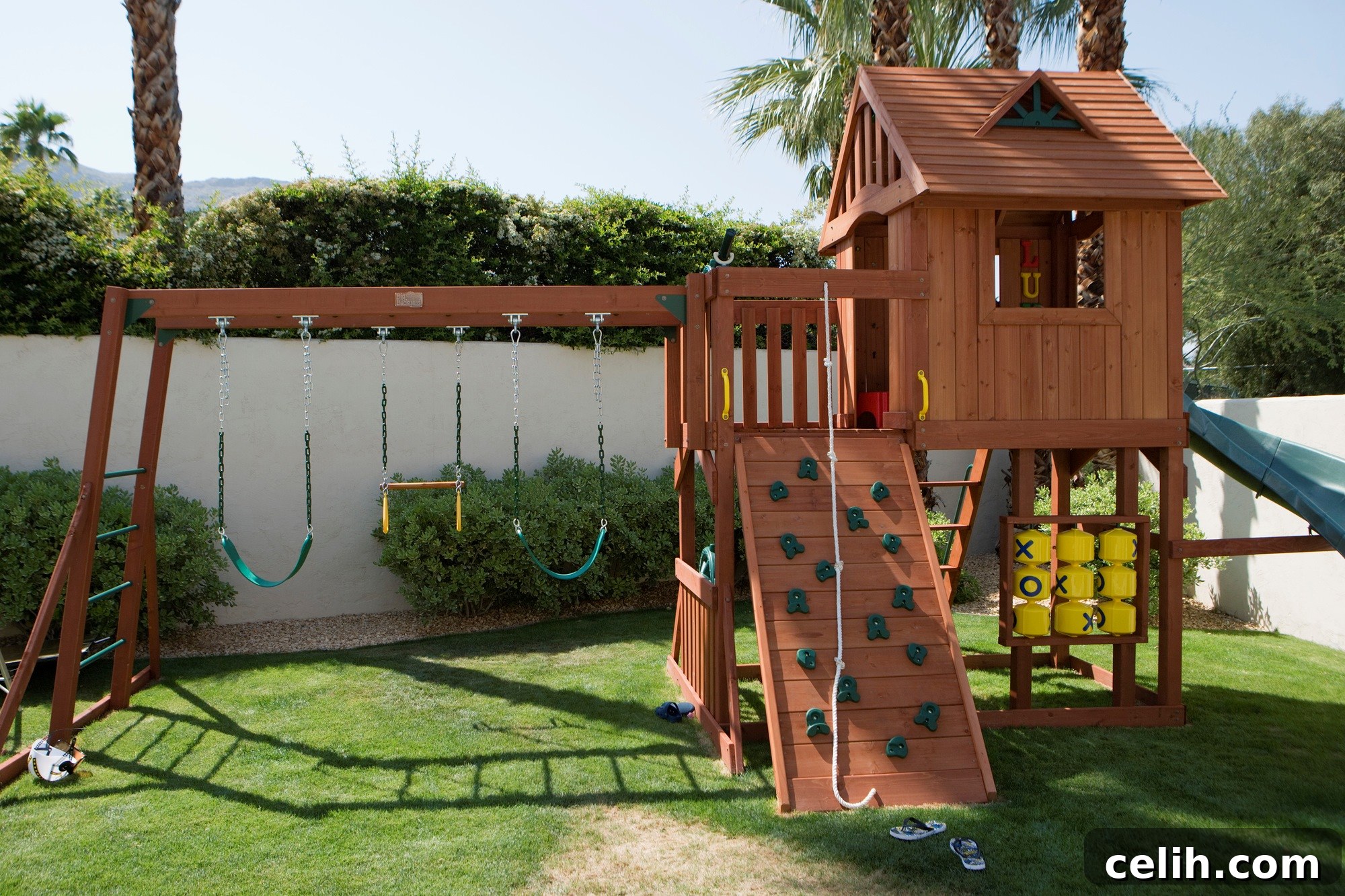
For children who thrive on physical activity, incorporating larger play equipment is a fantastic idea. Swings, slides, and climbing frames provide opportunities for developing gross motor skills, balance, and coordination. When selecting these items, always prioritize age-appropriateness and safety standards. Ensure they are installed securely on level ground and consider safety surfacing beneath them, such as wood chips, sand, or rubber mats, to cushion falls.
If you have a larger area for play, a multi-activity climbing frame with different features can keep children engaged for years. Even in smaller gardens, a single swing set or a standalone slide can provide significant active play opportunities. Regular maintenance checks are essential to ensure all equipment remains safe and secure.
Natural Play Spaces: Sandpits, Dens, and Sensory Paths
Nature itself offers incredible play possibilities. A sandpit, covered when not in use to keep it clean, provides a tactile experience for digging, building, and imaginative construction. Logs, stumps, and large stones can be arranged to create natural obstacle courses or seating areas. Building a simple den or fort from branches and blankets fosters creativity and a sense of adventure.
Consider creating a sensory path using different textures like smooth pebbles, bark chips, grass, and soft sand. Walking barefoot along such a path can be a wonderfully stimulating experience, connecting children directly with the garden’s diverse elements. These natural play zones encourage open-ended play and a deeper connection with the environment.
Nurturing Green Thumbs: The Joy of a Kid’s Vegetable Garden
The garden offers a powerful and engaging opportunity for learning, and one of the most rewarding experiences for children is seeing things grow from seed to harvest. A dedicated vegetable garden box or patch designed specifically for kids provides a hands-on lesson in biology, responsibility, and healthy eating, creating lasting memories and valuable skills.
Simple Steps to Starting a Kid-Friendly Veggie Patch
Creating a children’s vegetable garden doesn’t require vast space. A raised garden bed or even large containers can be perfect. This approach helps define their gardening space, keeps any mess contained, and makes the bed accessible for little hands. Choose a sunny spot in your garden and ensure the soil is rich and well-drained. Involve your children in every step, from choosing seeds to preparing the soil.
Select easy-to-grow vegetables and herbs that have relatively quick germination and growth rates to maintain their interest. Radishes are fantastic as they sprout quickly and are ready to harvest in a few weeks. Cherry tomatoes, bush beans, lettuce, spinach, and snap peas are also excellent choices. Sunflowers are always a hit, growing tall and producing large seeds. Herbs like basil and mint are easy to grow and can be used in family cooking, connecting their garden efforts to the dinner table.
Educational Rewards: Life Cycles, Responsibility, and Healthy Eating
A child’s vegetable garden is a living science experiment. They learn about the life cycle of plants, the importance of sunlight and water, and how their care directly impacts growth. This fosters a sense of responsibility and patience as they tend to their plants daily. The excitement of harvesting their own produce – a plump red tomato or a crisp lettuce leaf – is a powerful motivator for trying new foods and understanding where food comes from.
This direct interaction with food cultivation can significantly influence healthy eating habits. Children are often more willing to try vegetables they have grown themselves. It’s a wonderful way to connect them to nature’s bounty and the effort involved in producing food, moving beyond the supermarket aisle to a deeper appreciation for their diet.
Empowering Young Gardeners: Choosing the Right Tools and Tasks
Gardening isn’t just for adults; children can be incredible little helpers and find immense satisfaction in contributing to the family garden. Equipping them with the right tools and guiding them through age-appropriate tasks not only helps you around the yard but also provides a wealth of developmental benefits.
Child-Sized Tools for Safety and Engagement
Just as an adult wouldn’t use oversized tools, children need gardening equipment that fits their hands and strength. Investing in child-sized trowels, spades, rakes, and watering cans is crucial. These tools are typically lighter, safer (often made with rounded edges or durable plastic), and easier for small hands to manipulate, preventing frustration and encouraging sustained participation. Don’t forget a pair of child-friendly gardening gloves to protect their hands from dirt, thorns, and blisters.
Having their own set of tools gives children a sense of ownership and responsibility. It signals that their contribution is valued and that gardening is an activity they can actively participate in, not just observe. Always teach them how to use each tool safely and how to clean and store them properly after use.
Age-Appropriate Tasks: From Weeding to Planting
Tailoring tasks to a child’s age and ability ensures their gardening experience is positive and rewarding. Toddlers can help with simple tasks like watering plants with a small watering can or picking up fallen leaves. Preschoolers can assist with digging small holes for seeds, gentle weeding (showing them what’s a weed and what’s a plant!), or harvesting ripe vegetables. As they grow older, children can take on more complex responsibilities.
Elementary school-aged children can help with planting seeds and seedlings, transplanting larger plants, spreading mulch, and even pruning certain plants under close supervision. Older children might be able to help with more physically demanding tasks like raking, composting, or helping to prune hedges and shrubbery, learning about plant care and garden maintenance.
Beyond Gardening: Life Skills and Mental Well-being
The benefits of involving children in gardening extend far beyond helping with chores. Physically, it promotes gross motor skills, coordination, and strength. Mentally, gardening fosters patience, problem-solving, and a deeper understanding of nature. It can significantly contribute to improved mental health by reducing stress, encouraging mindfulness, and providing a sense of accomplishment. The simple act of nurturing a plant from seed to maturity teaches valuable lessons in dedication and the cycle of life.
Gardening together also offers invaluable opportunities for family bonding, shared experiences, and open communication. It’s a peaceful activity that allows for quiet conversations and the creation of cherished memories, all while cultivating a beautiful and functional outdoor space.
Comprehensive Garden Safety: Protecting Your Little Explorers
Creating a child-friendly garden is incomplete without a robust focus on safety. Beyond plant selection and water features, ensuring the overall environment is secure allows children to explore freely and parents to relax with peace of mind.
Fencing and Boundaries: Secure Perimeters
A secure perimeter is fundamental for keeping children safely within the garden and preventing them from accessing potentially dangerous areas outside. Install sturdy fences or hedges that are difficult for children to climb or squeeze through. Ensure gates are self-latching and child-proof. Clearly defined boundaries also help children understand the limits of their play space, fostering a sense of structure and safety.
Sun Protection and Shade Solutions
Children’s delicate skin is highly susceptible to sun damage. Design your garden with ample shade, especially over active play areas or sandpits. This can be achieved with strategically planted trees, pergolas, shade sails, or large, adjustable garden umbrellas. Encourage children to wear hats and apply sunscreen, and ensure they have easy access to water to stay hydrated during outdoor play.
Pest Control: Child-Safe Approaches
While dealing with garden pests is a reality, it’s crucial to use child-safe methods. Avoid harsh chemical pesticides, opting instead for organic or natural pest control solutions. Encourage beneficial insects (like ladybugs) that prey on pests. Simple deterrents like companion planting, hand-picking larger pests, or using soap and water sprays can be effective and safe alternatives. Always store any garden chemicals securely, out of reach of children.
Transforming your garden into a haven for children is an investment in their development, joy, and connection to the natural world. By thoughtfully considering hardy plants, safe water features, engaging play zones, and opportunities for learning through gardening, you can create an outdoor space where imagination flourishes and cherished family memories are made. So, roll up your sleeves, involve your children, and embark on the exciting journey of designing your ultimate family garden!