

Small defects on a home’s exterior may seem insignificant, but they quickly become expensive problems if left alone. A loose gutter bracket, a slipped roof tile or a narrow gap around a window can let rain, draughts and pests into places that are harder and costlier to repair. Addressing these minor issues early protects the building fabric, insulation and interior finishes.
Performing a short exterior inspection every few months and after rough weather—storms, prolonged rain or freezing conditions—lets you catch faults while repairs remain straightforward. Below are the key areas to prioritise and practical steps to take.
Start With the Roofline

From ground level, look for slipped or broken tiles, damaged flashing and deteriorating fascia boards. Use binoculars or a phone camera to inspect higher sections safely; avoid climbing onto the roof unless you are a qualified professional. Also check the loft after rainfall for signs of damp, staining, mould or daylight entering through gaps.
Prompt repairs matter because water doesn’t always appear directly below the original defect. It can run along timbers and show up as a stain on an upstairs ceiling some distance away. Small roofline repairs often protect multiple parts of the house, including rafters, insulation and interior decor. Hire a competent roofer for work at height and for any tile or flashing replacement.
Deal With Gutter Faults Early
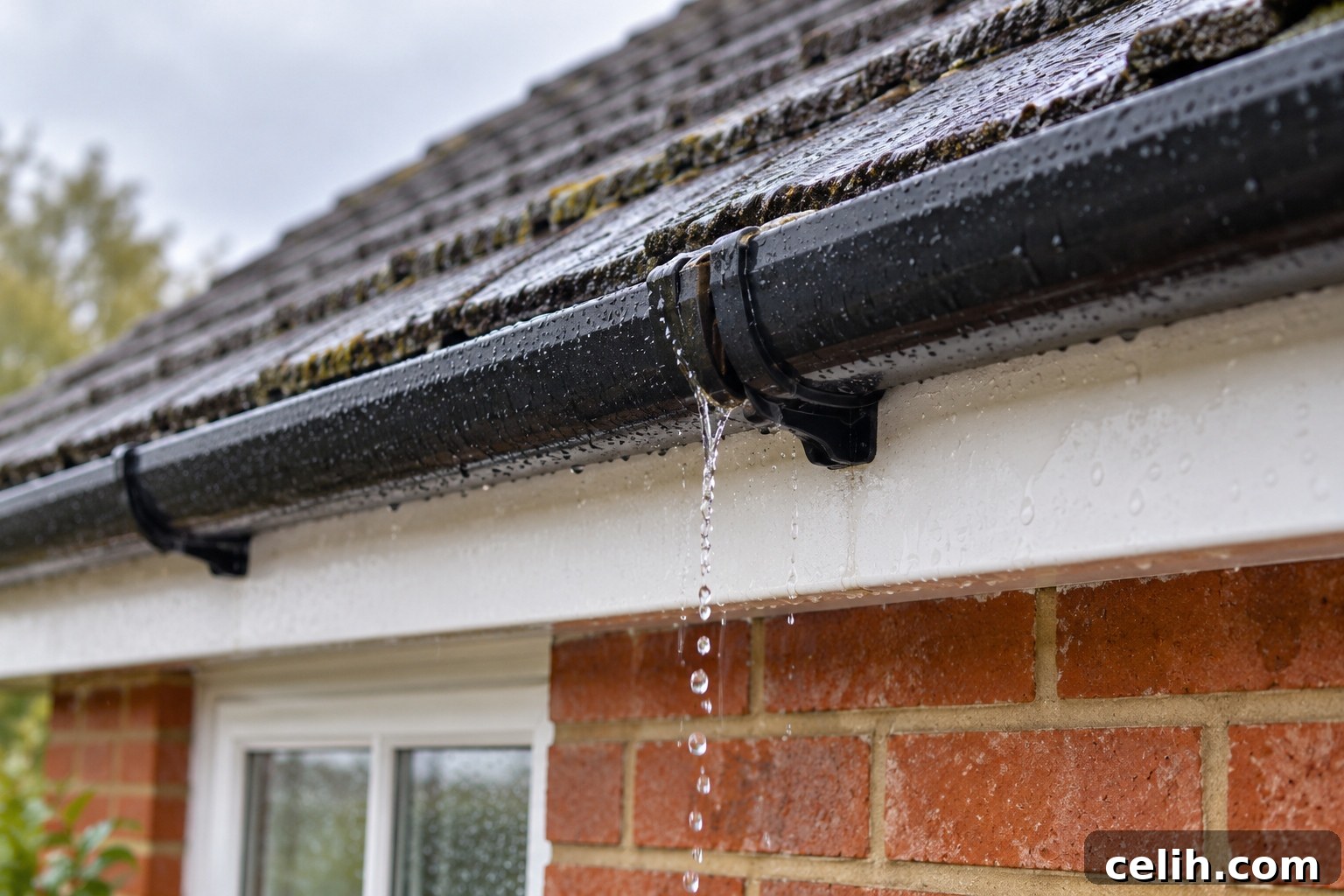
Check gutters while it’s raining if it’s safe to do so. Overflowing sections usually mean blockages, while dripping at joints indicates failed seals. Sagging runs, cracked lengths and loose brackets also affect water flow and should be corrected promptly.
A thorough cleaning often fixes minor issues. If problems persist, arrange professional gutter repair to restore alignment, reseal joints and replace damaged downpipes. After repairs, confirm that water from downpipes is being discharged clear of the foundation, not pooling beside walls.
Seal Gaps Around Windows and Doors
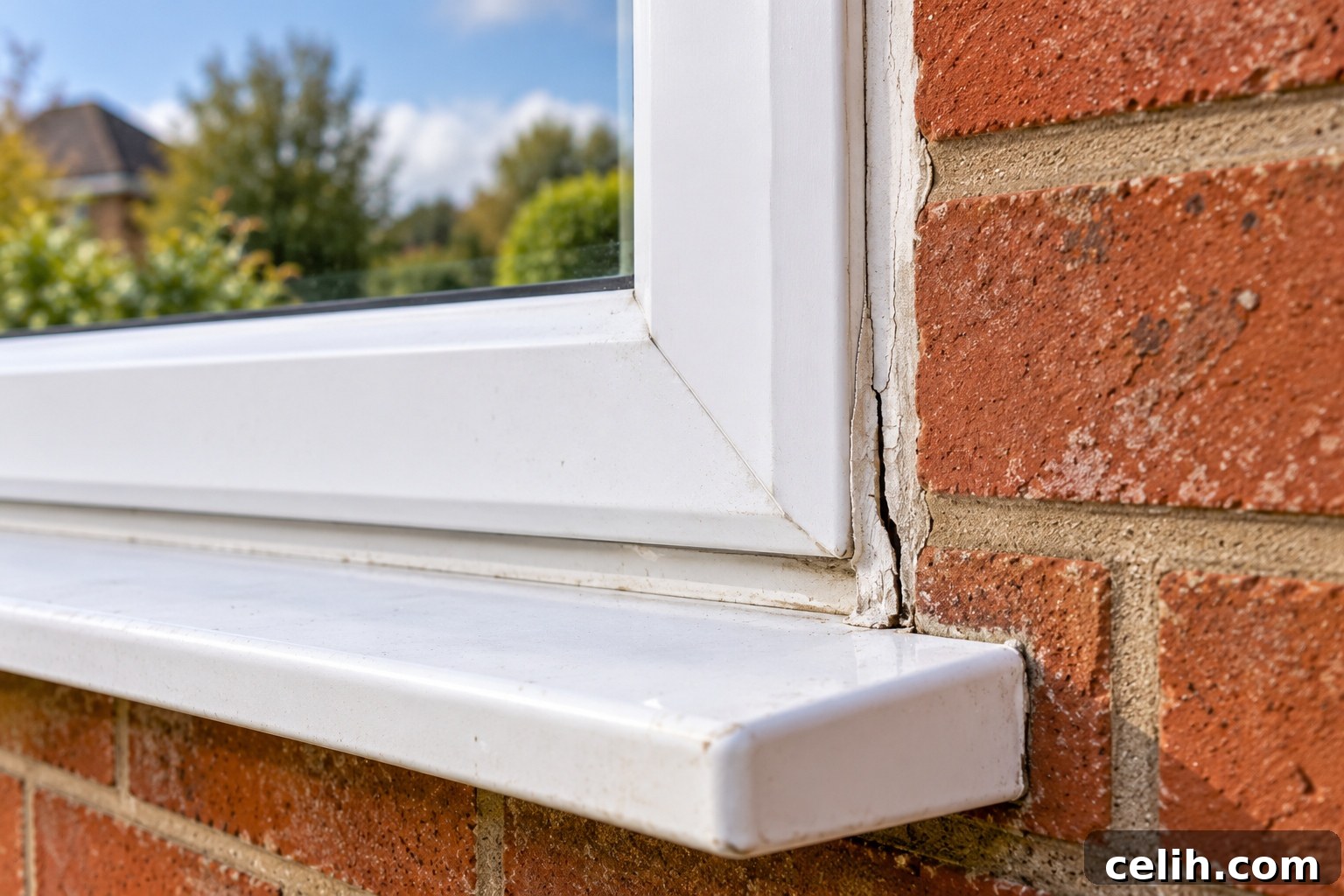
Exterior sealant and caulking shrink and crack over time. Inspect the edges of windows and doors closely, especially along sills and upper corners where water can collect. Failed seals can let in cold air and allow moisture to reach surrounding masonry or timber.
Remove loose or failed sealant, clean and dry the surface, then apply a suitable exterior-grade sealant. Do not simply cover soft or rotten wood—if you find persistent damp, soft timber or recurring wet patches, those signs suggest decay or an active leak that needs specialist attention. Check the adjacent interior walls for staining, peeling paint or swollen skirting boards, which can indicate water penetration.
Repair Cracks Before Water Gets In
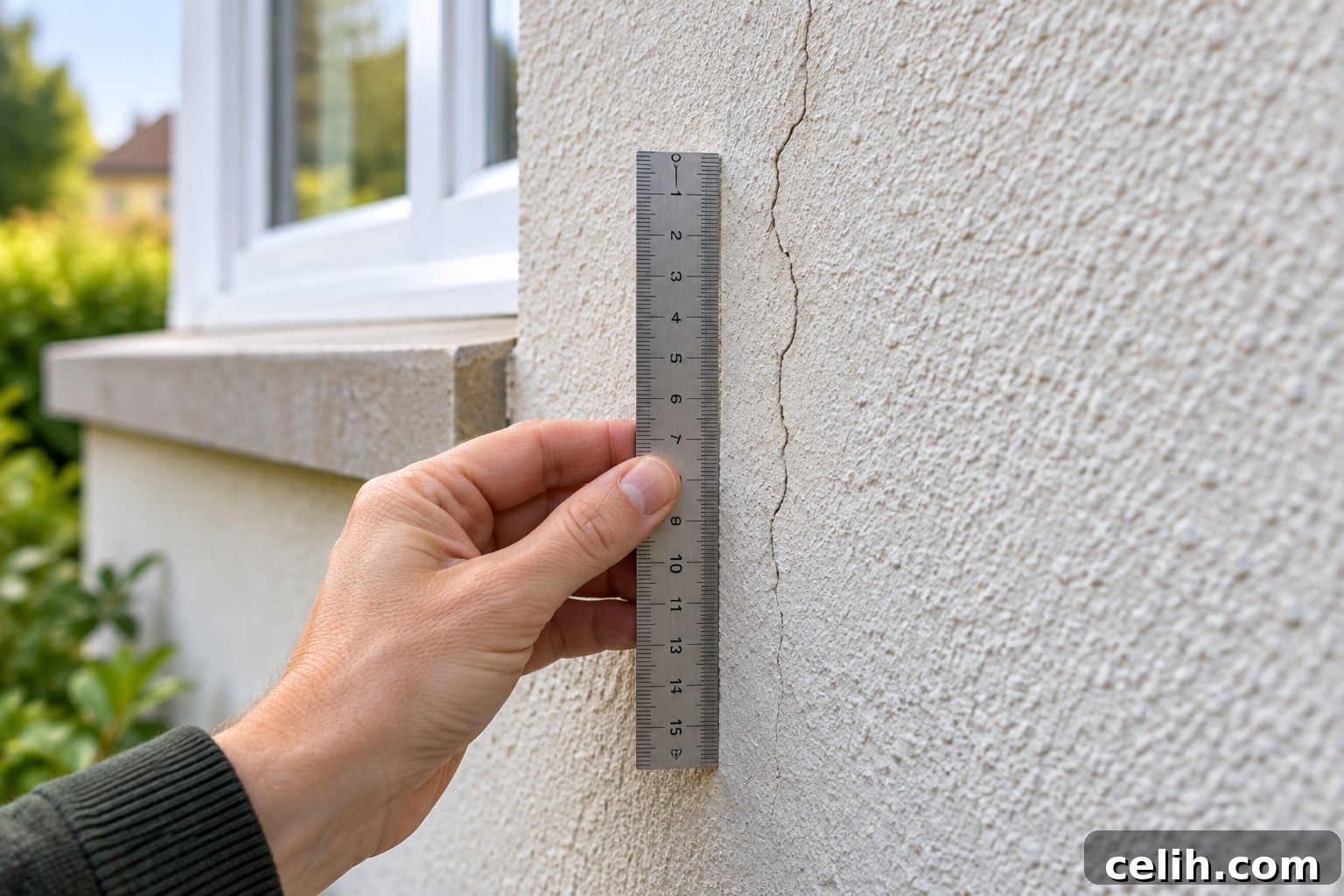
Hairline cracks in render or masonry are common, but they should be monitored. Photograph each crack with a ruler for scale and compare the images a month or two later. Seek professional advice if a crack grows quickly, appears suddenly or follows a stepped or diagonal pattern through brickwork.
Small, stable surface cracks can usually be cleaned and filled with a compatible exterior filler. Use materials that match the flexibility of the wall to avoid the filler separating as the structure moves with temperature and moisture changes. Repoint crumbling mortar joints promptly; once gaps form between bricks, wind-driven rain and frost can worsen the damage. Also make sure air bricks and ventilation openings are clear.
Keep Water Moving Away From the House

The slope of paving and soil levels determine whether water pools beside external walls. After heavy rain, look for puddles next to the foundation, blocked channel drains or downpipe outlets surrounded by standing water. Remove leaves and silt and ensure patios, paths and driveways slope gently away from the building.
Vegetation can hide or cause problems. Trim climbing plants away from gutters, vents and frames, and avoid letting shrubs rub against painted timber. Dense foliage, trapped moisture and roots can impede inspections and promote decay. Regularly maintaining external features reduces the risk of moisture entering the interior.
Make Inspections Part of the Routine

A quick exterior check needn’t take long. Walk around the house at the start of each season and take dated photographs of gutters, walls, seals, roof edges and drainage. These records make it easy to see whether a crack has widened or a gutter has begun to sag.
Inspect again after severe weather, even when nothing looks wrong from inside. Tackle straightforward ground-level repairs promptly and call a professional for work at height, signs of structural movement or persistent water ingress. Often the earliest clue to a developing issue is a new stain, an unfamiliar drip or a puddle that wasn’t there before the last downpour—spotting these early saves time and money in the long run.