
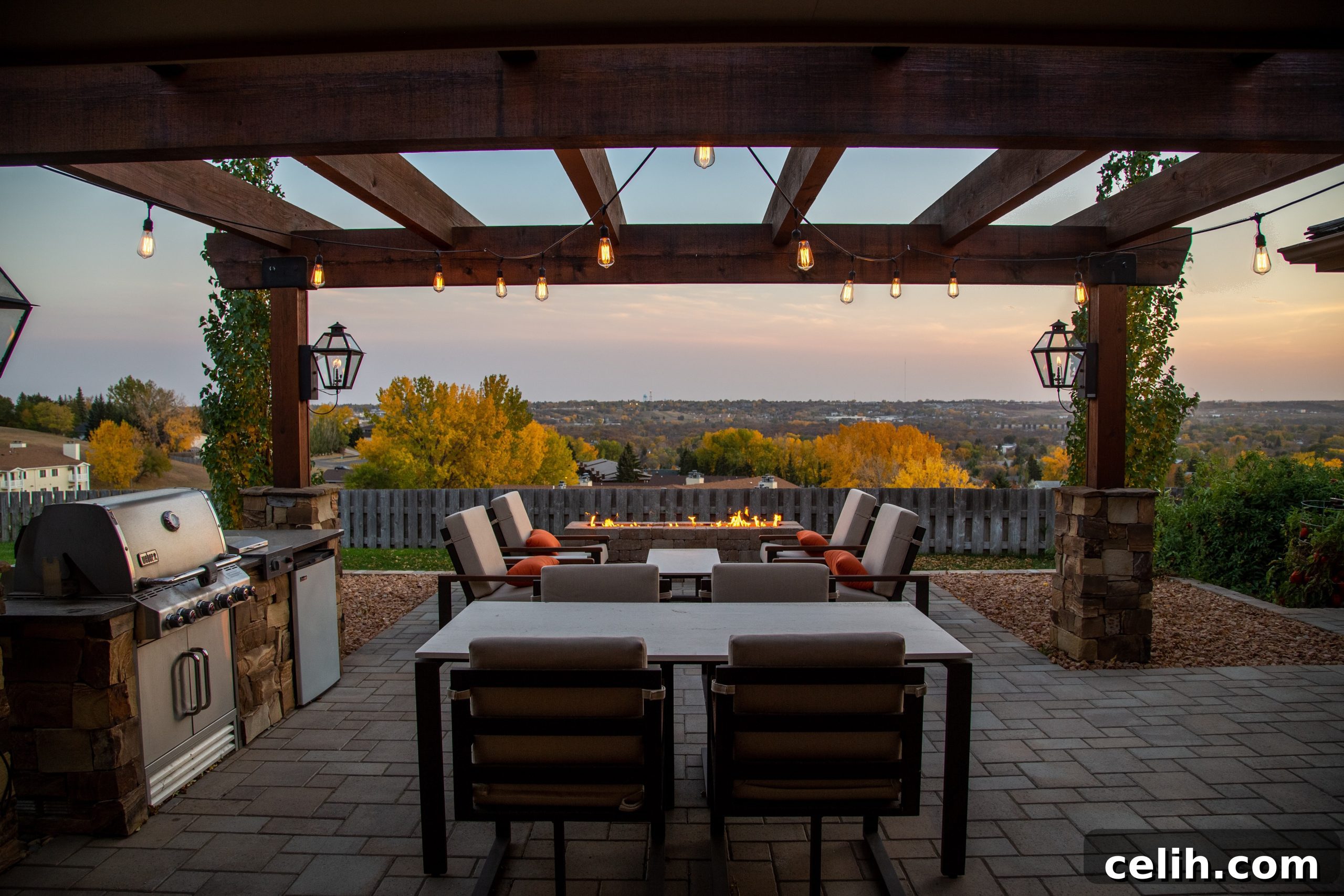
Outdoor dining has transcended a mere trend to become a cornerstone of the modern hospitality experience. Whether it’s savoring craft cocktails against a stunning sunset backdrop or enjoying a vibrant brunch with friends at a bustling sidewalk café, the allure of al fresco dining is undeniable and continues to grow. For restaurant owners and hospitality professionals, creating an inviting and functional outdoor space is paramount to attracting and retaining customers.
The success of any outdoor dining area hinges significantly on the quality and suitability of its patio furniture. Fortunately, the market for commercial outdoor restaurant equipment is booming, offering an expansive array of styles, colors, and materials. This diversity allows establishments to seamlessly integrate outdoor furnishings with existing décor themes, all while ensuring the pieces are robust and durable enough to withstand diverse weather challenges and the rigors of commercial use.
Investing in Excellence: Quality, Comfort, and Budget for Commercial Patio Furniture
The primary goal for any outdoor dining establishment is to provide a memorable and enjoyable experience for its patrons. The furniture you select plays a crucial role in achieving this. Prioritizing quality means choosing furniture constructed from premium, fade-resistant, and moisture-resistant materials designed to endure constant exposure to the elements and heavy usage.
Comfort, though sometimes overlooked, is equally vital. Guests are more likely to linger longer and return if their seating is comfortable. While the core furniture piece should offer good ergonomic support, additional comfort can be easily achieved with high-quality cushions and pillows. When investing in commercial outdoor dining chairs or lounge sets, always assess their comfort level firsthand. Cushions and pillows, while enhancing comfort, require careful management; they should be stored or covered when not in use to protect them from rain, dew, and sun damage, extending their lifespan and maintaining their aesthetic appeal.
Once you’ve identified your furniture needs, desired comfort levels, and appropriate materials, the next crucial step is to determine your budget. Commercial-grade patio furniture is an investment, often reflecting its superior craftsmanship, durable materials, and ability to withstand environmental pressures far better than residential alternatives. These pieces are engineered for longevity, featuring enhanced weather repellency, UV resistance, and robust construction. While the initial outlay for premium outdoor furniture can be substantial, it’s often justified by comprehensive warranties on materials and construction, promising years of reliable service.
Conversely, opting for lower-cost, residential-grade patio sets might seem appealing for a smaller budget. However, it’s critical to understand that these are not designed for the same level of wear and tear. While you might save money upfront, the reality of frequent replacements due to damage, fading, or structural failure can lead to significantly higher costs in the long run. Investing wisely in commercial-grade patio furniture ensures durability, reduces maintenance, and provides a better return on investment over time, projecting an image of quality and care to your clientele.
Choosing Resilient Materials for Long-Lasting Outdoor Furniture
The foundation of durable outdoor furniture lies in its materials. Selecting the right materials ensures longevity, reduces maintenance, and guarantees a positive customer experience, regardless of weather conditions.
Metal: Strength and Versatility
Metal stands out as one of the most enduring materials for outdoor furniture. Its inherent strength makes it exceptionally robust, capable of being molded into an endless array of intricate and detailed designs. Manufacturers leverage various metals to create everything from slender, elegant frames to sturdy beams for pergolas. Key metal options include:
- Stainless Steel: Highly prized for its rust resistance and modern aesthetic. Ideal for coastal environments or areas with high humidity. It’s strong and relatively heavy, offering excellent stability.
- Aluminum: A lightweight yet strong option, aluminum is naturally rust-resistant, making it perfect for areas prone to moisture. It’s also often more budget-friendly and can be powder-coated in various colors for added protection and aesthetic appeal. Powder coating not only enhances durability but also allows for a wider range of design possibilities.
- Wrought Iron: Known for its classic, heavy, and ornate appearance, wrought iron is incredibly durable. However, it requires proper treatment and regular maintenance (like painting) to prevent rust, especially in humid climates.
Wood: Classic Beauty and Natural Resistance
Wood offers a timeless appeal and natural warmth, making it a beloved choice for outdoor settings. Not all woods are created equal for outdoor use, with specific types offering superior resilience:
- Teak Wood: Often considered the gold standard for outdoor furniture, teak is renowned for its exceptional resistance to decay, insects, and warping. This is due to its high concentration of natural oils and tight grain. While it can be pricey, properly cared-for teak furniture can last for decades, gradually developing a beautiful silvery-gray patina if left untreated.
- Acacia: A more affordable alternative to teak, acacia is also highly durable and resistant to water and fungi. It shares many characteristics with teak but typically requires more frequent oiling to maintain its rich color and protective qualities.
- Eucalyptus: Another dense hardwood, eucalyptus offers good weather resistance at a competitive price point. Like acacia, it benefits from regular oiling to preserve its appearance and extend its life.
- Cedar: Lightweight and naturally resistant to rot and insects, cedar is an excellent choice for outdoor furniture. It has a distinctive aroma and weathers beautifully over time.
Wicker and Rattan: Woven Elegance
Woven furniture styles, encompassing both natural rattan and synthetic wicker, offer distinct aesthetics and performance profiles:
- Natural Rattan: Derived from palms, natural rattan is beautiful but best suited for covered outdoor spaces or sunrooms, as it can degrade when exposed to prolonged moisture and UV light.
- Synthetic (Resin) Wicker: This is the contemporary, durable solution for outdoor woven furniture. Made from high-density polyethylene (HDPE), resin wicker is incredibly weather-resistant, UV-stabilized, and impervious to moisture, rot, and pests. It closely mimics the look of natural rattan but offers superior durability and minimal maintenance, making it ideal for commercial outdoor settings.
When choosing materials, consider the local climate, the frequency of use, and the desired aesthetic to make an informed decision that balances durability, maintenance, and visual appeal for your outdoor dining space.
Year-Round Care for Outdoor Fabrics and Furniture
Outdoor and performance fabrics are essential components of a comfortable and attractive outdoor dining area. While often used interchangeably, there is a distinction: outdoor fabrics are designed for exterior use, while performance fabrics often exceed these standards with enhanced features. The key is to select fabrics that are not only aesthetically pleasing but also engineered to withstand the specific environmental conditions of your location without fading, tearing, or molding.
Selecting Superior Outdoor Fabrics
When evaluating fabrics, look for three critical features that signify a winning performance fabric:
- UV Resistance: This is crucial to prevent fading and degradation from prolonged sun exposure, ensuring colors remain vibrant season after season. Solution-dyed acrylics, like those from Sunbrella, are industry leaders in this regard.
- Water Repellency: Fabrics should shed water efficiently to prevent saturation, which can lead to mildew and slow drying times. Many performance fabrics are treated with a durable water repellent (DWR) finish.
- Overall Durability: The fabric needs to be tough enough to resist abrasions, stretching, and daily wear from commercial use, including frequent cleaning.
Consider the impact of color on heat absorption; darker colors will naturally absorb more heat, making seating warmer to the touch. Lighter-colored fabrics, conversely, reflect sunlight and remain cooler, which can be a significant comfort factor during hot summer months. It is also imperative to select a breathable fabric that can effectively manage moisture and temperature fluctuations. While many performance and outdoor textiles fit this criterion, resist the temptation to use regular indoor upholstery fabric outdoors simply because it might initially appear less prone to retaining heat. Indoor fabrics lack the necessary UV and moisture protection, leading to rapid fading, mildew growth, and premature deterioration.
Maintenance and Storage for Year-Round Preservation
Proper care and strategic storage are vital for extending the life of your outdoor fabrics and furniture:
- Regular Cleaning: Dirt, pollen, and environmental residues can accumulate and foster mildew. Regular brushing, spot cleaning with mild soap and water, and occasional deep cleaning as per manufacturer instructions are recommended.
- Seasonal Protection: During off-seasons or periods of inclement weather, it is essential to cover and store your outdoor furniture. Even if furniture is designed to be weather-resistant, protecting it from prolonged exposure to harsh winter conditions, heavy rain, or extreme snow will significantly prolong its lifespan. High-quality furniture covers, made from waterproof and breathable materials, offer excellent protection.
- Cushion Management: For cushions that remain outdoors, consider fabrics with flatter surfaces or tighter weaves. These allow rain to bead up and roll off more effectively, facilitating faster drying. Pile fabrics, such as chenille or bouclé, or those with significant texture, tend to trap more water, leading to longer drying times and a higher risk of mildew. If you anticipate frequent rain exposure, choose materials and designs optimized for rapid drying. When not in use, store cushions in a dry, covered area to protect them from moisture and pests.
By making informed choices about fabric selection and implementing a consistent care routine, you can ensure your outdoor furniture remains beautiful, comfortable, and functional throughout the year, enhancing the overall appeal and longevity of your outdoor dining space.
Designing the Perfect Outdoor Dining Ambiance
Beyond quality materials and comfortable seating, the overall design and ambiance of your outdoor dining area are critical for creating a captivating experience. Thoughtful planning can transform a simple patio into a vibrant extension of your establishment.
Harmonizing with Your Brand and Space
Your outdoor furniture should not only be durable but also aesthetically aligned with your brand identity and interior décor. Consider the overall theme of your restaurant – is it modern and minimalist, rustic and charming, or chic and urban? The furniture styles, colors, and finishes should complement this theme, creating a seamless transition from indoor to outdoor. For example, a beachfront restaurant might opt for light-colored resin wicker and natural wood tones, while an urban bistro might choose sleek metal frames with dark upholstery.
Layout and Flow
Effective space planning is essential. Maximize your seating capacity without making the area feel crowded. Ensure there’s ample space for guests to move comfortably between tables and for staff to navigate efficiently. Consider different seating arrangements: communal tables for large groups, intimate bistro sets for couples, and lounge areas for pre-dinner drinks. Incorporate pathways and clear zones to guide foot traffic and prevent congestion.
Creating Atmosphere with Lighting and Accessories
Lighting plays a pivotal role in setting the mood for evening dining. String lights, lanterns, and strategically placed sconces can create a warm, inviting glow. For a more sophisticated touch, consider recessed lighting or illuminated planters. Beyond lighting, thoughtful accessories can elevate the space. Planters with lush greenery, outdoor rugs, decorative screens for privacy, and even portable heaters or misters for climate control can significantly enhance comfort and appeal. Don’t forget subtle touches like branded umbrellas or stylish menu holders to reinforce your establishment’s attention to detail.
Conclusion: Elevating Your Outdoor Dining Experience
The patio is far more than just an extension of your indoor space; it’s a dynamic area where guests gather to socialize, relax over a cup of coffee, enjoy family meals, or celebrate special occasions. As such, it deserves the same meticulous thought, strategic planning, and investment in design and equipment that you dedicate to your interior dining areas.
By prioritizing high-quality, durable, and comfortable commercial-grade patio furniture, selecting resilient materials, and implementing consistent care routines, you can create an outdoor dining environment that not only withstands the elements but also significantly enhances your guests’ overall experience. A well-appointed and thoughtfully designed outdoor space serves as a powerful magnet, drawing in new customers and fostering loyalty among existing ones.
If you require expert guidance in selecting the ideal commercial patio furniture that aligns with your venue’s aesthetic, budget, and functional needs, do not hesitate to contact commercial furniture specialists. Companies like RestaurantFurniture.NET offer invaluable insights and a wide range of options to help you craft the perfect outdoor oasis for your establishment.
Featured image credit: Photo by Arcwind on Unsplash