
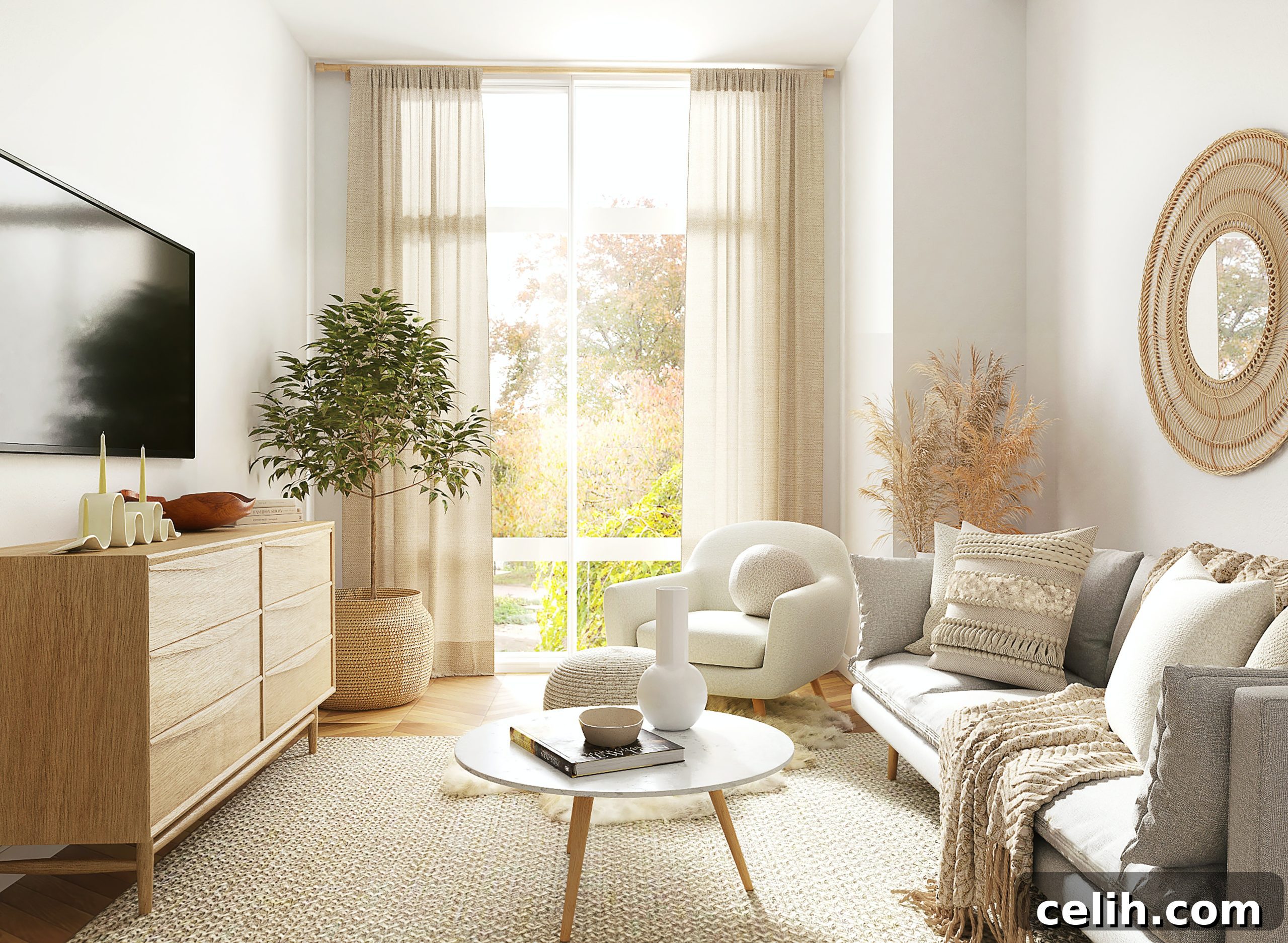
Designing and decorating our homes is often a deeply personal journey, focused on aesthetics, comfort, and reflecting our unique style. We meticulously select colors, textures, and furniture pieces, aiming to create spaces that feel inviting and beautiful. However, one crucial aspect often gets overlooked in this creative process: the ease of cleaning and maintenance. Imagine a home that not only looks stunning but also practically cleans itself, allowing you more time to relax and enjoy your surroundings rather than constantly battling dust and dirt. This seemingly minor consideration can dramatically impact your daily life, transforming chores from dreaded tasks into quick, manageable routines.
The truth is, your design choices have a profound impact on how much effort you’ll need to put into keeping your home tidy. From the flooring underfoot to the paint on your walls and the furniture you choose, every decision can either contribute to a high-maintenance environment or pave the way for a more effortless lifestyle. If you’re someone who finds household chores more of a burden than a pleasure, integrating smart, low-maintenance design strategies from the outset can be a game-changer. By making deliberate choices that prioritize practicality alongside beauty, you can significantly reduce cleaning time, minimize stress, and enhance your overall enjoyment of your living space. Let’s explore some of the most effective design decisions that promise a cleaner, more organized, and ultimately more enjoyable home with less effort.
Designing for Serenity: Unlock a Low-Maintenance Home That Stays Clean with Ease
Choose Furniture with Elevated Legs for Effortless Cleaning
One of the most frustrating aspects of cleaning is trying to reach those hidden nooks and crannies where dust bunnies and lost items love to congregate. This often means heaving heavy sofas, beds, and coffee tables out of the way just to sweep or vacuum underneath – a task that can quickly deter even the most dedicated cleaner. However, a simple design choice can dramatically reduce this effort: selecting furniture that is elevated off the ground with long legs.
By opting for pieces like sofas, armchairs, and side tables with ample space between their base and the floor, you eliminate the need for heavy lifting. This allows for effortless access with a broom, stick vacuum, or even a wet mop, ensuring that no dust or debris is left behind. Consider the time saved not having to rearrange an entire living room just to clean. Furthermore, elevated furniture promotes better airflow, which can help reduce the accumulation of dust and allergens in the first place. The ultimate convenience? Invest in a robotic vacuum cleaner. These smart devices can glide freely under your high-legged furniture, maintaining pristine floors without you lifting a finger. This design decision isn’t just about reducing physical strain; it’s about making daily cleaning so convenient that it ceases to be a chore, freeing up your time for more enjoyable pursuits.
Embrace Hard Flooring Over Carpet for Superior Cleanliness
The debate between carpet and hard flooring has long been a staple in home design discussions, but from a low-maintenance perspective, hard surfaces are the clear winner. While carpet can offer warmth and a plush feel, it is notoriously difficult to keep truly clean. Carpets act as magnets for dust, dirt, pet dander, allergens, and microscopic organisms, trapping them deep within their fibers. Spills are a nightmare, often leading to stubborn stains that require professional cleaning or extensive scrubbing, and even regular vacuuming only scratches the surface of the grime embedded within.
In contrast, opting for hardwood, engineered wood, laminate, vinyl plank, or tile flooring provides a significantly more hygienic and easy-to-maintain solution. These surfaces are non-porous and incredibly simple to clean. Daily sweeping or a quick pass with a stick vacuum is usually sufficient to remove loose dirt and debris. Spills can be wiped up instantly with a damp cloth, preventing stains from forming. For a deeper clean, a quick mop with a suitable cleaning solution leaves hard floors sparkling. Beyond the ease of cleaning, hard flooring offers superior durability and can enhance the perceived value of your home. They are less prone to wear and tear from foot traffic and can be refinished or repaired more easily than replacing an entire carpet. While area rugs can still be used to add warmth and softness, choose washable options or those that are easily moved for cleaning underneath, combining the best of both worlds without the inherent drawbacks of wall-to-wall carpeting.
Install Wooden Window Shutters for Low-Maintenance Elegance
Window treatments are essential for privacy, light control, and adding a finishing touch to your home’s aesthetic. However, many popular options, such as fabric curtains and metal or fabric blinds, can quickly become high-maintenance dust collectors and allergen havens. Curtains absorb odors, attract dust, and are prone to staining, requiring frequent washing or dry cleaning – a time-consuming and often costly endeavor. Metal or plastic blinds, while somewhat easier to wipe, accumulate dust on each slat, making deep cleaning a tedious, piece-by-piece process.
Enter the elegant and highly practical wooden window shutter. Shutters offer a sophisticated look that complements various interior styles, from traditional to modern. Their primary advantage, however, lies in their remarkably low maintenance. Unlike fabric, wooden shutters do not absorb dust or odors. While they can still collect dust on their surfaces, cleaning them is incredibly simple: a quick wipe-down with a damp cloth or a feather duster is all it takes to keep them pristine. They are impervious to stains and do not require washing or dry cleaning. Furthermore, wooden shutters are durable, offering excellent insulation and precise light control. They are built to last, resisting fading and wear much better than many alternative window treatments, making them a wise long-term investment for a cleaner, more stylish, and easier-to-manage home. Their robust construction means fewer repairs and replacements over time, adding to their low-maintenance appeal.
Opt for Eggshell or Semi-Gloss Paint for Washable Walls
For bustling households, especially those with young children, curious pets, or simply high-traffic areas, walls often bear the brunt of daily life. Fingerprints, scuffs, crayon marks, and accidental spills can quickly diminish the pristine look of freshly painted walls. While matte and flat paint finishes are popular for their velvety, non-reflective appearance, they are incredibly porous and difficult to clean. Any attempt to wipe them down often results in removing paint, leaving shiny spots, or spreading the stain further.
To combat this common challenge, choose paints with a higher sheen, such as eggshell, satin, or semi-gloss finishes. These paints contain more resin, making their surfaces smoother, harder, and significantly less porous. This durability translates directly into washability. A quick wipe with a damp cloth and mild soap can effortlessly remove most smudges, dirt, and even notorious marks like crayons, without damaging the paint. Eggshell and satin finishes offer a subtle luster that is perfect for living rooms and bedrooms, while semi-gloss is ideal for high-moisture or high-traffic areas like kitchens, bathrooms, hallways, and trim, where maximum durability and cleanability are paramount. By selecting these more resilient paint finishes, you not only protect your walls but also save countless hours and frustration on cleaning, ensuring your home looks fresh and inviting for longer.
Say Goodbye to Open Shelving for a Dust-Free Environment
Open shelving has gained considerable popularity in modern interior design, offering an opportunity to display cherished decor, books, or kitchenware, and adding an airy, spacious feel to a room. However, what looks aesthetically pleasing in a magazine can quickly become a relentless source of cleaning chores in a real-life home. Every item placed on an open shelf, along with the shelf itself, becomes a horizontal surface ready to collect dust, grease, and grime, especially in kitchen environments.
To drastically cut down on dusting time and maintain a consistently tidy appearance, consider ditching extensive open shelving in favor of closed storage solutions. Cabinets, cupboards, and drawers are invaluable for keeping items out of sight and, more importantly, protected from dust accumulation. With closed storage, you only need to dust the exterior surfaces, saving a significant amount of time and effort. If you still wish to display your collection of books or decorative objects, consider cabinets with glass doors. This ingenious solution allows you to showcase your prized possessions while keeping them enclosed and protected from dust, reducing your cleaning burden to a simple wipe of the glass. By prioritizing functional, enclosed storage, you create a home that feels less cluttered, is easier to maintain, and provides a healthier environment by minimizing airborne dust particles.
Embrace Minimalism: Less is More for Easy Living
Minimalism is more than just an aesthetic trend; it’s a philosophy that can profoundly transform your home into a sanctuary of calm and cleanliness. At its core, minimalism advocates for owning fewer possessions, choosing instead to surround yourself only with items that serve a purpose or bring genuine joy. While not for everyone, for those truly committed to a low-maintenance lifestyle, embracing minimalism is perhaps the single most effective strategy.
The correlation between fewer possessions and an easier-to-clean home is undeniable. Every item you own requires dusting, organizing, and finding a designated place. The more items you have, the more surfaces exist to collect dust, the more objects need to be moved for cleaning, and the more visual clutter contributes to a feeling of disarray. By adopting a minimalist approach, you reduce the sheer volume of “stuff” in your home. This means fewer items to dust, fewer surfaces to wipe, and less time spent tidying up. Beyond the practical cleaning benefits, minimalism can lead to a less stressful environment, enhanced focus, and a greater appreciation for the items you do choose to keep. It encourages mindful consumption and helps prevent impulse purchases that often lead to clutter. Starting with decluttering one room at a time can begin your journey toward a more serene, spacious, and effortlessly clean home. You’ll quickly discover that living with less truly allows for living with more peace and freedom.
Smart Material Choices for Countertops and Backsplashes
Beyond the major design elements, paying attention to the materials used in high-traffic, high-mess areas like kitchens and bathrooms can significantly impact daily cleaning. Porous materials like certain natural stones (e.g., marble, unsealed granite) or unglazed tiles can absorb spills, leading to stubborn stains and requiring frequent sealing. Grout lines, especially, are notorious for trapping dirt and grease.
For ultimate ease of cleaning, opt for non-porous and seamless surfaces for countertops and backsplashes. Engineered quartz, solid surface materials (like Corian), and even certain types of porcelain tiles with minimal grout lines are excellent choices. These materials resist stains, bacteria, and mildew, and can be wiped clean with a simple cloth and mild detergent. A large-format tile or slab backsplash also means fewer grout lines to scrub, further simplifying maintenance. In bathrooms, consider wall-mounted sinks and toilets, which leave the floor clear for easy mopping and prevent grime from accumulating around the base of fixtures.
Strategic Use of Color and Lighting
While often thought of purely for aesthetics, color and lighting can also contribute to a low-maintenance home. A well-lit space, particularly with natural light, not only makes a home feel more inviting but also makes dirt and dust more visible, prompting you to clean before grime accumulates excessively. In terms of color, lighter, neutral tones can create an illusion of spaciousness and cleanliness, but they can also highlight every smudge. Conversely, very dark colors can show dust prominently. Mid-tone neutrals, grays, or even light pastels in conjunction with washable paint finishes often strike a good balance, effectively masking minor imperfections while still feeling fresh and bright.
Another subtle but effective strategy is incorporating textures and patterns that can camouflage minor wear and tear between cleanings. For instance, a subtly patterned tile floor might hide a stray crumb better than a plain, glossy one. However, the key is always to pair these choices with materials that are actually easy to clean when the time comes, ensuring that “hiding” dirt doesn’t become “ignoring” dirt.
As you can see, creating a home that is both beautiful and remarkably easy to maintain is entirely within reach. It’s about making conscious design decisions that prioritize practicality and longevity, allowing you to spend less time on chores and more time truly enjoying the sanctuary you’ve built. By implementing even a few of these smart strategies – from choosing the right furniture and flooring to opting for washable paints and enclosed storage – you can significantly cut down on housework. Imagine the freedom and peace of mind that comes with a consistently clean and tidy living space, achieved with minimal effort. There’s no better time to start transforming your home into a low-maintenance haven. What are you waiting for?