
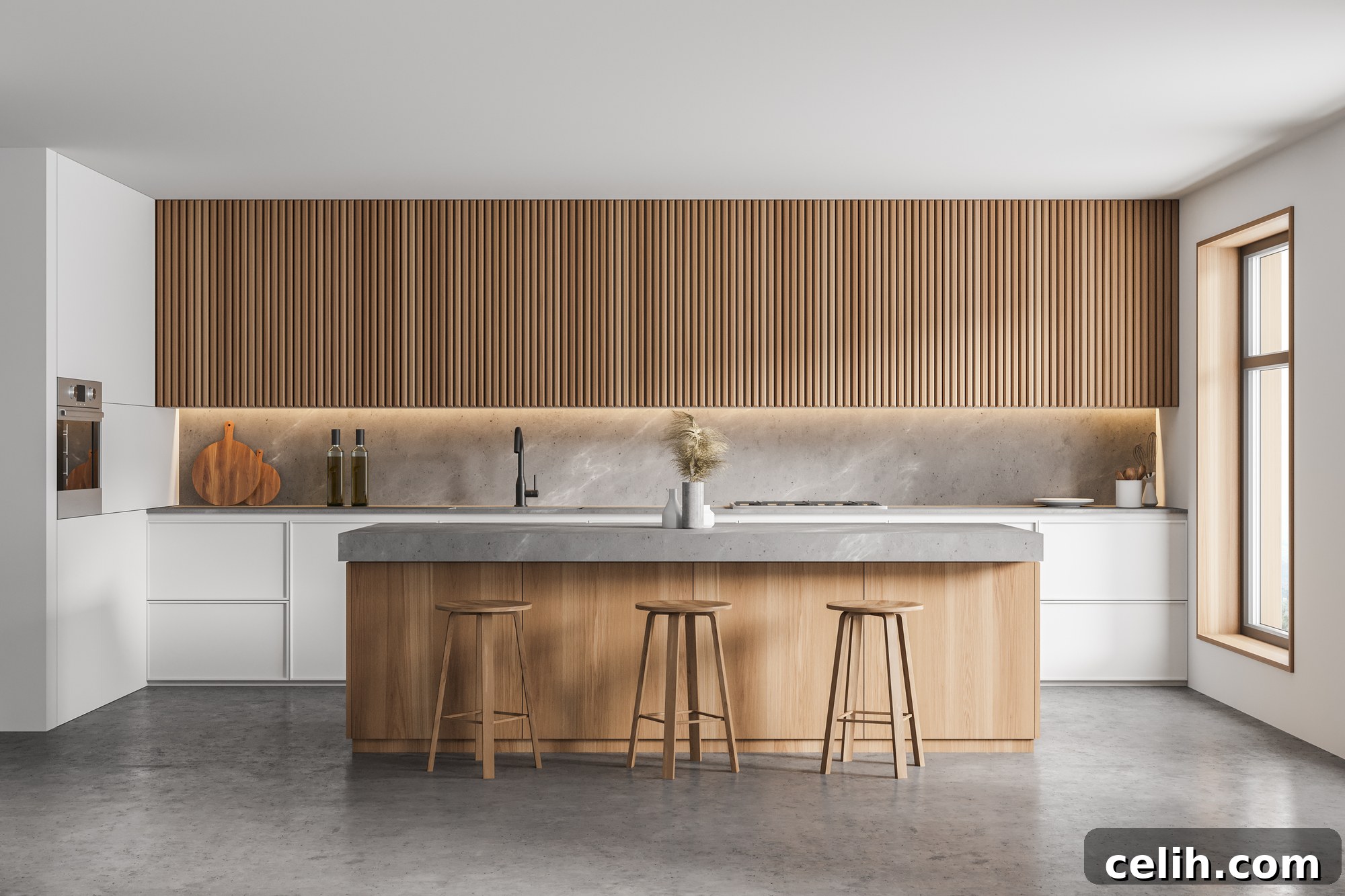
Embarking on a home renovation project offers a unique opportunity to not only revitalize your living space but also to make a profound positive impact on the environment and your family’s well-being. By integrating sustainable materials and eco-friendly practices into your plans, you’re not just renovating; you’re investing in a healthier planet and a more resilient, valuable home. This approach significantly reduces the demand for new, virgin resources, minimizing environmental disruption and pollution. Beyond the ecological benefits, sustainable materials often boast superior durability, requiring less maintenance over time and ensuring your home remains in peak condition for decades.
Furthermore, an eco-conscious renovation significantly enhances indoor air quality. Traditional building materials and finishes can off-gas harmful chemicals, known as volatile organic compounds (VOCs), contributing to indoor air pollution. Opting for low-VOC or zero-VOC alternatives creates a healthier, safer living environment for everyone residing in your home. Choosing green renovations is a powerful statement, demonstrating a commitment to responsible living and setting an inspiring example for future generations. It’s about building a legacy of sustainability, one thoughtful choice at a time.
This comprehensive guide offers practical tips and innovative ideas to help you navigate your renovation journey responsibly, transforming your home into an energy-efficient, environmentally friendly sanctuary.
Embracing Eco-Friendly Practices in Home Renovation
Incorporating eco-friendly practices goes beyond material selection; it encompasses a holistic approach to minimizing your home’s environmental impact while maximizing its efficiency and comfort. These practices address everything from energy consumption to indoor air quality, ensuring a truly sustainable renovation.
Optimizing Energy Efficiency with Advanced Windows and Doors
One of the most impactful upgrades in any energy-efficient home renovation is the installation of high-performance windows and doors. Modern double-glazed or even triple-glazed windows, often filled with inert gases like argon or krypton, significantly enhance thermal insulation. Coupled with low-emissivity (Low-E) coatings that reflect heat, these windows can dramatically reduce heat transfer, keeping your home warmer in winter and cooler in summer. Similarly, well-insulated doors with robust weatherstripping prevent drafts and energy leakage. By maintaining stable indoor temperatures, these features substantially lessen the demand on your heating and cooling systems, leading to lower energy bills and a reduced carbon footprint. Consider frames made from recycled content or sustainably harvested wood for an even greener choice.
Transforming Air Quality with Low-VOC Paints and Finishes
Traditional paints, varnishes, and sealants are notorious for releasing volatile organic compounds (VOCs) into the atmosphere, both during application and for years afterward. These invisible gases can cause a range of health issues, from headaches and respiratory problems to more serious long-term conditions, significantly compromising indoor air quality. The solution lies in choosing low-VOC or, even better, zero-VOC paints. These eco-friendly alternatives use water as a base or natural ingredients, drastically reducing harmful emissions. Beyond paints, extend this consideration to adhesives, sealants, and floor finishes. Opting for non-toxic materials ensures your newly renovated space is not only beautiful but also a healthier haven for your family.
Harnessing Renewable Energy with Solar Panels
Investing in solar panels is a powerful step towards energy independence and a substantial reduction in your household’s carbon footprint. By converting sunlight into electricity, solar energy provides a clean, renewable resource that lessens your reliance on fossil fuels. Beyond the environmental benefits, installing solar panels can significantly lower or even eliminate your monthly electricity bills. Many governments offer attractive incentives, such as tax credits and rebates, making the initial investment more accessible. Furthermore, advancements in battery storage technology mean you can store excess energy generated during peak sunlight hours for use at night or on cloudy days, further increasing your energy resilience. Solar energy is a long-term investment that boosts your home’s value and contributes directly to a sustainable future.
Integrating Sustainable Living with Chicken Fencing
For those looking to embrace a more self-sufficient and sustainable lifestyle, keeping chickens offers numerous benefits. They provide a continuous supply of fresh, organic eggs, enrich your garden soil with their waste (excellent fertilizer!), and naturally help control pests by eating insects and weeds. To ensure your chicken-keeping endeavors align with your sustainable renovation goals, consider chicken fencing made from eco-friendly materials. Options like bamboo, reclaimed wood, or recycled plastic composite fencing minimize environmental impact compared to conventional materials. This thoughtful choice extends your commitment to sustainable living to every corner of your property, demonstrating how even small additions can contribute to a larger ecological picture.
Adopting Natural and Eco-Friendly Pest Control Methods
Maintaining a healthy home often involves dealing with pests, but conventional chemical pesticides can introduce harmful toxins into your living environment and the broader ecosystem. Sustainable home renovation embraces natural pest control methods that are safe for your family, pets, and the environment. Solutions like neem oil, an organic insecticide derived from the neem tree, effectively deter a wide range of pests without harmful residues. Diatomaceous earth, a natural powder made from fossilized algae, provides a non-toxic way to control crawling insects. Prevention is also key: seal cracks and gaps, maintain proper sanitation, and plant pest-repellent herbs such as basil, mint, lavender, and citronella around your home’s perimeter. These herbs not only beautify your garden but also create a natural barrier against unwanted visitors.
| Did You Know? The Edge in Amsterdam, frequently hailed as the world’s greenest office building, is Deloitte’s state-of-the-art headquarters in the Dutch capital. Nicknamed ‘a computer with a roof,’ this 430,000-square-foot marvel utilizes 70% less energy than similar office structures, showcasing the pinnacle of sustainable design and operation. |
Practical Strategies for Integrating Sustainable Materials into Your Home Renovation
Integrating sustainable materials into your home renovation is a journey that can be both incredibly rewarding and profoundly impactful. It requires thoughtful planning, informed choices, and a willingness to explore innovative solutions. By following these practical steps, you can successfully transform your home into a model of eco-friendly design and live more sustainably.
Thorough Research and Strategic Planning
The foundation of any successful sustainable renovation lies in meticulous research and planning. Begin by educating yourself on the vast array of sustainable materials available, considering their environmental impact, performance characteristics, and aesthetic appeal. Explore options for every aspect of your renovation, from structural components to finishes. Create a detailed plan that outlines which eco-friendly materials you intend to use for different parts of your home, setting realistic budgets and timelines. This initial phase is crucial for making informed decisions, identifying potential challenges, and ensuring your project stays aligned with your sustainability goals. Consider creating a “green materials checklist” to guide your choices.
Prioritizing High-Impact Areas for Maximum Benefit
To maximize the environmental and financial benefits of your sustainable renovation, prioritize areas where material choices can have the most significant impact. Insulation, flooring, and paint are prime examples. Upgrading insulation with materials like recycled denim, cellulose, or sheep’s wool can drastically improve your home’s energy efficiency, reducing heating and cooling loads. For flooring, consider rapidly renewable options like bamboo or cork, or durable choices such as reclaimed wood and recycled tiles. As previously discussed, selecting low-VOC or zero-VOC paints and finishes is paramount for maintaining superior indoor air quality. Focusing your efforts on these critical areas ensures that your investment in sustainable materials yields the greatest returns in terms of energy savings, comfort, and environmental protection.
Consulting with Sustainable Building Professionals
Navigating the world of sustainable building can be complex, making the expertise of professionals invaluable. Seek out architects, builders, and designers who possess proven experience and certifications in green building practices, such as LEED (Leadership in Energy and Environmental Design) or Passive House standards. These specialists can provide invaluable insights into material selection, energy systems, and design strategies that align with your vision. They can help you identify local suppliers, navigate building codes, and ensure that your renovation adheres to the highest environmental standards. Collaborating with knowledgeable professionals not only streamlines the process but also helps you make truly informed decisions that contribute to the long-term success and sustainability of your home.
| Fun Fact: Most architects and contractors agree that sustainable building practices increase a building’s asset value. In fact, 27% of them believe it boosts the value by over 10%, highlighting the financial benefits of going green. |
Embracing Eco-Friendly DIY Projects
For smaller renovation projects, consider taking on DIY tasks using sustainable materials. This approach not only saves money but also offers a deep sense of accomplishment. Building custom furniture from reclaimed wood, for example, adds unique character to your home while diverting materials from landfills. Installing a rainwater harvesting system for garden irrigation is another accessible DIY project that conserves water and reduces your municipal water usage. Other ideas include creating vertical gardens from repurposed pallets, composting systems to reduce food waste, or even simple insulation upgrades with natural fibers. DIY projects provide an excellent opportunity to personally connect with your sustainable renovation journey and develop new skills.
Sourcing Materials Locally to Reduce Embodied Energy
Whenever feasible, prioritize sourcing materials locally. This practice significantly reduces the “embodied energy” of your renovation—the energy consumed during the extraction, manufacturing, and transportation of building materials. Local sourcing minimizes transportation emissions, thereby lowering your project’s carbon footprint. Furthermore, it supports local businesses and economies, fostering community resilience. Local materials are often better suited to the climate and conditions of your specific area, potentially offering greater durability and performance. Engaging with local artisans and suppliers can also uncover unique, regional sustainable products that add authentic character to your home.
Opting for Certified Sustainable Products
To ensure that the materials you choose genuinely meet environmental and social responsibility standards, look for reputable certifications. For wood products, the FSC (Forest Stewardship Council) certification guarantees that the timber comes from responsibly managed forests. For appliances and electronic devices, the Energy Star label indicates superior energy efficiency. When selecting paints and finishes, Green Seal certification provides assurance that products meet rigorous health and environmental criteria, including low VOC content. These certifications act as trusted third-party endorsements, helping you make confident choices that align with your sustainable renovation goals.
Maximizing Resourcefulness with Reuse and Recycle
Embracing the principles of reuse and recycle is fundamental to sustainable renovation. Incorporate reclaimed or salvaged materials into your design wherever possible. Reclaimed wood, sourced from old barns, factories, or deconstructed buildings, can add unparalleled character and history to your home as flooring, exposed beams, or custom furniture. Recycled metal, glass, and plastic can be repurposed into stunning countertops, tiles, insulation, or even structural components. Beyond aesthetic appeal, using recycled content significantly reduces the amount of waste sent to landfills and conserves valuable natural resources. This creative approach allows you to build a unique home with a story, while minimizing your environmental footprint.
Enhancing Overall Energy Efficiency Through Material Selection
Every material choice in your renovation contributes to your home’s overall energy performance. Beyond insulation and windows, consider materials that inherently enhance energy efficiency. For instance, high thermal mass materials like concrete or stone can absorb and slowly release heat, stabilizing indoor temperatures naturally. Cool roofing materials, designed to reflect sunlight, reduce heat absorption and lessen the need for air conditioning. Even the color of your exterior paint can influence energy consumption. By consciously selecting materials that contribute to better thermal performance, airtightness, and passive solar design principles, you create a home that is inherently more energy-efficient and comfortable, reducing reliance on active heating and cooling systems.
Why Sustainable Materials Are the Smart Choice for Your Renovation
Choosing sustainable materials for your home renovation is far more than a trend; it’s a strategic decision that delivers a multitude of benefits for the environment, your wallet, and your family’s health and comfort. These materials are meticulously designed to minimize ecological impact throughout their entire lifecycle, from production to disposal, all while promoting energy efficiency and waste reduction. Here’s a deeper dive into why sustainable materials should be at the forefront of your next renovation project:
Significantly Reduced Carbon Footprint
Sustainable materials play a crucial role in lowering your home’s overall carbon footprint. They typically require less energy to manufacture and process compared to conventional alternatives, a factor known as “embodied energy.” For instance, opting for locally sourced materials drastically cuts down on transportation emissions associated with long-distance shipping. Furthermore, many sustainable options are made from recycled content or renewable resources that sequester carbon during their growth, like timber from sustainably managed forests. By choosing materials with a low embodied carbon and supporting energy-efficient operational practices in your home, you make a tangible contribution to mitigating climate change.
Proactive Resource Conservation
A cornerstone of sustainability is the conscientious use of natural resources. Many sustainable materials are derived from rapidly renewable sources or incorporate a high percentage of recycled content, reducing the strain on virgin resources. Take bamboo, for example, a grass that grows rapidly and can be harvested without destroying the root system, making it an excellent alternative to traditional hardwoods for flooring and cabinetry. Cork, harvested from the bark of cork oak trees without felling them, is another superb renewable option. Materials like reclaimed wood, recycled steel, and recycled glass countertops further exemplify how valuable resources can be given a second life, significantly conserving forests, minerals, and other finite natural assets.
Effective Waste Reduction
Construction and demolition waste constitute a significant portion of landfill content globally. Sustainable materials actively contribute to waste reduction by often being made from recycled or repurposed sources. Opting for products like recycled glass countertops, tiles made from recycled porcelain, or insulation derived from recycled denim helps divert vast amounts of waste from landfills. Beyond material selection, green renovation practices often emphasize reducing on-site waste through careful planning, prefabrication, and meticulous recycling of construction debris. By embracing a circular economy approach, sustainable renovations minimize landfill contributions and maximize resource utility.
Superior Indoor Air Quality
Many conventional building materials can off-gas a cocktail of volatile organic compounds (VOCs) and other harmful chemicals such as formaldehyde, posing serious risks to indoor air quality and occupant health. Sustainable options are specifically engineered to mitigate these issues. Choosing low-VOC paints and finishes, formaldehyde-free cabinetry and insulation, and natural fiber carpets ensures a cleaner, healthier indoor environment. These choices prevent the accumulation of airborne toxins, reducing the risk of allergies, respiratory problems, and other health concerns, thereby creating a truly restorative living space.
Commitment to Non-Toxic Materials
Beyond just VOCs, a broader commitment to non-toxic materials is a hallmark of sustainable renovation. This means selecting products free from heavy metals, phthalates, flame retardants, and other harmful chemicals commonly found in conventional building components. For instance, natural linoleum flooring, made from linseed oil, wood flour, and jute, is a safe, biodegradable, and eco-friendly alternative to synthetic options like vinyl flooring. Choosing natural sealants, adhesives, and finishes ensures that every surface and component of your home contributes to a healthy, chemical-free environment, protecting your family from hidden dangers.
| Renovation Tip: Construction projects typically generate significant material waste on-site. It’s essential to ensure proper segregation and disposal of this waste rather than tossing everything into a giant trash bin for removal. Implementing a waste management plan for recycling and reuse is key. |
Enhanced Durability and Longevity
Counterintuitively, sustainable materials often surpass conventional options in terms of durability and longevity. Many eco-friendly products are designed with an emphasis on natural resilience and robust performance, reducing the need for frequent replacements. For example, bamboo flooring is incredibly hard and resistant to wear, while reclaimed wood, having already stood the test of time, brings inherent stability and character. High-quality recycled content materials are engineered for endurance. This extended lifespan means less material consumption over time, fewer renovation cycles, and ultimately, a lower lifecycle environmental impact and reduced long-term costs for the homeowner.
Increased Home Value and Marketability
A sustainable home renovation is a smart financial investment. As awareness of environmental issues grows, so does the demand for green homes. Properties with eco-friendly features like solar panels, energy-efficient windows, and non-toxic materials are increasingly attractive to buyers, often commanding a higher resale value. Green certifications and documented energy savings can significantly boost your home’s marketability and appraisal value. The “Fun Fact” table above underscores this, indicating that professionals recognize the tangible asset value increase attributed to sustainable building practices. Your investment today not only benefits the planet but also enhances your property’s long-term financial worth.
Reduced Maintenance Requirements
Beyond their initial environmental benefits, many sustainable materials offer the added advantage of reduced maintenance. For instance, durable, naturally resilient materials like certain types of natural stone or reclaimed wood often require less frequent cleaning, refinishing, or repair compared to their conventional counterparts. Low-VOC paints tend to be more resistant to fading and chipping, providing longer-lasting finishes. Materials designed for longevity inherently reduce the need for upkeep, saving homeowners time, effort, and money over the years. This low-maintenance aspect contributes to a more relaxed and enjoyable homeownership experience, allowing you to spend less time on chores and more time enjoying your eco-friendly space.
Comprehensive Energy Efficiency and Financial Savings
The synergy of sustainable material choices leads to profound energy efficiency, which translates directly into significant financial savings. Installing high-performance insulation, such as sheep’s wool or recycled denim, provides superior thermal performance, keeping your home warm in winter and cool in summer and drastically reducing the need for active heating and cooling systems. Energy-efficient windows and doors, often with multi-pane glazing and low-emissivity coatings, further minimize heat transfer. Beyond these, the strategic use of passive solar design, natural ventilation, and smart home technology integrated into your sustainable renovation creates a holistic system that dramatically lowers utility bills. Furthermore, many governments and local entities offer financial incentives, grants, and tax credits for homeowners who invest in energy-efficient and sustainable upgrades, making the transition even more economically viable.
Embrace Sustainable Renovations for a Brighter Future
The decision to embrace sustainable materials and eco-friendly practices in your home renovations is one of the most impactful choices you can make, offering a wealth of benefits for both the environment and your personal living space. From the structural integrity provided by reclaimed wood and recycled metal to the energy savings delivered by high-performance windows and solar panels, and the healthy indoor air ensured by natural pest control and low-VOC paints, these strategies collectively foster a greener, more resilient, and healthier home environment.
Your sustainable renovation journey is an opportunity to contribute positively to the planet, enhance your home’s value, and cultivate a living space that truly nurtures well-being. By prioritizing thoughtful material choices and environmentally conscious practices, you not only improve your immediate surroundings but also set a powerful example for sustainable living within your community. Make your home a beacon of eco-friendly design and responsible innovation today, inspiring others to embark on their own green transformations.