
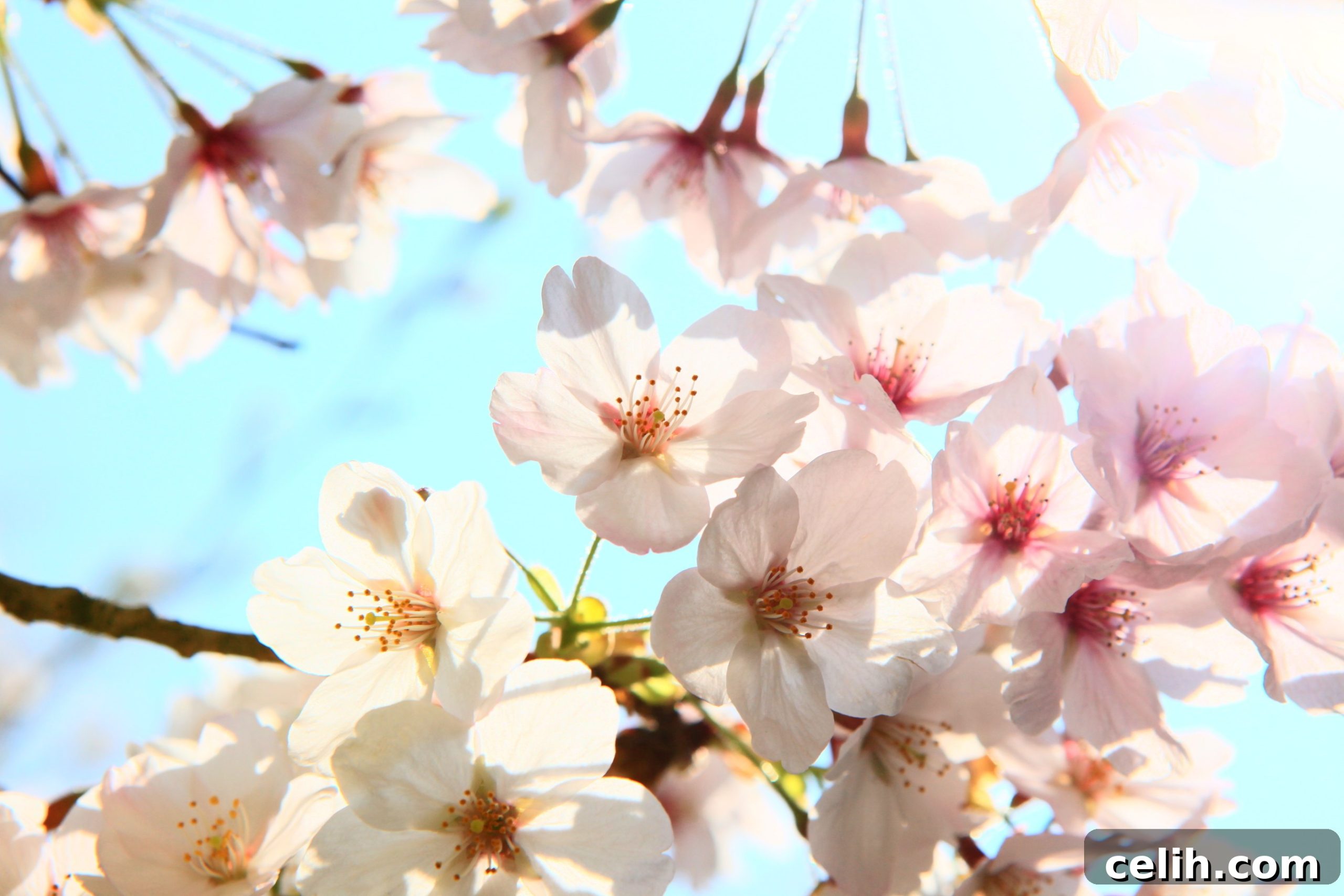
Embrace the Bloom: Your Essential Spring Garden Refresh Checklist
As the days grow longer and the sun’s warmth gently embraces your outdoor spaces, there’s an undeniable shift in the air. Spring has officially arrived, bringing with it a vibrant awakening in gardens everywhere. The temperature is climbing, and you’ve likely already savored a delightful evening dining al fresco, enjoying the fresh breezes and the promise of summer.
If you’re among the fortunate to have a garden, you’ve undoubtedly witnessed nature’s incredible resurgence. From the spontaneous burst of daffodils and the charming carpet of bluebells to the proud stature of tulips and the swelling buds of peonies, your garden is likely teeming with new life. But with this beautiful awakening comes a flurry of growth – the lawn might be stretching skyward, and those unwelcome weeds are already attempting to choke your cherished plants. Now is the perfect time to roll up your sleeves and give your garden the attention it deserves, transforming it into a true sanctuary.
This comprehensive guide offers the ultimate checklist of essential gardening jobs to tackle this spring. By focusing on these tasks, you’ll not only maintain control but also nurture a vibrant, healthy, and inviting outdoor haven that will flourish beautifully throughout the seasons.
1. Revitalize Your Outdoor Surfaces: Patio and Decking Power Wash
Winter can leave patios, decking, and pathways looking dull and dirty, covered in grime, moss, and algae. A thorough clean is paramount to restore their beauty and ensure they’re safe and ready for outdoor living. Investing in a quality jet washer is a decision you won’t regret, offering a powerful, chemical-free solution for deep cleaning.
Step-by-Step Cleaning Guide:
- Initial Sweep: Begin by sweeping the entire area to remove loose debris, leaves, and dirt. This prevents larger particles from clogging your washer or scratching surfaces.
- Pre-Treat (Optional but Recommended): For stubborn stains, moss, or mildew, consider a biodegradable outdoor cleaner. Apply it according to the manufacturer’s instructions and let it sit for the recommended time to break down grime.
- Power Washing: Attach the appropriate nozzle to your jet washer (a fan nozzle is usually best for wide coverage and preventing damage). Work in systematic, overlapping strokes, holding the nozzle at a consistent distance from the surface. Watch as layers of dirt lift away, revealing the clean material underneath.
- Directing Run-off: As you clean, direct the dirty water towards drains or permeable areas of your lawn to prevent pooling. For areas where water naturally collects, use a stiff sweeping brush to guide it away effectively.
- Don’t Forget the Details: Extend your cleaning efforts to other hard surfaces around your home, such as paved driveways, garden paths, and even outdoor steps. Your front yard and garden walls could also greatly benefit from a good clean, enhancing curb appeal significantly.
Not only does jet washing improve aesthetics, but it also helps prevent slips and falls by removing slippery algae, extending the lifespan of your patio and decking materials.
2. Cultivate a Lush, Green Lawn: Spring Lawn Care Essentials
A healthy, vibrant lawn is the envy of any neighborhood and a soft carpet underfoot on warm summer days. Spring is the critical season to bring your lawn back to life after its winter dormancy and set it up for success.
Key Tasks for a Perfect Lawn:
- Raking and Scarification: Start by gently raking your lawn to remove any dead grass, leaves, or thatch that has accumulated over winter. For lawns with significant thatch build-up, consider scarification – a process that removes excess thatch and moss, allowing water, air, and nutrients to reach the soil more effectively.
- Aeration: If your lawn experiences heavy foot traffic or has compacted soil, aeration is beneficial. This involves making small holes in the lawn to improve air circulation and drainage. You can use a garden fork for smaller areas or a specialized aerator for larger lawns.
- Repair Bald Patches: Now is the ideal time to address any bare or thin spots. Loosen the soil in these areas, mix in some fresh compost, and generously sow new grass seeds. Choose a seed mix suitable for your lawn’s conditions (e.g., sun-loving, shade-tolerant, or hard-wearing). Keep the newly seeded areas consistently moist until germination.
- Feeding with Fertilizer: Give your lawn a helping hand with a high-quality organic lawn fertilizer. These slow-release formulas provide essential nutrients without the risk of burning your grass, promoting strong root growth and a lush, green appearance. Always follow the product instructions for application rates.
- First Mows: Once your lawn shows active growth and is dry, it’s time for the first mow of the season. Set your mower blades slightly higher than usual for the initial cuts to avoid stressing the grass. Gradually lower the blade height over subsequent mows. Regular mowing encourages denser growth and helps keep weeds at bay.
By following these steps, you’ll ensure your lawn is not only thick and green but also resilient and a pleasure to walk on barefoot throughout the warmer months.
3. Conquer the Weeds: Early Intervention for a Pest-Free Garden
Weeding might be the least glamorous gardening task, but it is arguably the most crucial for maintaining a healthy and attractive garden. Spring is the golden window to tackle weeds before they establish a strong foothold.
Effective Weeding Strategies:
- Early Action is Key: The sooner you get to weeding in spring, the easier it will be. Weeds are smaller, their root systems are less developed, and, most importantly, they haven’t had a chance to flower and scatter thousands of seeds across your garden, creating an even bigger problem for next year.
- Root and All: Always aim to remove the entire weed, including its taproot. Snapping off the top of a weed is a temporary fix; most will regrow with renewed vigor within a week or two. Use a weeding fork or a hand trowel to loosen the soil around the weed, making it easier to pull out the whole plant.
- Tools of the Trade: Invest in a good set of weeding tools, such as a sturdy hand fork, a long-handled hoe for larger areas, and a weeding knife for precise removal in tight spots. For paved areas, a crevice weeder can be invaluable.
- Weeding After Rain: Weeding is significantly easier after a rain shower or after you’ve watered your garden, as the soil is softer and more pliable, making it easier to pull out roots intact.
- Mulching as a Preventative Measure: Once your beds are weeded, apply a thick layer of organic mulch (such as wood chips, compost, or bark). Mulch suppresses weed growth by blocking sunlight, retains soil moisture, and adds nutrients as it breaks down. It’s an excellent long-term strategy for reducing weeding efforts.
Vigilant weeding now will save you countless hours later in the season and allow your desired plants to thrive without competition for resources.
4. Prepare for Outdoor Living: Furniture and BBQ Readiness
With warmer weather comes the irresistible urge to enjoy your garden as an extension of your home. Get ahead of the curve by preparing your outdoor living essentials now, ensuring you’re ready for spontaneous gatherings and relaxing evenings.
Getting Your Outdoor Space Ready:
- Furniture Refresh: Uncover and bring out your garden table, chairs, parasol, sun loungers, and any other outdoor seating. Give every piece a thorough clean. For wooden furniture, a gentle scrub with soapy water followed by a rinse is often sufficient; consider re-oiling or re-staining for protection. Metal furniture can be wiped down and checked for rust. For rattan or plastic, a simple wash will do.
- Check for Wear and Tear: Inspect all furniture for any damage, loose screws, or signs of deterioration. Repair or replace as needed to ensure safety and longevity. This is also a good time to check your parasol for tears or damage.
- BBQ Deep Clean: Don’t wait until the last minute to clean your barbecue. Remove and scrub the grill grates thoroughly. Clean the interior and exterior of the BBQ, checking for any rust or blockages in gas lines (for gas BBQs). Ensure gas bottles are full or charcoal is stocked up. A clean BBQ makes for better-tasting food and safer cooking.
- Fire Pit & Outdoor Heating: If you have a fire pit, ensure it’s clean and in good working order. Stock up on firewood or check gas connections for propane models. Consider other outdoor heating solutions like patio heaters for those cooler spring evenings.
- Ambiance Enhancements: Elevate your outdoor living experience with magical touches. String up some solar-powered fairy lights or outdoor lanterns for enchanting evening illumination. Citronella candles not only add a warm glow but also help deter unwelcome insects, making your evenings more comfortable.
Being prepared means you can spontaneously host friends and family, making the most of every unseasonably warm spring evening and creating unforgettable moments in your beautifully refreshed garden.
5. Infuse Color and Charm: Hanging Baskets and Planters
Spring is the ideal time to introduce vibrant splashes of color and unique personality to your garden through the thoughtful placement of hanging baskets and planters. These versatile elements can transform any space, big or small.
Creative Planting Ideas:
- Hanging Basket Brilliance: Rejuvenate empty hooks with stunning hanging baskets. Choose a mix of “spillers” (like trailing petunias, fuchsias, or lobelia) that cascade over the sides, “fillers” (such as busy lizzies or impatiens) to add volume, and “thrillers” (like upright geraniums or small ornamental grasses) for height and drama. Ensure good drainage and use a high-quality potting mix. Water frequently as they dry out quickly.
- Unusual Planters: Move beyond traditional pots. Explore creative and stylish planter ideas that reflect your personal aesthetic. Repurpose old wheelbarrows, vintage sinks, wooden crates, or even old boots for a quirky touch. Look for planters made from different materials like terracotta, glazed ceramic, metal, or recycled plastic to add texture and interest.
- Strategic Placement: Place planters and baskets where they will have the most impact – near your patio, by the front door, along pathways, or to fill gaps in borders. Grouping several planters of varying sizes and heights can create a dynamic visual display.
- Plant Selection for Spring: Focus on spring-flowering annuals and perennials that thrive in your climate. Pansies, violas, primroses, snapdragons, and osteospermum are excellent choices for early spring color. Don’t forget herbs like mint, basil, and rosemary, which can also look fantastic in containers and provide fresh ingredients for your kitchen.
- Container Gardening for Small Spaces: Even if you have a small balcony or patio, container gardening offers endless possibilities. Grow a mini vegetable patch with tomatoes, lettuce, or strawberries, or create a fragrant herb garden right outside your kitchen door.
These colourful additions not only enhance the aesthetic appeal of your garden but also provide joy and a sense of accomplishment as you watch them flourish.
6. Pruning and Trimming: Shaping for Health and Vigor
Spring is a crucial time for pruning many shrubs and trees, not just for aesthetics but also for their overall health and productivity. Proper pruning encourages new growth, improves air circulation, and enhances flowering or fruiting.
Pruning Best Practices:
- Deciduous Shrubs: For many deciduous shrubs that flower on new wood (e.g., Buddleia, Hydrangea paniculata), early spring is the ideal time to prune them back hard to encourage vigorous new growth and abundant blooms.
- Roses: Prune roses in early spring, removing dead, diseased, or crossing branches. Shape the plant to an open structure, encouraging air circulation and healthy new shoots that will bear summer flowers.
- Fruit Trees & Bushes: Lightly prune fruit trees and bushes (like apples, pears, currants, and gooseberries) to remove winter-damaged wood and open up the canopy. This allows for better light penetration and air circulation, leading to healthier fruit production. Avoid heavy pruning of stone fruits (cherries, plums) in spring to prevent disease.
- Evergreens: Lightly trim evergreen hedges and shrubs to maintain their shape and density. Avoid cutting into old wood where new growth may be slow to appear.
- Tools and Techniques: Ensure your pruning tools (shears, loppers, saws) are sharp and clean to make precise cuts and prevent the spread of diseases. Always cut just above a bud or branch junction, angling the cut away from the bud.
Thoughtful pruning will ensure your plants remain healthy, productive, and beautifully shaped throughout the year.
7. Nurturing the Soil: The Foundation of a Thriving Garden
Healthy soil is the bedrock of a successful garden. Spring is the perfect time to assess your soil’s condition and enrich it, preparing beds for new plantings and ensuring your existing plants have the nutrients they need.
Enhancing Soil Health:
- Compost and Organic Matter: Dig in a generous layer of well-rotted compost, aged manure, or other organic matter into your garden beds. This improves soil structure, enhances water retention in sandy soils, and improves drainage in heavy clay soils. It also provides a slow release of essential nutrients.
- Soil Testing: If you’re unsure about your soil’s specific needs, consider a soil test. This can reveal nutrient deficiencies or pH imbalances, allowing you to amend the soil precisely.
- Preparing for Planting: For new planting areas, ensure the soil is loose and friable to a depth of at least 12 inches. Remove any large rocks or debris.
- Choosing the Right Plants: Select plants that are well-suited to your soil type, climate, and the amount of sunlight your garden receives. Matching plants to their ideal conditions reduces stress and the need for excessive intervention.
Investing time in soil preparation now will pay dividends throughout the growing season, resulting in more robust and resilient plants.
8. Cultivating a Haven for Wildlife: Supporting Biodiversity
Beyond creating a beautiful space for yourself, spring is a crucial time to remember the invaluable role your garden can play in supporting local wildlife. Birds and small animals, like hedgehogs, are busy feeding their young and seeking safe habitats. Transforming your garden into a wildlife-friendly oasis benefits not only these creatures but also enhances the ecological balance and joy of your outdoor space.
Creating a Wildlife Sanctuary:
- Bird Feeders & Water: Install bird feeders with a variety of seeds, suet, and nuts to provide essential energy for nesting birds and their chicks. A bird bath offers a vital source of fresh water for drinking and bathing, especially as temperatures rise.
- Bird Boxes & Insect Hotels: Erect bird boxes suitable for local species to provide safe nesting sites. Consider adding an “insect hotel” or a log pile to offer shelter and breeding grounds for beneficial insects like solitary bees, ladybugs, and beetles, which are natural pest controllers.
- Native Plants: Incorporate native plants into your garden design. These plants are perfectly adapted to your local ecosystem and provide the best food sources and habitats for native pollinators, birds, and other wildlife.
- Pond Power: If space allows, creating a small pond can be a magnificent addition, attracting frogs, newts, dragonflies, and a host of other aquatic life. Ensure it has sloped sides or a ramp for easy entry and exit for small animals.
- Avoid Pesticides: Embrace organic gardening practices and minimize or eliminate the use of chemical pesticides and herbicides. These can be harmful to pollinators, beneficial insects, birds, and other wildlife. Learn to live with a certain level of “natural” imperfection and encourage natural predators instead.
- Leave Wild Corners: Dedicate a small, undisturbed corner of your garden where plants can grow a little wilder. This offers essential refuge and foraging opportunities for small mammals and insects.
By consciously making your garden more wildlife-friendly, you create a dynamic, living ecosystem that brings endless fascination and contributes positively to local biodiversity, making your garden a truly enriching environment for everyone.
Your Spring Garden Awaits: Enjoy the Fruits of Your Labor
Embracing these essential spring gardening tasks will not only keep your garden healthy and tidy but will also lay the groundwork for a stunning display of blooms and foliage that will flourish well into summer. From the revitalized patio ready for entertaining to the vibrant flower baskets and the carefully nurtured lawn, every effort contributes to creating a usable, inviting, and truly magical outdoor space for relaxing with family and friends.
Remember, a garden is an evolving space, constantly changing with the seasons. Taking the time now to prepare and nurture it will allow you to reap the rewards of its beauty and tranquility for months to come. So, grab your gloves, step outside, and immerse yourself in the joyful rhythm of spring gardening. Your outdoor sanctuary awaits!
(Top image credit: S R Lee / Shutterstock)
***This is a guest post***