
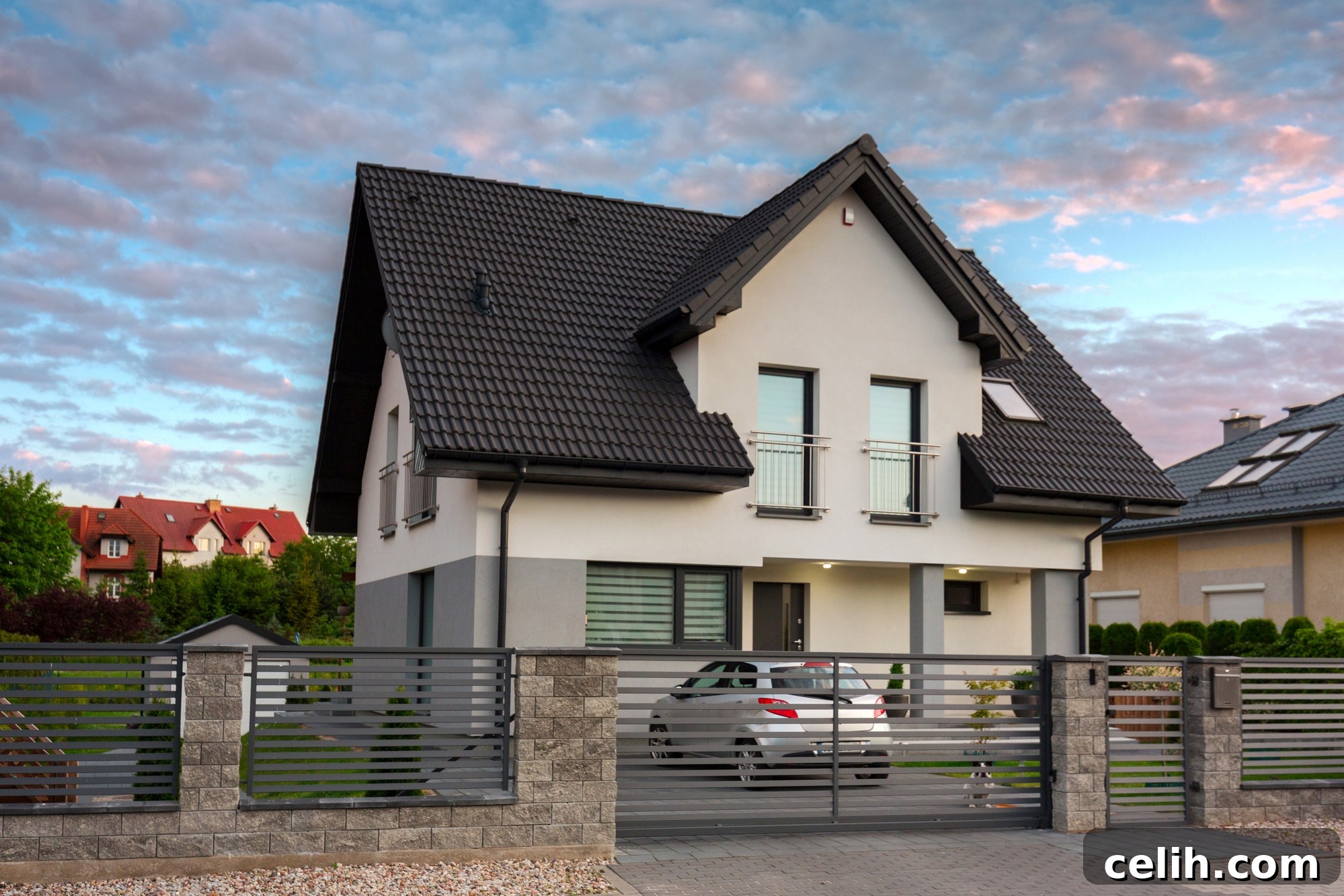
In an era where environmental consciousness is paramount, the demand for modern, eco-friendly homes has surged significantly. Homeowners are increasingly prioritizing sustainability, seeking residences that not only offer comfort and contemporary aesthetics but also minimize their ecological footprint. Fortunately, integrating green elements into home design and interior spaces is more accessible than ever before, thanks to advancements in sustainable materials, energy-efficient technologies, and a growing body of knowledge in ecological building practices. Crafting an environmentally responsible home is a multifaceted endeavor that involves careful consideration of various components, from the ground up. This comprehensive guide will explore the pivotal factors that can help you transform your living space into a truly green sanctuary, ensuring both comfort and planetary stewardship.
Choose Sustainable Materials Wisely
The foundation of any eco-friendly home lies in the thoughtful selection of its building materials. The choices made during this crucial phase profoundly impact the home’s overall environmental performance, from its construction to its long-term occupancy. Prioritizing materials that are recycled, renewable, locally sourced, and non-toxic can drastically reduce your home’s embodied energy – the total energy consumed in the production, transport, and disposal of building materials. For instance, opting for recycled steel instead of virgin steel significantly cuts down on energy consumption and waste. Similarly, reclaimed wood not only prevents deforestation but also adds unique character and history to a home, reducing the demand for newly harvested timber.
Beyond these well-known options, consider rapidly renewable resources like bamboo and cork, which grow quickly and can be harvested without harming the parent plant. Materials with low volatile organic compound (VOC) emissions, such as certain paints, adhesives, and finishes, are vital for maintaining superior indoor air quality, protecting the health of occupants from harmful chemicals. Furthermore, incorporating innovative solutions like permeable pavers for driveways and pathways helps manage stormwater runoff, reducing erosion and replenishing groundwater reserves. Researching the lifecycle and supply chain of each material ensures that your home’s construction truly aligns with sustainable principles, contributing to a healthier environment both inside and out.
Optimize Home Heating Solutions
Heating a home efficiently is one of the most critical aspects of creating an eco-friendly living space, as it often accounts for a substantial portion of residential energy consumption and greenhouse gas emissions. The goal is to minimize energy usage while maintaining comfortable indoor temperatures. While numerous heating solutions exist, geothermal heat pumps stand out as one of the most effective and environmentally sound options. These systems harness the stable temperature of the earth to provide both heating and cooling, offering unparalleled efficiency compared to traditional fossil fuel-based systems.
Geothermal heat pumps work by circulating a fluid through underground pipes, absorbing heat from the earth in winter and dissipating it back into the earth in summer. This process requires significantly less electricity than conventional heating and cooling methods, leading to substantial energy savings and a reduced carbon footprint. While the initial installation cost may be higher, the long-term operational savings and environmental benefits make them a wise investment for any green home. Beyond geothermal, consider other highly efficient heating systems such as radiant floor heating, which delivers warmth directly to surfaces, and high-efficiency boilers or furnaces that maximize fuel conversion. Crucially, any heating strategy must be complemented by robust insulation and meticulous air sealing to prevent heat loss, ensuring that the energy generated is retained within the home as effectively as possible.
Integrate Solar Energy Systems
Harnessing the power of the sun through solar panels is an increasingly popular and impactful way to make a home eco-friendly and energy independent. Solar photovoltaic (PV) panels convert sunlight directly into electricity, providing a clean, renewable energy source that drastically reduces reliance on grid power, often generated from fossil fuels. Installing solar panels on your roof is a tangible step towards cutting your carbon emissions and contributing to a healthier planet.
While the upfront investment for a solar energy system can seem significant, the long-term financial and environmental benefits are compelling. Over its lifespan, a solar installation can lead to substantial savings on electricity bills, and in many regions, homeowners can even earn money through net metering programs by selling excess electricity back to the grid. Furthermore, various government incentives, tax credits, and rebates are often available to offset initial costs, making solar power more accessible than ever. Beyond electricity generation, consider solar thermal systems for water heating, which use the sun’s energy to heat water directly, further reducing energy consumption. Embracing solar technology not only diminishes your utility expenses and ecological footprint but also empowers you with greater energy independence, knowing that your home is powered by a clean, sustainable resource.
Install Energy-Efficient Appliances
When outfitting your modern home, particularly the kitchen and laundry areas, the choice of appliances plays a significant role in achieving genuine eco-friendliness. Not all appliances are created equal in terms of energy consumption and environmental impact. Investing in truly energy-efficient appliances can drastically reduce your home’s overall energy use, leading to lower utility bills and a smaller carbon footprint.
The key indicator to look for is the ENERGY STAR certification, which signifies that an appliance meets strict energy efficiency guidelines set by government agencies. Appliances like refrigerators, washing machines, dishwashers, and ovens are constantly being innovated to consume less energy and water without compromising performance. For instance, ENERGY STAR certified refrigerators often use advanced insulation and compressors, while washing machines utilize sophisticated sensors and less water per load. Look for features such as induction cooking on stovetops, which is more energy-efficient than traditional electric or gas, and dishwashers with soil sensors that adjust water usage based on the load. Additionally, consider the often-overlooked ‘phantom load’ or standby power consumed by electronics when not actively in use. Smart power strips can help eliminate this wasted energy. While eco-friendly appliances may sometimes carry a higher initial price tag, their long-term operational savings and reduced environmental impact make them a valuable investment for any sustainable home.
Embrace Water Conservation Strategies
Beyond energy efficiency and sustainable materials, effective water conservation is a cornerstone of an eco-friendly home. Freshwater is a finite resource, and responsible management within the household is crucial for environmental stewardship. Implementing water-saving measures can significantly reduce your consumption, lower utility bills, and alleviate stress on local water supplies.
Start with low-flow fixtures throughout your home. Installing low-flow showerheads, toilets, and faucets can dramatically cut down on water usage without sacrificing performance. Modern low-flow toilets, for example, use a fraction of the water compared to older models while maintaining efficient flushing. Consider dual-flush toilets for even greater control. In the kitchen, an ENERGY STAR certified dishwasher uses less water than handwashing, especially when run only with full loads. Beyond fixtures, greywater recycling systems offer an innovative solution by treating and reusing water from showers, sinks, and washing machines for non-potable purposes like landscape irrigation or toilet flushing. This significantly reduces the demand for fresh potable water. For outdoor spaces, xeriscaping – landscaping with drought-tolerant plants – eliminates the need for extensive irrigation. Additionally, installing rain barrels to collect rainwater for garden use further reduces reliance on municipal water supplies. By integrating these strategies, you create a home that respects and conserves one of our most precious natural resources.
Conclusion: Building a Sustainable Future
Creating a modern, eco-friendly home is an enriching journey that extends far beyond mere aesthetics; it’s a commitment to sustainability, health, and responsible living. By carefully considering your material choices, optimizing heating and cooling systems, harnessing renewable energy with solar panels, investing in energy-efficient appliances, and actively conserving water, you can construct a home that is both comfortable and environmentally sound. Each deliberate decision contributes to a smaller carbon footprint, reduced utility expenses, and a healthier indoor environment for your family. The ongoing advancements in green building technologies make it easier than ever to integrate these sustainable practices. Embracing these principles transforms your house into a true eco-sanctuary, a testament to your dedication to a greener, more sustainable future for generations to come. Your eco-friendly home is not just a place to live; it’s a statement about the world you want to build.