
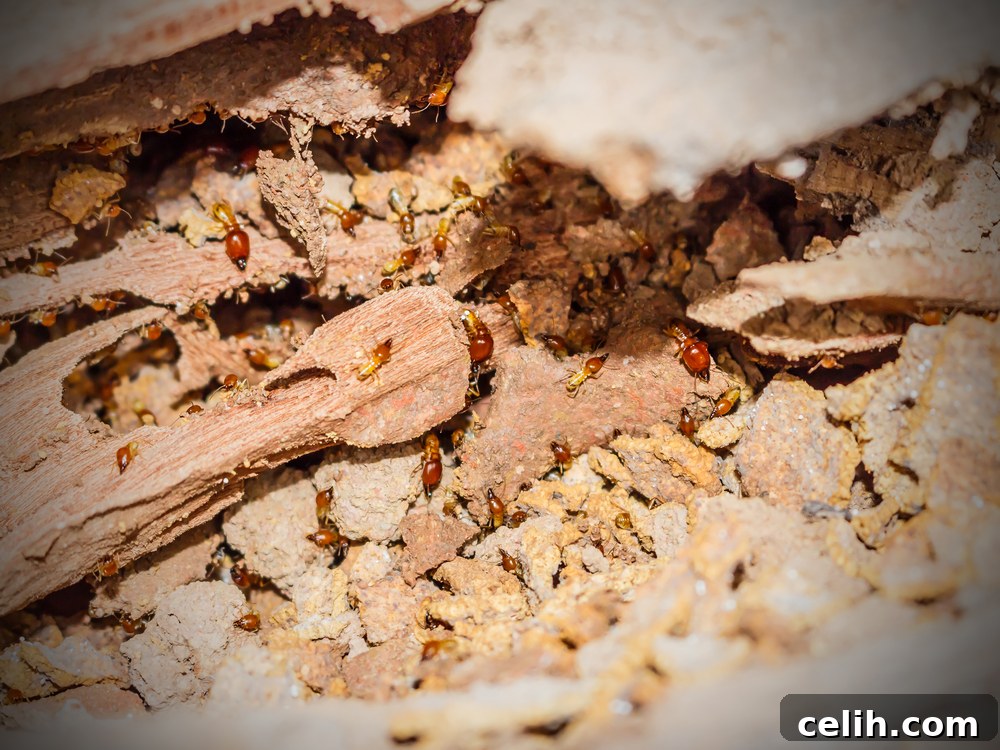
Most homeowners focus on obvious problems: a leaking roof, cracked walls, or flooding after heavy rain. Yet some of the costliest damage happens quietly and out of sight. Termites are a prime example. Small and often unnoticed, they can weaken structural timber for months or years before visible signs appear, making repairs costly and disruptive.
For anyone living in areas where termites are common, understanding how these insects behave and knowing the early warning signs can prevent extensive damage and save significant expense.
Why Termites Are So Destructive
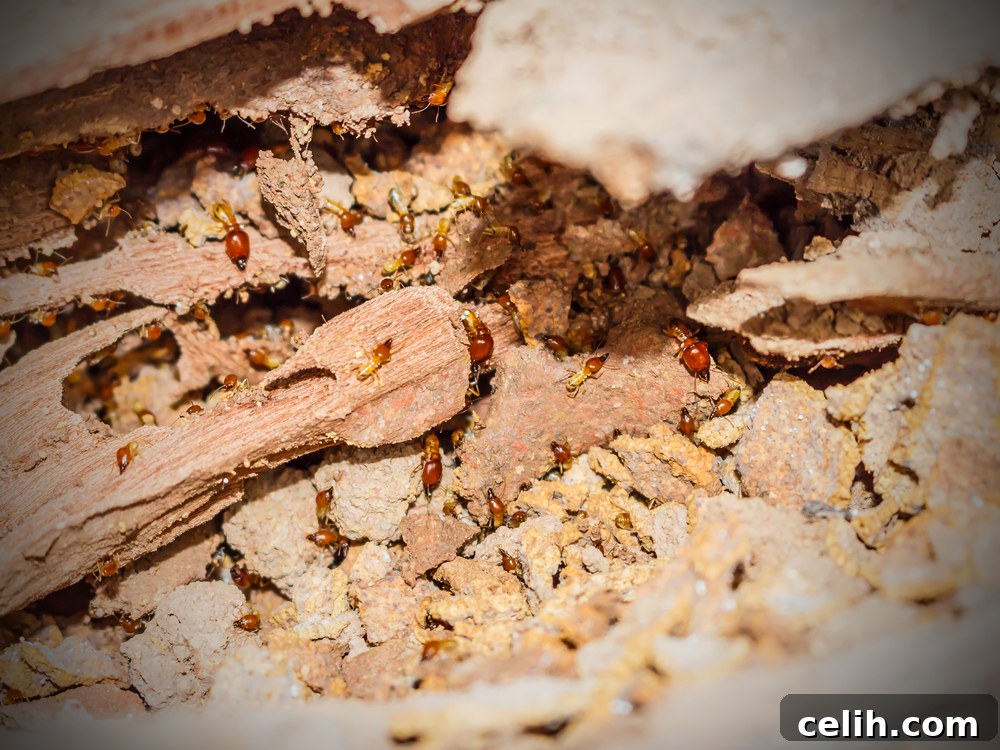
Termites feed on cellulose, the organic material in wood, paper, cardboard and many plant products. That means the very timber used to build homes can become a food source. Rather than producing obvious surface damage, many termites eat from the inside out, hollowing beams, studs and joists while leaving a thin outer layer intact. From the outside, timber may look sound while losing much of its structural strength.
Because they typically remain hidden behind walls, under floors or within foundations, infestations can continue undetected for long periods. By the time homeowners notice problems, the scale of repairs may already be significant.
The Types of Termites Found Around Homes
Termite species vary by region, but two types commonly encountered in residential properties are subterranean termites and drywood termites.
Subterranean termites live in the soil in large colonies and build mud tubes to reach wood while remaining protected from light and dry air. Because their colonies can contain hundreds of thousands of individuals, they are often responsible for severe structural damage.
Drywood termites live directly inside the timber they consume and do not require contact with soil. They can infest roof timbers, furniture, flooring and framing. Both types cause damage, but subterranean termites are frequently considered the more aggressive threat to buildings.
Why Homeowners Often Miss Termite Signs
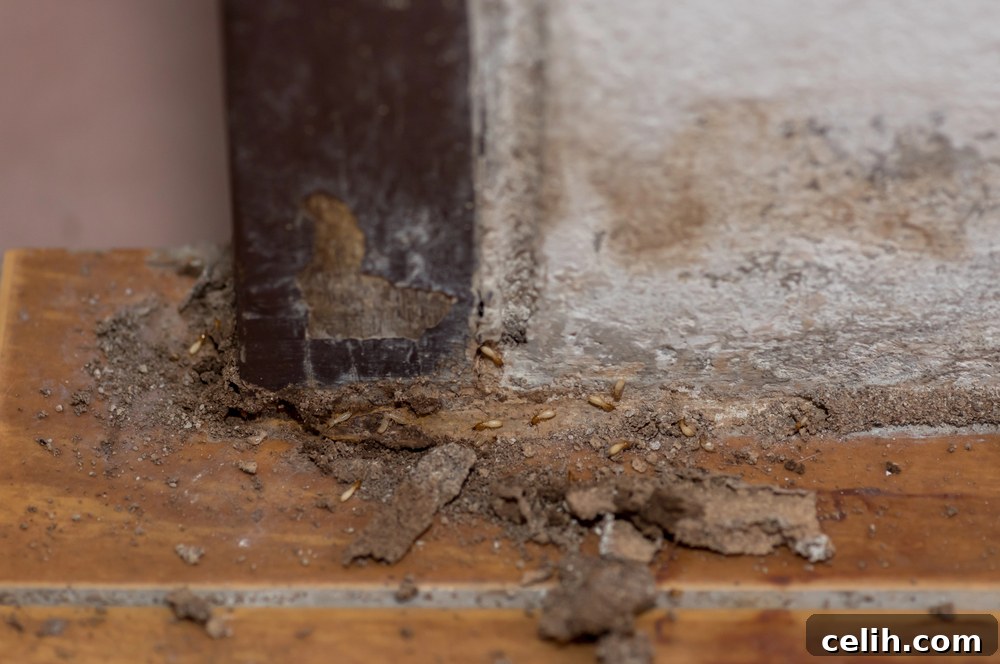
Warning signs of termite activity are often subtle and easily mistaken for other issues. A door or window that sticks might be blamed on humidity. Peeling paint can look cosmetic. Slightly sagging flooring is sometimes written off as age. Yet these symptoms can indicate hidden termite damage.
Common early warning signs include:
- Timber that sounds hollow when tapped
- Bubbling, blistering or peeling paint
- Tiny pinholes in wooden surfaces
- Visible mud tubes along walls or foundations
- Discarded insect wings near windows or doors
- Warped doors or floorboards
- Unexplained cracks in walls or ceilings
- Soft, crumbling or powdery timber
When several of these signs appear, it’s likely that termites have been active for some time and professional assessment is warranted.
What Attracts Termites to a Home?
Termites are drawn to moisture and accessible timber. Damp conditions soften wood and create an attractive environment for colonies. Several common household issues can inadvertently encourage termite activity.
Poor Drainage
Water pooling near foundations raises soil moisture levels and makes the area more appealing to subterranean termites.
Leaking Pipes and Gutters
Small, persistent plumbing leaks behind walls or under fixtures can create damp timber that attracts termites.
Timber Stored Against the House
Firewood stacks, untreated decking, sleepers and fencing placed close to exterior walls provide easy access points for termites.
Dense Vegetation
Overgrown shrubs and heavy planting next to a building trap moisture and hide early signs of infestation.
Cracks in Foundations
Small gaps in concrete slabs or foundations can let termites enter unnoticed.
Often, several of these conditions combine over time to create a favorable environment for termites.
How Much Damage Can Termites Cause?
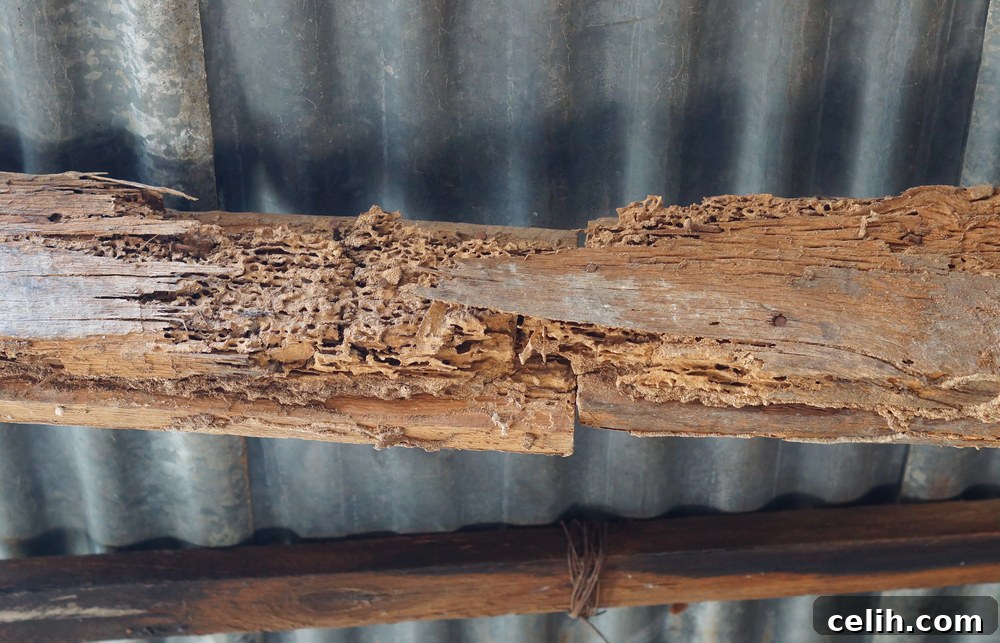
The extent of damage depends on how long an infestation goes undetected. Minor activity may be limited to a few boards, while severe infestations can compromise major structural elements. Termites can attack:
- Wall framing and roof timbers
- Floor joists and wooden flooring
- Skirting boards and window frames
- Decking, fence posts and timber sleepers
- Built-in cabinetry and furniture
In extreme cases, weakened load-bearing timbers can make floors sag or ceilings unstable, and repair costs escalate rapidly once removal of cladding or flooring is required to access damaged areas.
How Climate and Weather Patterns May Be Increasing Termite Risks
Changing climate and weather patterns are influencing termite distribution and activity. Warmer temperatures can allow certain species to survive in regions previously too cool, increasing the geographic range of risk. Wetter conditions, including prolonged rain and higher humidity, increase soil and timber moisture, creating environments termites prefer.
Milder winters reduce seasonal die-back, allowing colonies to persist and remain active for longer periods. For homeowners, this means vigilance is increasingly important—even in areas where termites were once rare. Regular inspections, moisture control and good maintenance practices are essential as environmental conditions shift.
Why Prevention Matters More Than Treatment

Waiting for visible damage before acting is a common and costly mistake. Preventative steps are usually much less expensive than major repairs. Simple, regular maintenance can greatly reduce risk.
Effective prevention measures include:
- Fix leaks promptly and keep plumbing in good repair
- Improve ventilation in damp or enclosed spaces
- Keep gutters clear and direct water away from the foundation
- Avoid storing timber or firewood against exterior walls
- Maintain proper drainage around the home
- Trim vegetation back from foundations and exterior cladding
- Seal cracks and gaps in foundation and external joins
- Arrange regular termite inspections in high-risk areas
Newer properties are not immune; if conditions are right, termites can affect homes of any age.
The Importance of Professional Inspections
Because termite activity is often hidden, professional inspections are key to early detection. Trained inspectors know where termites commonly hide and can spot subtle signs that homeowners may miss. They may use tools such as moisture meters or thermal imaging to locate infestations behind walls or under flooring.
Regular inspections provide reassurance and help identify problems early—especially important before buying a property, since visual appearance alone can be misleading.
The Emotional Side of Termite Damage
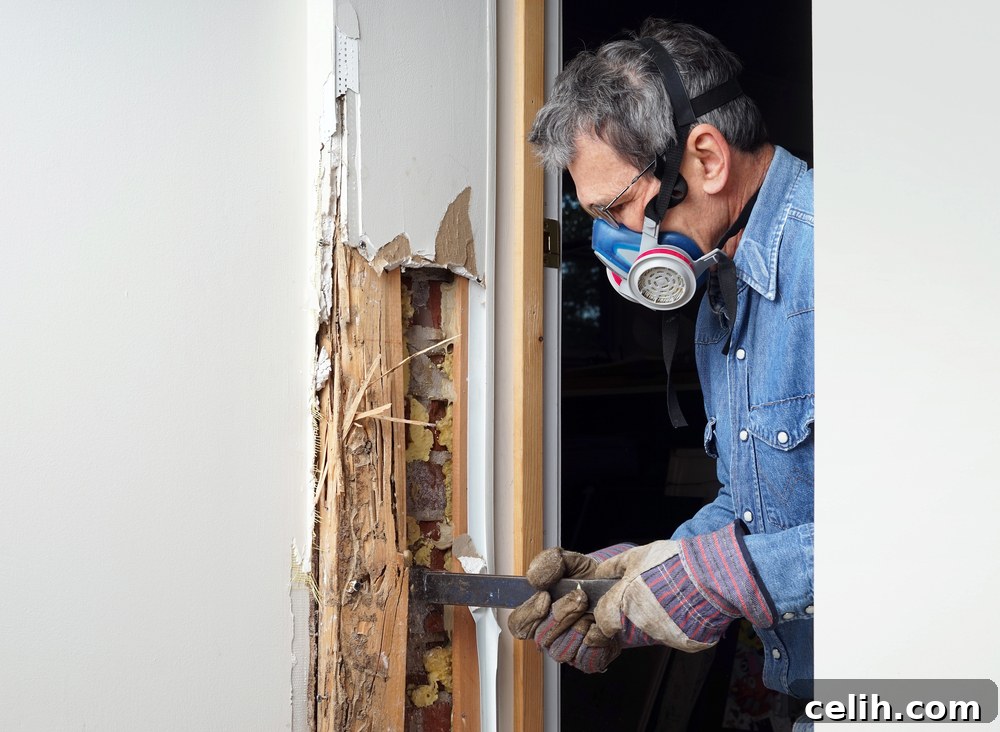
Beyond financial costs, termite damage often causes emotional stress. A home is a major investment, and discovering hidden structural problems can be upsetting. Many homeowners feel frustrated that damage developed without obvious warning, or regret overlooking small signs earlier on.
Education and awareness reduce that stress. Knowing the risks, checking for early signs and acting promptly help homeowners protect both their property and peace of mind.
Small Pest, Big Consequences
Termites are small but capable of great destruction. Their hidden feeding habits make them one of the most damaging household pests. The good news is that homeowners can take practical steps to minimize risk: control moisture, maintain the exterior of the property and schedule regular inspections. Early action almost always costs less than waiting until damage becomes obvious.