
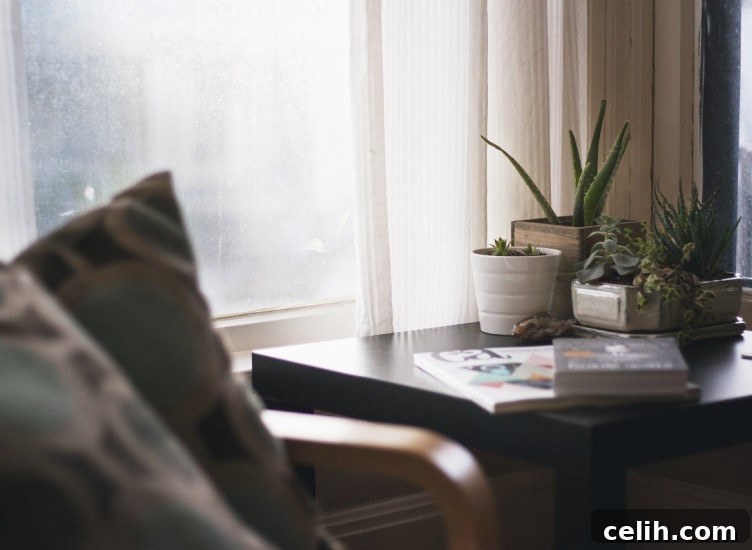
In an increasingly urbanized world, where concrete jungles often replace natural landscapes, a powerful movement is gaining significant traction: biophilic design. More than just a passing trend, this design philosophy seeks to reconnect us with the natural world, transforming our indoor spaces into havens of tranquility and productivity. If you’ve been hearing the term and wondering what it’s all about, you’re in the right place. We’re here to unravel the essence of biophilic design and guide you on how to seamlessly integrate its principles into your own environment, enhancing your well-being and daily life.
What Exactly is Biophilic Design? Unveiling the Connection to Nature
At its core, biophilic design is an innovative approach to architecture and interior design that incorporates nature and natural processes into the built environment. The term “biophilia” itself, coined by the renowned biologist Edward O. Wilson, translates from the Greek “bio” (life) and “philia” (love) as a fundamental human inclination to connect with nature and other living systems. It posits that humans have an innate need to affiliate with the natural world, a connection that has been crucial for our survival and well-being throughout evolutionary history.
While the concept isn’t entirely new, with roots dating back to the 1980s and even earlier ancestral practices of building in harmony with nature, its relevance has dramatically surged in modern times. Our contemporary lifestyles often involve spending up to 90% of our time indoors, frequently disconnected from natural light, fresh air, and the calming presence of greenery. This detachment from nature can have detrimental effects on our mental health, physical well-being, and overall quality of life. Biophilic design emerges as a powerful antidote, aiming to bridge this gap by intentionally bringing elements of nature into our homes, workplaces, and public spaces.
The philosophy goes beyond simply adding a few potted plants. It involves a holistic integration of natural textures, patterns, forms, light, and even sounds and scents to create environments that mimic natural ecosystems. The goal is to evoke a sense of calm, promote mental clarity, and foster a deeper, more profound connection with the natural world, even when we are physically indoors.
The Profound Benefits of Embracing Biophilic Design
The growing popularity of biophilic design isn’t merely aesthetic; it’s backed by a wealth of research highlighting its significant positive impacts on human health and performance. Incorporating nature into our indoor spaces can lead to a multitude of benefits:
- Enhanced Mental Well-being: Exposure to natural elements has been scientifically proven to reduce stress, anxiety, and mental fatigue. Biophilic spaces can promote feelings of tranquility, happiness, and overall emotional balance.
- Improved Cognitive Function: Studies show that environments rich in natural elements can boost concentration, creativity, and problem-solving abilities. This makes biophilic design particularly valuable in offices and educational settings, leading to increased productivity and better learning outcomes.
- Better Physical Health: From faster recovery rates in hospitals to reduced blood pressure and heart rate, the presence of nature can have tangible physiological benefits. It can also improve air quality, regulate circadian rhythms through natural light exposure, and even encourage physical activity.
- Reduced Absenteeism: In workplaces designed with biophilic principles, employees often report fewer sick days and higher job satisfaction, contributing to a healthier and more engaged workforce.
- Increased Sense of Connection: Fostering a connection to nature helps cultivate a greater appreciation for the environment, potentially encouraging more sustainable behaviors and a deeper sense of belonging.
Key Principles of Biophilic Design: A Framework for Connection
To effectively integrate biophilic design, it helps to understand its core principles, often categorized into distinct strategies:
1. Direct Connection with Nature
This involves the direct, physical presence of nature in a space. Examples include:
- Natural Light: Maximizing daylight exposure and views of the outdoors.
- Air and Ventilation: Ensuring fresh, clean air circulation and noticeable air movement.
- Water Features: Incorporating still or moving water elements like fountains or aquariums.
- Living Organisms: The presence of plants (potted, vertical gardens), and even animals (like fish).
- Weather and Climate: Experiencing the subtle changes of outdoor conditions indoors.
2. Indirect Connection with Nature
This category focuses on evoking nature through non-living elements and sensory experiences:
- Natural Materials: Using wood, stone, cork, bamboo, wool, and linen.
- Natural Colors and Patterns: Employing palettes found in nature (greens, blues, earthy tones) and patterns that mimic natural forms (e.g., fractals, organic curves).
- Biomimicry: Designing elements that mimic natural forms, structures, and processes.
- Views and Imagery: Incorporating art, photographs, or architectural features that depict nature.
- Natural Scents and Sounds: Introducing natural fragrances (essential oils) and sounds (gentle wind chimes, nature soundscapes).
3. Spatial Organization and Experience
This principle relates to how spaces are designed to create a sense of intrigue, safety, and connection, similar to how we might experience natural landscapes:
- Prospect: Providing unimpeded views over a distance, offering a sense of command and safety.
- Refuge: Creating a sense of retreat and protection within a space.
- Mystery: Designing spaces that partially obscure views, inviting exploration and discovery.
- Risk/Peril: Incorporating elements that suggest a natural thrill or perceived danger (like an infinity pool), safely.
Integrating Biophilic Design into Your Home: Practical Steps for a Nature-Infused Sanctuary
You don’t need a complete overhaul to introduce biophilic principles into your home. Many elements can be incorporated easily and affordably, creating immediate improvements in your living environment.
1. Embrace Natural Light as Your Foundation
Natural light is the cornerstone of biophilic design. Maximize the daylight entering your home by:
- Decluttering Windows: Remove heavy, bulky curtains or opt for sheer blinds, minimalist roller blinds, or light-filtering shades that allow maximum light penetration while maintaining privacy.
- Strategic Furniture Placement: Arrange your desk, favorite armchair, or dining area near windows to benefit from natural illumination and outdoor views.
- Reflective Surfaces: Use mirrors strategically placed opposite windows to bounce light deeper into rooms. Light-colored walls and ceilings also help reflect and amplify natural light.
2. Cultivate Green Spaces Indoors
Bringing living plants into your home is one of the most direct and effective ways to introduce biophilia:
- Potted Plants: Incorporate a variety of houseplants. Consider air-purifying plants like snake plants, peace lilies, or spider plants. Place them at eye level to enhance their visual impact.
- Vertical Gardens: For smaller spaces, a living wall or vertical planter can create a dramatic green statement.
- Terrariums and Dish Gardens: These miniature ecosystems offer a glimpse into nature’s complexity and require minimal maintenance.
- Herbs and Edibles: Grow an indoor herb garden in your kitchen for both aesthetic and practical benefits.
3. Introduce Water Elements and Natural Sounds
The gentle presence of water can be incredibly soothing:
- Indoor Fountains: Small, tabletop water fountains provide a tranquil auditory experience and add a visual focal point.
- Aquariums: A well-maintained fish tank reconnects you with aquatic life, offering a calming, meditative presence.
- Nature Soundscapes: Incorporate subtle nature sounds, such as birdsong or gentle rain, through smart speakers or dedicated sound machines.
4. Curate with Natural Materials
Opt for materials that evoke the earth’s textures and forms:
- Wood: Flooring, furniture, and decorative accents in natural, untreated wood bring warmth and organic appeal.
- Stone: Countertops, decorative pebbles, or stone wall features ground a space.
- Fibers: Use textiles made from linen, cotton, wool, jute, rattan, or bamboo for rugs, cushions, and upholstery. These materials offer tactile richness and breathability.
- Terracotta and Clay: Planters and decorative objects made from these natural clays add an earthy touch.
5. Opt for Organic Shapes and Textures
Move away from sharp, rigid lines and embrace the fluidity of nature:
- Furniture: Choose furniture with curved edges, rounded forms, and soft silhouettes.
- Art and Decor: Select art that depicts natural landscapes or abstract organic patterns. Vases, sculptures, and decorative objects with irregular, natural shapes are ideal.
- Tactile Richness: Incorporate various textures through throws, cushions, and rugs to engage the sense of touch.
6. Choose a Soothing Colour Palette
Draw inspiration from the colours found in nature:
- Greens and Blues: These colors are known for their calming and restorative properties.
- Earthy Tones: Beiges, browns, terracotta, and soft grays create a grounded and natural backdrop.
- Subtle Accents: Use brighter floral or autumnal hues sparingly for pops of natural vibrancy.
7. Enhance Air Quality and Flow
The sensation of fresh, clean air is vital for well-being:
- Open Windows: Even for a few minutes each day, opening windows allows fresh air to circulate, creating a feeling of lightness and focus.
- Air-Purifying Plants: As mentioned, many plants naturally improve indoor air quality.
- Indoor Air Purifiers: For areas with poor outdoor air quality, a good air purifier can supplement natural ventilation.
8. Create Inspiring Views
Even if you don’t have a sprawling garden, you can curate a pleasant view:
- Window Boxes and Balcony Gardens: Plant hardy, low-maintenance species like yarrow, echinacea, or hostas that provide greenery and flowers for much of the year.
- Indoor Vistas: Arrange your indoor plants or nature-inspired art to create appealing “views” within your room.
9. Embrace Biomimicry and Natural Patterns
Look for designs that subtly echo nature’s own engineering and aesthetics:
- Organic Patterns: Textiles or wallpapers featuring patterns like leaves, wood grain, or subtle fractal designs.
- Structural Inspiration: Furniture or light fixtures that mimic natural forms, such as branches or beehives.
Beyond the Home: Biophilic Design in Other Environments
While we’ve focused on the home, biophilic design principles are increasingly being applied in diverse settings. Large corporations like Amazon and Google integrate nature into their offices to boost employee productivity and well-being. Healthcare facilities use biophilic elements to aid patient recovery, and educational institutions are finding that classrooms with natural light and plants improve student engagement and learning outcomes. This widespread adoption underscores the universal human need for connection with nature.
A Trend with Enduring Value
Trends often come and go, but biophilic design stands apart. It’s not just about aesthetics; it’s about re-establishing a fundamental connection that our modern lives have often overlooked. By intentionally bringing nature indoors, we create spaces that not only look beautiful but also actively nurture our physical and mental health. This philosophy offers a sustainable path to designing environments that support human flourishing and a deeper appreciation for the natural world. So, whether you start with a single plant or a full room transformation, embracing biophilic design is an investment in your well-being that truly deserves to last.
Image credits: Pixabay