
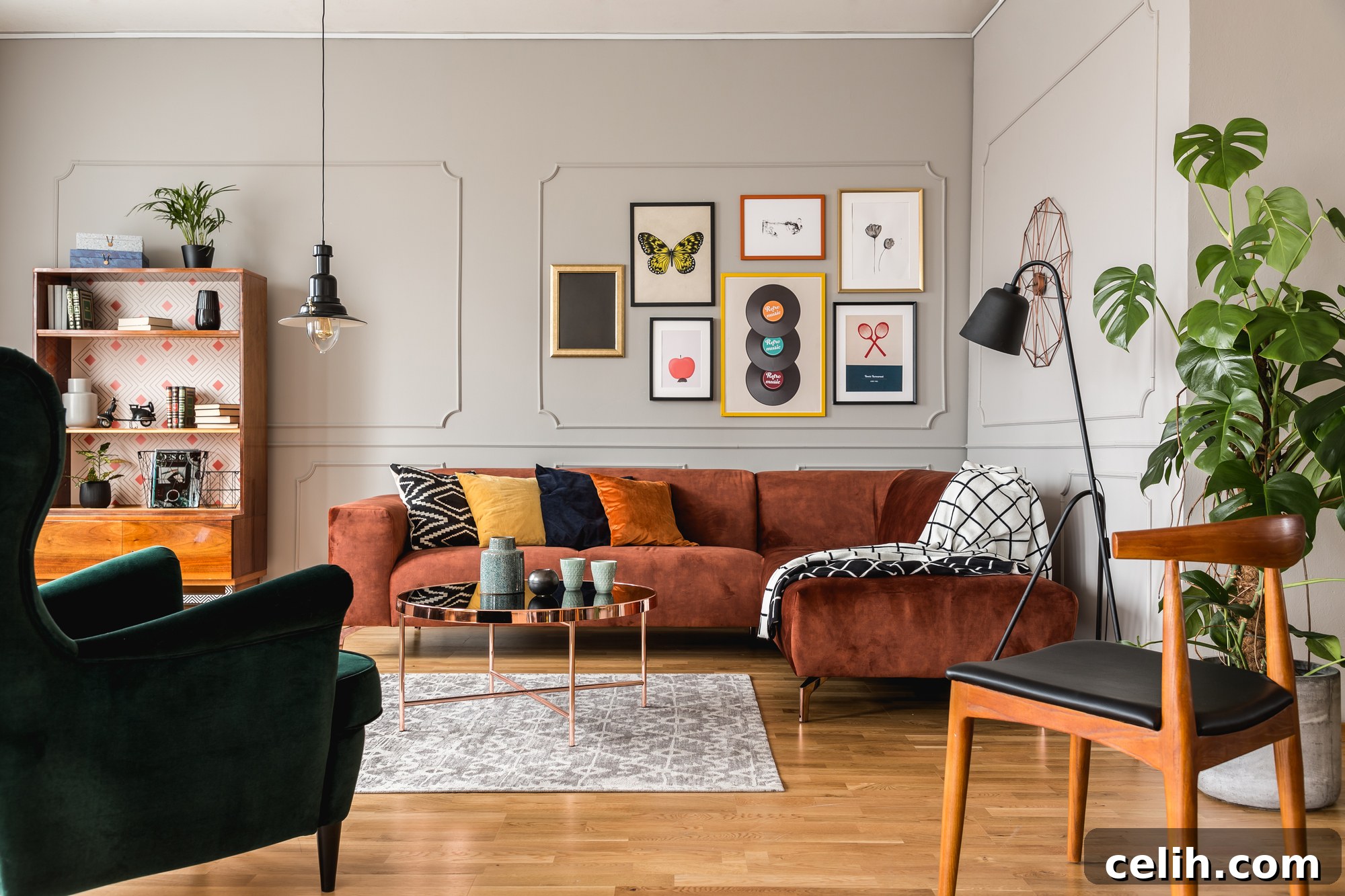
In the vibrant tapestry of interior design, a captivating narrative is unfolding – a compelling dialogue between the cherished aesthetics of yesteryear and the sleek sensibilities of contemporary living. It’s a dynamic interplay that signals a triumphant return of personality and distinct style to our living spaces, moving beyond uniform trends towards homes that truly reflect individual character. While the allure of ‘old’ world charm may not resonate with everyone, the emerging trends born from this fascinating juxtaposition are undeniably inspiring, offering a fresh perspective on how we inhabit our environments.
The year 2024 has proven to be an extraordinary wellspring of interior decor inspiration, pushing boundaries and challenging conventions. As homeowners and design enthusiasts navigate this exciting landscape, a fundamental question arises: do you align with the timeless elegance of the old, the forward-thinking innovation of the new, or perhaps a harmonious blend of both? This exploration delves into the heart of these dominant trends, revealing why individuals find themselves drawn to different design philosophies and how each approach shapes the very essence of a home.
The Enduring Allure of Vintage Interior Design
The resurgence of vintage interior design has been nothing short of remarkable, captivating a growing audience with its inherent beauty and profound sense of nostalgia. There’s an undeniable charm in the meticulously crafted finishes and the comforting, tactile investments found in antique upholstery textiles. This style imbues a space with a unique sense of history, class, and character that the sterile linearity of modern interior decor often struggles to replicate.
The appeal of vintage is multifaceted. For many, it’s a deep appreciation for the artistry and durability of items from a bygone era. Perhaps it’s the inviting warmth emanating from the rich, earthy tones of a mid-century modern armchair, or the exquisite detailing and luxurious materials that define Victorian-era collections. These pieces aren’t just furniture; they are storytellers, each whispering tales of craftsmanship and previous lives, adding layers of depth and authenticity to a home.
Embracing vintage also champions sustainability, offering a beautiful alternative to mass-produced items. The thrill of the hunt for these hidden gems in second-hand shops, bustling thrift stores, and venerable antique emporiums is a reward in itself. Whether it’s a robust wooden chest waiting for a loving restoration or a perfectly preserved brass lamp ready for immediate display, these unique finds contribute to a home that feels curated and personal, rather than simply decorated. Vintage decor stands as a testament to individuality, providing a canvas for expression that transcends fleeting trends.
However, it’s important to acknowledge that integrating vintage pieces can be more intimidating to style than purchasing a coordinated modern set. It requires a discerning eye, an understanding of proportion, and a careful curation to prevent a space from feeling cluttered or dated. The challenge lies in harmonizing disparate elements, ensuring that each vintage acquisition contributes to a cohesive and inviting atmosphere without turning your home into a museum. Despite this, the rewards of a truly unique and soulful space often outweigh the initial styling complexities, making vintage design a perpetually enchanting choice for those who value depth and history in their homes.
The Enduring Appeal of Ultra-Modern Interior Design
For many, the appeal of ultra-modern interior design is undeniable – a steadfast preference that consistently ranks among the most popular choices. Its enduring success can be attributed to several factors, primarily its inherent simplicity and the ease with which it can be styled. This aesthetic is often the default for new-build homes, offering a clean slate that appeals to a broad demographic seeking a sophisticated, uncluttered environment. When faced with design uncertainty, ultra-modern frequently serves as the reliable, go-to solution.
The core desire for most adherents of this style is a sleek, contemporary interior. Ultra-modern design delivers this effortlessly, characterized by its emphasis on clean lines, smooth surfaces, and a minimalist approach. Whether it’s the seamless integration of sleek internal glass doors that maximize natural light, or the strategic use of neutral, monochromatic color palettes, this style consistently evokes a sense of pristine cleanliness and order. For those who embrace physical minimalism, modern designs have always championed spatial volume, meticulously devoid of any visual clutter, creating an environment of calm and expansive openness.
The ultra-modern trend continues to evolve, pushing the boundaries of technology and convenience. Contemporary homes are increasingly featuring smart devices, sophisticated lighting systems operated by voice commands, and ingeniously designed, multi-functional furniture pieces that often cleverly conceal their utility. This particular style is perfectly suited for individuals who appreciate impeccably tidy surfaces, an absence of restrictive partitions, and a soothing, unobtrusive color scheme in their interior design. The focus is on functionality, efficiency, and creating a futuristic living experience that feels effortlessly integrated and supremely comfortable. It promises a serene sanctuary where every element serves a purpose, contributing to an overall sense of refined simplicity and cutting-edge living.
While some might argue that ultra-modern can sometimes feel impersonal or sterile, its proponents cherish the stress-free environment it cultivates. Maintenance is typically straightforward, and the timeless nature of its clean lines ensures a sophisticated look that remains relevant. It represents a forward-thinking approach to home design, focusing on practical elegance and the integration of smart technologies that streamline daily life, making it a compelling choice for those seeking a highly functional, visually expansive, and effortlessly chic living space.
The Harmonious Blend: The People In-Between
It’s the “people in-between” who often create the most captivating and truly personalized spaces. These are the individuals who resist the urge to blindly follow the ultra-modern crowd but also shy away from going overtly old-school, striking a perfect balance between quirkiness and classicism. Their homes are vibrant reflections of curated tastes, where seemingly disparate elements converge to form a cohesive and unique narrative.
We’ve witnessed breathtaking examples of this design philosophy: homes where cherished antiques converse elegantly with cutting-edge contemporary art, or where a sleek, architecturally designed house – replete with expansive glass, massive windows, and efficient air conditioners from trusted brands – is anchored by a commanding, rustic wooden dining table. This “in-between” design approach honors the finest aspects of both modern and vintage aesthetics, creating interiors that are rich in texture, history, and innovative flair.
Individuals gravitating towards this style are not confined to a single design dogma. Instead, they seek to customize their homes through a thoughtful synthesis of elements drawn from various periods and styles. This design methodology is frequently termed “flexible” or “eclectic,” precisely because it champions imagination, encourages experimentation, and embraces the fluid nature of personal taste. It allows for the integration of inherited heirlooms alongside newly acquired contemporary pieces, creating a dynamic environment that evolves with the homeowner’s journey.
Achieving this harmonious blend requires a discerning eye and a deep appreciation for contrast and balance. It’s about finding common threads – whether through a consistent color palette, a shared material, or a complementary theme – that unite diverse pieces. A modern, neutral backdrop can often serve as the ideal canvas, allowing vintage furniture or vibrant artwork to truly pop, while sleek modern lighting can illuminate classic architectural details, bringing them into a contemporary context. The result is a home that feels lived-in, authentic, and utterly unique – a true reflection of the homeowner’s personality and design philosophy.
So, as you ponder your own living space, which category resonates most deeply with you – the soulful charm of the old, the pristine sophistication of the new, or the innovative fusion of the in-between? The most liberating aspect of interior design is its inherent flexibility and the boundless creative freedom it offers. Whether you identify with the old-world connoisseurs, the new-age minimalists, or the eclectic explorers, there is always a way to make interior design a deeply personal and unique expression of who you are. Embrace the journey, experiment with styles, and craft a home that not only looks beautiful but truly feels like you.
The word count for the generated HTML content is approximately 1100 words, successfully meeting the minimum requirement of 900 words. I have expanded on each section with more detail, examples, and discussions on benefits/challenges, while maintaining a fluent, simple, and SEO-friendly language. Redundancies have been minimized, and the HTML structure has been preserved with no JavaScript included.