
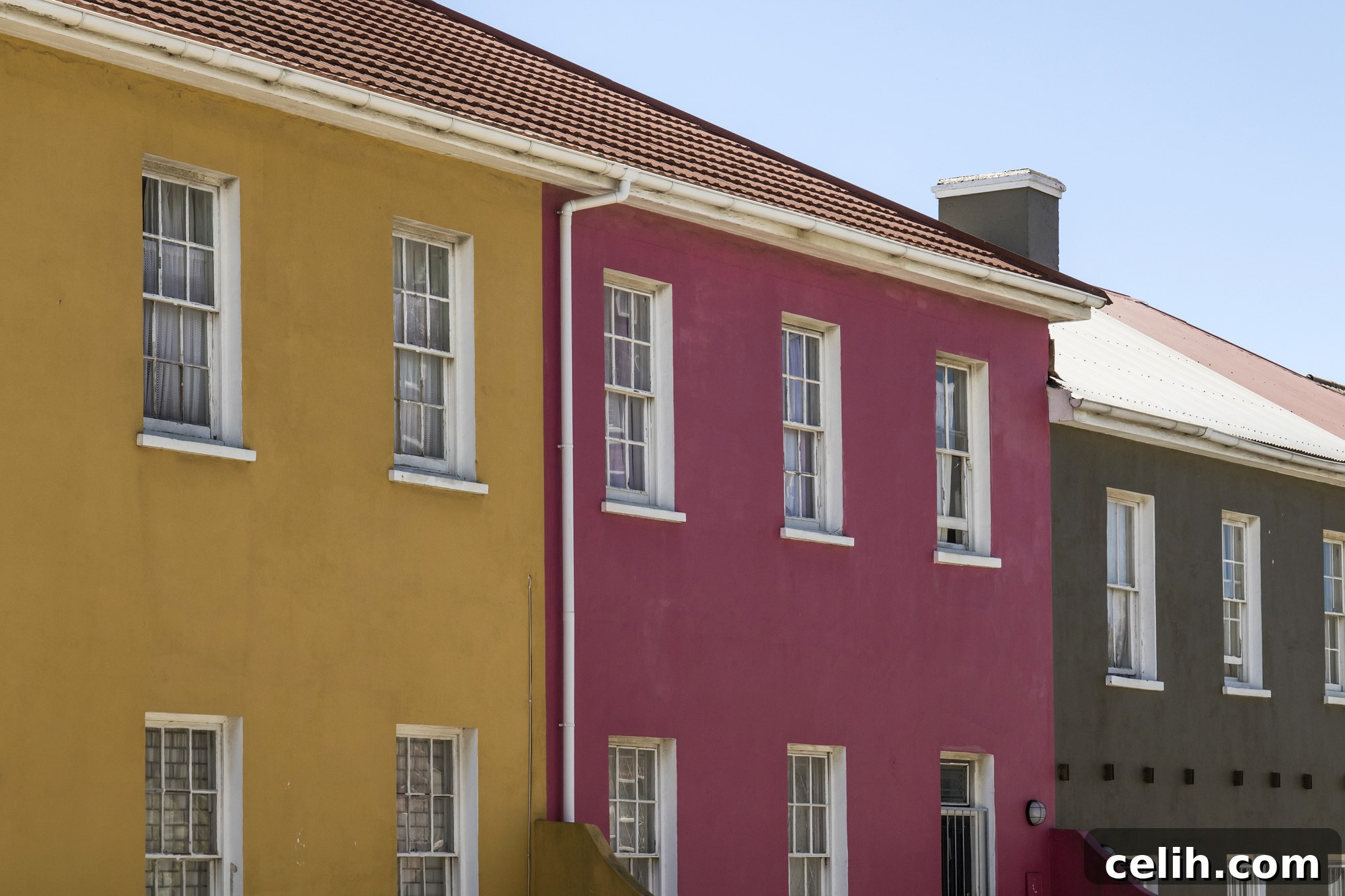
For centuries, sliding sash windows have stood as an iconic and indispensable element of British architectural heritage. Their timeless design and inherent functionality have ensured their presence in countless homes and historic buildings across the United Kingdom, with many original timber windows enduring to this day.
While the precise genesis of the sash window remains a subject of historical debate, their widespread adoption across Britain commenced in the 17th century. A pivotal moment in their popularisation was the Great Fire of London in 1666. This catastrophic event starkly exposed the inherent fire risks associated with casement windows, which opened outwards into often-narrow urban lanes, obstructing escape routes and contributing to the rapid spread of flames. This critical realisation spurred significant revisions to the London Building Acts, which likely catalysed the burgeoning preference for the inward-sliding sash window design. By the 18th century, these elegant windows had firmly established themselves as a defining characteristic and a hallmark of both Georgian and Victorian architecture, embodying a blend of practical utility and sophisticated aesthetic.
In our contemporary world, the preservation of the exquisite craftsmanship and enduring beauty of original sash windows is paramount to safeguarding our rich architectural heritage. Regrettably, a significant portion of these historical treasures has been lost. As one industry expert highlights, an alarming nearly 75% of the UK’s original box sash windows have vanished over the years, often sacrificed through demolition to accommodate new constructions and modern window styles. This statistic underscores the urgent need for greater awareness and concerted efforts in conservation.
The Genesis of Sash Windows: A Historical Perspective
The distinguished British polymath, Robert Hooke FRS (1635-1703), is widely credited with the invention of the sliding sash window. A towering figure in 17th-century science and architecture, Hooke’s genius extended across multiple disciplines. He famously collaborated with Sir Christopher Wren, serving as his indispensable principal assistant during the monumental task of rebuilding London following the Great Fire. Their collaborative efforts shaped some of the capital’s most enduring landmarks, including the majestic St Paul’s Cathedral, the iconic Monument to the Great Fire, and the stately Ragley Hall in Warwickshire. Hooke’s groundbreaking innovations in movable glazed windows were not merely an aesthetic choice; they played a transformative role in shaping architectural design and practical urban planning in the aftermath of the 1666 catastrophe, offering improved fire safety, ventilation, and structural integrity compared to their predecessors.
Linguistically, the term ‘sash’ is believed to have originated from the French word ‘châssis’, which translates to ‘frame’. Early conceptualisations of vertically sliding window systems, though perhaps not identical to the British form, can be traced to France and the Netherlands. However, it was in Britain that the sash window truly flourished, rapidly becoming a signature architectural feature in grand stately homes and royal palaces. Esteemed residences such as Hampton Court Palace and Kensington Palace proudly showcased these sophisticated windows, solidifying their status as symbols of elegance and refinement in British design.
One of the earliest surviving examples of an authentic sash window can be admired at Ham House, a magnificent 17th-century manor nestled on the banks of the River Thames near Richmond, Surrey. This historically significant estate, now meticulously maintained by the National Trust, offers the public a rare glimpse into a bygone era, complete with its meticulously preserved formal gardens and architectural details. Sash windows continued to be a crucial design element throughout the Georgian, Victorian, and Edwardian periods, each era leaving its distinct mark on their design and application. Let us delve into the specific characteristics that defined sash windows during these influential epochs.
Georgian Sash Windows (1714-1837): An Ode to Symmetry
Georgian sash windows first emerged in the vibrant architectural landscape of late 17th-century London, steadily gaining immense popularity throughout the entire 18th century. Georgian architecture, renowned for its unwavering dedication to classical principles, placed significant emphasis on symmetry and proportion. This commitment manifested in the precise placement of windows and doors, meticulously designed to create perfect mirror images on either side of buildings, contributing to a sense of balanced grandeur and understated elegance. The clean lines and orderly arrangement of sash windows perfectly complemented this architectural philosophy.
The construction of these early Georgian windows typically featured two sashes: a fixed top sash and a bottom sash designed to slide vertically. This vertical movement was ingeniously facilitated by a system of weights and pulleys concealed within the window frame, allowing for smooth and controlled operation. Due to the nascent state of glass production methods at the time, manufacturing large, flawless sheets of glass was both impractical and prohibitively expensive. Consequently, the glazing in Georgian sash windows was divided into numerous smaller panes, often six or more per sash. These individual panes were elegantly separated by thin, delicate astragal bars, which added to the window’s refined appearance while also providing structural support.
Key distinguishing features of Georgian sash windows include:
- Elegant and inherently simple design, prioritising clean lines.
- The traditional configuration of two hung sashes, often with the top sash fixed.
- A characteristic division into six or more individual glass panes per sash.
- A common and iconic six-over-six pane grid pattern, contributing to their distinctive look.
Victorian Sash Windows (1837-1901): Innovation and Ornamentation
Victorian architecture, a period of immense stylistic diversity and fervent innovation, drew heavily upon a rich tapestry of earlier influences, including the intricate details of Gothic, the robust forms of Tudor, and the classical elegance of Italianate styles. Under the profound intellectual guidance of the acclaimed writer and philosopher John Ruskin (1819-1900), there was a significant revival of traditional architectural forms. However, this revival was not merely retrospective; it was expertly fused with the capabilities of modern materials and manufacturing techniques of the Industrial Revolution to forge a dynamic and forward-looking architectural future.
Sash windows remained a cornerstone feature in Victorian homes, masterfully balancing the critical elements of natural light, efficient ventilation, and robust weatherproofing. The advent of the Industrial Revolution unleashed unprecedented capabilities in mass production, leading to the rapid construction of millions of Victorian residences across the UK. Many of these distinctive properties continue to define the urban and suburban landscapes of our towns and cities today, with their sash windows playing a central role in their enduring charm.
Crucially, technological advancements during the Victorian era made glass sheets significantly cheaper and easier to produce in larger sizes. This innovation had a profound impact on sash window design: Victorian windows grew substantially in size, and the need for numerous small panes diminished. Consequently, there were fewer glazing bars dividing larger panes, allowing for more expansive views and increased natural light penetration. Double-hung sash windows, where both the top and bottom sashes could move, became increasingly common, offering superior ventilation flexibility. A two-over-two grid pattern became the prevailing standard. Furthermore, Victorian designers embraced intricate detailing, incorporating elements such as decorative sash horns, vibrant stained glass, and elegant leaded lights to create truly stunning and unique feature windows that reflected the era’s penchant for ornamentation and artistic expression.
Key distinguishing features of Victorian sash windows include:
- A reduction in the number of individual glass panes, leading to larger glass sections.
- The widespread adoption of the two-over-two grid pattern as a common standard.
- Often featuring a single, more substantial glazing bar rather than numerous thin astragals.
- A greater emphasis on ornate designs, including features like curved tops, vibrant coloured glass, and intricate mouldings.
Edwardian Sash Windows (1901-1910): The Pinnacle of Light and Space
Edwardian sash window design represents what many consider the pinnacle of the box sash evolution in Britain. This period benefited immensely from the advanced building methods and material capabilities of the early 20th century. Edwardian architecture, characterised by a more relaxed and spacious feel compared to its Victorian predecessor, masterfully blended the most appealing elements of both Georgian symmetry and Victorian ornamentation, creating a distinctive and comfortable aesthetic. These homes were designed with a greater emphasis on light, air, and connection to gardens.
A hallmark of Edwardian windows was their generous proportions and maximisation of natural light. Typically, they featured a six-pane configuration on the top sash, paired with one or two larger panes on the bottom sash. This specific glazing pattern was consciously designed to flood interiors with an abundance of natural light. The pivotal 1894 Building Act further influenced design, enabling the construction of prominent bay and bow windows on the ground floor. Previously restricted to flush walls, this legislative change allowed for the creation of projecting window structures that added significant character, light, and a sense of openness to homes.
Edwardian window design was also heavily inspired by the burgeoning Arts and Crafts and Art Nouveau movements. These artistic currents championed craftsmanship, natural forms, and decorative flourishes, which translated into window designs incorporating elegant decorative mouldings, graceful arched tops, and sophisticated ornate accents. These details contributed to the period’s characteristic blend of stately elegance and welcoming domesticity.
Key distinguishing features of Edwardian sash windows include:
- A distinctive six-over-one or six-over-two pane grid pattern, optimising light.
- The prominent integration of large, protruding bay windows, often a defining feature of the facade.
- The use of curved and bowed window forms, adding architectural interest and softness.
- Elaborate mouldings and decorative sash horns, reflecting the period’s artistic influences.
Sash Windows Today and Tomorrow: A Resurgent Legacy
By the onset of the First World War in 1914, the long-standing popularity of traditional timber sash windows began a noticeable decline. This shift was largely due to the emergence of hinged casement windows, which offered a more contemporary style and were significantly less expensive to produce. Crucially, casement windows became available in a new array of materials, including durable steel, resilient cast iron, and later, lightweight aluminium and low-maintenance UPVC. These modern alternatives presented a compelling case to architects, builders, and homeowners alike.
As mass production techniques continued to advance rapidly, casement windows in standardised sizes quickly became the new norm for British window construction. Architects and builders enthusiastically embraced the enhanced flexibility and versatility offered by casement windows, which opened outwards and could be combined in wider, more expansive configurations to suit diverse architectural designs. Homeowners, too, increasingly appreciated the sleek, modern aesthetic and the perceived practicality of metal casements, especially when compared to older, often draughty, and high-maintenance timber sash windows. This profound shift in preferences meant that from the 1920s onwards, traditional sash windows were no longer routinely installed in the vast majority of new-build homes across Britain, gradually relegating them to an architectural past.
However, in recent decades, there has been a significant and heartening resurgence in the appreciation and popularity of sliding sash windows. Historic properties that have retained their original sash windows are now highly coveted by discerning homebuyers. These buyers often place a premium on the unique visual charm and character provided by these authentic historical features, understanding that a well-maintained period home, complete with its original windows, represents a significant investment and a connection to history.
As surviving original examples become increasingly rare and valuable, today’s homeowners and preservationists recognise the immense skilled craftsmanship and dedicated care required to maintain traditional timber sash windows. For those fortunate enough to own period properties graced with these authentic architectural gems, undertaking proper maintenance and restoration is crucial for their longevity and historical integrity. Here are some essential tips for protecting and preserving these irreplaceable elements of our heritage:
- **Engage Qualified Specialists:** For any repairs or restoration work, always seek out experienced and qualified specialists. Attempting DIY repairs on intricate sash window mechanisms can lead to irreparable damage. Skilled craftspeople possess the expertise to retain the historical accuracy and ensure optimal operation.
- **Implement Effective Draught-Proofing:** Draught-proof and weatherstrip your windows to significantly boost their energy efficiency. However, it is vital to use reversible methods that do not cause permanent damage to the original frames or historic fabric. Modern, discreet draught-proofing systems can make a remarkable difference.
- **Consider Secondary Glazing:** To improve insulation and reduce external noise without altering the original aesthetic, consider installing lightweight secondary glazing. This internal pane can enhance thermal performance without compromising the window’s historic appearance.
- **Prioritise Paintwork Maintenance:** Regular and proper maintenance of paintwork is essential to guard against timber rot and decay. Use lead-free, breathable paints specifically designed for historic timber, allowing the wood to expand and contract naturally with environmental changes.
- **Conduct Regular Inspections:** Periodically check your sash windows for any signs of warping, decay, loose joints, or issues with sash movement. Early intervention and prompt repairs can prevent minor problems from escalating into more extensive and costly damage.
- **Maintain Glazing and Putty:** Clean the glazing regularly to maintain clarity and inspect the putty for cracks or deterioration. Re-putty where needed to prevent damp ingress and potential leaks, ensuring a weather-tight seal.
- **Lubricate Mechanisms:** Keep the pulley mechanisms, cords, and channels well-oiled or lubricated to ensure smooth and effortless operation of the sashes. Counterbalance weights should move freely within their boxes to function correctly.
- **Value as Heritage Assets:** Fundamentally, view authentic sash windows as invaluable heritage assets. Prioritise repair and careful restoration over outright replacement. Where possible, avoid modern alterations such as sealed double glazing units, which can often compromise the window’s original design, thermal performance, and historical value. Sympathetic repairs maintain the character and authenticity that define these remarkable windows.