
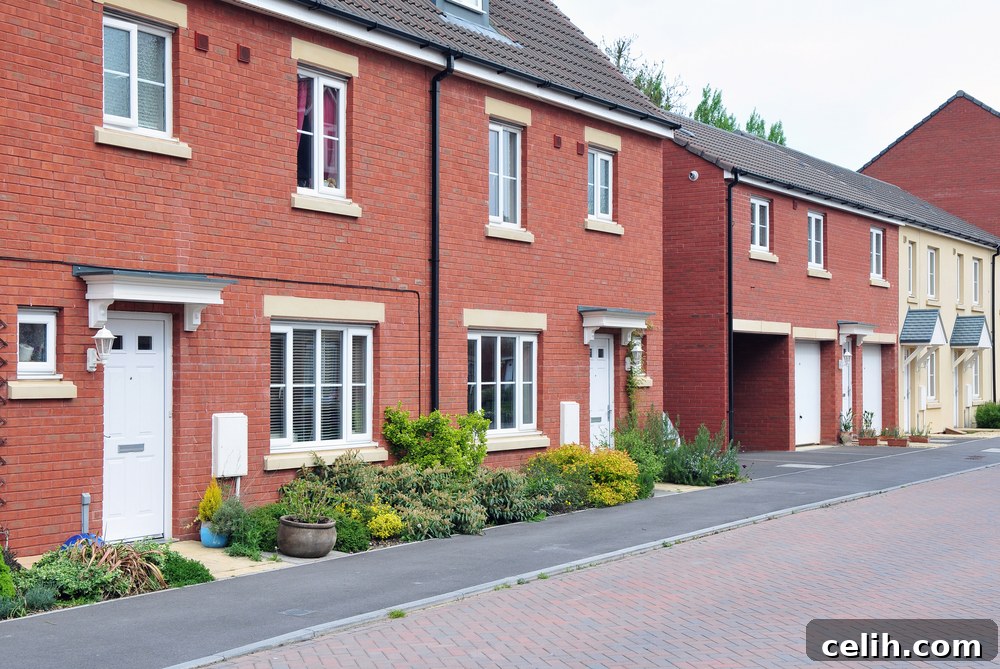
Embarking on the journey of buying your first home is an incredibly significant milestone, often marking a pivotal moment of independence and future planning. It’s a prospect brimming with excitement, anticipation, and the promise of creating a personal sanctuary. For many, stepping onto the property ladder represents a lifelong dream realized. However, this life-changing decision comes with its complexities, demanding meticulous preparation, careful consideration, and a clear understanding of the process. While the idea of owning your own space can be exhilarating, navigating the real estate market, securing financing, and handling legalities requires more than just enthusiasm – it requires insight. Drawing from the experiences of countless homeowners who have walked this path before, both with triumphant successes and valuable lessons learned, we’ve compiled a comprehensive guide to help first-time buyers confidently approach this monumental purchase. These practical tips and essential advice are designed to empower you with the knowledge needed to make informed decisions and transform your home-buying dream into a smooth and successful reality.
Laying the Financial Foundation: Securing Your Deposit and Understanding All Costs
One of the most critical initial steps in buying your first home is ensuring you have a substantial deposit readily available. It is exceptionally rare for individuals to purchase a property outright, especially for a first home, unless they’ve achieved extraordinary financial success or received a significant inheritance. For the vast majority, a robust deposit is the fundamental key that unlocks access to the property ladder. The size of your deposit directly influences the loan-to-value (LTV) ratio of your mortgage, which in turn can affect the interest rates offered by lenders – generally, a larger deposit means a lower LTV and potentially more favorable mortgage terms.
Saving for a house deposit requires discipline and strategic financial planning. Consider various savings avenues, such as high-interest savings accounts, government-backed savings schemes (if available in your region), or even consulting a financial advisor to help structure your savings plan effectively. Setting clear, achievable goals and regularly reviewing your progress can keep you motivated throughout this crucial saving period.
However, it’s imperative to understand that the deposit is just one component of the total financial outlay involved in purchasing a home. Beyond the down payment, a myriad of other expenses will arise, all of which need to be thoroughly factored into your overall budget. Overlooking these additional costs can lead to unexpected financial strain and disrupt your home-buying plans. Here’s a breakdown of the typical extra expenses you should anticipate:
- Stamp Duty or Transfer Tax: Depending on your location and the property’s value, you may be liable for stamp duty land tax or a similar transfer tax. This is a government tax levied on property purchases and can represent a significant sum. Research the current thresholds and rates applicable in your area.
- Legal Fees (Conveyancing): You will need to appoint a solicitor or conveyancer to handle all the legal aspects of transferring ownership of the property. Their fees cover services like property searches, drafting contracts, handling land registry documents, and ensuring all legal requirements are met. These fees can vary, so it’s wise to obtain several quotes.
- Survey Fees: While not legally mandatory, obtaining an independent property survey is highly recommended. A survey can uncover potential structural issues, defects, or future maintenance concerns that might not be obvious during a viewing. Different types of surveys are available, from basic valuation reports to more comprehensive building surveys, each offering varying levels of detail.
- Mortgage Arrangement Fees: Some mortgage products come with arrangement or product fees, which are essentially charges for setting up the mortgage. These can sometimes be added to the mortgage itself, but paying them upfront can reduce your loan amount.
- Valuation Fee: Your mortgage lender will typically require a valuation of the property to ensure it’s worth the amount you’re borrowing. This fee is usually paid by the buyer.
- Removal Costs: Don’t forget the practicalities of moving. Hiring a removal company, purchasing packing materials, and even potential storage solutions can add up.
- Initial Renovation and Decoration: Even if your new home is in good condition, you’ll likely want to personalize it with new paint, carpets, or minor repairs. Allocate a budget for these immediate post-move-in expenses.
- Insurance: You’ll need buildings insurance in place from the day of exchange (or completion, depending on your mortgage terms) to protect the property itself. Contents insurance, life insurance, and mortgage protection insurance are also important considerations.
By meticulously calculating all these potential costs, you can establish a realistic budget, ensuring you’re financially prepared for every stage of your first home purchase. This foresight will prevent unwelcome surprises and allow you to embark on homeownership with greater peace of mind.
Smart Mortgage Shopping: Finding the Right Home Loan for You
Securing the right mortgage is arguably the most pivotal financial decision you’ll make when buying your first home. It’s a long-term commitment that will directly impact your monthly outgoings for years, if not decades. Therefore, a hasty decision can have significant financial repercussions. The market is saturated with various lenders and an array of mortgage products, each with different interest rates, terms, and conditions. To ensure you secure a deal that genuinely aligns with your financial circumstances and future goals, it is absolutely essential to shop around for your mortgage.
One primary approach is to engage with a qualified mortgage broker. These professionals act as intermediaries, having access to a wide spectrum of lenders and their exclusive deals, many of which might not be advertised directly to the public. A reputable mortgage broker will assess your financial situation, understand your eligibility, and recommend products that best suit your needs. They can explain complex terms, simplify the application process, and even help you navigate paperwork. Their expertise can save you considerable time, effort, and potentially money in the long run. They are particularly invaluable for first-time buyers who may be unfamiliar with the intricacies of the mortgage market.
Alternatively, you can choose to approach lenders directly. This requires diligent personal research, comparing interest rates, product fees, early repayment charges, and the overall total cost of different mortgage options from various banks and building societies. Many online comparison tools can help you get an initial overview, but always delve deeper into the specific terms and conditions of each offer. Understanding the difference between fixed-rate mortgages (where your interest rate remains constant for a set period) and variable-rate mortgages (where your interest rate can fluctuate with market changes) is crucial in deciding which offers more financial stability or flexibility for your situation.
Before you even begin seriously looking at properties, it’s highly advisable to obtain an ‘Agreement in Principle’ (AIP) or ‘Decision in Principle’ (DIP) from a lender. This is a provisional offer from a mortgage provider stating how much they might be willing to lend you based on an initial assessment of your finances. An AIP is not a binding offer but provides you with a realistic budget and demonstrates to estate agents and sellers that you are a serious and credible buyer, which can be a significant advantage in competitive markets.
Crucially, your credit score plays a vital role in mortgage approval and the interest rates you’ll be offered. Lenders use your credit report to assess your financial reliability. Take steps to improve your credit score well in advance of applying for a mortgage: ensure you’re on the electoral roll, pay bills on time, reduce existing debts, and avoid making multiple credit applications in a short period. A strong credit profile will not only increase your chances of approval but also qualify you for more attractive rates, leading to lower monthly repayments over the life of your loan.
Patience is Key: Don’t Rush the Home-Buying Process
The journey to homeownership is often described as a marathon, not a sprint. One of the most common pitfalls for first-time buyers is succumbing to pressure and rushing the process. It’s imperative that you do not allow yourself to be hurried into making decisions you’re not entirely comfortable with. Estate agents, while serving a valuable role, are ultimately working for the seller and may try to expedite a sale. It’s crucial to remember that you are the buyer, and your interests must come first.
Take ample time to visit multiple properties, even those you might initially dismiss. Each viewing offers an opportunity to refine your understanding of what you truly want and need in a home. Pay close attention not just to the aesthetics, but also to the property’s structural integrity, the age and condition of major systems (plumbing, electrical, heating), and potential future maintenance requirements. Don’t hesitate to ask questions, take photos, and even revisit properties that particularly interest you. Bringing a trusted friend or family member with you can also provide a fresh perspective and spot details you might have missed.
The decision-making process extends beyond the property itself. Every choice, from selecting your mortgage provider and solicitor to negotiating the offer price, deserves careful consideration. Research the neighborhood thoroughly – beyond just the property boundaries. Investigate local amenities, schools, transport links, crime rates, and future development plans. A vibrant community and convenient location can significantly enhance your living experience, while overlooked issues could lead to dissatisfaction down the line.
During negotiations, don’t be afraid to make a considered offer, even if it’s below the asking price, especially if a survey reveals issues or if the property has been on the market for an extended period. Be prepared to walk away if the terms aren’t right, or if your gut feeling tells you something isn’t quite right. Settling for a property that doesn’t meet your core needs or one that comes with unforeseen problems can lead to significant regrets and financial burdens. Remember, the right property for you will eventually come along when you’re ready and prepared. Patience, diligence, and a firm commitment to your criteria will serve you best in securing a home that genuinely fits your lifestyle and aspirations.
Defining Your Dream Home: Establishing Clear Criteria (Needs vs. Wants)
Before you even begin browsing property listings, it is absolutely essential to establish a clear and detailed criteria list for what you are seeking in your first home. This foundational step will streamline your search, prevent wasted time on unsuitable properties, and ensure you remain focused on what truly matters. A well-defined criteria list acts as your compass throughout the entire home-buying journey.
A crucial distinction to make at this stage is between your “needs” and your “wants.”
Your Non-Negotiable “Needs”:
These are the absolute essentials that a property must possess for it to be a viable option. Without these, the property simply won’t work for your lifestyle or financial constraints. Consider:
- Budget: Your absolute maximum purchase price, which dictates your affordable mortgage repayments and other associated costs.
- Location: Proximity to work, schools, family, essential services, and transport links. Consider specific neighborhoods or areas that are non-negotiable for your daily life.
- Number of Bedrooms/Bathrooms: This is often driven by family size or future plans.
- Property Type: Are you set on a house, an apartment, a townhouse? Freehold or leasehold? (Understanding the implications of each is vital).
- Accessibility: Any specific requirements for mobility or access.
- Safety and Security: Research crime rates and the general feeling of safety in the area.
Your Desirable “Wants”:
These are features that would be lovely to have and enhance your living experience, but are not deal-breakers. These are items you would ideally check off once all your needs have been met. Prioritize your wants, understanding that you may need to compromise on some for the perfect combination of needs. Examples include:
- Garden/Outdoor Space: A private garden, balcony, or communal outdoor area.
- Garage/Parking: Dedicated off-street parking or a garage.
- Specific Architectural Style: Modern, traditional, period features.
- Open-Plan Living: A contemporary layout for social spaces.
- Specific Amenities: A separate home office, a utility room, a large kitchen island.
- Scenic Views: Overlooking a park, water, or city skyline.
- Renovation Potential: The desire for a project versus a move-in ready home.
Once you have your comprehensive list, categorize each item strictly as a “need” or a “want.” Use this list as a filter when browsing listings and during viewings. While it’s tempting to fall in love with a property that fulfills many wants but misses a crucial need, stick to your guns. Compromising on a need often leads to long-term dissatisfaction. Be flexible with your wants, but firm with your needs.
Additionally, research different neighborhoods extensively, considering not just the property itself, but the lifestyle the area offers. Visit at different times of day to get a feel for traffic, noise levels, and community atmosphere. Engage with locals if possible. This holistic approach ensures that your first home isn’t just a building, but a perfect fit for your life.
Beyond the Purchase: Planning for Life as a Homeowner
The journey doesn’t end when the keys are handed over. As a new homeowner, you’ll encounter ongoing financial responsibilities and practical considerations that extend far beyond the initial purchase price. Successful homeownership requires continuous budgeting and foresight.
- Ongoing Costs: Remember to factor in recurring expenses such as council tax/property taxes, utility bills (electricity, gas, water, internet), buildings and contents insurance, and regular maintenance costs. These can significantly impact your monthly budget.
- Maintenance and Repairs: Homes require upkeep. From minor repairs to unexpected emergencies (like a leaking roof or a faulty boiler), having an emergency fund specifically for home maintenance is crucial. Experts often recommend saving 1-3% of your home’s value annually for maintenance.
- Future Planning: Consider how your new home aligns with your long-term goals. Do you plan to start a family, work from home more often, or potentially expand the property in the future? Choosing a home with potential for adaptation can save you from needing to move again prematurely.
- Don’t Be Afraid to Walk Away: Reiterate this point. If, at any stage of the process—even after an offer is accepted—surveys reveal major issues, or your circumstances change, don’t be afraid to reconsider. Walking away from a problematic purchase, though disappointing, is often less costly and stressful than inheriting significant problems.
By diligently following these guidelines, from preparing your finances and securing the right mortgage to being patient in your search and clearly defining your criteria, you will empower yourself to make a wise and fulfilling first home purchase. Homeownership is a significant investment in your future, and with the right approach, it can be an immensely rewarding experience, providing stability, security, and a place to truly call your own.