
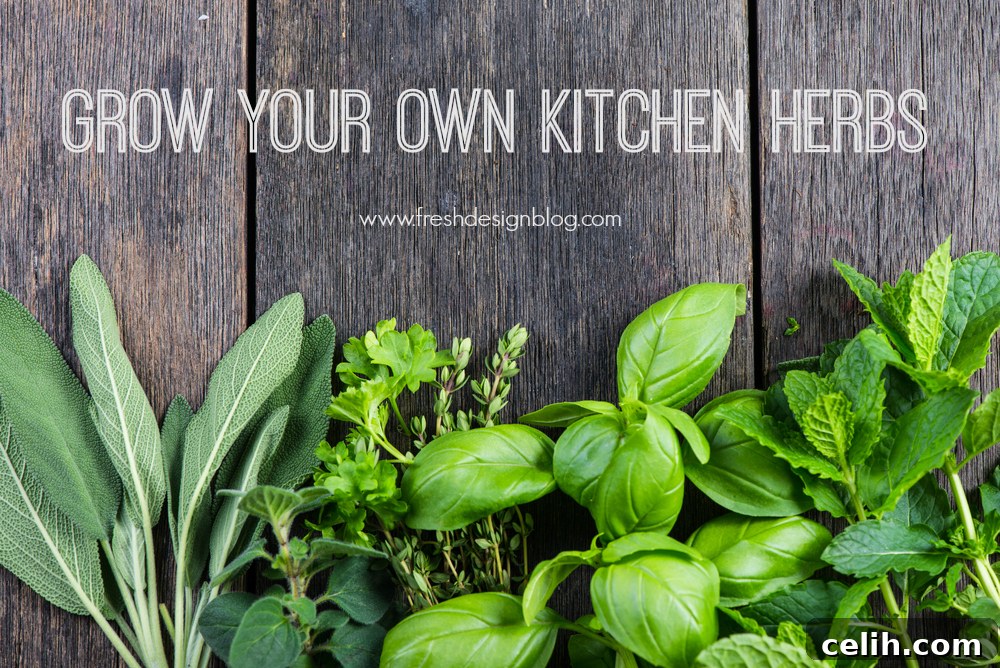
The Ultimate Guide to Cultivating Your Own Fresh Indoor Herb Garden
There’s nothing quite like the vibrant aroma and unparalleled taste of fresh herbs to elevate your culinary creations. While outdoor gardening offers its own charm, growing herbs indoors provides unparalleled convenience and ensures you have a continuous supply of your favorite seasonings, regardless of the weather. Imagine needing a sprig of rosemary for your roasted chicken or fresh basil for a homemade pesto, and simply reaching over to your windowsill. No more last-minute dashes to the grocery store, no worries about pesticides, and certainly no rainy-day slug encounters! An indoor herb garden is a delightful addition to any home, offering both aesthetic appeal and a bounty of flavorful possibilities.
Beyond the sheer convenience, cultivating your own fresh kitchen herbs ensures you’re using clean, pesticide-free produce. This peace of mind is invaluable for health-conscious cooks. Moreover, an indoor herb garden adds a touch of natural beauty and greenery to your living space, making your kitchen feel more alive and inviting. It’s a simple, rewarding project that brings nature closer to you, even if you live in an urban apartment.
Ready to Get Started? Here’s Your Comprehensive Guide to Growing Herbs Indoors
Embarking on your indoor herb gardening journey is an exciting prospect. The first step is selecting the right herbs that thrive in an indoor environment, followed by understanding their specific needs. Not all herbs are created equal when it comes to adapting to life inside, but with the right choices and a little care, you’ll be enjoying fresh flavors all year long.
Choosing Your Indoor Herb Varieties: Year-Round and Seasonal Favorites
The success of your indoor herb garden largely depends on choosing varieties that are well-suited to indoor conditions. Some herbs are incredibly hardy and will flourish year-round, while others prefer warmer months and may need to be replanted annually. We’ll cover both categories to help you select the perfect plants for your indoor sanctuary.
Hardy Herbs for All-Season Success:
- Oregano: A staple in Mediterranean cuisine, oregano is incredibly robust and forgiving. It prefers well-draining soil and plenty of sunlight. Pinch back new growth regularly to encourage bushiness and prevent it from becoming leggy.
- Chives: Offering a delicate oniony flavor, chives are remarkably easy to grow indoors. They respond well to regular harvesting, which stimulates new growth. You can start chives from seed, but separating a small clump from an outdoor plant or a store-bought potted plant offers quicker results.
- Mint: Known for its invigorating aroma and diverse culinary uses, mint is a vigorous grower. While it thrives indoors, be mindful that it can quickly take over a pot if not managed. Consider growing different varieties like peppermint, spearmint, or chocolate mint in separate containers to prevent cross-pollination and maintain distinct flavors.
- Rosemary: This fragrant, woody herb is a fantastic addition to savory dishes. Rosemary loves bright light and prefers its soil to dry out slightly between waterings. It can be a bit more challenging than others, but with proper care and adequate sunlight, it will flourish, rewarding you with its distinctive pine-like scent.
- Thyme: With its tiny, aromatic leaves, thyme is another excellent choice for indoor cultivation. It requires good drainage and plenty of sunshine. Thyme varieties like common thyme, lemon thyme, or creeping thyme offer slight variations in flavor and growth habit, all suitable for indoor pots.
Seasonal Herbs for Summer Delights:
While some herbs might not survive the colder indoor winter months, they are perfect for enjoying during spring and summer. These varieties often require more warmth and sunlight.
- Basil: The undisputed king of Italian cuisine, basil absolutely adores warmth and ample sunlight. It’s a summer favorite that doesn’t winter well indoors unless provided with ideal conditions. You can extend the life of supermarket basil plants by carefully splitting them into individual plants and repotting them. If you have an abundance of summer basil, consider drying the leaves or making homemade pesto for winter use.
- Coriander (Cilantro): A vibrant herb essential in Mexican, Indian, and Asian dishes. Coriander grows quickly but tends to “bolt” (go to seed) in hot temperatures, which can make its leaves bitter. For a continuous supply, plant seeds in succession every few weeks.
- Dill: With its feathery fronds, dill adds a fresh, slightly anise-like flavor to fish, pickles, and salads. It prefers cooler temperatures than basil and requires plenty of light. Dill can grow quite tall, so choose a sufficiently deep pot.
- Parsley: Whether you prefer the flat-leaf Italian variety or the curly type, parsley is a slow-growing but rewarding herb. It needs consistent moisture and good light. Like basil, it may not last through a harsh winter indoors but thrives during warmer months.
Other Recommended Indoor Herbs to Consider:
- Sage: Known for its earthy flavor and beautiful fuzzy leaves, sage can thrive indoors with sufficient light. It’s excellent in poultry dishes and stuffings.
- Lemon Balm: A member of the mint family, lemon balm offers a delightful citrusy aroma and calming properties, perfect for teas. It’s robust and easy to grow.
- Bay Laurel: While slow-growing, a bay laurel plant makes an elegant and useful addition to your indoor garden. Its leaves are excellent in stews and soups.
Setting Up Your Indoor Herb Haven: From Pots to Propagation
Once you’ve chosen your herbs, it’s time to set up their new home. Proper potting and initial care are crucial for a thriving indoor garden.
Starting Your Herbs: Seeds, Cuttings, or Store-Bought Plants?
- From Seeds: This is the most economical option and offers the widest variety. However, it requires patience as germination and initial growth can take time. Follow package instructions for depth and spacing.
- From Small Plants (Garden Centre): A great way to get an immediate head start. Purchase healthy plants and repot them into larger containers with fresh potting compost.
- From Cuttings or Divisions: This method is fantastic for propagating existing plants or extending the life of supermarket herbs.
For chives, if you’re using an outdoor plant, gently separate a small clump from the main plant after it has stopped growing at the end of the season. Pot it up, and leave the pot outside in a sheltered spot until the leaves have completely died back, ensuring it’s protected from severe frost. Then, bring the pot indoors and place it in a cool, dark location, such as a garage or basement, for about a week. This dormancy period helps simulate winter. After a week, move it to a sunny windowsill to stimulate vigorous new growth.
For sage, starting with a tip cutting from an outdoor plant is often the most successful method. Begin by cutting off a healthy young shoot, about 4-6 inches long, just below a leaf node (the point where leaves attach to the stem). Carefully remove the lower leaves, leaving only the top three pairs. Plant the cutting directly into moist potting compost, ensuring at least two nodes are buried. Alternatively, you can place the cut end into a glass of water until roots form (usually 2-4 weeks), then pot it up. Sage thrives indoors on a bright, sunny windowsill.
Selecting the Right Containers and Potting Mix
Pots with Good Drainage: This is non-negotiable for healthy herbs. Choose pots with drainage holes at the bottom to prevent waterlogging, which can lead to root rot. If you’re placing pots on a windowsill or furniture, always use a saucer or tray underneath to catch excess water.
Potting Compost: Use a high-quality potting mix that is well-draining yet retains some moisture. A good mix typically contains peat moss, perlite, or vermiculite to ensure aeration and drainage. Avoid using garden soil, as it can be too heavy and may contain pests or diseases.
Pot Size: Choose a pot size appropriate for the mature size of the herb. While a small plant might fit into a 4-inch pot, it will soon need a larger home. Generally, most indoor herbs do well in 6-10 inch pots. Mint, being a vigorous grower, often appreciates its own dedicated container.
Mastering Indoor Herb Care: Light, Water, and Nourishment
Once your herbs are potted, consistent care is key to their longevity and productivity. Understanding their basic needs will help you create an optimal environment for growth.
Light Requirements: The Sun’s Embrace
Most herbs are sun-loving plants and require at least 4-6 hours of direct sunlight per day. A south-facing window is usually ideal. If natural light is scarce, consider investing in a grow light. Full-spectrum LED grow lights are energy-efficient and highly effective. Position them 6-12 inches above your plants, adjusting the height as they grow. Rotate your pots every few days to ensure all sides of the plant receive adequate light, promoting even growth.
If you’re leaving your herbs in place all year round, especially near a window during winter, be mindful of temperature fluctuations. Ensure the leaves are not touching the cold glass, as they may be affected by frost and suffer damage.
Watering Wisely: The Balance Act
Overwatering is one of the most common causes of indoor plant demise. While herbs need consistent moisture, they generally dislike sitting in soggy soil. The key is to keep the potting compost moist but never waterlogged. A good rule of thumb is to check the soil moisture by sticking your finger about an inch or two deep. If it feels dry, it’s time to water. Water thoroughly until you see water draining from the bottom of the pot, then discard any excess water from the saucer.
Different herbs have slightly different water preferences. Rosemary and thyme, for example, prefer their soil to dry out a bit more between waterings, while basil and mint appreciate consistent moisture. Adjust your watering schedule based on the herb type, pot size, humidity, and temperature of your home.
Temperature and Humidity: Creating the Right Atmosphere
Most herbs thrive in typical room temperatures, generally between 65-75°F (18-24°C) during the day and slightly cooler at night. Avoid placing them near cold drafts from windows or direct heat sources like radiators, as extreme temperature fluctuations can stress the plants.
Indoor air, especially during winter when heating systems are on, can be very dry. Many herbs, particularly those native to Mediterranean climates, appreciate higher humidity. You can increase humidity around your plants by misting them regularly, grouping plants together (which creates a microclimate), or placing pots on a pebble tray filled with water (ensure the pot bottoms don’t sit directly in the water).
Feeding Your Herbs: A Little Boost
While fresh potting mix provides initial nutrients, indoor herbs will eventually deplete these resources. Fertilize your herbs sparingly, perhaps once a month during their active growing season (spring and summer), with a balanced liquid fertilizer diluted to half strength. Avoid fertilizing in fall and winter when plant growth naturally slows down. Signs of nutrient deficiency can include yellowing leaves or stunted growth.
Pruning and Harvesting for Abundance: The Art of Maintenance
Regular pruning and harvesting are not just about collecting fresh ingredients; they are essential for maintaining the health and vigor of your indoor herbs. This encourages bushier growth and prevents plants from becoming “leggy” (tall and sparse).
- Pinching Back: For bushy herbs like basil, mint, and oregano, pinch back new shoots frequently. When a stem has two sets of leaves, pinch off the top set, just above the lower set. This encourages the plant to branch out, resulting in a fuller, more productive plant.
- Removing Flower Buds: For most culinary herbs, your goal is abundant leafy growth. If you see flower buds forming, pinch them off immediately. Flowering often signals the plant to focus its energy on seed production rather than leaf growth, which can make the leaves taste bitter or reduce their flavor intensity.
- Harvesting Technique: When harvesting, use sharp scissors or pruning shears to make clean cuts. Never remove more than about one-third of the plant at a time. This allows the plant to recover quickly and continue producing. For herbs like rosemary and thyme, snip off sprigs. For leafy herbs like basil and parsley, remove outer leaves or pinch off the top growth.
Pest Management: Keeping Unwanted Visitors Away
Indoor herbs are generally less susceptible to pests than outdoor plants, but they can occasionally attract common houseplant nuisances like spider mites, aphids, or whiteflies. Inspect your plants regularly, especially the undersides of leaves. If you spot pests, isolate the affected plant immediately. Organic solutions include wiping leaves with a damp cloth, spraying with insecticidal soap (diluted according to instructions), or using neem oil. Maintaining good air circulation can also help prevent infestations.
Troubleshooting Common Indoor Herb Issues
Even with the best intentions, you might encounter some common challenges. Here’s how to address them:
- Leggy Growth: If your herbs are stretching towards the light, becoming tall and sparse, it’s a clear sign they’re not getting enough light. Move them to a brighter spot or supplement with a grow light.
- Yellowing Leaves: This can indicate overwatering (roots are suffocating) or a nutrient deficiency. Check soil moisture and adjust watering. If soil moisture is fine, consider a light dose of fertilizer.
- Wilting: Wilting usually points to underwatering. Give your plant a good soak. However, persistent wilting despite watering can also be a sign of root rot from overwatering, so check the roots if the problem persists.
Go Potty: Styling Your Kitchen with Beautiful Herb Pots
Your indoor herb garden isn’t just about functionality; it’s also an opportunity to add decorative flair to your kitchen. Stylish pots can transform your herb display into a focal point, reflecting your personal taste and enhancing your home decor.
Our Favorite Herb Pot Picks:
1. Raspberry Herb Pots, Burgon & Ball
These eye-catching raspberry-colored herb pots, part of the exquisite collection designed by Sophie Conran for Burgon & Ball, are perfect for injecting a vibrant pop of color onto your windowsill. The set includes three charming pots nestled in a matching tray, ensuring your fresh herbs are always close at hand and beautifully presented. Priced at £14.95, they are available from Annabel James.
2. Word Herb Pots, Tesco
For those who appreciate simplicity and clean lines, this set of three ceramic herb pots from Tesco is an ideal choice. Their minimalist white design effortlessly complements any kitchen color scheme, adding a touch of understated elegance. Each pot is inscribed with the name of a common herb, adding a functional yet stylish detail. Priced at £12, these versatile pots are available from Tesco Direct. An added bonus? They are dishwasher safe, making them incredibly easy to sanitize and reuse between plants, ensuring a hygienic growing environment.
3. Zinc Pots, Anjo
Introduce a touch of contemporary industrial style to your kitchen with this sleek set of zinc plant pots from Anjo. Their modern aesthetic effortlessly enhances any windowsill or kitchen counter, providing a chic home for your herbs. These versatile pots are also suitable for outdoor use, allowing you to transition your herb garden from indoors to a patio or balcony as seasons change. Available for £14.95 for a set of three from Anjo Home.
Beyond the Basics: Creative Herb Display Ideas
Don’t limit yourself to simple pots! Consider vertical garden planters for small spaces, window box planters for a more traditional look, or even hanging baskets for trailing herbs like mint. Grouping different herbs with varying textures and heights can create an appealing visual display. The goal is to make your indoor herb garden both functional and beautiful, seamlessly integrating it into your home’s decor.
Conclusion: Embrace the Joy of Fresh Herbs
Cultivating your own fresh indoor herb garden is a rewarding endeavor that brings a host of benefits. From the sheer joy of harvesting your own pesticide-free ingredients to the delightful aromas and aesthetic charm they bring to your home, an indoor herb garden is a small investment with significant returns. By choosing the right herbs, providing them with adequate light and water, and practicing consistent care, you’ll be well on your way to enjoying a continuous supply of fresh, flavorful herbs, ready whenever inspiration strikes in the kitchen. Happy growing!
(Top image credit: Shutterstock/merc67)