
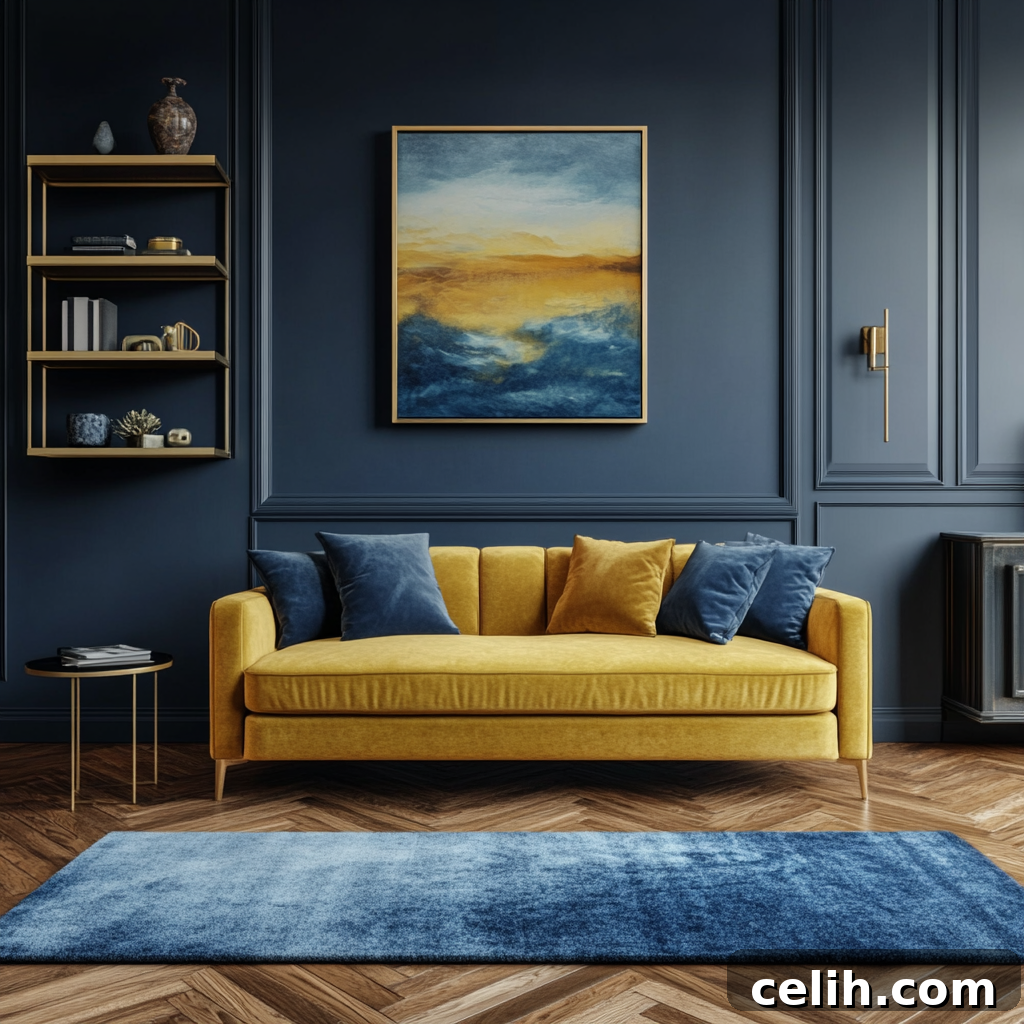
Have you ever found yourself standing in the middle of your living room, squinting at an empty space, desperately trying to conjure an image of how that perfect new sofa would look, only to end up more bewildered than when you started?
You’re not alone. This common dilemma has plagued homeowners and design enthusiasts for generations. The process of envisioning, planning, and executing interior design used to be a daunting task, often requiring expensive consultations, endless trips to furniture showrooms, and a level of spatial imagination that, frankly, few of us naturally possess.
However, the world of interior design has quietly undergone a profound transformation. What was once an exclusive domain, shrouded in professional jargon and complex software, has now become as accessible and straightforward as ordering your morning coffee online. This revolutionary shift is largely thanks to the burgeoning field of artificial intelligence.
AI interior design platforms have rapidly emerged as indispensable allies in our universal quest for creating beautiful, functional, and deeply personal spaces. These sophisticated tools promise to simplify the design process, offering visualizations, recommendations, and even direct purchasing options. But with a growing number of options flooding the market, how do you distinguish between a truly innovative AI design tool and one that feels like a cumbersome interaction with a basic algorithm? The key lies in finding platforms that genuinely understand your vision and translate it into stunning, realistic possibilities.
The New Design Democracy: AI’s Role in Empowering Every Homeowner
Remember a time when professional interior design felt like an exclusive club, reserved only for those with substantial budgets and a penchant for stylistic expertise? Those days are rapidly becoming a distant memory. The remarkable convergence of artificial intelligence and fundamental design principles has fundamentally reshaped how we conceptualize and interact with our living spaces.
We’ve transitioned from clunky, complex CAD software, which often demanded specialized training and years of experience to master, to intuitive AI-powered platforms that speak our language – literally. This isn’t just about generating aesthetically pleasing images; it’s about democratizing access to professional-grade design visualization, making the entire process incredibly efficient, remarkably cost-effective, and, dare I say, genuinely enjoyable for everyone. AI empowers individuals to experiment with styles, layouts, and furnishings without financial risk or the fear of committing to a costly mistake. It removes the intimidation factor, putting the power of design creativity directly into the hands of the homeowner, real estate agent, and even seasoned interior designer.
Meet the Game-Changing AI Interior Design Platforms
In an increasingly crowded market of AI design tools, which platforms truly stand out and deserve a prime spot on your digital toolkit?
Based on extensive research, rigorous testing, and an analysis of user experience, functionality, and output quality, the following platforms represent the vanguard of AI-powered interior design:
Paintit.ai: The Conversational Design Genius That Connects Inspiration to Reality
When Paintit.ai first appeared on my radar, I approached it with a healthy dose of skepticism. “Another AI design tool?” I thought. Yet, what unfolded next was truly remarkable. Engaging with Paintit.ai felt less like interacting with a piece of software and more like having an insightful conversation with a knowledgeable friend who just happens to be an exceptional interior designer.
What elevates Paintit.ai above its competitors isn’t solely its capacity for generating impressive, photorealistic renderings – though its visual output is undeniably noteworthy. Its true innovation lies in its revolutionary conversational interface. This feature transforms the often-cumbersome process of design into a seamless dialogue, mimicking the experience of working with a personal design assistant rather than wrestling with complex menus, obscure buttons, or overly technical prompts.
Have you ever wished you could simply describe your design preferences in natural language and have someone immediately grasp your vision? That precise, intuitive understanding is what Paintit.ai delivers, enabling users to articulate their desires effortlessly.
But here’s where Paintit.ai truly distinguishes itself and offers a groundbreaking innovation. The platform doesn’t stop at creating stunning digital visualizations and leaving you to figure out the rest. It intelligently bridges the often-frustrating chasm between digital inspiration and physical reality by integrating context-aware, shoppable furniture recommendations. Imagine seeing a meticulously designed living room, instantly falling in love with a particular coffee table or a unique lamp, and then being able to purchase that exact item with just a few clicks. Paintit.ai makes this immediate realization of your design vision possible, directly within the platform.
This comprehensive, end-to-end approach serves a diverse range of audiences with unparalleled effectiveness:
- For Homeowners: The intuitive chat interface completely eliminates the intimidation factor typically associated with design projects. Users can fearlessly experiment with a myriad of colors, layouts, furniture arrangements, and stylistic themes without any commitment or the dreaded fear of making costly design blunders. It empowers creative exploration without consequence.
- For Real Estate Professionals: Paintit.ai offers the ability to generate quick, professional-quality virtual staging that dramatically enhances property appeal and helps homes sell faster. The exceptional realism of the generated output means that prospective buyers can genuinely envision themselves inhabiting and thriving within the staged space, fostering an emotional connection essential for rapid sales.
- For Interior Designers and Architects: While maintaining the highest standards of professional-grade output quality, Paintit.ai significantly accelerates the ideation process. Initial concept development, mood boarding, and style exploration become almost effortless. Client presentations are transformed into dynamic, interactive experiences, allowing for rapid iteration and feedback, thereby streamlining the entire design workflow.
The pricing structure of Paintit.ai reflects a refreshing transparency and value proposition: a generous free tier offering 3 visualizations for initial testing, followed by competitive paid plans. Users can opt for $6.99 weekly for 20 high-resolution renders or $24.99 monthly for 100 renders. Crucially, both paid plans include commercial usage rights and access to the game-changing shoppable furniture suggestions, making it an invaluable tool for both personal and professional endeavors.
Planner 5D: The Architect’s Dream for Comprehensive Project Planning
For individuals and professionals who approach design with a “big picture” perspective—literally thinking in terms of entire structures and comprehensive renovations—Planner 5D remains an unparalleled, all-encompassing solution for full-scale project planning. Are you contemplating a major home renovation, an extensive interior overhaul, or even conceptualizing a new build from the ground up? This platform is meticulously crafted to meet those ambitious needs.
Planner 5D distinguishes itself with its exceptional AI floor plan recognition capabilities, adeptly transforming uploaded photographs or sketches into fully editable, interactive 3D models. Beyond static renders, its robust 3D and VR walkthrough features create an immersive, experiential understanding of spatial relationships that flat images simply cannot convey. There’s an undeniable magic in virtually navigating through your future home, gaining a true sense of scale and flow before any physical work begins.
With an extensive and continuously updated furniture library, alongside a comprehensive suite of detailed architectural tools, Planner 5D proves invaluable for users whose primary focus is on structural modifications, intricate space planning, and large-scale design projects. However, some users note that while the breadth of tools is impressive, the granular design customization options can feel somewhat restrictive compared to platforms offering highly specialized styling. Access to the most advanced features and an expanded library typically requires a premium subscription, which is a consideration for budget-conscious users.
REimagine Home: The Virtual Staging Specialist for Real Estate
When speed, efficiency, and undeniable aesthetic appeal are paramount, particularly within the fast-paced real estate market, REimagine Home consistently delivers impressive and highly impactful results. This AI interior design platform is a favorite among real estate professionals, primarily for its remarkably intuitive one-click virtual staging capabilities.
The user interface is designed for effortless navigation, making the virtual staging process feel almost instantaneous. Crucially, the results are genuinely realistic and compelling, avoiding the tell-tale signs of obvious AI renders that often detract from a property’s perceived value. Instead, REimagine Home’s outputs seamlessly blend with existing property photos, creating a believable and inviting atmosphere.
Have you ever scrolled through property listings and paused, captivated by a particularly inviting interior photo? There’s a strong likelihood that REimagine Home played a role in crafting that eye-catching visual. The platform offers a flexible credit-based pricing structure, with various bundles (Essential, Optimal, Advanced, Premium) thoughtfully designed to scale with the diverse needs and volumes of professional real estate agents and stagers. While its speed and realism are top-tier, the platform offers fewer extensive post-generation editing options, meaning users have less granular control over fine-tuning specific decorative elements compared to more design-centric tools.
Spacely AI: The Professional’s Precision Tool for Deep Customization
For discerning designers and architects who demand unparalleled, granular control over every aspect of their visualizations, Spacely AI provides exceptional post-generation editing capabilities that few other platforms can match. This tool is built for precision and offers a depth of customization crucial for professional workflows.
Have you ever generated an AI design that was nearly perfect, but you found yourself disliking just one specific element, like an ill-fitting lamp or a material that didn’t quite work? Spacely AI empowers you to precisely adjust individual furniture pieces, modify textures and materials, and re-render specific areas of your design without the frustration of having to start the entire process over again. Its robust integration with SketchUp is a significant advantage, appealing strongly to design professionals already entrenched within established industry workflows and preferring to work within familiar environments.
The trade-off for this extensive control and powerful functionality is a steeper learning curve. Spacely AI’s interface is not as immediately intuitive or user-friendly as some of the more streamlined, homeowner-focused platforms. This makes it a less suitable choice for casual users seeking quick, effortless solutions, but an indispensable asset for professionals who prioritize detailed customization and integration with existing design ecosystems.
The Art of Realistic Rendering: Building Trust Through Authenticity
One of the most fascinating developments arising from the rapid evolution of the AI design revolution is our collective, increasingly sophisticated ability to discern artificial-looking results. Have you ever noticed how your eye can almost instinctively spot something “off” or unnatural in a poorly generated AI image?
These subtle inconsistencies—unrealistic lighting that doesn’t match the environment, contradictory shadows that defy physics, or textures that simply don’t make sense—collectively contribute to what is known as the “uncanny valley” effect. This phenomenon undermines trust and engagement, particularly in a field like interior design where authenticity and believability directly influence critical decision-making processes for homeowners and buyers alike.
Leading AI interior design platforms, such as Paintit.ai, have proactively tackled this challenge by incorporating advanced image analysis and rendering algorithms that focus on preserving and integrating authentic personal details from the original space. When an AI system can transform a room while meticulously maintaining cherished elements like a framed sports jersey on the wall, a child’s artwork, or your grandmother’s vintage lamp, it fosters a deep sense of trust and connection. This attention to genuine, personal detail ensures that the AI-generated design feels like a natural evolution of *your* space, rather than a generic, detached visualization, making the proposed changes feel much more relatable and achievable.
Beyond the Obvious: Niche Players and Specialized AI Tools
The expansive landscape of AI interior design isn’t solely populated by general-purpose platforms. Several specialized tools cater to highly specific needs, offering focused functionalities that can be incredibly valuable in particular scenarios:
- Interior AI: This platform distinguishes itself by offering an impressive selection of over 40 distinct design styles. This extensive stylistic range makes it an ideal choice for users seeking broad inspirational options, allowing them to explore how their space might look when interpreted through completely different aesthetic lenses—from minimalist and industrial to bohemian and classic. It’s perfect for brainstorming and discovering new design directions.
- RoomGPT: Prioritizing speed above all else, RoomGPT boasts design generations in under 30 seconds. This makes it an excellent choice for rapid inspiration sessions or when you need a quick visual idea without significant investment of time. However, it’s worth noting that the free version often produces results that are more overtly “AI-generated,” lacking some of the nuanced realism found in higher-end tools.
- MyArchitectAI: This niche tool specializes in a highly technical but incredibly efficient process: converting traditional CAD models and even hand-drawn sketches into photorealistic renders in a matter of seconds. For architects, civil engineers, or designers working with existing technical drawings or early-stage conceptual sketches, MyArchitectAI offers a dramatic improvement in workflow efficiency and visualization speed, bridging the gap between technical blueprint and lifelike representation.
The Usability Versus Customization Dilemma: Finding Your Balance
The dynamic AI interior design market reveals a clear philosophical divide among platforms: some prioritize a seamless, one-click experience designed for maximum ease of use, while others emphasize extensive post-generation editing control, catering to meticulous customization. Which approach resonates most with your personal design philosophy and project needs?
One camp of users prioritizes effortless results: the ability to simply upload a photo, select a desired style, and promptly receive a beautiful visualization with minimal input. The focus here is on speed and simplicity. The other camp requires the robust capability to adjust every minute detail, fine-tune material textures, precisely control lighting effects, and make intricate modifications to the generated design. Their focus is on creative command and absolute precision.
Paintit.ai’s innovative conversational interface represents a unique and highly effective middle ground in this dilemma. By leveraging natural language interaction, it provides both the simplicity of a quick suggestion and the depth of detailed refinement. Users can initiate a design prompt with a broad request, such as “make this room more modern,” and then seamlessly dive deeper into specific adjustments, articulating commands like “now, adjust the throw pillows to a warmer shade of blue and move the coffee table slightly closer to the window.” This intuitive chat experience allows for an iterative, fluid design process that adapts to the user’s evolving needs, offering a powerful blend of accessibility and sophistication.
Pricing Models: Finding Your Financial Fit in AI Design
The diverse payment structures observed across various AI interior design platforms are thoughtfully designed to reflect differing user needs, usage patterns, and project scopes. Understanding these models is crucial for making an informed choice that aligns with your budget and expected usage:
- Credit-Based Models (e.g., REimagine Home, Spacely AI): These models offer significant flexibility, particularly for users with unpredictable project volumes or those who only require design services sporadically. Users purchase a certain number of “credits” which are then consumed for each generation or render. While flexible, this system can sometimes create anxiety about “running out” of renderings at crucial moments, especially during intensive design phases.
- Subscription Models (e.g., Planner 5D, MyArchitectAI): Offering predictable monthly or annual costs, these models are ideal for consistent, heavy users who anticipate a steady stream of design work. A flat fee provides access to a defined set of features and often unlimited or a high volume of renders, removing the concern of per-render costs. This appeals to professionals and dedicated enthusiasts who integrate these tools into their regular workflow.
- Hybrid Models (e.g., Paintit.ai’s approach): These models cleverly combine the best aspects of both credit and subscription systems. They might offer subscription predictability for a base number of renders while allowing for the purchase of additional credits if usage temporarily exceeds the plan’s allowance. This flexible framework accommodates both casual users exploring design concepts and professionals with fluctuating project demands, offering a balanced and adaptable solution.
The Commercial Integration Revolution: From Vision to Acquisition
What truly electrifies me about the current trajectory of this technology is its groundbreaking ability to bridge the traditional chasm between design visualization and tangible reality.
For years, conventional design tools, while excellent at fostering inspiration, often left a significant gap. You could envision the perfect living room design, complete with ideal furniture and decor, but then face hours, if not days, of painstaking research trying to source similar pieces, frequently settling for disappointing alternatives that didn’t quite capture your original vision.
Paintit.ai’s innovative shoppable furniture integration fundamentally reshapes this dynamic. The platform transcends its role as a mere visualization tool, transforming into a direct and streamlined pathway to actualizing your design vision. This seamless commercial connectivity revolutionizes the entire user experience, transitioning effortlessly from initial inspiration to concrete implementation. It’s not just about seeing what your space *could* look like; it’s about making that vision a reality with unprecedented ease.
For real estate professionals, this means prospective clients can not only vividly envision themselves living in a staged space but can also immediately understand how to furnish it. This direct link to purchasing accelerates decision-making. For homeowners, the frustration of translating digital inspiration into physical shopping is entirely eliminated. The “dream room” is no longer just a picture; it becomes a curated shopping list that leads directly to purchasing the exact items that bring that dream to life.
Professional Applications and Workflow Integration Across Industries
The diverse utility of AI interior design platforms necessitates fundamentally different approaches to cater to distinct user segments, each with unique requirements and objectives:
- Homeowners: This group benefits most from intuitive, user-friendly interfaces that require minimal technical expertise. Cost-effective pricing, often with generous free tiers, and seamless shopping integration are paramount. For homeowners, the design process should feel exciting, creative, and accessible, rather than technical or overwhelming. They seek inspiration, experimentation, and a clear path to execution.
- Real Estate Professionals: Speed, reliability, and consistent, high-quality output are the cornerstones for real estate agents. High-volume virtual staging is a critical need, as time efficiency directly impacts business productivity and property turnover rates. The designs must be compelling, realistic, and adaptable to various property types and client preferences, helping to attract buyers and facilitate quicker sales.
- Interior Designers and Architects: For seasoned professionals, advanced features, granular fine-tuning capabilities, and robust integration with existing professional workflows (like CAD software or project management tools) are non-negotiable. The AI platform should serve as an enhancement to their established processes, accelerating ideation, refining visualizations, and improving client presentations, rather than seeking to replace their core expertise.
Looking Ahead: The Dynamic Future of AI-Powered Design
The AI interior design revolution is unequivocally still in its nascent stages. We are currently witnessing the exciting emergence of platforms that are not merely generating aesthetically pleasing images but are actively crafting comprehensive, integrated design experiences. This initial phase promises a future brimming with even more sophisticated and user-centric innovations.
What aspects of this evolving technology excite you the most, and where do you envision its next transformative steps leading?
The integration of e-commerce functionality, as pioneered by platforms like Paintit.ai, represents merely the beginning of this journey. Future developments are likely to encompass a breathtaking array of features, including highly advanced augmented reality (AR) previews that allow users to virtually place furniture in their actual rooms with unprecedented realism. We can anticipate real-time collaborative design features, enabling multiple stakeholders to co-create and refine designs simultaneously. Furthermore, expect even more sophisticated AI algorithms capable of learning and adapting to individual personal style preferences over time, offering highly personalized design suggestions, and potentially even predictive design capabilities that anticipate future trends or needs.
Comparative Analysis Matrices: A Quick Reference
Table 1: Key Features and Capabilities Matrix
| Platform Name | Conversational AI | Shoppable Links | 3D/VR Walkthroughs | Floor Plan Recognition | Post-Generation Editing | Target Audience |
| Paintit.ai | Yes | Yes | Yes | Yes | Limited | Homeowners, Realtors, Designers |
| Planner 5D | No | No | Yes | Yes | Limited | Architects, Professionals, Homeowners |
| REimagine Home | Yes | No | No | No | Limited | Realtors, Home Stagers |
| Spacely AI | No | No | No | Coming Soon | Yes | Professionals, Architects |
Table 2: Pricing and Value Analysis
| Platform Name | Plan Type | Price (USD) | What is Included | Cost Per Render (Approx.) |
| Paintit.ai | Free | $0 | 3 visualizations, watermarked | $0 |
| Weekly | $6.99 | 20 renders, commercial license | $0.35 | |
| Monthly | $24.99 | 100 renders, commercial license | $0.25 | |
| Planner 5D | Free | $0 | Basic tools, limited library | Varies |
| Premium | Varies | Advanced tools, high-quality renders | Varies | |
| REimagine Home | Free | $0 | 5 free generations | $0 |
| Optimal | $29/month | 150 credits per month | $0.15 | |
| Advanced | $49/month | 400 credits per month | $0.10 | |
| Spacely AI | Free Trial | $0 | Standard quality, lite watermark | $0 |
| Pay as you go | $10-$100 | 10-300 tokens | $0.33-$1.00 | |
| Unlimited | $40/month | Unlimited renders, priority support | Varies |
Making Your Choice: Tailored AI Design Platform Recommendations
After a comprehensive analysis and hands-on testing of the leading AI interior design platforms, here are my tailored recommendations designed to meet specific needs and user profiles:
- For the Homeowner Seeking Seamless Inspiration and Implementation: Paintit.ai stands out as the ideal choice, offering an unparalleled combination of accessibility, high-quality visualization, and integrated commercial functionality. Its intuitive conversational interface deftly removes any potential intimidation, while the innovative shoppable links directly solve the often-frustrating implementation challenge of finding and purchasing desired items.
- For Real Estate Professionals Needing Efficient Virtual Staging Solutions: Both Paintit.ai and REimagine Home excel in this specialized niche. Your choice between them should be guided by whether you prioritize integrated commercial shoppable links for client follow-through (Paintit.ai) or a highly specialized, streamlined workflow focused purely on rapid, realistic staging (REimagine Home).
- For Professional Designers Requiring Granular Control and Precision: Spacely AI offers unmatched post-generation editing capabilities, empowering designers with meticulous control over every detail. Alternatively, Planner 5D provides comprehensive architectural planning tools, making it the go-to for large-scale structural or renovation projects that demand detailed blueprints and 3D modeling.
- For Budget-Conscious Users Eager to Experiment: Begin your AI design journey with the generous free tiers offered by platforms like Paintit.ai or MyArchitectAI. These free options provide an excellent opportunity to explore the capabilities of AI design tools, understand your own specific needs, and gauge which features are most important to you before committing to any paid plans.
The Personal Touch in a Digital World: AI Enhancing Human Creativity
After months of delving into and thoroughly testing these cutting-edge platforms, one profound insight consistently emerged:
The most successful AI interior design tools transcend mere image processing. They possess a sophisticated understanding of context, a commitment to preserving authenticity, and a deep respect for the personal elements that truly transform a house into a home. These platforms are not designed to usurp human creativity but rather to dramatically enhance it, acting as powerful accelerators for vision and ideation. They empower individuals to unlock their inner designer, providing tools that amplify natural talent and simplify complex tasks.
Whether you’re embarking on a simple room refresh, a full-scale home renovation, or managing intricate commercial projects, these AI platforms offer unprecedented accessibility to professional-grade design visualization. The ultimate key to success lies in identifying the tool that intuitively speaks your language – and in some cases, literally understands your conversational commands.
The future of interior design isn’t about making a binary choice between human ingenuity and artificial intelligence. Instead, it’s about discovering the perfect, synergistic collaboration between your unique vision and the expansive capabilities that AI brings to the table. And honestly? That future promises to be exceptionally beautiful and creatively liberating.
What extraordinary space will you create first with the power of AI at your fingertips?