
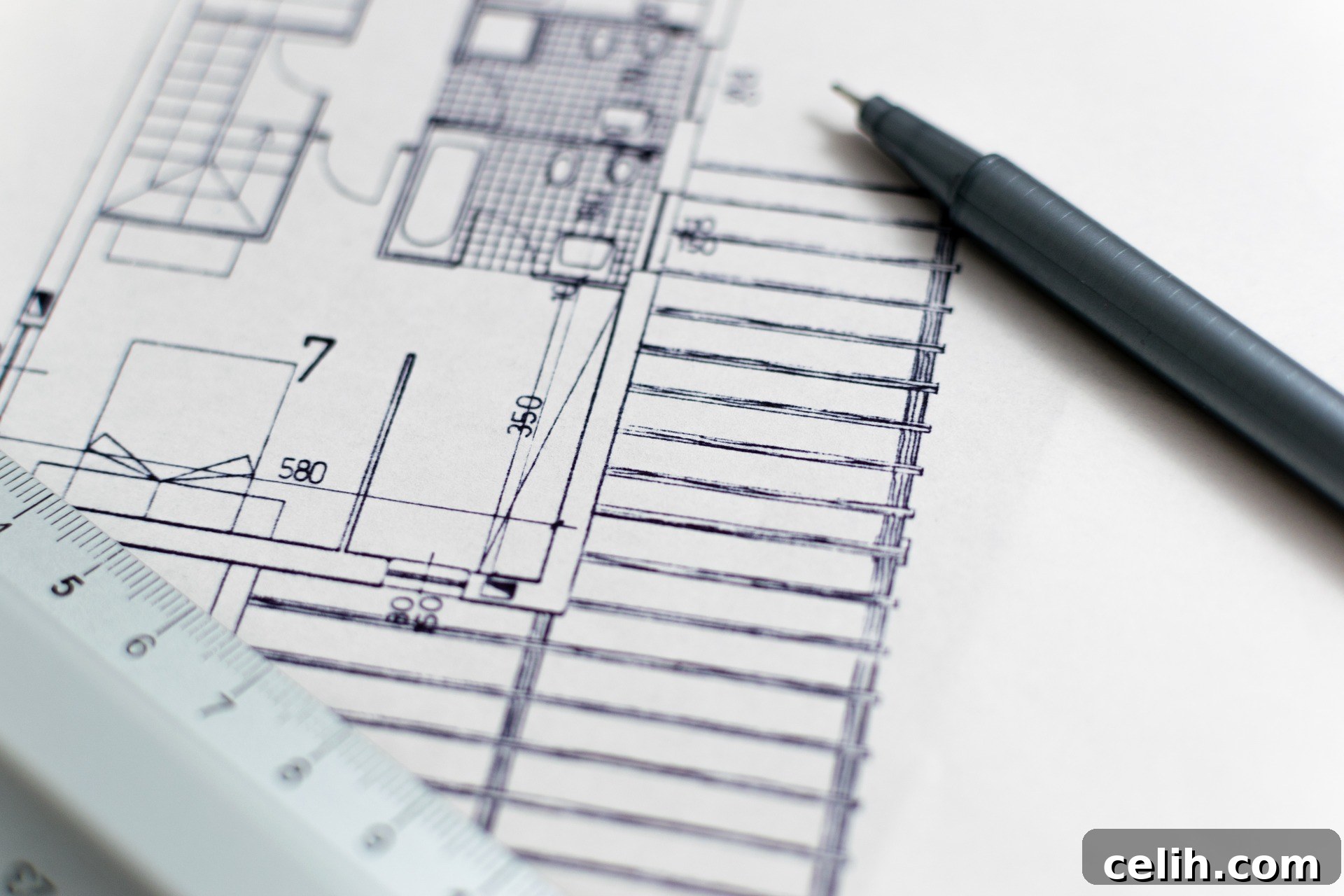
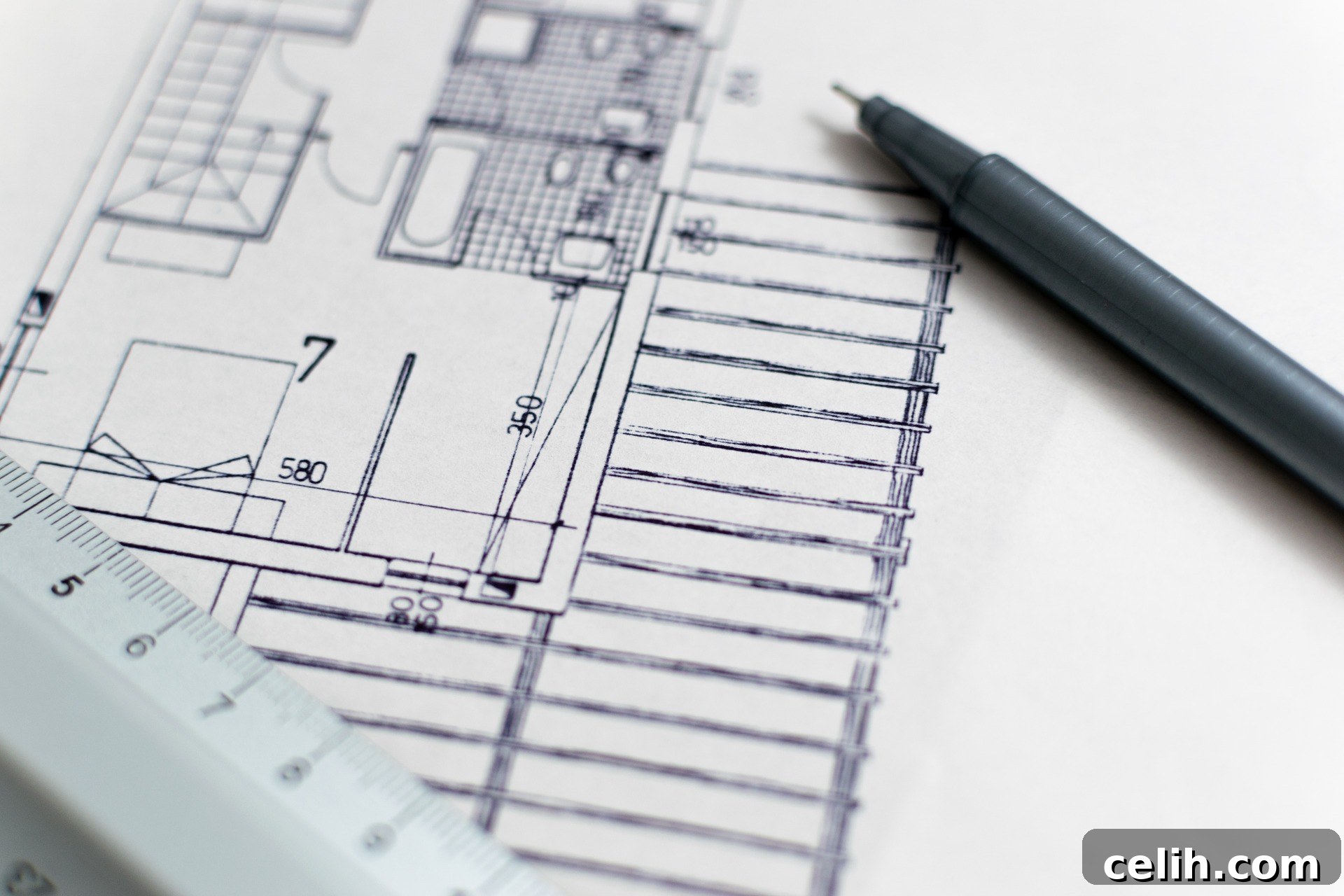
Owning your own home is a significant milestone, a canvas waiting for your personal touch. Beyond the initial excitement of acquiring a property, there’s an even greater thrill in transforming it into a space that truly reflects your personality, lifestyle, and aspirations. Whether it’s tackling a much-needed repair, enhancing functionality, or simply updating aesthetics, a thoughtfully planned home improvement project can breathe new life into your living environment. From minor cosmetic changes like a fresh coat of paint to extensive renovations that redefine entire spaces, home improvements are an opportunity to cultivate a residence that perfectly aligns with your vision. This guide explores the essential steps to embark on your home transformation journey, ensuring your projects are successful, add value, and bring lasting satisfaction.
Crafting Your Home Improvement Vision: The Power of a Solid Plan
The desire to change your home is a powerful motivator, but successful execution hinges on meticulous planning. Before picking up a hammer or browsing endless design catalogs, take the time to deeply research and define every aspect of your desired changes. Understanding the major components and the finer details is crucial for a smooth process. Being realistic about your goals, budget, and timeline from the outset can prevent costly mid-project changes and disappointments. Home improvements, whether minor or major, represent a significant investment of time, money, and effort, making thorough preparation your most valuable tool.
Defining Your Project Scope and Goals
Start by clearly articulating what you want to achieve. Is it a modern kitchen, a more spacious bathroom, an energy-efficient upgrade, or simply a refreshed living room? Visualize the end result. Collect inspiration from magazines, online platforms like Pinterest and Houzz, or even local showrooms. Having a clear aesthetic and functional goal will guide all subsequent decisions, from material selection to contractor choice.
Budgeting for Success: Realistic Financial Planning
Perhaps the most critical aspect of planning is establishing a realistic budget. Investigate the average costs associated with similar projects in your area. Obtain multiple quotes for materials and labor. It’s not enough to just factor in the visible costs; remember to account for potential hidden expenses such as permits, waste removal, temporary lodging if the project displaces you, and unforeseen issues that might arise once work begins. Always allocate a contingency fund, typically 10-20% of your total budget, to cover unexpected costs. This financial buffer can be a lifesaver, preventing projects from stalling due to monetary shortfalls. Understanding your financial limits will help you prioritize and make informed decisions, ensuring you don’t overspend or embark on a project you can’t complete.
Timeline Management: Setting Achievable Expectations
Every home improvement project has a beginning and an end, but the path between them can vary widely. Research the typical duration for your planned renovations. Be aware that larger projects, especially those involving multiple trades (plumbing, electrical, carpentry), will naturally take longer. Factor in potential delays due to material availability, weather conditions, or unforeseen structural challenges. Communicate openly with contractors about projected timelines and milestones. Having a clear schedule helps manage expectations, minimize disruption to your daily life, and keeps the project moving forward efficiently.
Navigating Permits and Regulations
Depending on the scope and nature of your home improvements, you might need to obtain building permits from your local authority. Projects involving structural changes, electrical work, plumbing modifications, or significant additions almost always require permits. Failing to secure necessary permits can lead to fines, stop-work orders, or even necessitate tearing down completed work. Research your local building codes and regulations early in the planning process. A reputable contractor will often assist with this, but ultimately, it’s the homeowner’s responsibility to ensure compliance.
DIY or Professional? Assessing Your Skills and Project Complexity

One of the most significant decisions you’ll face is whether to tackle a project yourself or hire a professional. Many smaller home improvement tasks are well within the capabilities of an enthusiastic DIYer. Simple updates like painting a room, installing new light fixtures, assembling flat-pack furniture, or adding shelving can be incredibly satisfying and cost-effective. These projects allow you to save on labor costs and inject your personal effort directly into your home’s transformation.
Embracing the DIY Spirit: Benefits and Boundaries
For those with a knack for hands-on work, DIY offers numerous advantages. It’s a fantastic way to save money, learn new skills, and gain a deeper understanding of your home’s construction. The sense of accomplishment after successfully completing a project yourself is immense. However, it’s vital to recognize your limits. Attempting complex tasks like intricate plumbing, electrical rewiring, major structural alterations, or roofing replacements without the necessary expertise can lead to disastrous consequences. Poorly executed DIY can result in unsafe conditions, damage to your property, or even increase future repair costs. Always prioritize safety, use appropriate tools, and never hesitate to call in a professional if a task feels beyond your skill set or comfort zone.
When to Call in the Experts: The Value of Professional Help
For more involved or specialized projects, engaging a qualified professional is not just advisable, it’s often essential. Tasks that affect the structural integrity of your home, involve intricate utility systems (like gas lines, advanced electrical wiring, or new plumbing installations), or require specialized equipment and permits are best left to licensed and insured contractors. Professionals bring a wealth of experience, specialized tools, efficiency, and adherence to safety and building codes. While the upfront cost is higher, the long-term benefits of a job done right – safety, durability, and compliance – far outweigh the risks of a botched DIY attempt.
Selecting the Right Partners: Choosing Trusted Home Renovation Professionals
If your project demands expertise beyond your own, finding the right company or contractor is paramount. The success of your home improvement hinges heavily on the quality and reliability of your chosen partners. This process requires thorough research and careful vetting to ensure your vision is executed flawlessly and ethically.
Thorough Research and Vetting
Begin by compiling a list of potential contractors. Seek recommendations from friends, family, and neighbors who have had positive experiences. Online review platforms, professional associations, and local business directories are also excellent resources. Look for contractors with a strong portfolio of similar projects and positive client testimonials. Don’t just read reviews; analyze them for recurring themes about communication, professionalism, quality of work, and adherence to timelines and budgets.
Obtaining Multiple Bids and Detailed Contracts
Always solicit at least three detailed bids for your project. Each bid should clearly outline the scope of work, materials to be used, labor costs, payment schedule, estimated timeline, and any warranties offered. Be wary of bids that are significantly lower than others, as they might indicate shortcuts in materials or labor. Once you’ve selected a contractor, ensure a comprehensive contract is drawn up. This document should protect both parties, clearly stating all terms and conditions, change order procedures, and dispute resolution mechanisms. Never pay the full amount upfront; a typical payment schedule involves an initial deposit, progress payments, and a final payment upon satisfactory completion.
Verifying Credentials: Licensing and Insurance
Crucially, verify that any contractor you consider is fully licensed and insured. Licensing ensures they meet industry standards and have the necessary qualifications. Insurance, specifically general liability and workers’ compensation, protects you from financial responsibility in case of accidents or damage occurring on your property during the project. Request proof of both and independently verify their validity. This step is non-negotiable for safeguarding your investment and your peace of mind.
Communication is Key
Effective communication with your contractor is vital throughout the project. Establish clear channels for updates, questions, and concerns. A good contractor will keep you informed of progress, potential issues, and upcoming decisions. Don’t hesitate to ask questions or express concerns. A strong working relationship built on trust and transparent communication will lead to a more successful and less stressful renovation experience.
Enhancing Your Home’s Value: Smart Improvement Choices
Beyond personal enjoyment, many home improvement projects offer the added benefit of increasing your property’s market value. This is particularly relevant if you envision selling your home in the future, but even if you plan to stay put, adding value can boost your equity and long-term investment. Strategic improvements can make your home more attractive to potential buyers, command a higher selling price, or simply provide you with a more comfortable and efficient living space.
Kitchen and Bathroom Renovations: High ROI Favorites
Kitchens and bathrooms consistently offer some of the highest returns on investment. These spaces are focal points for buyers and homeowners alike. Modern, functional, and aesthetically pleasing kitchens and bathrooms can significantly enhance a home’s appeal. This doesn’t always mean a complete overhaul; even minor updates like new countertops, cabinetry refacing, upgraded fixtures, or a fresh coat of paint can yield impressive results.
Boosting Energy Efficiency
In an era of rising energy costs and environmental consciousness, energy-efficient upgrades are increasingly attractive. Installing new, insulated windows, enhancing attic or wall insulation, upgrading to energy-efficient appliances, or integrating smart home technology (like smart thermostats) not only reduces your utility bills but also adds tangible value. Buyers are often willing to pay a premium for homes with lower operating costs and a smaller carbon footprint.
Expanding Living Space: Lofts, Basements, and Extensions
Converting unused spaces, such as lofts or basements, into habitable areas (e.g., an extra bedroom, home office, or recreational room) is a powerful way to add square footage and functional value without the expense of a new build. Similarly, building an extension or installing a conservatory can create versatile new rooms, providing much-needed extra space for relaxation, entertaining, or a growing family. These additions broaden your home’s appeal and significantly increase its perceived and actual value.
Curb Appeal and Exterior Enhancements
First impressions matter. Enhancing your home’s curb appeal can dramatically increase its marketability. This includes thoughtful landscaping, a fresh coat of exterior paint, updating your front door, repairing or replacing siding, and ensuring exterior lighting is functional and welcoming. A well-maintained and attractive exterior signals to buyers that the interior is likely just as cared for.
Strategic Minor Updates
Don’t underestimate the impact of smaller, more affordable improvements. Upgrading outdated light fixtures, replacing worn-out flooring, refreshing interior paint, or even decluttering and depersonalizing a space before showing it can make a substantial difference. These subtle changes contribute to a fresh, modern feel that resonates with buyers and improves your daily living experience.
Embarking on home improvements is an exciting endeavor that promises to transform your living space. By planning meticulously, understanding your capabilities, choosing professional partners wisely, and focusing on value-adding projects, you can ensure your home renovation journey is successful, rewarding, and results in a home that you truly love and cherish for years to come.
(Guest post; images courtesy of Pixabay)