
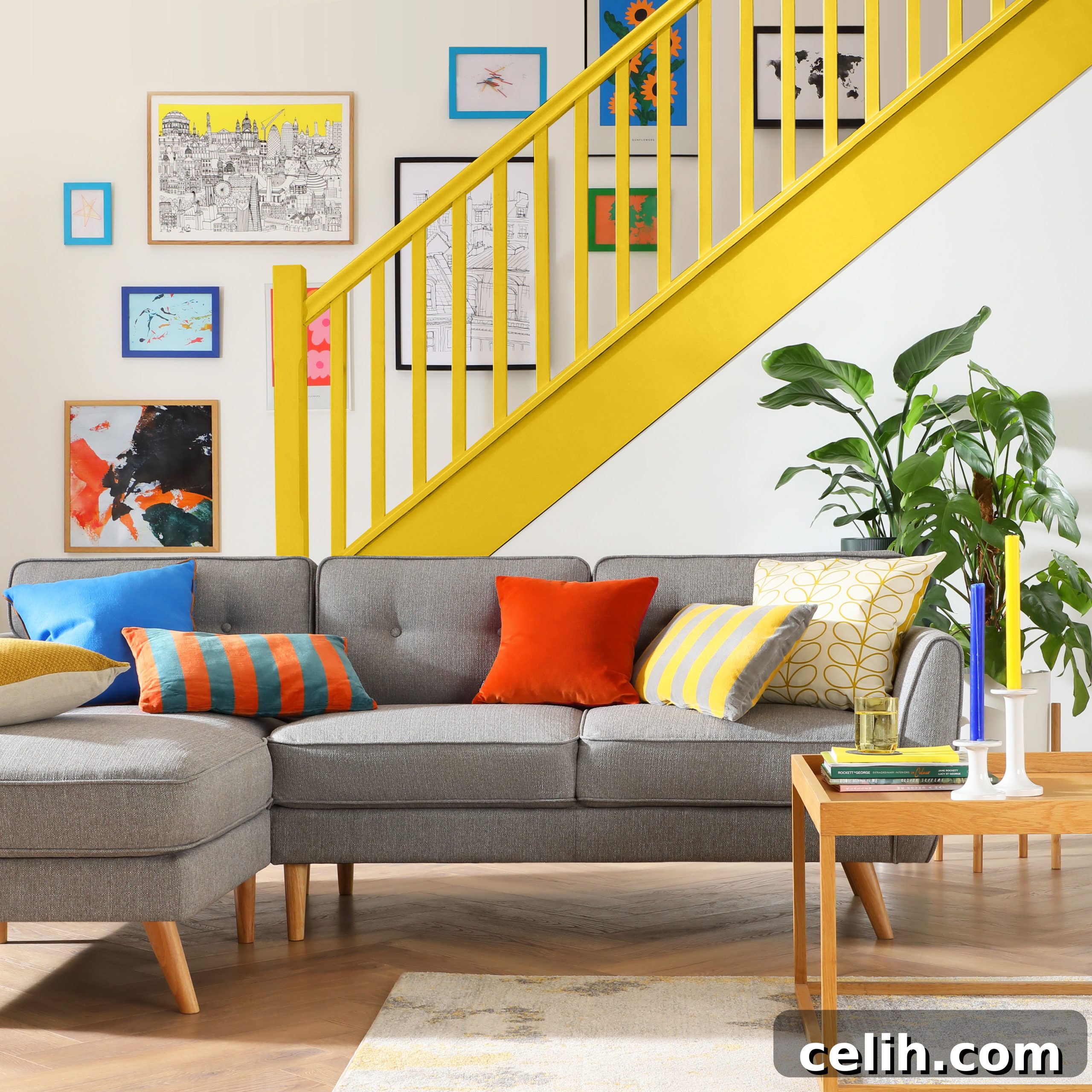
When it comes to enhancing your home’s aesthetics and functionality, stair handrails often play a more significant role than initially perceived. Far beyond their fundamental purpose of ensuring safety for you and your loved ones, the right handrail design possesses the transformative power to subtly, or even boldly, redefine the character of your living space. Whether you’re embarking on a major renovation of a grand staircase or simply seeking to refresh a few steps, the journey of selecting the ideal handrail style is a delicate balance of merging practical necessities with personal expression and design vision. It’s an opportunity to infuse elegance, modernity, or classic charm into a central feature of your home.
This comprehensive guide is crafted to navigate you through the crucial considerations in the selection of stair handrails. We’ll delve into everything from the diverse range of materials and paramount safety standards to innovative style tips that will elevate your staircase from a mere functional element to a captivating standout feature within your home’s interior design.
Exploring Diverse Stair Handrail Types for Every Home
As you begin to explore the world of stair handrails, you’ll quickly discover a rich variety of types, each meticulously designed to fulfill specific aesthetic goals, safety requirements, and spatial needs. These handrail systems vary widely in how they are supported and integrate with your staircase, offering solutions for every architectural style and personal preference. From discreet wall-mounted options that maximize space to grand freestanding designs, understanding the fundamental differences is key to making an informed choice.
Wall-Mounted Handrails: Practicality Meets Simplicity
Wall-mounted handrails stand as one of the most ubiquitous and practical styles found in residential and commercial settings alike. Their design, which involves direct attachment to the wall running parallel to the staircase, makes them an excellent choice for optimizing space in narrower stairwells, hallways, or entryways where a full balustrade might feel too cumbersome. Typically, these handrails feature a round or oval profile, specifically engineered to provide an optimal and comfortable grip, thereby enhancing user safety.
Their close proximity to the wall not only saves valuable space but also contributes to a clean, minimalist aesthetic that can seamlessly blend with various interior designs. Wall-mounted handrails are commonly crafted from durable materials such as solid wood or robust metal, allowing for versatile integration into both traditional and contemporary décors. Many homeowners gravitate towards this type due to its relatively straightforward installation process and cost-effectiveness. They are particularly effective in scenarios where consistent support is paramount, offering a steady and reliable handhold throughout the ascent or descent.
Integrated Handrails: Seamless Design and Modern Appeal
Integrated handrails represent a sophisticated design approach where the handrail is thoughtfully woven into the very fabric of the staircase itself. In this style, the handrail often forms an intrinsic part of the balustrade—the system of vertical posts (balusters) that support it—creating a unified and continuous railing that appears to organically emerge from the staircase structure. This distinctive design choice is a hallmark of modern and contemporary homes, especially prevalent in open-tread or floating staircases where visual continuity and minimalist lines are highly valued.
The materials frequently employed for integrated handrails span from rich, elegant wood to sleek, durable metal, or even a harmonious combination of both. Some innovative designs allow for truly unique shapes, intricate profiles, and specialized finishes, enabling a high degree of customization. These handrails lend the staircase an exceptionally seamless and cohesive appearance, often transforming it into the central architectural statement of a living area. Due to their bespoke nature and the intricate craftsmanship involved in their construction and installation, integrated handrails typically represent a higher investment, but they deliver unparalleled aesthetic impact and design fluidity.
Freestanding Handrails: Grandeur and Openness
Freestanding handrails are distinguished by their independent support structure, typically resting on sturdy newel posts positioned at the edge of the stairs, rather than relying on an adjacent wall. This design makes them an ideal solution for staircases that are open on one or both sides, such as those found in expansive entryways or open-plan living spaces. By providing a secure and accessible gripping surface where a wall is absent, freestanding handrails significantly enhance safety and accessibility.
The primary materials utilized for freestanding handrails often include classic wood for a warm, inviting feel, various metals (like wrought iron for traditional grandeur or stainless steel for a sleek, industrial look), or transparent glass panels for a decidedly modern and airy aesthetic. The design possibilities are vast, ranging from understated and functional to highly decorative with intricate baluster patterns. Whether for indoor grand staircases or outdoor steps exposed to the elements, freestanding handrails offer both robust support and considerable visual impact. This handrail type is particularly beneficial for larger staircases or multi-story homes where walls are simply too far away or non-existent to support a conventional wall-mounted rail.
Custom and Specialty Handrails: Uniqueness and Tailored Solutions
For those seeking to imbue their home with unparalleled individuality or address specific architectural challenges, custom and specialty handrails offer the ultimate bespoke solution. These handrails are meticulously designed to precisely fit a home’s unique style, spatial constraints, or particular needs. The material palette for custom options is virtually limitless, encompassing luxurious hardwoods, industrial stainless steel, elegant glass, innovative composites, and even more unusual choices.
Beyond material, custom handrails often feature distinctive design elements such as gracefully curved forms, intricate carvings, or integrated smart technologies like subtle LED lighting that enhances both aesthetics and safety. Opting for a custom solution ensures that you achieve an exact match for your vision, allowing for an uncompromising degree of personalization. This type is also invaluable for solving unique architectural puzzles, such as accommodating unconventional corners, navigating complex floor plans, or perfectly aligning with an existing interior décor theme. Furthermore, custom handrails can be engineered to meet specific accessibility requirements, providing extra robust support or unique ergonomic designs for individuals with mobility challenges. While the creation and installation of custom handrails may require a longer lead time and a greater financial investment, they deliver unmatched flexibility, character, and a truly personalized touch that standard, off-the-shelf options simply cannot replicate.
Selecting the Perfect Handrail for Your Home: A Comprehensive Guide
Choosing the ideal handrail for your home is a multifaceted decision that requires careful consideration of its long-term durability, its aesthetic harmony with your interior, and its paramount contribution to safety. The optimal choice will ultimately depend on the handrail’s intended location, the overarching design philosophy of your home, and the demographics of those who will most frequently use the stairs, such as active children or elderly family members. Each factor plays a crucial role in creating a functional, beautiful, and enduring stair solution.
Material and Durability Considerations: Building to Last
The material you choose for your handrail profoundly influences its lifespan, the level of maintenance it will require, and its overall feel. Each material offers distinct advantages and contributes uniquely to the home’s ambiance.
- Wood Handrails: Renowned for their timeless elegance and inherent warmth, wood handrails infuse a classic, inviting charm into any space. Popular choices include oak, maple, cherry, and walnut, each offering unique grain patterns and color variations. While incredibly appealing for traditional and transitional living spaces, wood can be susceptible to wear and tear, especially in high-traffic areas or environments with fluctuating humidity, potentially requiring periodic refinishing to maintain its pristine appearance.
- Metal Handrails: Materials such as stainless steel, aluminum, and wrought iron offer exceptional strength and resilience. These robust options are particularly well-suited for modern, industrial, or high-traffic homes where durability is a top priority. Metals are highly resistant to damage, easy to clean, and can be customized with various finishes like matte black, brushed nickel, or polished chrome, allowing them to complement a wide array of contemporary styles. Wrought iron, in particular, offers the opportunity for intricate, decorative designs that evoke a sense of heritage and craftsmanship.
- Glass Railings: While less common for the handrail itself, glass panels are frequently integrated into stair railings, often paired with minimalist metal or wood handrails. They create an incredibly bright, open, and ultra-modern aesthetic, allowing light to flow freely and preserving unobstructed views. Glass railings, typically made from tempered safety glass, require regular cleaning to maintain their pristine appearance but offer unmatched visual lightness.
- Cable Railings: Another contemporary option, cable railings consist of thin, horizontally or vertically tensioned metal cables, often combined with sleek metal or wood handrails and posts. They provide a minimalist, industrial look, maximizing transparency and creating a sense of spaciousness. Cable railings are highly durable and low-maintenance, though the cables require proper tensioning during installation.
Before finalizing your material choice, it’s essential to consider the daily users of the stairs. Factors like grip comfort for children or older adults, and the potential for wear in busy households, should guide your decision towards a material that offers both longevity and ergonomic satisfaction.
Aesthetic Preferences and Home Style: A Design Statement
Beyond its utilitarian function, your stair handrail is an unparalleled opportunity to make a profound design statement and act as a pivotal finishing touch that harmonizes your entire space. It’s not just a guide; it’s a piece of art that can truly tie together the architectural and decorative elements of your home.
For a timeless, deeply traditional, or rustic aesthetic, consider opting for handrails crafted from rich, dark woods like mahogany or walnut, often paired with ornately turned spindles or classic balusters. These choices instantly add warmth, gravitas, and a sense of enduring charm. If your preference leans towards a more contemporary, minimalist, or industrial vibe, then sleek metal handrails – perhaps in stainless steel or matte black – combined with clean lines, geometric shapes, or even frameless glass panels, will deliver a sharp, modern edge. For an eclectic or transitional style, don’t hesitate to mix materials; a warm wooden handrail supported by elegant wrought iron balusters or sleek metal posts can create a unique, custom-curated look.
The finish is equally critical. A matte black finish can introduce drama and sophistication, while brushed nickel offers subtle elegance and a contemporary feel. Natural wood stains celebrate the organic beauty of the material, grounding the space and connecting it to nature. The right handrail transcends mere utility; it transforms your staircase into an arresting focal point, drawing the eye and complementing your existing décor with intentional style. A well-chosen design adds depth, personality, and a polished sensibility that elevates even the most functional areas of your home. Whether it’s a dramatically curved wooden banister gracing a grand entryway or a simple, chic metal rail on a compact, modern staircase, a thoughtfully selected handrail is a detail that guests intuitively notice and admire, contributing significantly to both the style and the overall value of your property.
| Material | Best For | Look | Key Characteristics |
| Wood | Classic, warm, traditional, rustic homes | Natural, cozy, elegant, versatile | Timeless appeal, customizable stains, can show wear over time, requires maintenance |
| Metal (Steel, Aluminum, Wrought Iron) | Modern, industrial, durable, high-traffic areas | Sleek, minimalistic, strong, architectural | Exceptional strength, low maintenance, various finishes (matte, brushed, polished), can be cold to the touch |
| Glass (with metal/wood handrail) | Bright, open, contemporary, minimalist spaces | Modern, clear, airy, luxurious | Maximizes light, unobstructed views, requires frequent cleaning, robust safety glass |
| Cable (with metal/wood handrail) | Industrial, modern, open-plan, minimalist | Sleek, transparent, strong, understated | Minimalist aesthetic, durable, creates sense of space, cables need proper tensioning |
Installation and Safety Factors: Ensuring Secure Support
The proper installation of a stair handrail is not merely a construction task; it is the cornerstone of its functionality and, critically, its safety. A handrail must be installed with unwavering sturdiness and positioned at a height that is comfortably accessible for users of all ages and abilities. Industry safety guidelines, often referencing standards like those set by the Americans with Disabilities Act (ADA), typically recommend a handrail grip size with a diameter between 1-1/4 inches and 2 inches for optimal comfort and secure gripping. The ADA guidelines specifically advocate for a circular shape within this size range, as it provides the most effective and universal grip.
Certain materials, such as solid wood or sturdy metals, tend to be more straightforward to install and secure, often requiring standard fasteners and mounting hardware. Other materials, however, particularly glass panels or complex custom designs, may necessitate specialized hardware, precision engineering, and the expertise of professional installers to ensure structural integrity and compliance with local building codes. It is absolutely imperative to verify that the handrail is robustly anchored into the wall studs, newel posts, or staircase structure, and that there are no sharp edges, splinters, or protrusions that could cause injury. The spacing of balusters or cables must also meet local code requirements to prevent children from slipping through or getting trapped.
For households with young children or elderly individuals, a smoothly finished, consistently secure handrail is an indispensable feature for preventing slips and falls. Regularly inspect the handrail surface for any signs of wear, loose connections, or potential hazards. Periodically checking and tightening screws, bolts, or brackets can significantly prolong the handrail’s stability and reliability for many years, ensuring continuous peace of mind and safety for everyone who uses your stairs.
Conclusion: Elevating Your Home with the Perfect Stair Handrail
The journey of choosing the right stair handrail extends far beyond a simple checklist of safety requirements. It presents a remarkable opportunity to infuse your home with distinct character, sophisticated style, and an undeniable touch of polish that elevates the entire living environment. Whether your aesthetic preference leans towards the enduring warmth of classic wood, the sleek, minimalist lines of modern metal, or the airy elegance of glass, there is a perfect handrail solution meticulously designed to complement your unique space and lifestyle.
By consciously balancing both the form and the essential function of this integral architectural element, you can confidently select a stair handrail that not only performs impeccably but also looks exquisitely appealing. So, embrace the process: take your time to explore the myriad of available options, consider how each design resonates with your home’s personality, and transform this everyday fixture into a captivating, standout feature. A thoughtfully chosen handrail is an investment you will appreciate, both for its beauty and its unwavering reliability, every single time you navigate your stairs.