
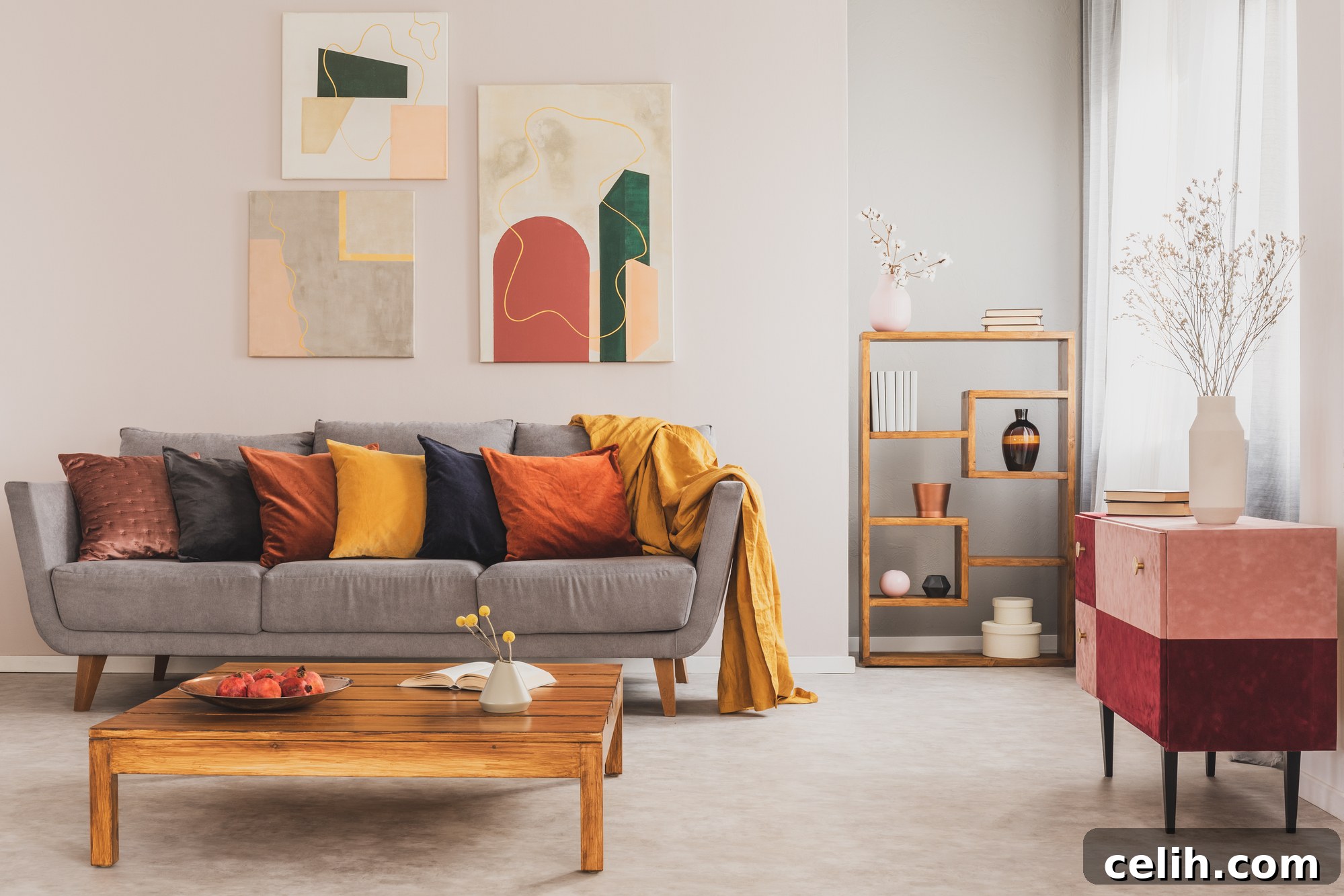
Cushions are more than just soft accessories; they are pivotal elements in home decor, capable of transforming any space from mundane to magnificent. Whether gracing your living room sofa, enhancing your bedroom’s comfort, or adding charm to your garden patio, cushions bring a unique blend of cosiness, style, and functionality. Beyond their aesthetic appeal, they offer invaluable ergonomic support, helping to improve posture and provide comfort during relaxation. In the vibrant UK market, shoppers are spoilt for choice with an extensive array of cushions. This comprehensive guide delves into everything you need to know about selecting the perfect cushions, from understanding different types and choosing complementary colours to mastering sizes, shapes, and materials to truly elevate your home.
Discovering the Diverse World of Cushion Types in UK Shops
The design and specific type of a cushion significantly dictate its primary purpose. Some are crafted purely for decorative flair, while others prioritise comfort and ergonomic benefits. However, many designs offer a versatile combination, serving both functional and aesthetic roles. Understanding these distinctions is crucial for making informed choices that meet your specific needs and design aspirations.
Throw Cushions: The Heart of Home Decor
Popularly known as sofa cushions or decorative cushions, throw cushions are indispensable for adding an immediate touch of style and personality to any room. Typically wider and taller than they are thick, these cushions are ideal for enhancing the aesthetics of your home and filling empty spaces on sofas, beds, and accent chairs. Their primary role is to inject colour, pattern, and texture, transforming the overall look and feel of a space. You can find throw cushions in an astonishing variety of fabrics, from luxurious velvets and silks to practical cottons and linens, each offering a different tactile experience and visual appeal. When selecting throw cushions, consider mixing various textures and patterns to create depth and interest, making your seating areas more inviting and visually dynamic. They are perfect for an instant refresh, allowing you to update your decor without a major overhaul.
Bolster Cushions: Ergonomic Elegance
Bolster cushions are cylindrical or tubular in shape and are primarily designed to provide excellent bodily support while resting. If you frequently experience back or neck pain, incorporating bolster cushions into your living room or bedroom can offer significant relief. Their elongated form makes them perfect for supporting the length of your spine or providing neck support when lying down. Bolsters often feature firmer fillings like memory foam, bamboo, or high-density foam to maintain their supportive shape. While their main function is support, bolster cushions can also be beautifully integrated into your decor. Pair them with other decorative cushions to create a layered look, or use them as a standalone statement piece on a chaise lounge or bed. They add a sophisticated, finished touch, combining therapeutic benefits with elegant design.
Lumbar Cushions: Essential Back Support
Named for the lower part of your back, lumbar cushions are unequivocally designed for functionality over pure decoration, though many stylish options exist. These rectangular cushions are specifically contoured to support the natural curve of the lower spine, distributing body weight evenly and alleviating pressure. By promoting an upright posture, lumbar cushions are invaluable for reducing tension and pain in the back muscles, especially for those who sit for extended periods. They are a must-have for office chairs, car seats, gaming setups, or any seating where prolonged sitting is common. When choosing a lumbar cushion, look for one with appropriate firmness and a shape that comfortably nestles into the small of your back. Investing in a good lumbar cushion is investing in your spinal health and overall comfort, making long hours of sitting far more manageable.
Box Cushions: Structured Style and Versatility
Box cushions are characterised by their distinct flat top, bottom, and connecting side panels, giving them a structured, square or rectangular shape. These cushions often feature welted edges or piping, which contributes to their formal and tailored appearance. They are particularly well-suited for built-in seating, window seats, dining chairs, benches, and upholstered furniture, where a neat, fitted look is desired. The precise lines of box cushions provide a clean aesthetic that complements contemporary and traditional interiors alike. For a slightly less formal but equally stylish alternative, consider using loose covers over box cushions, allowing for easy cleaning and seasonal changes. Their robust construction makes them durable and excellent for high-traffic areas, offering firm yet comfortable support.
Floor Cushions: Flexible Seating and Decorative Accents
As their name suggests, floor cushions are designed for placement directly on the floor. These versatile cushions excel at creating additional, flexible seating options in a casual setting, making them perfect for gatherings, meditation, or simply lounging. They can also serve as powerful decorative elements, introducing bold colours, intricate patterns, and rich textures at floor level. Available in various shapes and sizes, from large round pouffes to oversized squares, floor cushions are typically made from durable, soft, and lint-free fabrics like cotton, wool, or jute. They are particularly popular in bohemian, minimalist, or eclectic decor schemes, adding a relaxed yet chic vibe. When choosing floor cushions, consider their portability and ease of storage, especially if you plan to use them as occasional seating.
Outdoor Cushions: Durability Meets Design
Outdoor cushions are specifically engineered to withstand the rigours of external environments. While they provide the same comfort and aesthetic enhancement as indoor cushions for benches, patio chairs, and sun loungers, their construction materials are vastly different. Exposed to elements like rain, sunlight, and moisture, outdoor cushions are made from highly durable, weather-resistant fabrics such such as solution-dyed acrylic (e.g., Sunbrella), Olefin, or treated polyester. These materials are chosen for their UV resistance, preventing fading; water resistance, inhibiting mould and mildew growth; and overall longevity. Many outdoor cushions also feature quick-drying foam fillings. Investing in high-quality outdoor cushions is crucial for creating a comfortable, stylish, and long-lasting outdoor living space that can truly stand up to the elements.
Mastering Cushion Sizes and Shapes for Perfect Placement
Beyond their type, the size and shape of your cushions play a crucial role in how they look and feel within your space. Strategic mixing of shapes and sizes can add visual interest and depth, preventing your decor from appearing flat or uninspired.
Common Cushion Shapes
- Square: The most common and versatile shape, square cushions are ideal for sofas, chairs, and beds. Standard sizes include 18×18 inches (45×45 cm) and 20×20 inches (50×50 cm).
- Rectangular (Lumbar): Perfect for back support and adding a contrasting shape to a collection of squares. Typically ranging from 12×20 inches (30×50 cm) to 14×24 inches (35×60 cm).
- Round: Offer a softer, more organic feel, great for breaking up linear furniture. Sizes vary from small decorative accents to large floor cushions.
- Bolster: As discussed, these cylindrical cushions provide excellent support and a unique aesthetic. Common lengths range from 20-30 inches (50-75 cm) with varying diameters.
- Novelty/Irregular: Heart-shaped, star-shaped, or other bespoke forms can add a playful or highly decorative touch to specific settings, often best used as singular accents.
Selecting the Right Size
When choosing cushion sizes, consider the scale of your furniture and the overall proportion of the room. For a standard sofa, a mix of two 20×20 inch square cushions and one 12×20 inch rectangular lumbar cushion often creates a balanced and inviting arrangement. On a king-sized bed, larger square cushions (24×24 inches) can provide a grander feel, while smaller ones are better suited for twin beds or armchairs. Avoid overcrowding; cushions should enhance, not engulf, your furniture. Aim for a relaxed, layered look that feels organic and comfortable.
Creating Harmony with Colour Schemes and Patterns
Colour is arguably one of the most impactful decisions when selecting cushions. Even functional cushions can subtly influence the ambiance of a room, while decorative ones are key players in defining its aesthetic. When you shop for cushions in the UK, you’ll encounter an abundance of colour options and schemes. Your choice should ideally harmonise with your existing room palette and furniture. Here are some effective decor schemes to inspire your selection:
- Monochrome Colour Scheme: For those seeking a minimalist, sophisticated, or tranquil look, a monochrome scheme is an excellent choice. This involves selecting a single colour and exploring its various shades, tones, and tints. For example, a range of deep navy, sky blue, and pale azure cushions can create a cohesive yet dynamic feel. Adding different textures within this single colour palette further enhances visual interest without introducing new hues.
- Complementary Colour Scheme: This scheme utilises colours that are opposite each other on the colour wheel, such as blue and orange, or red and green. These pairings create high contrast and a vibrant visual effect, making them perfect for creating a striking focal point or injecting energy into a room. To balance the intensity, you can use varying saturations or patterns where one complementary colour dominates and the other acts as an accent.
- Analogous Colour Scheme: An analogous scheme involves selecting three colours that are adjacent on the colour wheel, for instance, blue, blue-green, and green. Because these colours share a close resemblance, they create a smooth, flowing, and harmonious visual appeal. This scheme is often found in nature and can evoke a sense of calm and unity, perfect for creating a serene and inviting atmosphere.
- Patterns and Solids: The interplay between patterned and solid cushions is fundamental for achieving a balanced and interesting look. Solid cushions provide a restful backdrop that allows intricate floral, geometric, or abstract designs on patterned cushions to truly shine. When mixing patterns, vary their scale and style (e.g., a large floral with a small stripe) to prevent clashes and create a curated, sophisticated arrangement.
- Neutral Colour Scheme: While not listed in the original, neutrals like beige, grey, cream, and white form a foundational and incredibly versatile scheme. Cushions in neutral tones create a calm and expansive feeling. To prevent a neutral room from appearing bland, focus on texture—think chunky knits, soft velvets, and woven linens—to add depth and tactile interest. Neutrals also serve as an ideal canvas for introducing seasonal pops of colour.
- Seasonal Colour Schemes: Cushions offer an effortless way to update your home decor with the changing seasons. Swap out light linens and bright colours for summer with deep velvets and warm tones for winter, or introduce festive reds and greens for the holidays. This simple change can dramatically alter the mood and character of your living space throughout the year.
Regardless of the scheme you choose, always aim to match or thoughtfully contrast your cushion colours with the existing palette of the room. This ensures a cohesive and inviting atmosphere rather than a busy or disjointed one.
Exploring Cushion Materials and Fillings: Comfort and Durability
The choice of material and filling greatly influences a cushion’s comfort, durability, and maintenance requirements. Understanding these aspects is key to selecting cushions that not only look good but also stand the test of time and offer the desired level of support.
Popular Cushion Fabrics
- Natural Fibres:
- Cotton: Breathable, soft, and easy to care for, cotton is a popular choice for its natural feel and versatility.
- Linen: Known for its strength and elegant, slightly textured appearance, linen softens with age and use, offering a relaxed sophistication.
- Velvet: Luxurious and soft to the touch, velvet adds a rich, opulent feel and is excellent for creating a cosy, inviting atmosphere.
- Wool: Durable, warm, and naturally stain-resistant, wool cushions are perfect for adding warmth and texture, especially in cooler climates.
- Silk: Offers unparalleled softness and a lustrous sheen, ideal for purely decorative, high-end accents.
- Synthetic Fibres:
- Polyester: Highly durable, resistant to wrinkles, shrinking, and stretching, polyester is often used for both indoor and outdoor cushions due to its practicality and affordability.
- Acrylic: Excellent for outdoor use, acrylic fabrics (like Sunbrella) are renowned for their resistance to fading, mildew, and water, offering vibrant colours that last.
Cushion Fillings for Every Need
- Feather/Down: Provides a soft, plush, and luxurious feel, conforming beautifully to your body. However, they require frequent fluffing to maintain their shape.
- Foam: Offers firm, resilient support and excellent shape retention. Foam cushions are durable and come in various densities, making them suitable for lumbar support and box cushions.
- Polyester Fibre: An affordable and hypoallergenic option, polyester fibre filling is soft and holds its shape reasonably well, common in decorative throw cushions.
- Memory Foam: Contours to the body, offering superior pressure relief and support, often used in bolster and lumbar cushions for therapeutic benefits.
- Eco-friendly Options: Fillings like Kapok (a natural plant fibre) or buckwheat hulls offer sustainable alternatives, often providing firm, customisable support.
Consider the intended use of the cushion when choosing its filling. A feather-filled cushion is perfect for sinking into on a sofa, while a foam or memory foam filling is more appropriate for sustained back support.
Caring for Your Cushions: Maintenance Tips for Longevity
Proper care and maintenance are essential for extending the life and preserving the beauty of your cushions. Always check the care label provided by the manufacturer, as cleaning instructions can vary significantly based on the fabric and filling material.
- Spot Cleaning: For minor spills or stains, prompt spot cleaning with a mild detergent and a damp cloth is usually the best approach for most fabrics.
- Removable Covers: Many cushions, especially throw cushions, come with removable covers that can be machine washed or dry cleaned. This makes cleaning much easier and helps keep your cushions fresh.
- Outdoor Cushions: These often require specific cleaning products designed for weather-resistant fabrics. Regular cleaning with a hose and mild soap can prevent mildew and keep them looking new. Ensure they are thoroughly dry before storing to avoid mould.
- Fluffing and Rotating: Regularly fluffing feather and fibre-filled cushions helps them regain their shape and prevents matting. Rotating cushions can also ensure even wear and tear.
Choosing Cushions That Meet Your Intended Use and Elevate Your Space
From the ergonomic benefits of a lumbar cushion in your home office to the vibrant splash of colour provided by a patterned throw cushion on your sofa, these versatile accessories are powerful tools for enhancing comfort and style. Adding cushions to your couch, bed, floor, or outdoor space immediately makes it feel more welcoming and lived-in. However, the true art lies in thoughtful selection – understanding the different types, carefully considering colour schemes and patterns, mastering sizes and shapes, and choosing appropriate materials and fillings. By doing so, you’ll ensure your cushion designs are used effectively, blending seamlessly into your space to create a balanced, inviting, and truly personalised look.