
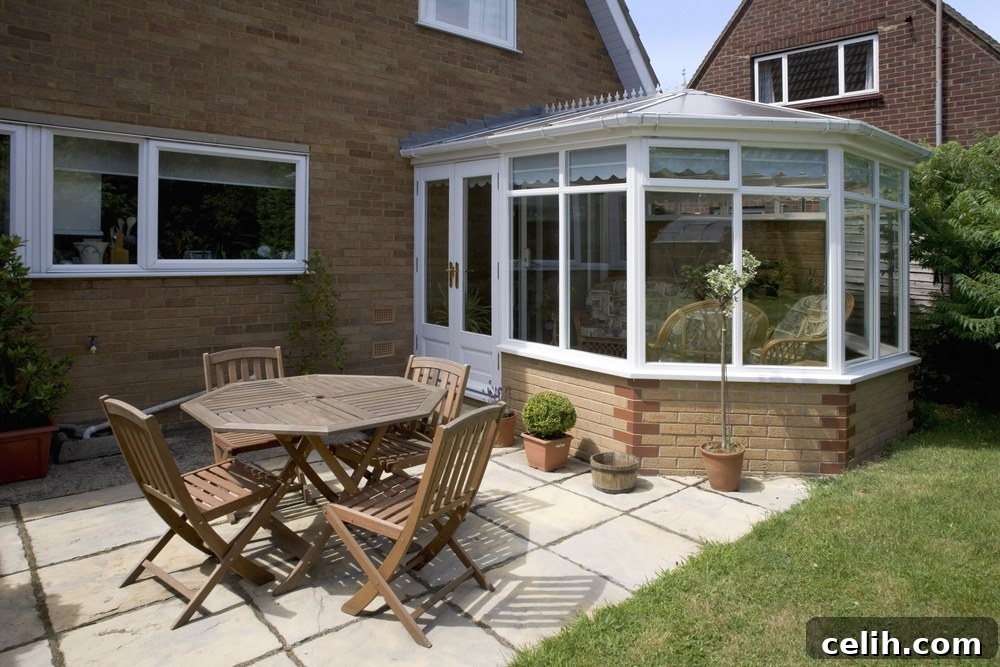
For many homeowners, the idea of transforming an outdoor space can feel like an overwhelming endeavor, particularly when it comes to installing new flooring. The thought of embarking on a significant project like revamping your backyard might seem daunting, but with the right guidance and resources, achieving a stunning outdoor oasis is entirely within reach. In today’s digital age, platforms like social media and specialized websites have democratized access to a wealth of information, empowering individuals to tackle home improvement projects with newfound confidence. Preparing thoroughly before you begin the actual installation of outdoor flooring is not just beneficial, it’s essential for success. By following professional tips and adopting a strategic approach, you can create an outdoor area that is not only beautiful and functional but also a true extension of your home’s aesthetic and value.
Crafting Your Ideal Outdoor Retreat: Selecting the Best Flooring
Before you even consider which material to lay down, a well-defined vision for your outdoor space is paramount. What purpose will this area serve? Will it be a vibrant entertaining zone, a tranquil reading nook, a bustling play area for children, or a practical pathway? Understanding the primary function will significantly influence your material choices and overall design. Once you embark on this journey, the commitment is real – there’s often no turning back without substantial effort. Therefore, investing time in careful planning and leveraging expert advice will ensure your outdoor flooring project not only meets but exceeds your expectations, transforming your home into a spectacular haven for outdoor living.
Here are crucial considerations and professional tips to guide you in creating the perfect outdoor flooring foundation:
-
Determine Your Budget: The Financial Foundation of Your Outdoor Project
The very first step in any outdoor flooring project is to establish a clear and realistic budget. This isn’t just about the upfront cost of materials; it encompasses everything from site preparation, such as excavation and leveling, to labor costs if you plan to hire professionals, the price of specialized tools, and potential unforeseen expenses. Having a defined budget acts as your financial compass, preventing you from straying towards overly expensive materials or unexpected costs that could derail your project. The objective is to select durable, aesthetically pleasing materials that align with your financial parameters, ensuring long-term satisfaction without breaking the bank. Remember that outdoor flooring prices can vary dramatically based on the type of material, its quality, and the complexity of the installation. Always prioritize materials that offer good value, balancing beauty, longevity, and affordability within your established financial limits.
-
Consider the Climate and Environmental Factors: Building for Durability
The local climate is arguably the most critical factor influencing your outdoor flooring choices. The durability and performance of your flooring will largely depend on its ability to withstand your region’s specific weather conditions. For instance, if you reside in an area prone to harsh winters with frequent snowfall and freezing temperatures, selecting frost-resistant materials like porcelain tiles, certain types of natural stone (such as granite or bluestone), or high-quality composite decking is crucial. These materials are less likely to crack or warp due to freeze-thaw cycles. Conversely, in regions blessed with year-round sunshine and heavy rainfall, you’ll need materials that can tolerate constant moisture, resist mold and mildew growth, and stand up to intense UV exposure without fading or degrading. Non-slip properties are also vital in wet climates to ensure safety. Always investigate a material’s resistance to moisture, UV rays, extreme temperatures, and general wear from environmental factors to guarantee its longevity in your specific environment.
-
Essential Tools and Supplies: Equipping for Success
Having the right tools and supplies is fundamental to the successful execution of your outdoor flooring project, whether you’re undertaking a DIY installation or overseeing professional work. The specific tools required will vary significantly depending on the material you choose. For example, if you opt for a concrete patio, you’ll need not just the concrete mix but also specialized concrete floor supplies such as trowels, edgers, floats, and perhaps a concrete mixer for larger jobs. For paving stones or tiles, you’ll require mallets, levels, tile cutters, grout floats, and compactors. Wood or composite decking projects demand saws, drills, specific fastening systems, and possibly specialized decking tools. Even for simpler projects like gravel pathways, you’ll need shovels, rakes, and landscape fabric to suppress weeds. Investing in or renting the correct equipment ensures efficiency, precision, and a professional finish, preventing frustration and potential re-work down the line.
-
Choosing the Right Material: A Deep Dive into Options
The market offers a diverse array of materials for outdoor flooring, each presenting its unique set of advantages and disadvantages. Your choice will significantly impact the look, feel, and functionality of your space. Consider these popular options:
- Concrete: A highly versatile and durable option, concrete can be poured, stained, stamped, or even polished to mimic other materials like stone or tile. It’s excellent for heavy foot traffic, relatively low maintenance (especially when sealed), and can be customized in terms of color and texture. Its drawbacks include potential cracking over time, heat retention in direct sun, and a less natural aesthetic if not enhanced with treatments.
- Pavers (Brick, Stone, or Concrete): Interlocking pavers offer excellent drainage and can create intricate patterns. Brick pavers provide a classic, warm look, while natural stone pavers (like flagstone, granite, or bluestone) offer unmatched natural beauty and durability. Concrete pavers are a cost-effective alternative with various designs. They are generally durable, easy to repair individually, and permeable. However, they can be prone to weeds growing in joints and may require periodic re-sanding and leveling.
- Wood Decking: Classic and inviting, wood decks (cedar, redwood, treated pine) provide a warm, natural aesthetic. They are comfortable underfoot and excellent for elevated spaces or creating multi-level designs. The main disadvantages are significant maintenance requirements, including regular cleaning, sealing, staining, and susceptibility to rot, insects, and splintering if not properly cared for.
- Composite Decking: An increasingly popular alternative to wood, composite decking (made from wood fibers and recycled plastic) offers the look of wood with significantly reduced maintenance. It resists rot, insects, splintering, and often comes with long warranties. While typically more expensive upfront than traditional wood, its longevity and low upkeep can offer long-term savings. Downsides can include heat retention in dark colors and a less “natural” feel for some.
- Tiles (Porcelain, Ceramic, Quarry): Outdoor tiles, especially porcelain, are incredibly durable, water-resistant, and come in a vast array of colors, patterns, and textures. They are ideal for creating a sophisticated patio or walkway, easy to clean, and frost-resistant options are available. The primary concerns are their initial cost, potential slipperiness when wet (look for textured, non-slip varieties), and the need for professional installation, particularly with grouting.
- Gravel: A highly economical and permeable option, gravel is perfect for pathways, low-traffic areas, or rustic aesthetics. It’s easy to install and provides excellent drainage. However, it requires regular maintenance for weeding, replenishing, and containing. It can also be uncomfortable for bare feet and difficult to navigate with certain types of furniture or wheels.
Thoroughly research each material, considering its aesthetic appeal, functional benefits, and potential drawbacks before making a final decision that complements your outdoor living vision and lifestyle.
-
Maintenance Requirements: Planning for Longevity
The amount of time and effort you’re willing to dedicate to maintaining your outdoor flooring should heavily influence your material selection. Some materials, while beautiful, demand considerable upkeep to preserve their appearance and structural integrity. For instance, natural stone and wooden flooring typically require regular maintenance, including sealing, staining, or oiling every few years to protect them from weathering, moisture, and UV damage. Wood decks may also need periodic sanding and treatment for mold or mildew. In contrast, materials like concrete and brick are generally lower maintenance. They can often be cleaned effectively with a simple hose or a pressure washer to remove dirt and grime, and may only need occasional re-sealing. Composite decking is prized for its minimal maintenance, often requiring just soap and water cleaning. Factor in these future responsibilities when choosing a material for your outdoor space to ensure it remains an asset, not a chore.
-
Foot Traffic and Usage: Designing for Durability and Safety
The anticipated level of foot traffic and the specific activities planned for your outdoor area are crucial considerations for material selection. A material’s inherent strength and resilience are paramount in high-traffic zones, such as main pathways, entryways, or dining patios, where daily wear and tear will be most significant. In these areas, you’ll want to choose exceptionally durable materials that can withstand constant use without showing premature signs of degradation or requiring frequent repairs. Options like robust concrete, interlocking pavers, or dense natural stone (such as granite or bluestone) are excellent choices due to their longevity and ability to handle heavy loads and continuous movement. For areas with lower foot traffic, like a secluded reading nook or a decorative garden path, you have greater flexibility to select materials that prioritize aesthetics or comfort over sheer durability, such as certain types of natural stone that might be softer, or even decorative gravel. It’s also important to consider slip resistance, especially in areas prone to moisture or near pools, to ensure the safety of everyone using the space.
Once you’ve carefully considered these factors and chosen your ideal outdoor flooring material, the next decision revolves around installation. While many homeowners are eager to embrace a DIY approach, especially for simpler projects, complex outdoor flooring installations often benefit immensely from professional expertise. Hiring a skilled contractor can be a truly ingenious idea. Professionals bring not only specialized tools and experience but also a deep understanding of proper site preparation, drainage, and installation techniques that ensure longevity and a flawless finish. They can navigate potential challenges, fill in any knowledge gaps you might have, and guarantee that your investment yields the best possible results. This ensures that every element, from the foundational flooring to the final touches, is executed with precision and care, saving you time, effort, and potential costly mistakes in the long run.
The transformation of an outdoor space extends far beyond just the flooring. While a solid, beautiful foundation is paramount, integrating impressive lighting, selecting comfortable and stylish furniture, and thoughtful landscaping will truly elevate the area into a cohesive and inviting outdoor living environment. Imagine sophisticated path lights guiding evening strolls, ambient string lights creating a magical atmosphere for gatherings, and a chic outdoor dining set inviting al fresco meals. By making deliberate changes – from choosing the perfect outdoor flooring to adding strategic lighting, beautiful, and often multi-functional furniture – your outdoor space will transition into a modern, elegant, and highly functional extension of your home, enhancing both its aesthetic appeal and overall property value.
Ultimately, investing in your outdoor flooring is an investment in your lifestyle and your property. It provides the canvas upon which memorable moments are created, from quiet mornings with a cup of coffee to lively evenings with friends and family. With careful planning, smart material choices, and either dedicated DIY effort or professional assistance, you can achieve an outdoor space that truly reflects your vision and stands the test of time, bringing joy and functionality for years to come. Begin your journey today and unlock the full potential of your outdoor living area!