
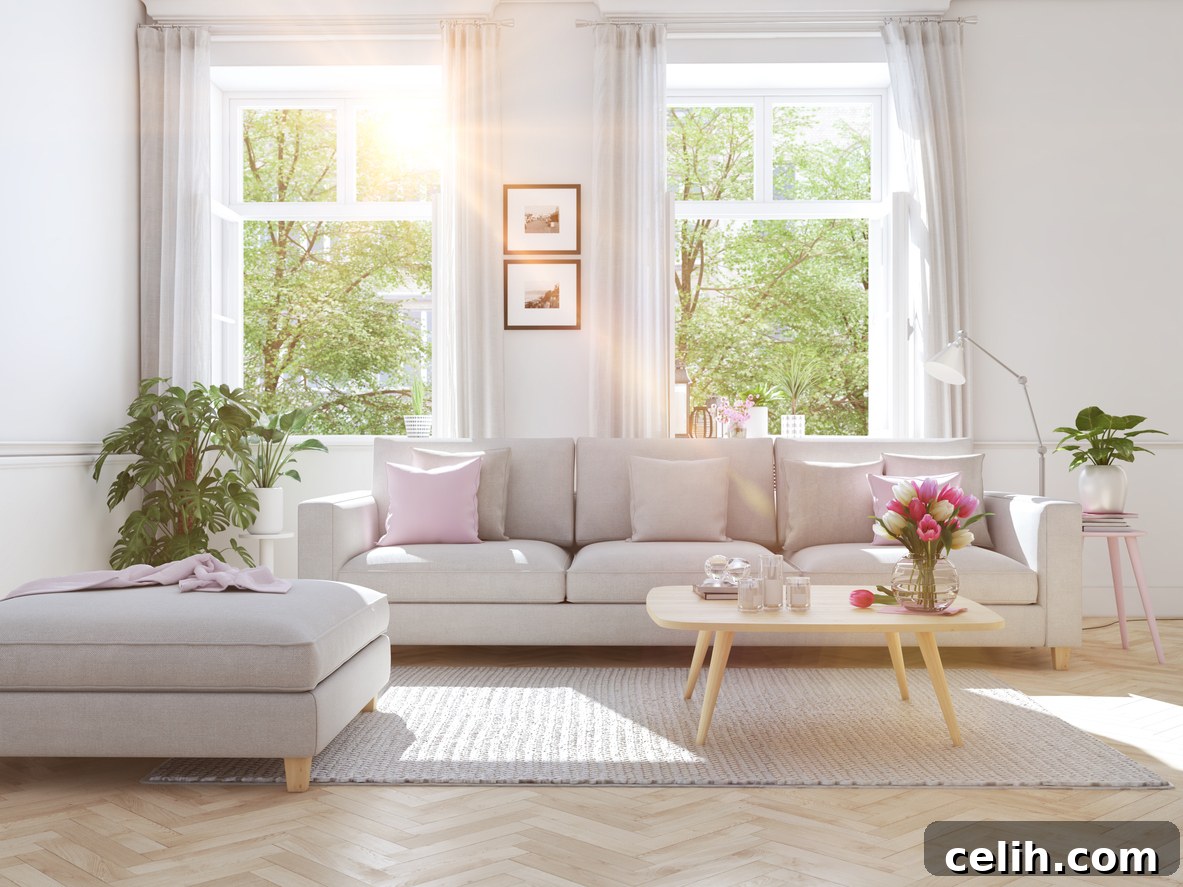
Windows are far more than just functional openings in your home; they are integral architectural elements that profoundly influence a building’s character, comfort, and energy performance. While they undeniably serve the essential purposes of providing natural light, ventilation, and a connection to the outside world, their contribution extends significantly to the overall aesthetic appeal and atmosphere of your living spaces.
Selecting the right windows can transform your residence, infusing it with brightness, style, and an inviting ambiance. Whether you appreciate the minimalist elegance of a casement window or desire the expansive charm of French balcony doors, your choice directly impacts the comfort and visual harmony of your home. Thoughtfully chosen windows can elevate your home’s curb appeal, enhance its interior design, and even boost its market value.
With a vast array of window styles and technologies available today, understanding your options is the first step toward making an informed decision that perfectly aligns with your lifestyle, architectural preferences, and practical needs. This comprehensive guide will explore the most popular window types on the market, helping you navigate the choices to find the ideal fit for your beloved home.
Navigating Your Choices: Key Considerations for Home Windows
Before diving into specific window styles, it’s crucial to consider several factors that will guide your selection process. These considerations ensure that your new windows not only look fantastic but also perform optimally for your specific situation.
- Architectural Style: The design of your home (e.g., Victorian, modern, traditional, farmhouse) should heavily influence your window choices to maintain aesthetic consistency.
- Budget: Window costs vary significantly based on type, material, glazing, and installation complexity. Establish a realistic budget early on.
- Energy Efficiency: Modern windows offer incredible advancements in insulation. Consider U-values, SHGC ratings, and glazing options (double or triple) to minimize energy loss and lower utility bills.
- Maintenance: Some materials (like uPVC) require minimal maintenance, while others (like wood) may need more regular care.
- Security: Window locking mechanisms and frame strength are vital for home security.
- Ventilation Needs: How much airflow do you need in specific rooms? Some window types offer superior ventilation.
- Privacy: Depending on your location and the room’s function, you might need windows that offer privacy solutions without sacrificing light.
- Noise Reduction: If you live in a noisy area, certain glazing options can significantly reduce sound transmission.
By keeping these points in mind, you can narrow down your options and focus on window types that genuinely enhance your living environment.
Casement Windows: Timeless Appeal and Superior Functionality
Casement windows consistently rank as one of the most popular choices for residential buildings, and for good reason. Characterized by hinges mounted on one side, they operate like a door, opening outward (or sometimes inward) to provide maximum ventilation. This design allows them to open wide, effectively catching breezes and directing them into your home, making them ideal for circulating fresh air.
Distinguished by their large, single pane of glass encased within a sturdy frame, casement windows offer an unobstructed view of the outdoors and maximize the influx of natural light. This clean, expansive glass area contributes to a brighter, more open feel within any room, making them a favorite for those who value clarity and connection to their surroundings.
Modern casement windows are incredibly versatile, available in an extensive range of sizes, colors, and materials. Homeowners can choose from durable uPVC for low maintenance, elegant aluminum for a sleek look, or classic wood for timeless charm. Beyond aesthetics, casement windows are renowned for their exceptional energy efficiency. When closed, their sash presses tightly against the frame, creating an airtight seal that significantly reduces air leakage. This robust seal, combined with options for double or triple glazing, makes them an excellent choice for improving your home’s insulation and contributing to lower energy bills.
Tilt and Turn Windows: The Epitome of Flexibility and Security
A sophisticated variation of the classic casement window, tilt and turn windows offer unparalleled flexibility through their innovative dual-opening mechanism. This clever design allows them to be opened in two distinct ways, providing homeowners with versatile ventilation and enhanced security.
Firstly, like a traditional casement window, they can swing fully inward (typically) from side hinges, offering a wide opening for maximum airflow and easy cleaning from the inside. Secondly, and uniquely, they can also tilt inward from hinges at the bottom, creating a small, secure opening at the top. This “tilt” function is perfect for gentle, continuous ventilation, allowing fresh air to circulate without fully exposing your home to the elements or compromising security. You can leave them tilted open even when you’re out, ensuring peace of mind.
Tilt and turn windows are particularly suited for contemporary homes, apartments, or any setting where controlled ventilation and increased security are paramount. Their robust hardware and multi-point locking systems provide excellent protection, while their ability to be cleaned easily from inside makes them a practical choice for upper floors or hard-to-reach areas. They truly represent a blend of functionality, safety, and modern design.
Sash Windows: A Nod to History with Modern Refinements
Sash windows derive their name from the individual glass panes, or “sashes,” which are ingeniously designed to slide vertically or horizontally within a larger frame. This distinctive style boasts a rich heritage, commonly gracing older, period properties and instantly recognizable for their classic, elegant aesthetic. If you appreciate historical architectural elements, sash windows offer an undeniable charm.
Traditionally, sash windows came in two main forms: single-hung, where only the bottom sash moves, and double-hung, where both the top and bottom sashes can slide independently. This dual-sash movement in double-hung windows allows for excellent ventilation control; you can open the bottom sash up and the top sash down simultaneously to create a natural air current that draws stale air out and pulls fresh air in. This makes them not only stylish but also highly effective for airflow.
While retaining their timeless appeal, modern sash windows have been significantly enhanced to meet contemporary demands for comfort and efficiency. Today, you can find them in all sizes, colors, and a wide array of frame materials, including uPVC, aluminum, timber, and even composite options, ensuring they can complement any home, new or old. However, it’s worth noting that the cost of sash windows can vary considerably based on your material and glazing choices. For instance, opting for double-glazed sash windows will typically be less expensive than triple glazing, and a uPVC frame will generally offer a more budget-friendly alternative to aluminum or specially crafted timber. When considering sash windows for your home, balancing your desired aesthetic with your budget is key to finding the perfect, long-lasting solution.
Sliding Windows: Streamlined Design and Uninterrupted Views
Sliding windows, and their larger counterparts, sliding doors, instantly impart a sleek, modern, and expansive feel to any home. Characterized by two or more sashes that glide horizontally along tracks, they are incredibly user-friendly and require minimal effort to open and close. This effortless operation is a significant advantage, especially for large window areas.
Beyond their ease of use, sliding windows excel at brightening interiors by allowing abundant natural light to flood into rooms. Their expansive glass panels and minimal frame obstruction create a sense of openness, effectively blurring the lines between indoor and outdoor spaces. This design can make even smaller rooms feel significantly more spacious and airy, as the window sashes slide within their frame, taking up no additional wall space when open.
The versatility of sliding windows means they can be installed in virtually all shapes, sizes, colors, and materials to match diverse architectural styles and homeowner preferences. From single sliders (where one sash moves) to double sliders (where both sashes operate), they offer flexibility in design. To maximize their benefits, it’s essential to consider the type of glazing. High-performance double or triple glazing can significantly enhance the energy efficiency of sliding windows, ensuring your home remains comfortable year-round while enjoying those vast, unobstructed views.
French Windows: Classic Sophistication and Seamless Indoor-Outdoor Flow
French windows, often referred to as French doors when they extend to the floor, are synonymous with elegance and a timeless, sophisticated aesthetic. Their characteristic design features two sashes that open outward (or sometimes inward) from the center, typically extending from top to bottom, often with multiple glass panes per sash. This design creates a grand entrance or a graceful connection between interior rooms and outdoor spaces, like a garden, patio, or balcony – a common sight on many charming balconies.
Highly appealing to homeowners seeking a stylish and enduring touch, French windows infuse any space with classic charm and an airy, open feel. They are renowned for maximizing natural light when closed and providing an expansive opening when fully open, inviting fresh air and offering broad, unobstructed views. This seamless transition from indoors to outdoors is a key reason for their enduring popularity, particularly in dining areas, living rooms, and master bedrooms.
While French windows embody a classic design that has graced homes for centuries, they have evolved to meet the demands of contemporary living. Modern French windows can be extensively customized to offer superior performance. Homeowners can now opt for double or triple glazing to achieve excellent energy efficiency, choose from durable materials like uPVC, aluminum, or engineered timber for longevity, and select from a spectrum of neutral or vibrant colors. These customization options ensure that your new French windows not only provide a beautiful, timeless aesthetic but also blend perfectly with the existing decor and architectural style of your home, delivering both beauty and modern functionality.
Bay and Bow Windows: Expanding Space and Maximizing Light
Both bay and bow windows are exceptional choices for homeowners looking to add significant elegance, architectural interest, and functional space to their properties. These distinctive window types project outwards from the exterior wall, creating a captivating three-dimensional feature that enhances curb appeal and, crucially, increases the usable square footage within your home.
The primary difference lies in their shape:
- Bay Windows: Typically feature three window units, with a large central fixed pane flanked by two smaller operating windows (often casement or double-hung) set at an angle (usually 30-45 degrees). This creates a sharp, angular projection.
- Bow Windows: Consist of four to six identical window units, usually fixed or casement, arranged in a gentle, graceful curve. This creates a softer, more rounded protrusion.
Regardless of their specific curvature, both bay and bow windows are designed to maximize the intake of natural light and offer expansive, panoramic views of the outdoors. The outward projection creates an inviting alcove inside, transforming an ordinary wall into a focal point. This additional space is often utilized to create a cozy reading nook, a charming dining area, a display shelf for plants and decor, or simply an extension that makes a room feel larger and more open. Their ability to draw in light from multiple angles makes them incredibly effective at brightening even dimly lit spaces.
Installing bay or bow windows is an investment that can significantly enhance your home’s aesthetic appeal, functionality, and overall value. They are particularly popular in living rooms, dining rooms, and kitchens, offering a luxurious touch and a wonderful connection to your surroundings.
Beyond Style: Essential Window Features for Modern Homes
While style is crucial, modern window technology offers advanced features that significantly impact comfort, safety, and energy savings. Understanding these elements will help you make a truly informed decision.
- Glazing Options:
- Double Glazing: Two panes of glass separated by a sealed space filled with inert gas (like argon) for enhanced insulation. It’s the industry standard for energy efficiency.
- Triple Glazing: Three panes of glass with two gas-filled spaces, offering even superior thermal insulation and noise reduction. Ideal for colder climates or noisy environments.
- Low-E Coatings: A microscopic, transparent coating applied to the glass reflects infrared light, keeping heat inside in winter and outside in summer, without blocking visible light.
- Frame Materials:
- uPVC (Unplasticized Polyvinyl Chloride): Excellent insulation, low maintenance, durable, and cost-effective. Available in various colors and finishes.
- Aluminum: Strong, durable, slim sightlines, and corrosion-resistant. Offers a contemporary aesthetic. Can be less thermally efficient than uPVC without thermal breaks.
- Wood: Natural beauty, excellent insulation, and timeless appeal. Requires more maintenance but offers a classic, warm look.
- Fiberglass: Extremely durable, stable, energy-efficient, and low maintenance. A premium option that resists warping and rotting.
- Energy Ratings: Look for U-value (measures heat loss; lower is better), Solar Heat Gain Coefficient (SHGC, measures solar heat admitted; lower is better for cooling, higher for heating), and Visible Transmittance (VT, measures light admitted).
- Security Features: Multi-point locking systems, strengthened glass, and robust hardware are crucial for protecting your home.
Making Your Decision: Finding the Perfect Fit for Your Home
Choosing the perfect windows for your home is an investment in its beauty, efficiency, and comfort. Take your time to assess your specific needs, considering your home’s architectural style, your local climate, your budget, and the level of maintenance you’re willing to commit to. Visualize how each window type will look and function in your space, paying attention to how it impacts natural light, ventilation, and overall aesthetics. Don’t hesitate to seek advice from reputable window professionals who can provide expert guidance and help you understand the technical specifications that will best serve your home.
Enhance Your Home’s Beauty and Comfort Today
We hope this comprehensive overview has inspired you to consider the incredible impact new windows can have on your home. Whether you’re drawn to the classic lines of a casement window, the versatile functionality of a tilt and turn, or the expansive elegance of bay and bow windows, there’s a perfect style waiting to brighten your living space. Once you’ve envisioned the ideal windows for your home interior, the next crucial step is to find a trusted and experienced installer. A professional installation ensures that your new windows perform optimally, providing years of beauty, comfort, and energy efficiency. With your new windows expertly fitted, all that’s left is to relax and truly enjoy the enhanced brightness, comfort, and refreshed aesthetic of your beautifully updated home!