
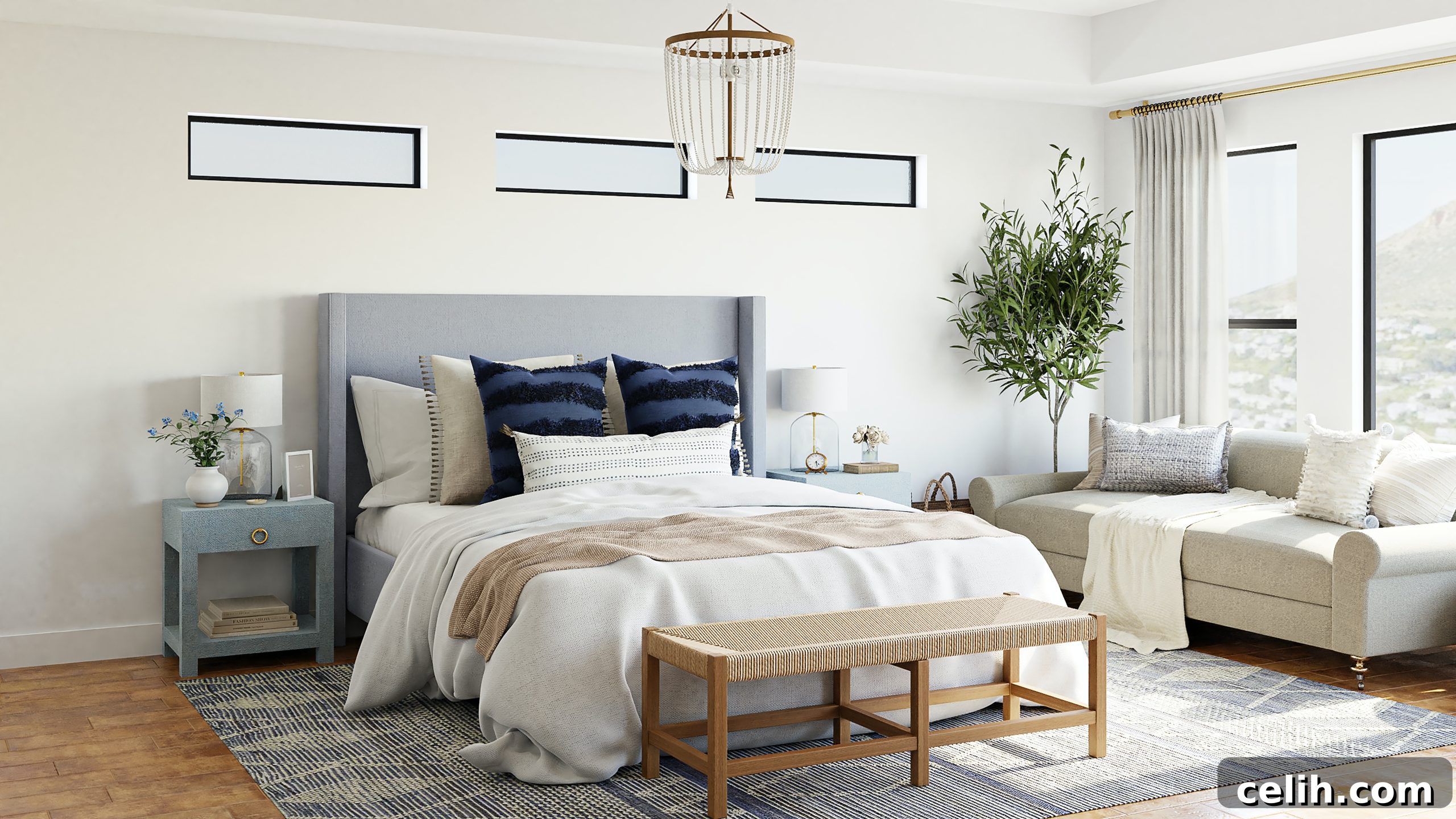
Have you ever walked through your front door after a long day and felt an immediate sense that something was missing? Perhaps the walls feel too stark, the furniture seems outdated, or there’s just a general lack of warmth and personality. This common sentiment often signals it’s time for a change, a transformation that turns a mere house into a truly aesthetic and inviting home. Crafting a beautiful living space goes beyond mere decoration; it’s about creating an environment that nurtures your soul, reflects your unique style, and offers comfort and inspiration every single day.
From the foundational choices of colors and materials to the intricate details that add character, transforming your home’s aesthetic can be an incredibly rewarding journey. It’s an opportunity to infuse your space with purpose, vibrancy, and a welcoming ambiance. This comprehensive guide will delve into some of the most effective strategies and insider tips to elevate your home’s visual appeal, making it a sanctuary you’ll adore coming back to.
Unlock Your Home’s Potential: 8 Expert Tips for an Aesthetic Transformation
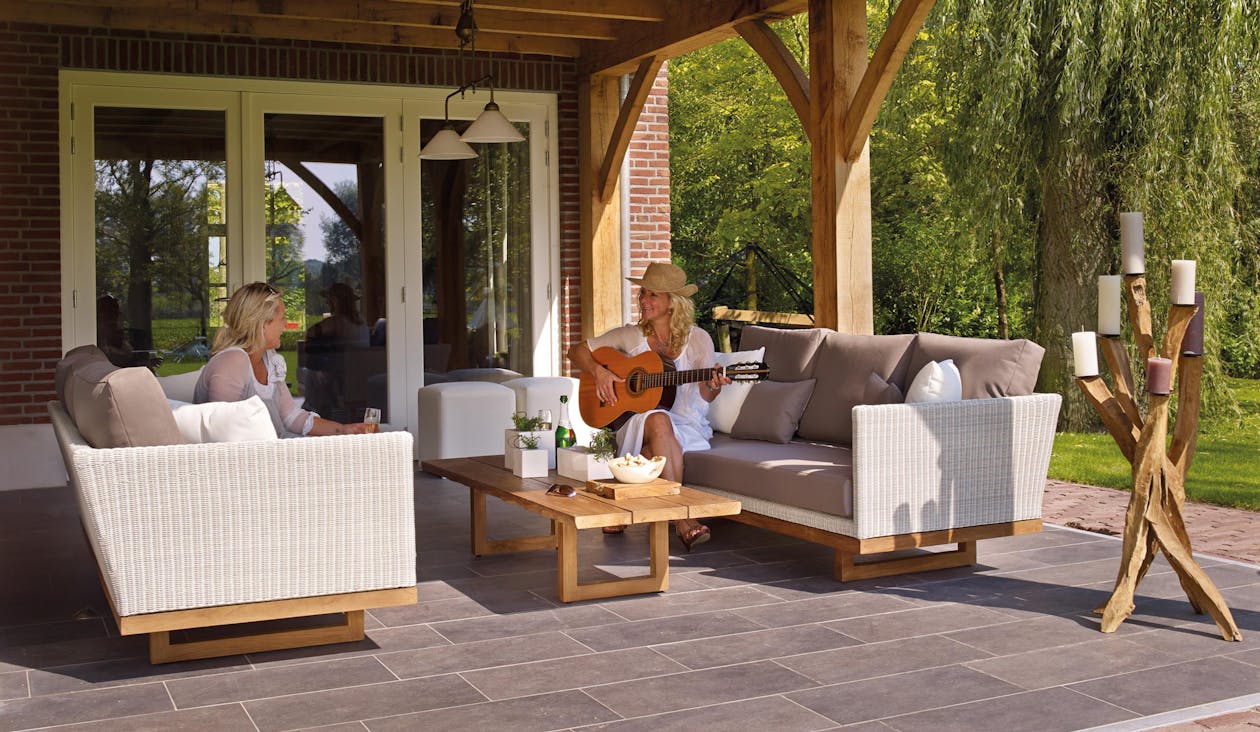
Redecorating your home offers a profound opportunity to craft an environment that genuinely mirrors your individual personality, tastes, and lifestyle. It’s an act of self-expression, allowing you to design a living space that feels authentically yours, a true reflection of who you are. Beyond the immense personal satisfaction and enhanced daily living experience, there’s a significant financial incentive: improving your home’s aesthetic can substantially increase its market value.
According to comprehensive data from the National Association of Realtors (NAR), interior design and home improvement projects yield an impressive average return on investment of approximately 50%. This statistic underscores that investing in your home’s visual appeal isn’t just an expense; it’s a strategic decision that can pay dividends, particularly if you’re contemplating selling in the future. A thoughtfully designed and aesthetically pleasing home creates an immediate emotional connection with potential buyers, distinguishing it in a competitive real estate market. Its enhanced curb appeal and inviting interiors can lead to faster sales and higher offers.
Therefore, whether your ultimate goal is to cultivate a homier, more comfortable personal sanctuary or to strategically prepare your property for sale, giving your house a thoughtful makeover is a worthwhile endeavor. Embrace your creative instincts, allowing them to guide your design choices. If selling, remember the critical role of presentation: high-quality photography is paramount. Ensure your listing photos capture the true beauty of your transformed space. This includes using tools like a background remover to eliminate any visual clutter, ensuring your home’s best features are the undeniable focal point. Here are some essential tips to help you embark on your journey to a more aesthetic and appealing home:
1. Incorporate Greenery to Invigorate Your Space
Introducing houseplants is one of the most immediate and impactful ways to inject life and vibrancy into any living area. A splash of natural green not only enhances the visual appeal of a room but also offers a myriad of health and wellness benefits. Plants are natural air purifiers, filtering toxins and improving indoor air quality, which contributes to a healthier living environment. Beyond their practical advantages, the presence of greenery has a calming effect, reducing stress and fostering a sense of tranquility and connection with nature indoors.
Investing in a variety of potted plants for shelves, ledges, windowsills, or even as standalone floor pieces can instantly elevate your home’s aesthetic. Consider grouping plants of different heights and textures to create dynamic displays. For those who may not possess a “green thumb,” fear not; there’s a vast selection of low-maintenance indoor plants that thrive with minimal care. Popular choices include the architectural Sansevieria (Snake Plant), the elegant Kentia Palm, or the unique Ric Rac Cactus, all of which are resilient and stunning additions. Succulents and ZZ plants are also excellent options for beginners, providing lushness without demanding constant attention. Integrating greenery softens hard lines, adds organic shapes, and brings a refreshing sense of the outdoors in, making your home feel more alive and inviting.
2. Add Thoughtful Color with Strategic Accessories
While painting entire walls can be a big commitment, introducing pops of color through accessories is a simple yet powerful way to transform your space. Color has a profound psychological impact, influencing mood and perception, and strategic splashes can make a room feel vibrant, energetic, or serene. Think about integrating hues that complement your existing decor or introduce a contrasting accent to create visual interest. Items like decorative pillows, luxurious throw blankets draped over a sofa, or an eye-catching area rug can instantly infuse personality and warmth.
Beyond soft furnishings, consider colorful artwork, vases, or books to add layers of visual appeal. The beauty of using accessories for color is their versatility and ease of change. You can effortlessly swap out old pieces for new ones to match seasons, holidays, or simply your evolving taste. For instance, transitioning from vibrant summer tones to rich, earthy colors and a cozy fur rug in autumn or a festive holiday print on your wall in winter can dramatically alter a room’s atmosphere. These seemingly small additions can make a monumental impact on the overall aesthetic, allowing you to refresh your home’s look without a complete overhaul.
3. Maximize and Harness Natural Light
One of the hallmarks of a truly aesthetic and inviting room is an abundance of natural light. The way light filters into a space can dramatically alter its mood, making it feel more expansive, airy, and welcoming. To fully harness this powerful element, begin by simply opening your curtains, rolling up your blinds, and ensuring nothing obstructs the flow of sunshine into your home. The goal is to allow as much daylight as possible to permeate your living areas, brightening every corner.
Beyond just opening windows, strategic design choices can amplify natural light. Consider painting your walls in light, neutral colors such as white, cream, or pale gray, as these hues are highly reflective and bounce light around the room, making it appear larger and more luminous. Heavy, opaque curtains can be swapped out for thin, sheer fabrics or blinds that allow diffused light to pass through while still offering privacy. Furthermore, keeping windows clean and clear of clutter on sills ensures maximum light entry. The benefits extend beyond aesthetics; natural light can boost mood, increase productivity, and even reduce the need for artificial lighting during the day, contributing to energy savings. Embracing natural light is a foundational step in creating a bright, positive, and aesthetically pleasing home environment.
4. Choose the Right Furniture for Your Space
The furniture you select plays a pivotal role in defining the aesthetic and functionality of your home. It’s a delicate balance between choosing pieces that are both visually appealing and comfortable for daily living. Begin by considering the overall vibe you wish to achieve in each room. If you’re aiming for a sleek, modern look, minimalist designs with clean lines and understated colors will be your go-to. Conversely, for an eclectic or bohemian aesthetic, don’t shy away from mixing and matching different styles, periods, and textures to create a unique and curated feel.
Crucially, avoid the temptation to over-furnish a room. Overloading a space with too many pieces can make it feel cramped and cluttered, diminishing its aesthetic appeal. Instead, opt for a few key pieces that serve multiple purposes and allow for ample negative space, which contributes to an open and airy atmosphere. Consider the scale and proportion of furniture relative to the room’s size; oversized pieces in a small room can be overwhelming, while tiny furniture in a large room might look lost. Don’t forget the power of accent furniture pieces, such as a stylish bench, a uniquely shaped side table, or a decorative console, which can add significant character and functionality without consuming too much space. Each piece should contribute to the room’s narrative, enhancing both its utility and its overall design harmony.
5. Utilize Mirrors to Reflect Light and Space
Mirrors are far more than just functional items for checking your appearance; they are powerful tools in interior design, capable of dramatically altering the perception of a space. Their primary function in aesthetic enhancement is their ability to reflect natural light, effectively doubling its presence in a room. By strategically placing mirrors in areas that receive the most sunlight – perhaps opposite a window or near a light source – you can amplify brightness, making the entire room feel more radiant and inviting. This clever trick is especially beneficial in darker rooms or those with limited natural light access.
Beyond light reflection, mirrors are exceptional at creating an illusion of expanded space. A large mirror can make a small room feel significantly larger and more open by reflecting the room itself, creating depth and dimension where none existed. Experimentation is key to unlocking their full potential. Play with different shapes and sizes – from grand, ornate mirrors that serve as a focal point to a collection of smaller, uniquely shaped mirrors forming a gallery wall. Consider full-length mirrors to add verticality, or circular mirrors to soften angular spaces. The frame of a mirror can also contribute to the room’s aesthetic, acting as a decorative element itself. With thoughtful placement, mirrors can transform a mundane wall into an intriguing feature, adding both function and undeniable style to your home.
6. Incorporate Varied Textures for Added Interest and Depth
Texture is a vital, yet often underestimated, element in interior design that significantly contributes to a room’s visual weight, balance, and overall aesthetic richness. Incorporating a variety of textures prevents a space from feeling flat and uninspired, instead adding layers of depth and intrigue. As your eye moves across a room, different textures create a dynamic visual journey, making the space feel more curated and inviting. Think of texture not just as how something feels to the touch, but also how it appears visually – the perceived roughness of exposed brick, the smoothness of polished metal, or the softness of a plush rug.
To integrate various textures, look to elements like throw pillows made from different fabrics such as chunky knit wool, smooth silk, or plush velvet. Layering rugs – perhaps a sisal rug beneath a softer, patterned one – can define zones and add tactile interest to your floors. Consider bedding ensembles that combine cottons, linens, and faux fur for a luxurious and inviting bedroom. Furniture materials also offer textural opportunities: a sleek leather sofa contrasted with a wooden coffee table, or metallic accents next to woven baskets. Even subtle details like a ceramic vase, a textured wallpaper, or a piece of driftwood can introduce unique tactile dimensions. By consciously layering different textures, you can create a multi-sensory experience that makes your home feel more sophisticated, comfortable, and aesthetically complex.
7. Hang Creative and Personal Wall Treatments
The walls of your home are essentially blank canvases, offering immense potential for aesthetic expression that many often overlook. Thoughtful wall treatments can dramatically transform the character of a room, adding visual interest, depth, and a unique personal touch. Moving beyond a simple coat of paint, consider the myriad of options available to make your walls speak volumes about your style.
An unexpected paint color can serve as a bold statement, creating a dramatic accent wall or setting a sophisticated mood for the entire room. For those seeking more intricate designs, wallpapers offer endless patterns, textures, and even murals that can transport a space to another realm. From subtle geometric prints to lush botanical motifs, wallpaper introduces a level of detail and artistry that paint alone cannot achieve. Another popular and highly personalized approach is creating a gallery wall. This involves curating a collection of art prints, framed photographs, cherished mementos, and even decorative mirrors to tell a visual story. The arrangement can be meticulously organized for a formal look or playfully eclectic for a more casual vibe. Experiment with different frame styles, sizes, and orientations to create a dynamic display. Beyond these, consider wall paneling, fabric wall hangings, or even decorative shelving units to add architectural interest. The possibilities for creative wall treatments are truly limitless, bounded only by your imagination. The key is to have fun with the process, allowing your walls to become an integral part of your home’s unique aesthetic narrative.
8. Experiment With Thoughtful and Layered Lighting
Lighting is arguably one of the most transformative elements in interior design, possessing the power to completely set the mood for your space, highlight architectural features, and create a warm, inviting atmosphere. Beyond mere illumination, effective lighting design involves layering different types of light to achieve depth and versatility. This typically includes ambient lighting (general illumination), task lighting (for specific activities), and accent lighting (to highlight art or architectural details).
Begin by investing in statement lighting fixtures that double as works of art, such as an elegant chandelier in the dining room, stylish pendant lights over a kitchen island, or sophisticated sconces flanking a fireplace. These pieces not only provide light but also serve as focal points, enhancing the room’s overall aesthetic. Table lamps and floor lamps are essential for providing task lighting and ambient glow, allowing you to create cozy corners for reading or relaxing. Consider lamps with dimmers to easily adjust the intensity and mood of the light. For an added touch of whimsy and warmth, experiment with string lights or fairy lights. These can be draped along shelves, around windows, or even within glass jars to cast a lovely, soft, and inviting glow. They offer enough light to brighten a room without being overwhelmingly bright, perfect for creating a relaxed and intimate ambiance. By strategically combining these various lighting elements, you can craft a dynamic, functional, and aesthetically pleasing environment that adapts to different times of day and different activities.
Key Takeaways for Your Home Aesthetic Journey
Embarking on the journey to improve your home’s aesthetic is an investment in both your quality of life and your property’s value. A thoughtfully designed home transcends mere shelter; it becomes a warm, inviting atmosphere that embraces you and your guests, fostering comfort, inspiration, and a profound sense of belonging. Furthermore, as highlighted by industry statistics, these enhancements are not just expenses but strategic improvements that can significantly boost your house’s market appeal and resale value. By implementing even a few of these transformative ideas, you can create a space that genuinely feels like home—a place you love, where every detail reflects your unique style and taste. Remember, the goal is to curate an environment that is not only visually pleasing but also deeply functional and emotionally resonant.
Here’s a concise summary of the most impactful ways you can make your home more aesthetic, turning your vision into a beautiful reality:
- Embrace Greenery: Integrate houseplants like the Kentia Palm, Sansevieria, or various succulents to infuse your space with natural beauty, purify the air, and create a calming indoor environment.
- Strategic Color Accents: Introduce vibrant hues through decorative pillows, stylish throw blankets, and area rugs to add personality and visual interest without a permanent commitment.
- Maximize Natural Light: Optimize daylight by opening curtains, using sheer window treatments, and painting walls in light, reflective colors to make rooms feel larger, brighter, and more inviting.
- Thoughtful Furniture Selection: Choose furniture that balances functionality with style, selecting pieces appropriate for your space’s size and desired aesthetic, focusing on quality over quantity to maintain an open, airy feel.
- Reflective Mirrors: Strategically place mirrors to not only reflect natural light but also to create an illusion of increased space, adding depth and a decorative element to your walls.
- Layered Textures: Incorporate a variety of textures through soft furnishings, rugs, and decorative items to add visual weight, depth, and a tactile richness to every room.
- Creative Wall Treatments: Experiment with unexpected paint colors, unique wallpapers, or a curated gallery wall of art and photos to personalize your space and add significant visual interest.
- Dynamic Lighting Design: Invest in layered lighting, combining ambient, task, and accent fixtures like chandeliers, pendant lights, table lamps, and even string lights to set the mood and enhance functionality.