
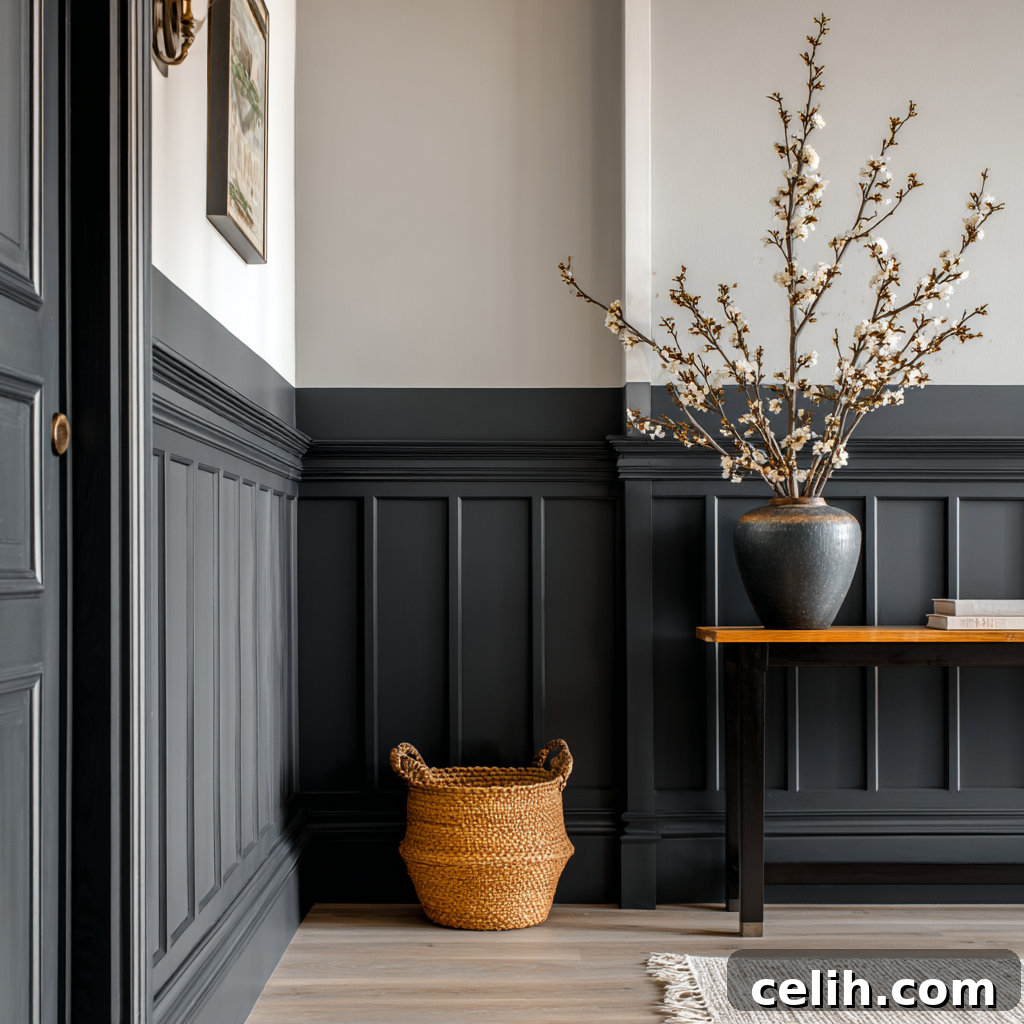
If you’ve ever walked through a historic home or admired a polished hallway, you’ve likely noticed the charm of wainscoting. This classic wall treatment brings instant architectural interest and a sense of timeless style. But what exactly is wainscoting, and where does it work best? Below is a clear guide to what wainscoting is, its history, materials, styles, costs, DIY tips, and budget-friendly alternatives so you can decide whether it’s right for your space.
What Is Wainscoting?
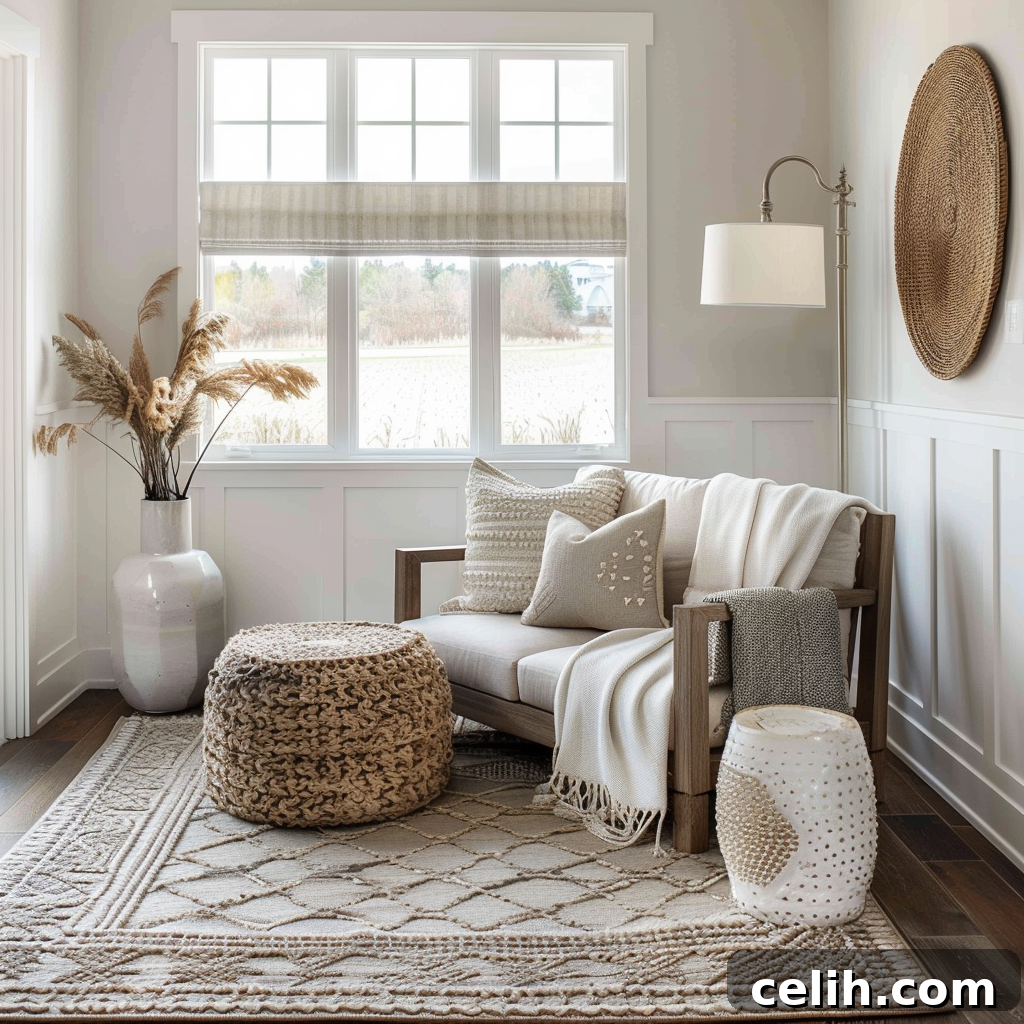
Wainscoting is a decorative and protective wall covering that typically occupies the lower portion of an interior wall — commonly the bottom third, up to a chair rail height. Originally installed to shield plaster walls from wear, drafts, and dampness, it has evolved into a favored design element that blends function with fashion. Most installations feature a series of panels framed with rails and moldings, and some styles extend higher for added drama.
A Brief History of Wainscoting
Wainscoting dates back to 16th-century Europe, especially England and the Netherlands. Early versions were practical: wooden panels helped insulate homes built of stone or timber and protected walls from moisture. Crafted from premium oak and often hand-carved, these panels gradually became symbols of wealth and refined taste in Georgian and Victorian interiors. With industrialization in the 19th century, production methods made wainscoting more accessible, and simpler styles like beadboard became popular in cottages and farmhouses.
Where Does Wainscoting Work Best?
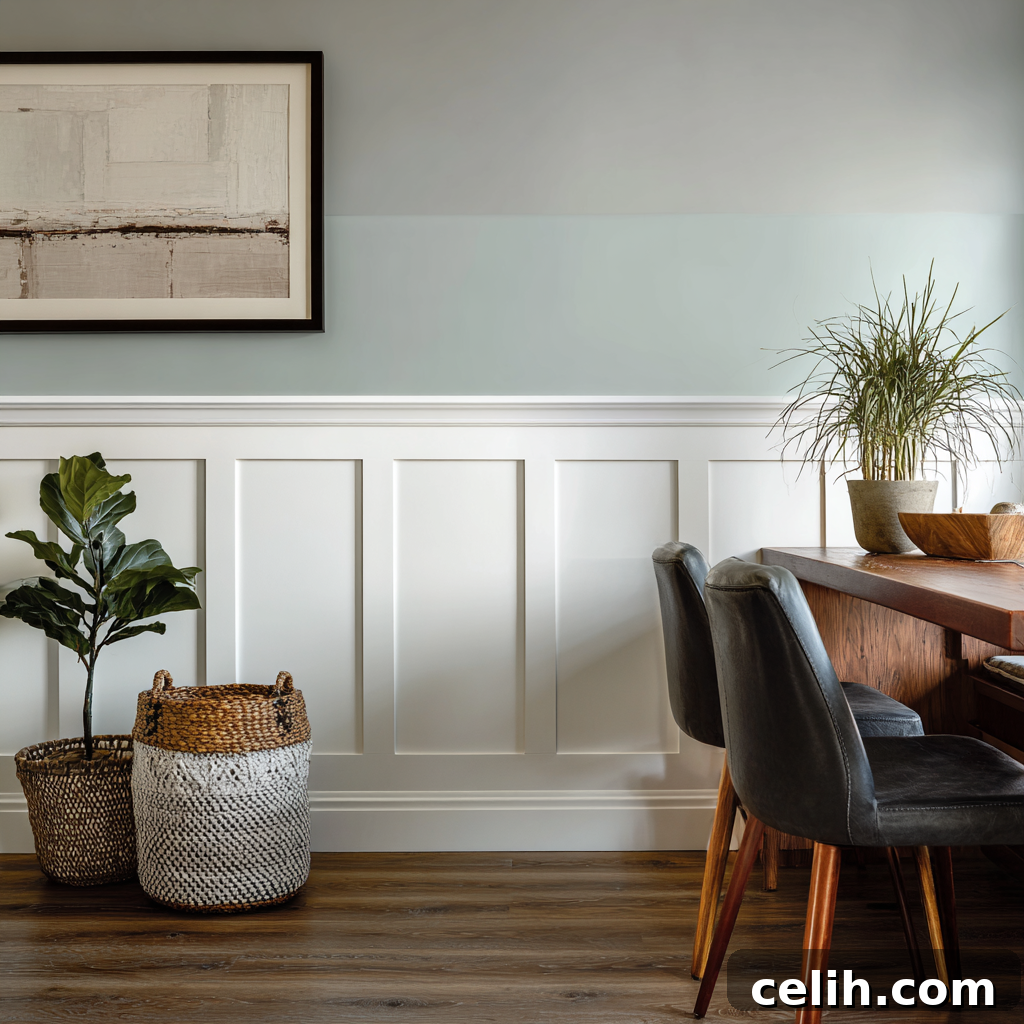
Wainscoting is surprisingly versatile. Typical rooms and areas that benefit include:
- Entryways & Hallways: Durable and visually interesting for high-traffic zones.
- Dining Rooms: Adds formality and warmth to dining spaces.
- Living Rooms: Provides depth and architectural character.
- Bathrooms: With moisture-resistant materials, it’s both practical and attractive.
- Stairwells: Creates a dramatic backdrop along rising walls.
Materials: What Are Wainscoting Panels Made Of?
Modern wainscoting appears in a variety of materials, chosen based on budget, desired look, and room conditions:
- Solid wood: Classic, durable, and suitable for staining or painting.
- MDF (Medium-Density Fiberboard): Cost-effective, stable, and takes paint well.
- PVC & Vinyl: Moisture-resistant options ideal for bathrooms and basements.
- Plywood: Affordable and commonly used in DIY builds.
- Reclaimed wood: Offers rustic character and eco-friendly appeal.
How Much Does Wainscoting Cost?
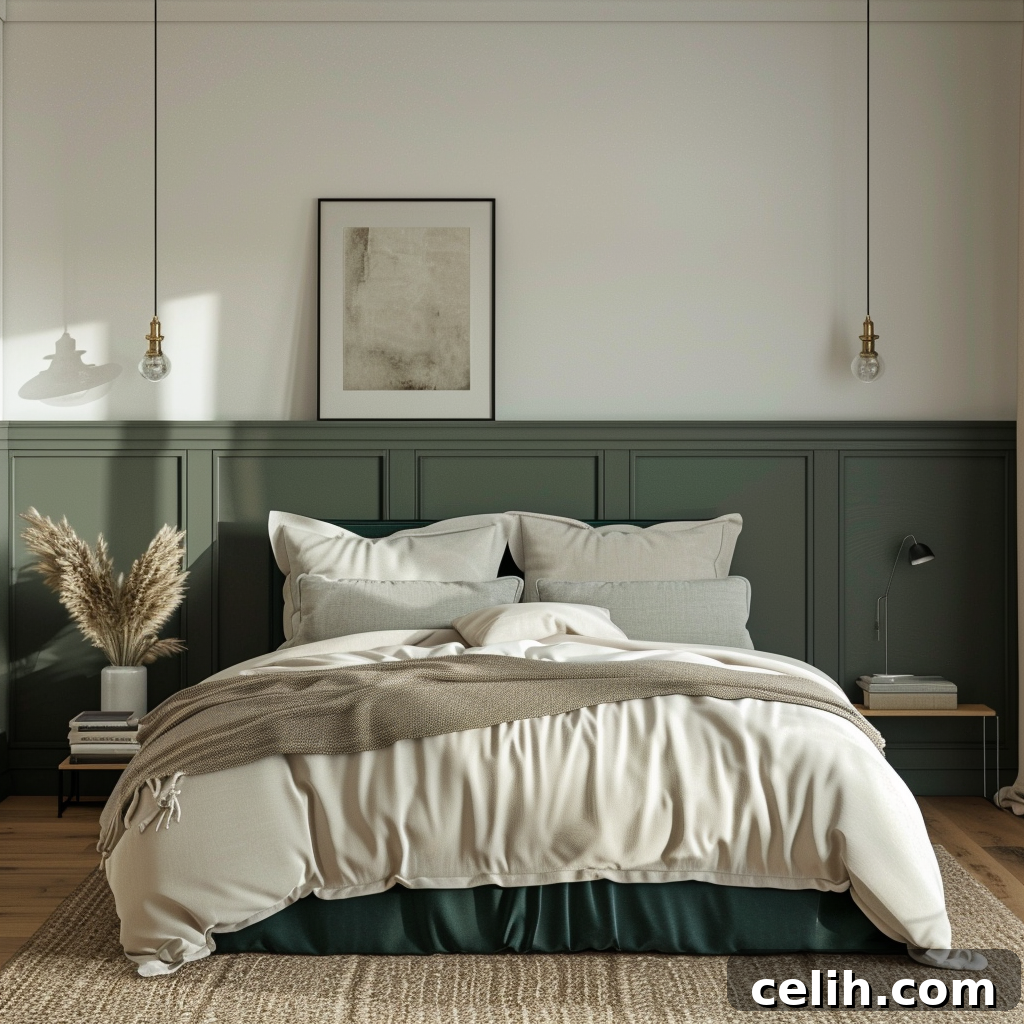
Costs vary by material, room size, and installation complexity. Typical ranges are:
- DIY kits: $1.50–$6 per square foot for materials like MDF or PVC.
- Professional installation: $8–$20 per square foot for standard installs; higher for intricate work.
- Custom woodwork: $25+ per square foot for ornate or premium wood.
A small bathroom can be an economical DIY project, while high-end custom wainscoting in larger rooms can cost several thousand dollars.
Budget Planning by Room Size
| Room Type | DIY Cost Range | Professional Install |
| Small Bathroom | $200–$400 | $800–$1,500 |
| Hallway (10 ft) | $250–$500 | $900–$1,800 |
| Dining Room | $500–$1,200 | $2,000–$4,500 |
| Stairwell | $400–$900 | $1,800–$3,500 |
Styles of Wainscoting
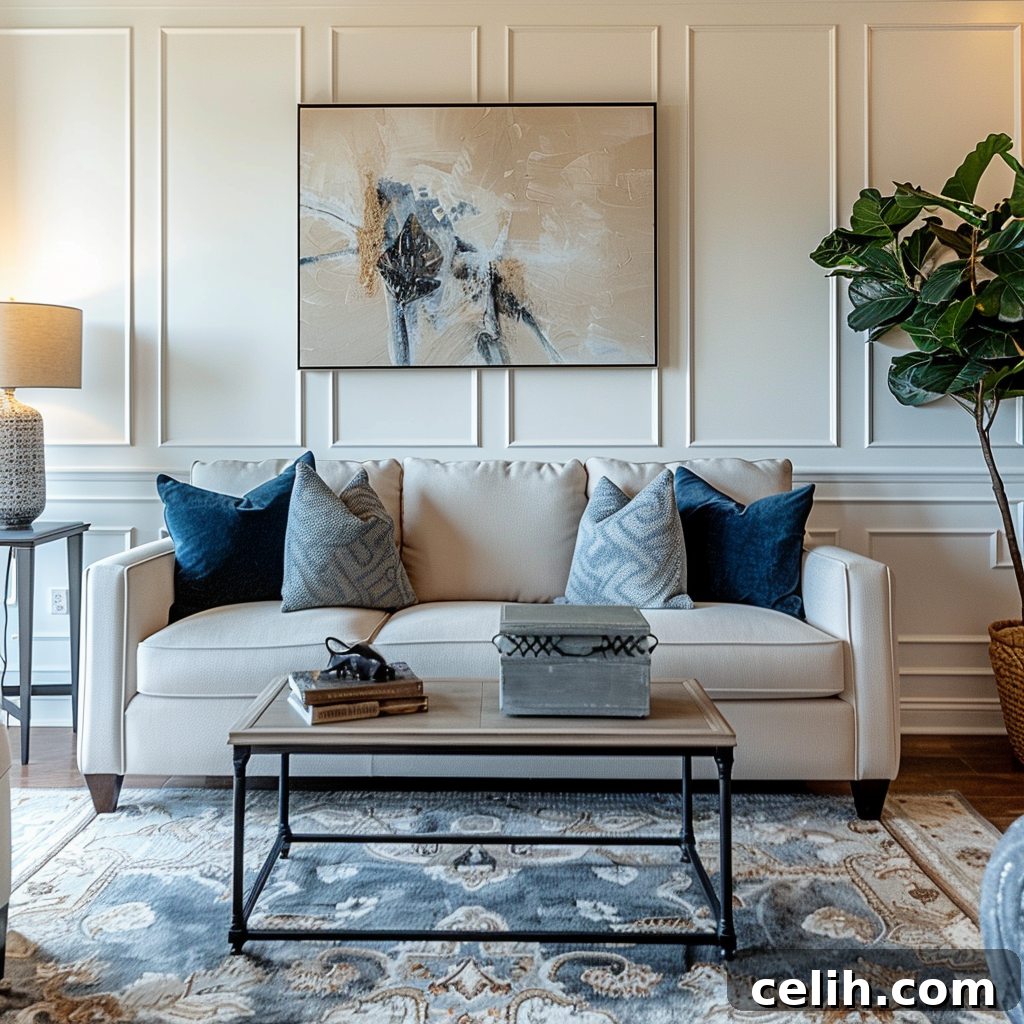
Popular wainscoting styles include:
- Beadboard: Narrow vertical planks with grooves; cozy and cottage-friendly, easy to install as pre-cut panels.
- Raised panel: Traditional, elegant panels with a carved, dimensional look, suited to formal rooms.
- Flat (recessed) panel: Clean, simple panels set behind rails for a modern or Craftsman look.
- Board and batten: Wide boards with narrow battens covering seams; adds vertical emphasis and height.
- Overlay: Flat panels enhanced with applied moldings to mimic raised details without complex joinery.
Pros and Cons
Pros: Wainscoting adds architectural interest, protects walls from damage, can increase perceived value, and is highly customizable. Cons: It can be costly, requires accurate installation, may visually shrink small rooms if dark or too tall, and painted finishes need occasional upkeep.
Wainscoting vs. Paneling
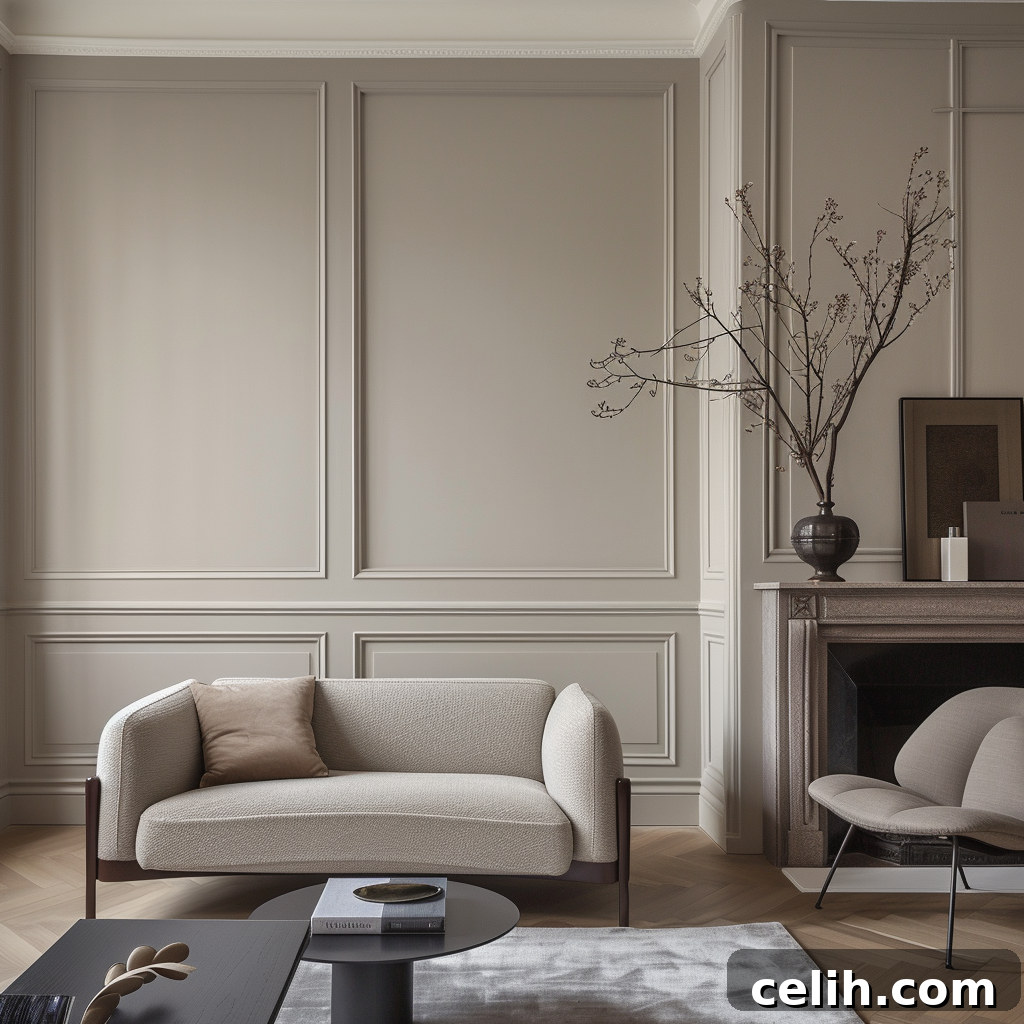
Wainscoting is a form of paneling that covers only part of a wall, typically the lower third to half. Paneling can run floor to ceiling and includes a broader set of wall treatments, from rustic planks to sleek modern slats.
DIY Wainscoting: How Easy Is It?
DIY wainscoting is achievable for those with basic carpentry skills. Skill level is intermediate: you should be comfortable with measuring, cutting, and fastening. With pre-made panels or kits, a small project can be completed over a weekend; more complex installs may take several days. Essential tools include a measuring tape, level, saw, nail gun or hammer, stud finder, caulk, filler, and paint.
Basic steps: plan the layout and height, prep and mark the wall, cut panels and trim, install the baseboard and panels, add vertical and horizontal trim, fill and sand, then prime and paint. Key tips: measure carefully, pre-paint where practical, and use caulk to hide gaps for a professional finish.
Choosing Wainscoting Colors
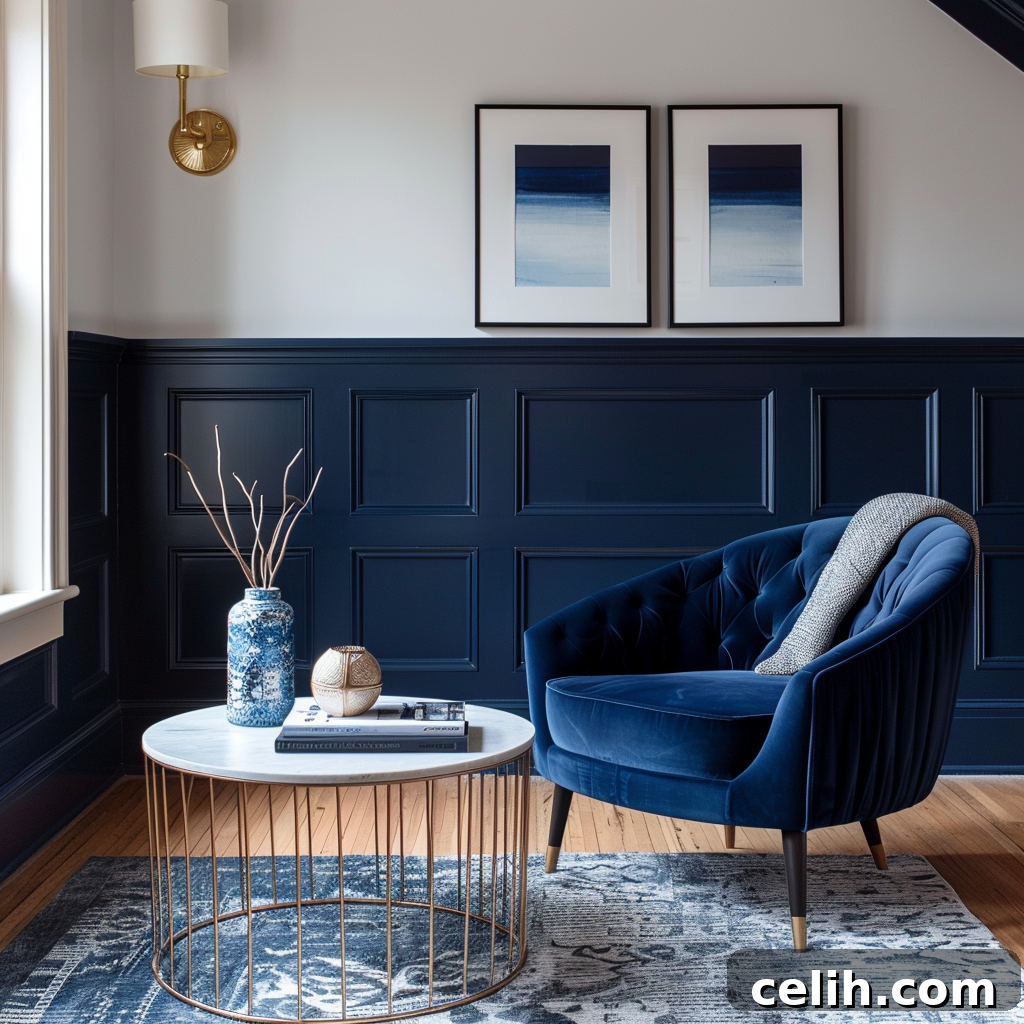
Color choice affects mood and perceived scale. Traditional homes often favor white or soft neutrals; modern spaces may use bold contrasts like navy or charcoal. For coastal looks, light blues and seafoam work well; craftsman and mission styles benefit from earthy tones. A useful tip: pay attention to color temperature — pairing cool-toned wainscoting with warm upper walls (or vice versa) helps create depth and balance. Always test paint samples in different lighting before committing.
Budget-Friendly Alternatives
If full wainscoting is beyond your budget, consider these alternatives:
- DIY beadboard panels: Affordable and easy to install.
- Textured wallpaper: Imitates beadboard or paneling at a lower cost.
- Picture frame molding: Create faux panels on drywall and paint them for a high-impact look.
- Peel-and-stick panels: Temporary, renter-friendly options that mimic wood.
- Plywood panels: Cut and paint plywood for a custom look on a budget.
Final Thoughts: Is Wainscoting Right for Your Home?
Wainscoting is a versatile, durable, and elegant way to add character to a room. Used sparingly, it can transform key spaces like entryways, dining rooms, and bathrooms without overwhelming the home. Whether you choose a DIY approach, a budget alternative, or custom millwork, wainscoting remains an enduring interior feature that blends architectural detail with everyday practicality.
Related Posts
Best materials for wall panels
Benefits for wood wall paneling
Embracing wood paneling for a warm home makeover
Mixing and matching: How to combine wood paneling with other materials