
In today’s dynamic economic landscape, where the weight of credit card debt often influences significant financial decisions, homeowners find their interior design choices increasingly shaped by their fiscal realities. The interplay between aesthetic aspirations and practical financial considerations can dramatically alter how individuals approach setting up their living spaces, from the foundational decision of purchasing a home to the intricate details of furnishing a master bedroom.
This article delves into how financial responsibilities, particularly the pervasive nature of credit card debt, impact homeowner choices in interior design. We’ll explore strategies for creating beautiful, functional, and personal living environments without succumbing to financial strain, emphasizing thoughtful budgeting, smart shopping, and creative solutions that blend style with economic prudence.
Navigating Homeownership Amidst Credit Card Debt
Credit card debt represents a significant financial burden for countless individuals and families, profoundly influencing various aspects of life, including the monumental choices associated with homeownership and the subsequent interior design preferences. A comprehensive understanding of this financial challenge is crucial for making informed decisions that pave the way for a stable and aesthetically pleasing living environment.
Understanding the Landscape of Average Credit Card Debt
The term ‘average credit card debt’ serves as a crucial indicator, reflecting the typical financial obligation carried by cardholders across the nation. Recent financial surveys consistently highlight an upward trend in this average for many households, positioning it as a central concern for prospective and current homeowners. This escalating debt often necessitates a larger portion of household income being allocated to servicing these financial commitments, thereby reducing the funds available for discretionary spending on items such as home furnishings, decor, and renovations. Consequently, homeowners are increasingly gravitating towards more financially efficient interior design choices, prioritizing essential, durable items over transient luxury goods. This shift not only impacts immediate purchases but also cultivates a mindset geared towards sustainable and cost-effective home improvements, ensuring long-term financial health alongside aesthetic satisfaction.
Impact on Down Payment and Home Size Choices
For individuals aspiring to homeownership, existing credit card debt can significantly constrain the amount they can allocate towards a down payment. A substantial debt load may necessitate a smaller initial down payment, which in turn can limit options regarding the size, location, and overall quality of the house they can realistically afford. Lenders often scrutinize debt-to-income ratios, and higher credit card balances can make securing favorable mortgage terms more challenging. With less disposable income available post-mortgage, homeowners frequently find themselves opting for smaller, more manageable living spaces. These compact homes, while potentially offering less square footage, present a more budget-friendly canvas for interior design, allowing homeowners to furnish and decorate effectively without overextending their finances. This decision often reflects a pragmatic approach, balancing the dream of homeownership with the reality of financial constraints, ultimately leading to smart, sustainable choices in both property selection and interior styling.
Embracing Minimalist Design Approaches for Financial Prudence
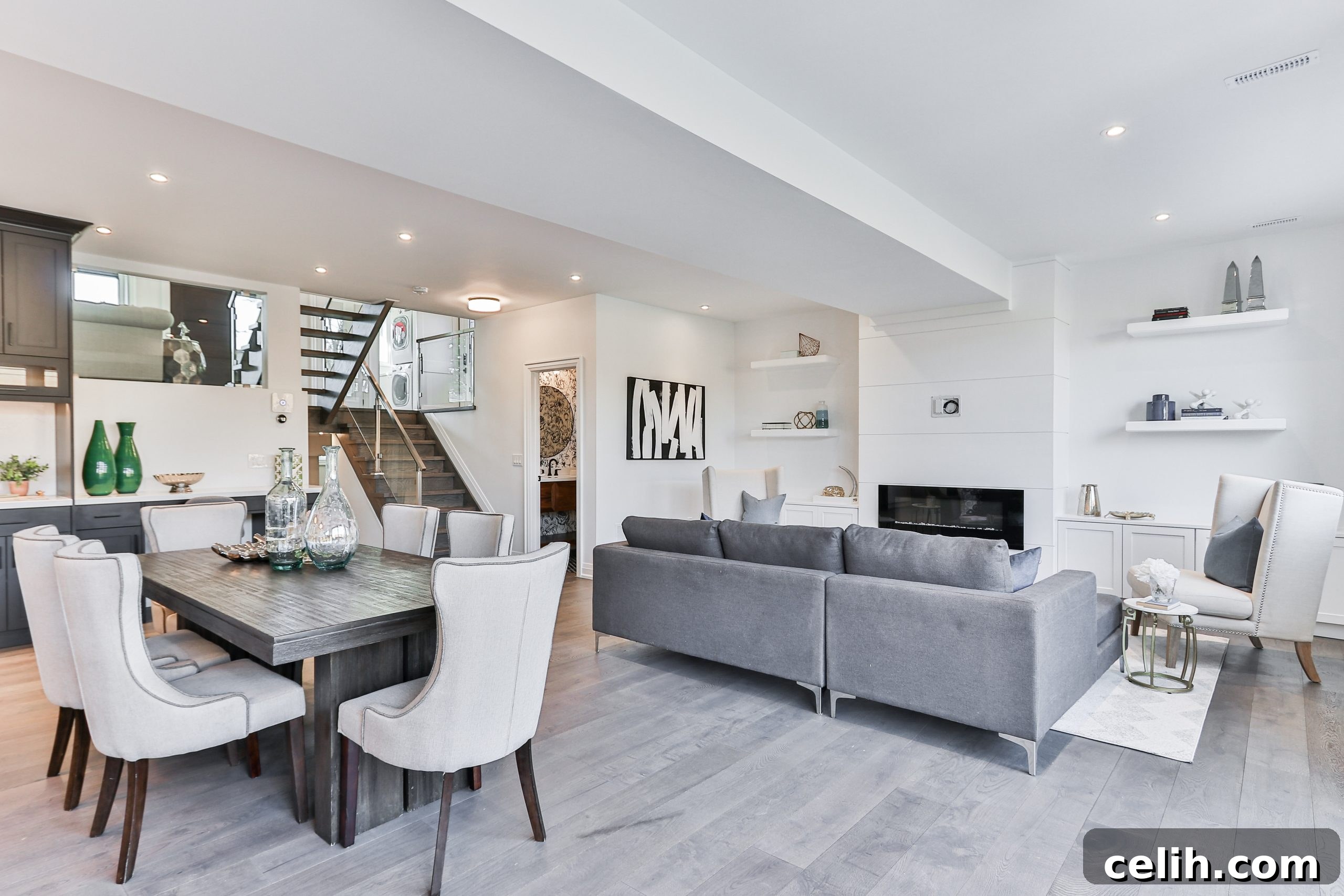
As the shadow of credit card debt looms, a growing number of homeowners are thoughtfully embracing minimalist interior design principles. This shift is not merely a passing trend but a conscious financial strategy. Minimalism, in this context, does not equate to sacrificing style or comfort; rather, it’s about making deliberate choices that prioritize functionality, affordability, and timeless appeal. Minimalist approaches inherently advocate for decluttering and reducing excess, which naturally diminishes the need for numerous furniture pieces, elaborate decorations, or extensive storage solutions. By focusing on essential, high-quality items that serve multiple purposes and contribute to a serene aesthetic, homeowners can create elegant and inviting spaces without incurring substantial costs. This design philosophy fosters an environment of calm and order, free from the visual and financial burden of unnecessary possessions, aligning perfectly with the goal of financial well-being.
The Cornerstone Decision: Mortgage Versus Cash Purchase
Navigating the complex maze of financial choices, prospective homeowners invariably confront the pivotal decision of financing their home purchase through a mortgage or by paying in cash. This fundamental choice is far more than a transactional detail; it plays a critical role in shaping the long-term financial landscape of the household, directly influencing the subsequent interior design options and overall lifestyle available to them. Understanding the implications of each path is essential for aligning financial stability with design aspirations.
Mortgages: A Long-Term Financial Commitment with Design Implications
Opting for a mortgage means entering into a significant long-term financial commitment, which inevitably places ongoing demands on your monthly budget. The consistent allocation of funds towards mortgage payments can significantly constrain disposable income, limiting the financial flexibility available for interior design projects and home improvements. Homeowners with mortgages often find themselves needing to be more strategic with their interior spending, frequently opting for cost-effective, durable, and functional designs rather than indulging in luxurious, high-end options. This approach encourages creativity within financial boundaries, leading to resourceful decisions such as exploring DIY projects, sourcing pre-owned furniture, or prioritizing multi-functional pieces. While a mortgage allows access to homeownership sooner for many, it necessitates careful budgeting for interiors, encouraging a phased approach to decorating and furnishing over time.
Cash Purchase: Initial Outlay for Future Flexibility
In contrast, a cash purchase, while requiring a substantial initial outlay of capital, offers unparalleled financial flexibility in the long run. Without the burden of monthly mortgage payments, homeowners are freed from a major recurring expense, allowing them to allocate funds towards more extravagant interior choices, custom design elements, or gradual, high-quality upgrades over an extended period. This financial freedom can translate into investing in premium materials, commissioning bespoke furniture, or undertaking extensive renovations without the added stress of debt. Moreover, the absence of mortgage interest payments can result in significant savings over the life of the home, which can then be redirected towards enhancing the aesthetic appeal and comfort of the living space. A cash purchase effectively accelerates the journey towards achieving desired interior design visions, offering immediate and ongoing financial liberty.
Weighing Priorities: Property Value Versus Interior Investment
Beyond the financing method, it is crucial for homeowners to strike an optimal balance between the inherent property value of their home and the amount invested in its interiors. This strategic decision involves considering both resale value and personal enjoyment. For instance, a savvy homeowner might choose a modestly-priced property in a desirable location, intentionally saving a portion of their budget for premium interior investments. This approach allows for the creation of a truly personalized space that reflects their unique style and meets their functional needs, without being disproportionate to the home’s market value. By carefully allocating resources, one can achieve a stunning interior environment that offers both immediate satisfaction and potentially enhances the property’s overall appeal and value over time, proving that thoughtful investment in interiors can be just as impactful as the initial property selection.
Optimizing the Master Bedroom on a Budget
Often regarded as the ultimate sanctuary within the home, the master bedroom’s setup is critical for rest, rejuvenation, and personal expression. However, the costs associated with its design and furnishing can vary widely, heavily influenced by individual financial scenarios. Thoughtful planning can transform this essential space into a haven without overstretching the budget.
Investing in Quality Over Quantity for Lasting Value
When operating under financial constraints, such as the pressures of credit card debt, a strategic approach to furnishing the master bedroom is to prioritize quality over sheer quantity. Instead of filling the space with numerous inexpensive items that may quickly wear out, homeowners should focus on investing in a few foundational, high-quality pieces. For instance, a durable bed frame crafted from solid wood or metal, coupled with a comfortable, supportive mattress, constitutes a wise long-term investment. These core elements not only provide superior comfort and longevity but also eliminate the recurring need for frequent replacements, saving money and reducing waste in the long run. By choosing pieces that are built to last, homeowners can establish a sturdy foundation for their bedroom design, adding smaller, more affordable decorative elements as the budget allows.
Opting for Multi-Functional Furniture Solutions
Another financially savvy and space-efficient approach to designing a master bedroom is to select multi-functional furniture. This strategy maximizes utility and minimizes the need for additional pieces, making the most of every dollar and every inch of space. For example, choosing a bed frame equipped with integrated storage drawers or a lift-up mechanism that reveals a spacious compartment underneath can effectively negate the need for separate dressers or bulky cabinets. Similarly, an ottoman that doubles as extra seating and hidden storage, or a wall-mounted desk that folds away when not in use, can serve multiple purposes. These ingenious solutions maintain a clutter-free environment, enhance the room’s functionality, and contribute to a streamlined aesthetic without compromising on style or comfort, proving that smart design can be both economical and elegant.
Incorporating DIY and Personal Touches for Unique Style
Creating a stylish and comfortable master bedroom doesn’t necessarily demand a hefty budget. Homeowners can infuse personality and charm into their space through creative DIY projects and personal touches that don’t incur massive expenses. Simple yet impactful ideas include crafting your own wall art from reclaimed materials, repurposing old furniture with a fresh coat of paint or new hardware, or designing custom textile accents like throw pillows and curtains. These hands-on endeavors not only offer a profound sense of accomplishment but also ensure a unique, bespoke design that authentically reflects the homeowner’s personality and aesthetic preferences. Moreover, incorporating sentimental items, photographs, or handmade decor can transform a generic room into a deeply personal sanctuary, proving that the most cherished elements of interior design often come from creativity and personal effort rather than significant financial outlay.
Harmonizing Aesthetics and Affordability in Living Spaces
At the crossroads of financial prudence and the innate desire for a stylish, inviting home, striking a delicate balance between aesthetic appeal and affordability becomes paramount. Modern homeowners are increasingly seeking innovative ways to achieve this equilibrium in their living spaces, ensuring that neither financial constraints nor design aspirations are compromised. The following strategies offer practical pathways to cultivating beautiful and budget-friendly interiors.
Embracing the Charm of Thrifting and Vintage Finds
The resurgence of vintage aesthetics is more than just a fleeting trend; it represents a genuine blessing for budget-conscious homeowners. Thrift stores, antique shops, estate sales, and online marketplaces like eBay or Facebook Marketplace are veritable goldmines for discovering unique pieces that carry history, character, and often superior craftsmanship compared to mass-produced items. Apart from being significantly more budget-friendly than new retail furniture, these pre-loved finds add a distinctive charm and narrative to living spaces, ensuring they stand out with individuality. From antique dressers that can be repurposed as console tables to vintage lamps that cast a warm glow, thrifting encourages sustainable consumption while allowing homeowners to curate a home that feels both personal and authentically stylish.
Leveraging Natural Elements for Cost-Effective Design
Nature itself offers a boundless array of cost-effective and aesthetically pleasing design solutions that can transform any living space. Maximizing natural light, for instance, by opting for sheer curtains or keeping windows unobstructed, can dramatically enhance a room’s ambiance, making it feel brighter, more spacious, and more inviting, all without incurring a single cost. Incorporating houseplants not only introduces a vibrant touch of greenery but also improves air quality and brings a sense of tranquility to the interior. Furthermore, elements like wooden accents, whether through salvaged timber shelves, a unique driftwood sculpture, or stone features like river rock arrangements, can elevate a space with rich textures and organic appeal, often with minimal financial outlay. These natural touches foster a connection to the outdoors, creating serene and visually appealing environments economically.
Choosing Neutral Bases with Dynamic Colorful Accents
A highly effective strategy for balancing style and budget is to establish a neutral color palette for the foundational elements of a living space—such as walls, large furniture pieces (sofas, armchairs), and carpeting. This approach provides a versatile, timeless canvas that exudes calm and sophistication. Homeowners can then introduce vibrant personality and periodic refreshes through colorful and relatively inexpensive accents like cushions, throw blankets, rugs, artwork, and decorative accessories. This allows for seasonal updates or shifts in personal taste without the need for major renovations or costly furniture replacements. For example, a beige sofa can be dramatically transformed with a set of bold turquoise pillows in summer, or warm rust-colored throws in autumn. This intelligent design strategy ensures the living area remains trendy and inviting while offering unparalleled flexibility and significant cost savings over time.
Crafting a Financially Savvy and Stylish Home
In conclusion, as homeowners expertly navigate the complex financial currents of modern life, it becomes unmistakably clear that existing average credit card debt plays a profound and multifaceted role in shaping interior design choices. From the broader, impactful decisions concerning homeownership itself to the intricate details of furnishing and decorating individual rooms, financial considerations are inextricably intertwined with design aspirations. This dynamic relationship compels a thoughtful and strategic approach to home interiors.
By understanding this intricate connection, making informed financial choices, and embracing creative solutions like minimalism, multi-functional furniture, thrifting, and leveraging natural elements, homeowners can transcend limitations. The goal is to cultivate interiors that are not only financially savvy and sustainable but also deeply personal, aesthetically pleasing, and a true reflection of their unique style. The journey of creating a dream home, even with financial constraints, is an opportunity for innovation, resourcefulness, and ultimately, a more fulfilling living experience.