
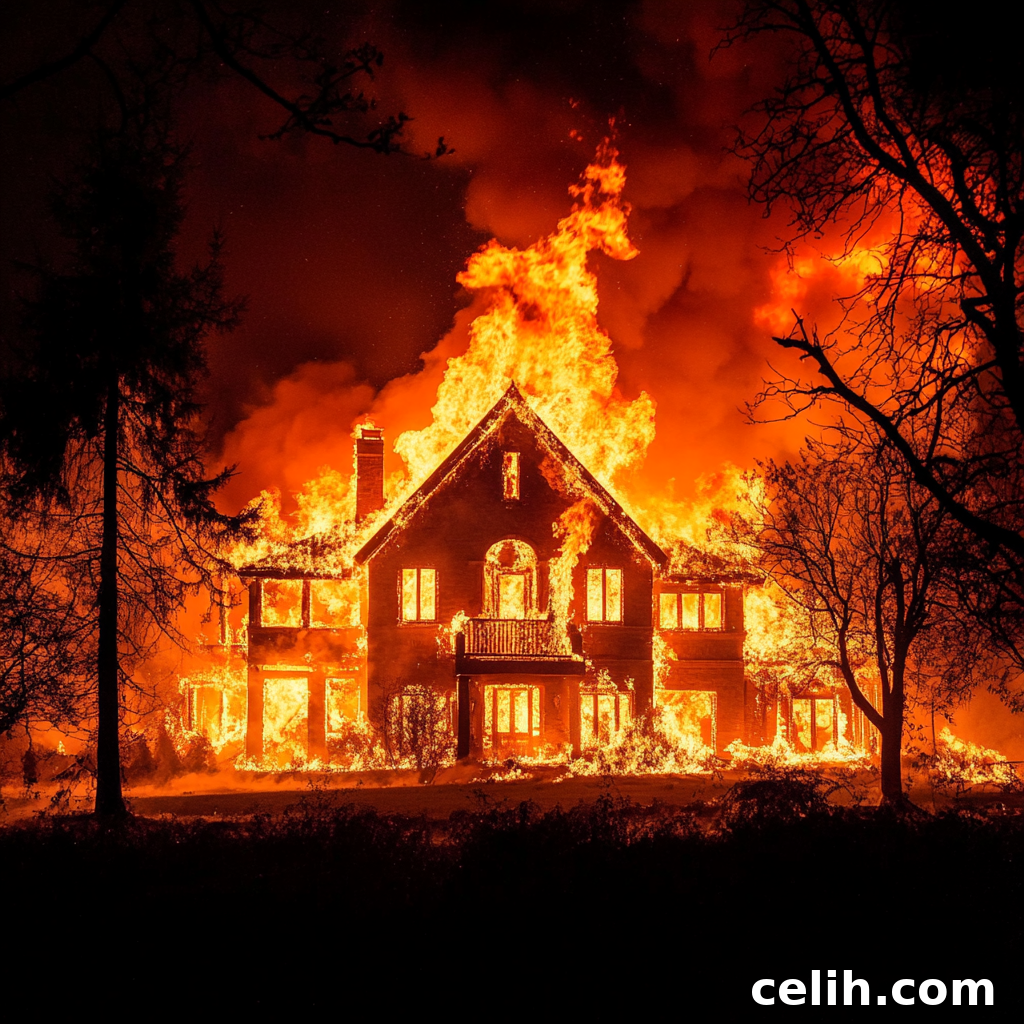
The devastating forest fires that engulfed parts of Los Angeles in January 2025 served as a stark, sobering reminder for homeowners everywhere. No matter how advanced or robust a city’s infrastructure, natural calamities can strike with terrifying speed and leave communities grappling with profound loss. Reports, including those from the BBC, highlighted the tragic toll of these fires in LA, claiming 25 lives and obliterating thousands of structures. The Pacific Palisades area bore the brunt of this destruction, with over 23,000 acres reduced to ashes, underscoring the urgent need for enhanced preparedness.
For those residing in Los Angeles or any other high-risk zone across the globe, living in a fire-prone area necessitates a proactive approach to home safety. Fire prevention isn’t just a recommendation; it’s a critical responsibility for every homeowner. Implementing thoughtful home improvements that prioritize fire safety can significantly enhance your sense of security and bolster your property’s resilience against wildfires. The good news is that ensuring this level of safety, often referred to as “home hardening,” can be an achievable and manageable process for nearly every household.
Achieving a fire-resilient home simply requires focus and attention to several key elements. Even seemingly minor adjustments can dramatically boost the safety of your property and safeguard the well-being of your loved ones. This comprehensive guide will explore various practical and effective measures you can implement to protect your home if you find yourself in a high-risk wildfire area, transforming your living space into a fortress against flames and significantly mitigating potential damage.
Cultivate a Robust Defensible Zone Around Your Home
Wildfires, as noted by experts and organizations like Rain Viewer, are complex and dynamic phenomena driven by a confluence of factors including weather conditions, vegetation type, terrain, and human activities. Their rapid and unpredictable spread is often facilitated by a combination of ignition sources, available fuel, and prevailing weather patterns. For homeowners in wildfire-susceptible regions, establishing a robust defensible space around your property is not merely a suggestion, but a crucial safety imperative. This strategically designed buffer zone aims to drastically reduce the likelihood of a wildfire reaching your house by minimizing the presence of flammable materials and slowing down fire progression.
The National Fire Protection Association (NFPA) provides a clear framework for this critical space, categorizing it into distinct zones, each with specific requirements to optimize fire resistance and give firefighters a safer environment to work, improving the chances of property survival:
- The Immediate Zone (0-5 feet from structures): This critical zone, extending directly from your home, foundation, and attached decks, should be meticulously designed with non-combustible or ignition-resistant materials. Think concrete, gravel, stone, or irrigated green lawn. All flammable vegetation, including shrubs and grasses, must be completely removed. Avoid placing combustible materials like mulch, firewood piles, or plastic outdoor furniture within this perimeter. This zone is your home’s absolute first line of defense, where direct flame impingement and ember accumulation are most likely to occur. Any item in this zone should be carefully chosen to minimize fire risk.
- The Intermediate Zone (5-30 feet around buildings): Moving further out, this zone requires careful management of vegetation to create a “lean, clean, and green” environment. All dead plants, dry grass, fallen leaves, and other easily ignitable vegetation should be removed. Trees and shrubs should be spaced strategically, with ample horizontal and vertical separation to prevent fire from climbing into tree canopies (ladder fuels) or spreading from one plant to another. Trim tree branches to at least 10 feet from other trees and structures, and remove lower branches (limbing up) to a height of 6-10 feet from the ground. Maintain well-hydrated, healthy plants, and consider fire-resistant plant species if you choose to landscape, ensuring they are regularly pruned and kept free of dead material.
- The Extended Zone (30-100 feet from buildings – or to the property line, whichever is closer): This outermost zone acts as a crucial firebreak, further reducing the intensity and spread of wildfires as they approach your property. While less stringent than the inner zones, it still demands attention to fuel reduction. Remove highly flammable vegetation, thin out dense stands of trees to reduce canopy continuity, and create strategic breaks in continuous fuel sources. Ensure trees are spaced widely and that there’s no continuous canopy leading directly to your home. Regular mowing of dry grasses, clearing of underbrush, and diligent maintenance of any remaining vegetation are essential practices in this zone to slow down fire advancement.
Establishing and diligently maintaining a defensible space not only protects your property but also provides invaluable advantages to firefighters, offering them a safer zone from which to combat advancing flames. This critical buffer increases the likelihood of firefighters being able to defend your home effectively. Regular upkeep, including the consistent disposal of dead vegetation, strategic thinning of trees, and proper landscaping practices, is absolutely vital for the ongoing effectiveness of your defensible space. It’s a continuous investment in time and effort that pays immense dividends in safety and property preservation.
Embrace Fire-Resistant Building Materials for Comprehensive Home Hardening
When undertaking any renovation, construction, or even repair work in a wildfire-prone region, the strategic choice of fire-resistant building materials is paramount. This concept, often referred to as “home hardening,” involves using materials and design principles that make your home significantly more resistant to ignition from wind-blown embers and direct flame contact. Your home’s roof, in particular, demands exceptional attention, as it represents the largest surface area exposed to falling embers and radiant heat, making it a primary point of vulnerability during a wildfire.
For homeowners in areas like Los Angeles, a thorough roof inspection is a crucial first step to ensure current safety standards and material integrity. Professional roof inspection services in Los Angeles can assess your roof’s condition and recommend necessary upgrades. If roofers determine that extensive repair or complete replacement is warranted, this presents an opportune moment to upgrade to superior fire-resistant materials. LA Roof Masters, for instance, often recommends options such as metal roofing, Class A asphalt shingles (which offer high fire resistance), clay or concrete tiles, and synthetic materials like TPO (Thermoplastic Olefin) or modified bitumen for properties in high-risk areas. These materials significantly outperform conventional roofing in terms of fire resistance and durability against extreme weather conditions.
Beyond the roof, consider other exterior components that are critical to your home’s resilience. For siding, materials like plaster, stucco, brick, stone, or fiber cement are vastly superior to traditional wood siding, which can easily ignite and contribute to fire spread. These non-combustible options provide a robust barrier against flames and radiant heat, preventing fire from entering the wall cavities. For interior finishes, gypsum board (drywall) is a widely recognized and effective fire-resistant material that forms an excellent barrier between potential interior ignition sources and structural elements. When it comes to insulation, choices like mineral wool, fiberglass, and certain types of fire-rated spray foam offer inherent fire-retardant properties, helping to slow down or prevent the spread of fire within wall cavities and attics, adding another layer of protection.
Furthermore, extending the concept of home hardening to outdoor living spaces can significantly lower overall fire risks. Replacing combustible wooden decks and patios with structures made from metal, concrete, or fire-resistant composite materials drastically reduces the potential for ignition points close to your home. Even small details like non-combustible fencing attached directly to your house, or ensuring that any wooden fencing near the home has a non-combustible section, can make a significant difference in preventing fire transfer. By making informed material choices throughout your property, you dramatically improve your home’s ability to withstand a wildfire event, safeguarding your investment and your family.
Fortify and Protect All Home Openings from Ember Intrusion
Securing every opening in your home is an absolutely critical step in making your property truly fire-resistant. Wildfires pose a unique threat not only from direct flames but, more significantly, from wind-blown embers. These tiny, incandescent particles are incredibly dangerous, as noted by US News, because they can travel vast distances, land on or enter homes, and quickly ignite combustible materials inside or nearby. Many homes are lost to wildfires not from direct flame contact, but from embers finding their way into vulnerable spaces such as vents, eaves, and gaps around windows and doors.
A crucial starting point is to install ultra-fine mesh screens over all attic vents, foundation vents, eaves, and any other projections or openings. This mesh should be made of fire-resistant material, such as metal (e.g., galvanized steel, copper, or bronze) with openings no larger than 1/8-inch. This precise size is small enough to effectively block embers while still allowing for adequate ventilation and airflow necessary for your home’s health. Pay particular attention to soffit vents, gable vents, crawl space openings, and even dryer vents, ensuring every potential entry point for embers is meticulously sealed with this fire-resistant mesh.
Next, meticulously examine your windows and doors, which are significant weak points. Windows are particularly vulnerable to radiant heat and direct ember contact. Consider upgrading to double-paned windows with tempered glass, especially on sides of the house facing potential fire sources. These are significantly more resistant to heat-induced breakage and radiant heat compared to standard single-pane windows, which can shatter easily, allowing embers and heat to penetrate the interior. For doors, especially exterior entrances, opt for solid-core doors made of fire-resistant materials like metal or solid wood. These offer far superior fire resistance and a better barrier against heat and embers than lightweight hollow-core alternatives. Ensure that all exterior doors, including garage doors, are well-sealed with weatherstripping to prevent ember entry around the edges.
Furthermore, don’t overlook smaller gaps and cracks that, though seemingly insignificant, can provide ember entry points. Apply high-temperature, non-combustible air-sealing strips or caulk around the frames of doors and windows, and fill any visible gaps in siding, fascia boards, or around utility penetrations (pipes, wires, electrical outlets). Even pet doors can be vulnerabilities if not properly sealed or made of fire-resistant materials. Regularly inspect your home’s exterior for any new cracks or deterioration that could compromise its ember resistance. By systematically fortifying every potential opening, you create a much more resilient envelope for your home, significantly reducing the risk of internal ignition from wind-driven embers and dramatically increasing its chances of survival during a wildfire event.
Install and Maintain Smoke Alarms and Fire Sprinklers for Enhanced Safety
For homes situated in areas prone to wildfires, the installation of properly functioning smoke alarms and fire sprinklers is an exceptionally wise and often life-saving decision. Forbes notes that smoke alarms are already a mandatory requirement in many regions, enforced by local building codes, recognizing their crucial role in early fire detection. Given the alarming increase in wildfire frequency and intensity across the U.S. and globally, it’s conceivable that even outdoor smoke alarms, specifically designed to detect approaching wildfire smoke plumes, could become a standard recommendation or requirement in the future, providing even earlier warnings to residents.
Within your home, a comprehensive smoke alarm system is non-negotiable. It is imperative to have smoke alarms installed on every level of your house, inside each bedroom, and in hallways outside sleeping areas. For optimal protection, consider interconnected alarms, where if one alarm detects smoke, all alarms throughout the house will sound, providing earlier warning to everyone, which is particularly vital during nighttime. There are two primary types of smoke alarms: ionization alarms, which are typically more responsive to fast-flaming fires, and photoelectric alarms, which are better at detecting slow, smoldering fires common in residential settings. Many experts recommend installing dual-sensor alarms or a combination of both types for the most comprehensive coverage. Regular maintenance is crucial: test your smoke alarms monthly by pressing the test button, and replace batteries at least once a year, or immediately when you hear a chirping sound indicating low battery power. Remember to replace the entire smoke alarm unit every 10 years, as their sensors can degrade over time, reducing their effectiveness.
Fire sprinklers represent another powerful layer of defense against residential fires, both internal and external. These automated systems are incredibly effective at detecting and rapidly suppressing fires, often containing or extinguishing them before they can spread significantly. This swift action provides invaluable extra time for occupants to safely evacuate the premises and can dramatically minimize damage to your property, sometimes saving the entire structure. While often associated with commercial buildings, residential fire sprinkler systems are increasingly affordable and beneficial for homes, especially in high-risk zones where fire can spread rapidly. It is absolutely essential to have these systems installed by a qualified and certified professional to ensure they comply with all local safety codes, are correctly designed for your home’s layout, and function reliably when needed. When integrated with a robust network of smoke alarms, fire sprinklers markedly boost the overall fire protection capabilities of your home, offering profound peace of mind and significantly enhancing safety for your family and property during a fire emergency.
Develop and Practice a Comprehensive Home Escape Route Plan
In any home, particularly one located in an area prone to fires, a meticulously planned and regularly practiced escape route is not just beneficial, but absolutely critical for the safety and survival of everyone residing there. The moments during a fire can be chaotic, frightening, and disorienting, making a clear, pre-determined plan and practiced routine invaluable in ensuring a swift and safe evacuation.
Begin by creating a detailed map of your entire house. On this map, clearly mark all doors and windows, identifying them as potential escape exits. For every room in your home, it is vital to devise at least two distinct escape routes. This ensures that if a primary exit, such as a hallway or main door, is blocked by fire or smoke, an alternative path to safety, perhaps a window, is readily available. Consider scenarios where the front door might be inaccessible, requiring an exit through a back door or a designated window equipped with an escape ladder. Identify a safe, easily recognizable meeting point outside your home – a neighbor’s driveway, a specific tree, a mailbox, or a street corner – located a reliable distance away from the house where everyone can quickly assemble and be accounted for. This prevents people from going back into a burning house to search for others, a common and dangerous mistake.
Practicing your escape plan is just as important as creating it; a plan on paper is not enough. Conduct fire drills at least twice a year, and make sure to include nighttime drills to simulate conditions of reduced visibility, heightened stress, and potential sleepiness. During these drills, time how long it takes everyone to get out and identify any areas for improvement, such as clearing obstructions from escape paths or improving communication. It is absolutely vital to assign specific responsibilities, especially for assisting young children, elderly family members, individuals with disabilities, or even pets, ensuring everyone has a designated helper to guide them to safety. Keep a pre-packed emergency “go-bag” or “grab-and-go” kit readily accessible near an exit. This essential bag should contain items such as prescription medications, copies of important documents (ID, insurance policies, birth certificates), a flashlight with extra batteries, a whistle to signal for help, a basic first-aid kit, a small amount of cash, and comfort items for children if applicable.
Furthermore, familiarize yourself and your family with local departure routes and community evacuation plans, especially critical in wildfire-prone areas. Stay vigilant and informed about emergency alerts issued by local authorities, whether through social media, local news, dedicated emergency apps, or reverse 911 calls. Regularly assess and revise your escape plan, especially after any changes to your home’s layout, family members, or pet additions. Ensure that all members of your household, including regular visitors or houseguests, are aware of the proper steps to take in case of a fire or official evacuation order. Your meticulous preparedness can be the definitive difference between safety and tragedy.
Frequently Asked Questions About Wildfire Home Safety
Which U.S. states are most susceptible to wildfires, and why is this increasing?
California consistently ranks highest in the United States for homes at extreme risk of wildfire, with nearly 1.3 million properties identified as being in direct danger. However, the threat extends far beyond California’s borders. Other states with significant numbers of housing units in fire-prone regions include Colorado, Texas, Arizona, Oregon, Washington, Idaho, Montana, and many areas across the Great Plains and the Southeast. The primary reason for this increasing susceptibility lies in what is known as the Wildland-Urban Interface (WUI), which are zones where human development directly borders or intermingles with wildland vegetation. In these areas, factors like historical fire suppression, climate change leading to hotter and drier conditions, increased fuel loads from overgrown vegetation, and expanding human populations create a perfect storm for fire ignition and rapid spread, putting homes and lives directly in harm’s way. Understanding your home’s proximity to the WUI is critical for assessing risk.
What crucial role does home insurance play in the event of a residential fire?
Home insurance is an indispensable financial safeguard for homeowners, particularly in high-risk areas. In the unfortunate event of a residential fire, standard home insurance policies typically provide extensive coverage for damage to both your home’s structure (dwelling coverage) and your personal belongings (personal property coverage), up to the specific limits stipulated in your policy and after the application of any applicable deductible. This coverage is designed to help you financially recover by assisting with the substantial costs to repair or completely rebuild your home to its pre-loss condition. Similarly, the personal property component can aid in replacing items lost or damaged in the fire, from furniture and electronics to clothing and invaluable personal effects. Crucially, many policies also include coverage for additional living expenses (ALE). This provision can be a lifeline, covering costs such as temporary housing, hotel stays, food, and other necessary expenditures if you are temporarily displaced from your home due to fire damage, ensuring you have a place to stay during the recovery. It’s vital to review your policy regularly with your agent to ensure adequate coverage, especially if you live in an escalating risk area or have made significant home improvements, as underinsurance can lead to severe financial strain.
What practical steps can I take to effectively minimize the risk of embers entering my home during a wildfire?
Minimizing the risk of wind-blown embers entering your home is one of the most effective strategies for wildfire defense, often referred to as “ember hardening.” Firstly, ensure all vents – including attic, foundation, soffit, and gable vents – are covered with fine metal mesh screening, ideally 1/8-inch or smaller, made of non-combustible material like galvanized steel, copper, or bronze. Secondly, meticulously seal any visible openings, gaps, or cracks in your home’s exterior siding, around window and door frames, and where utilities (pipes, wires) enter the house, using fire-resistant caulk or sealant. Thirdly, consider upgrading windows to dual-pane or tempered glass, which are significantly more resistant to shattering from heat or impact compared to standard glass. Fourthly, remove all combustible materials, such as firewood piles, outdoor furniture made of plastic or wicker, and dry vegetation, from underneath decks and within the immediate 5-foot perimeter of your home. Lastly, maintain a rigorous schedule of regularly clearing debris like leaves, pine needles, and other flammable materials from your roof, gutters, and around your foundation, as these can easily accumulate embers and ignite, leading to severe structural damage. Consistent vigilance in these areas is key to ember defense.
Living in an area exposed to the increasing threat of wildfires demands more than just awareness; it requires dedicated, proactive home improvements and an ongoing commitment to safety. Collectively, these strategic enhancements contribute to a significantly safer living environment by drastically reducing the risk of fire ignition and slowing its potential spread to your property. They also provide precious, invaluable time for residents to evacuate safely and enhance your home’s intrinsic adaptability and resilience against the destructive power of wildfires. Remember, the journey to a fire-hardened home is continuous; regular maintenance, seasonal inspections, staying informed about local conditions and recommendations, and reviewing your emergency plans are absolutely vital to ensure these protective measures remain effective and your home remains a sanctuary against the elements.