
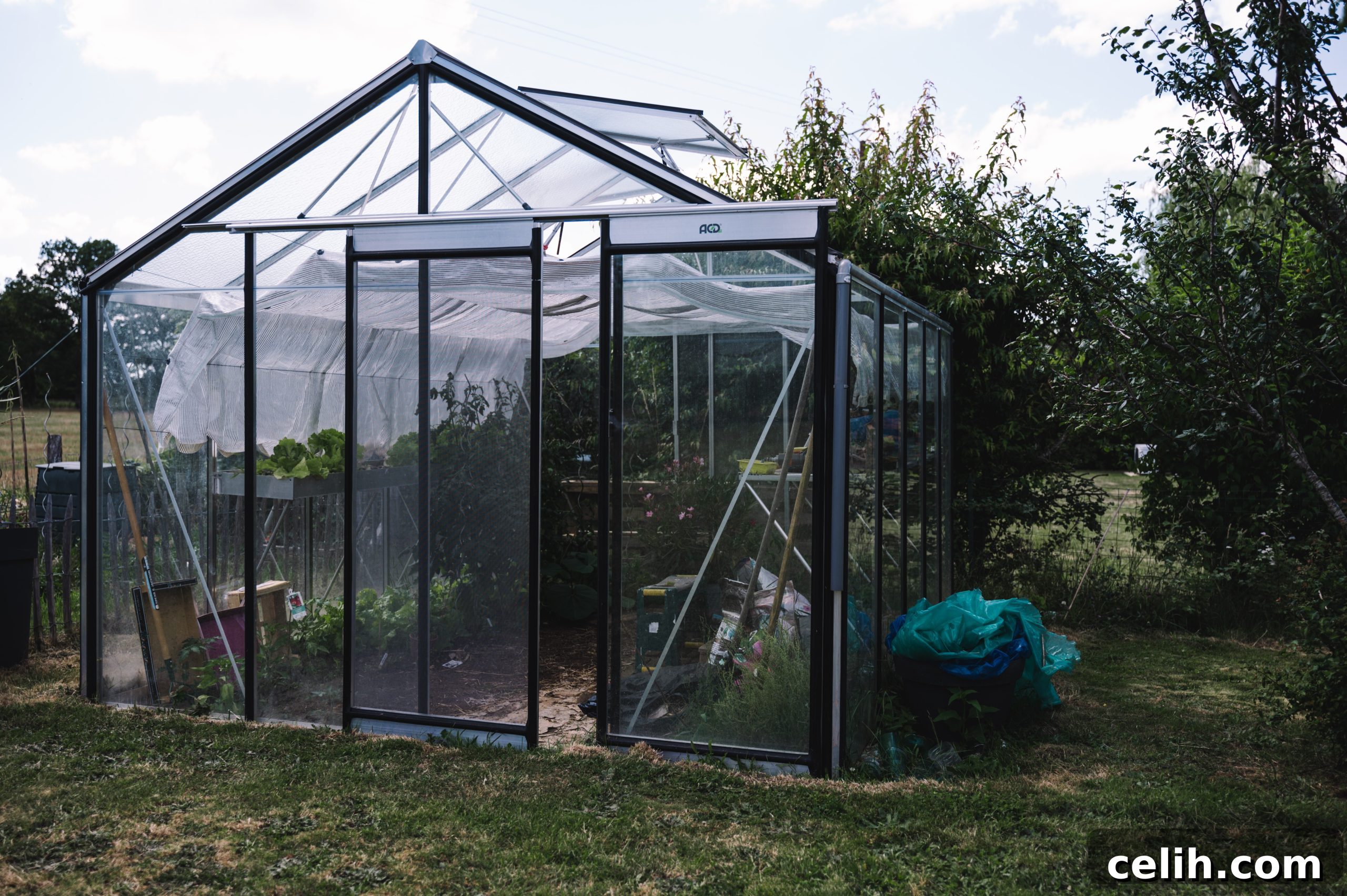
Embarking on the journey of home gardening offers an unparalleled sense of satisfaction, transforming a simple hobby into a fulfilling lifestyle. Imagine stepping into your backyard or dedicated indoor space to harvest fresh, organic produce, herbs, and vibrant flowers, regardless of the season. A well-designed greenhouse or a modern grow tent kit is not just an accessory for a gardener; it’s a gateway to year-round cultivation, a sanctuary for plant experimentation, and a sustainable step towards self-sufficiency. This dedicated space empowers you to nurture an array of plants, from exotic ornamentals to the most wholesome vegetables and aromatic herbs for your culinary adventures.
There’s an undeniable joy in preparing a meal with ingredients you’ve grown from seed, providing not only superior freshness and flavor but also the peace of mind that comes from knowing exactly how your food was cultivated. Beyond the immediate gratification of fresh summer salads, a robust gardening setup allows you to extend your harvest, preserving produce for the colder months and ensuring a continuous supply of nutritious foods. Whether your motivation stems from a passion for horticulture, a desire for healthier eating, or the therapeutic benefits of tending to living things, establishing your own controlled growing environment is a gardener’s ultimate dream. However, bringing this dream to fruition requires careful planning and a clear understanding of the essential elements. This guide will walk you through the crucial steps to setting up your ideal gardening haven, from selecting the right structure to ensuring optimal growing conditions.
Choosing the Perfect Greenhouse or Grow Tent Style for Your Needs
The initial and most fundamental decision for any aspiring greenhouse owner or indoor gardener is selecting the right structure. This choice hinges on several factors: the available space, your specific gardening aspirations, budget constraints, and the climate in your region. Understanding the diverse types of greenhouses and grow tents will help you make an informed decision that aligns with your current and future gardening needs.
Lean-To Greenhouses: Space-Saving and Convenient
If you’re working with limited outdoor space or prefer a structure that’s easily accessible from your home, a lean-to greenhouse could be the ideal solution. These structures are designed to attach directly to an existing wall of your house, shed, or garage. This configuration offers several advantages: they benefit from the warmth of the adjacent building, require less material for construction, and provide convenient access to utilities. They are excellent for urban gardeners or those looking for an extension of their living space dedicated to plants, making them perfect for starting seedlings, growing herbs, or nurturing delicate ornamentals.
Freestanding Greenhouses: Flexibility and Scale
For gardeners with ample outdoor space and ambitions for a larger, more diverse plant collection, a freestanding greenhouse offers maximum flexibility. These structures can be placed anywhere on your property, allowing for optimal sun exposure throughout the day. Freestanding greenhouses typically offer better ventilation and more room for expansion, accommodating extensive shelving, work areas, and a greater variety of plants. They come in various sizes and designs, from traditional glass structures to modern polycarbonate models, providing a prominent feature in your garden landscape.
Mini Greenhouses and Cold Frames: Perfect for Beginners and Small Spaces
If you’re just dipping your toes into the world of protected cultivation or have very limited space, mini greenhouses or cold frames are an excellent starting point. Mini greenhouses are often portable, tiered structures suitable for balconies or patios, while cold frames are low-profile covers placed directly over garden beds. Both are perfect for hardening off seedlings, extending the growing season for cool-weather crops, or protecting tender plants from early frosts. They offer a taste of greenhouse gardening without a significant investment in space or money.
Grow Tents: Controlled Indoor Environments
For those focused on indoor cultivation, especially when precise climate control and discretion are paramount, a grow tent is an indispensable tool. These portable fabric enclosures, often lined with reflective material, are designed to create an isolated growing environment. They are ideal for cultivating specific plants under controlled lighting, temperature, and humidity conditions. Grow tents come in a wide range of sizes, from small closet-sized units to large room-filling structures, offering a flexible and efficient solution for year-round indoor gardening without needing a permanent outdoor structure. They are particularly popular for cultivating specialty crops or propagating plants indoors.
Material Considerations: Glazing and Framing
Beyond the style, the materials chosen for your greenhouse play a significant role in its performance and longevity. Glazing options include traditional glass (offering excellent light transmission and aesthetics), polycarbonate panels (durable, impact-resistant, and good insulators), and polyethylene film (the most economical and flexible option, often used for hoop houses). Frame materials typically consist of aluminum (lightweight, rust-resistant, low maintenance), wood (aesthetic, good insulator, requires more maintenance), or PVC (lightweight, affordable, less durable for large structures). Researching these options to understand their pros and cons in terms of durability, insulation, light transmission, and cost is crucial for making the best choice for your gardening endeavors.
Strategic Interior Design for Maximum Productivity
Once you’ve selected the perfect greenhouse or grow tent structure, the next critical step is to design its interior for optimal organization, efficiency, and plant growth. A well-thought-out layout maximizes every inch of space, ensuring that your plants thrive and your gardening tasks remain enjoyable and manageable. This is particularly vital in smaller structures or when cultivating a diverse range of plant species with varying needs.
Maximizing Vertical Space with Shelving
One of the most effective ways to optimize space, especially for growing numerous smaller plants, seedlings, or propagation trays, is through a well-implemented shelving system. Consider tiered or multi-level shelving units that allow you to utilize vertical space efficiently. Adjustable shelves offer flexibility for plants of different heights, while wire shelving provides excellent air circulation and prevents water accumulation. For plants requiring more light, consider positioning them on higher shelves closer to the light source, or integrating grow lights directly into the shelving structure.
The Importance of a Functional Workbench
A dedicated workbench or potting table is an invaluable asset in any greenhouse. It provides a comfortable and convenient surface for essential gardening tasks such as potting, repotting, seeding, mixing soil, and preparing plant cuttings. Look for a sturdy workbench with a durable, easy-to-clean surface. Shelves or drawers beneath the workbench can provide additional storage for tools, soil amendments, pots, and other gardening supplies, keeping your workspace tidy and organized.
Efficient Walkways and Paths
Ensure that your interior layout includes clear, accessible walkways. These paths are essential for moving around your greenhouse safely and efficiently, allowing you to reach all your plants without hindrance. Paths should be wide enough to accommodate you and any equipment you might be using. Choosing a non-slip material for your pathways, such as gravel, pavers, or concrete, will enhance safety, especially in damp conditions.
Zoning for Different Plant Needs
Consider zoning your greenhouse based on the specific environmental requirements of your plants. Grouping plants with similar needs for light, temperature, and humidity can help you create microclimates within your structure. For instance, humidity-loving plants might be placed together, while those requiring more direct light can occupy the sunniest spots. This strategic placement ensures that each plant receives its ideal growing conditions.
Ventilation and Air Circulation
Proper ventilation is paramount for plant health and disease prevention. Stagnant air can lead to fungal issues and pest infestations. Incorporate vents, louvers, or fans into your design to ensure continuous air circulation. Automated ventilation systems, which open and close based on temperature, can provide optimal airflow with minimal intervention, helping to regulate temperature and humidity levels effectively.
Watering Systems and Drainage
Plan for an efficient watering system to keep your plants hydrated. This could range from a simple hose to more sophisticated drip irrigation or self-watering systems. Ensure adequate drainage within your greenhouse to prevent waterlogging, which can harm plant roots and create an overly humid environment. Raised beds or benches with drainage holes are excellent for this purpose, and a well-designed floor with a slight slope can direct excess water away.
Illuminating Your Green Haven: The Right Lighting
Light is the lifeblood of nearly all plants, driving photosynthesis, which is essential for growth, flowering, and fruiting. While a greenhouse or grow tent primarily aims to capture and utilize natural sunlight, supplementary lighting is often crucial for achieving optimal growth, especially for year-round cultivation, early seedling starts, or growing light-demanding crops. Understanding the dynamics of natural light and the benefits of artificial grow lights is key to a productive setup.
Maximizing Natural Sunlight
The first step in lighting your greenhouse is to maximize the natural sunlight it receives. Orienting your greenhouse to face south (in the Northern Hemisphere) typically ensures the longest exposure to direct sunlight. Keeping the glazing clean from dirt, algae, or snow is also vital, as even a thin layer can significantly reduce light transmission. However, natural sunlight can be unreliable due to cloudy weather, shorter days in winter, or geographic location, making supplementary lighting a necessity for serious growers.
The Role of Supplementary Grow Lighting
Indoor grow light bars and other grow light systems bridge the gap when natural light is insufficient. They provide the full spectrum of light wavelengths that plants need for various growth stages. For instance, blue light promotes vegetative growth and sturdy stems, while red light is crucial for flowering and fruiting. The number and type of lights you need will depend on the size of your greenhouse or grow tent, the specific plants you are growing, and your desired growth rate.
Types of Grow Lights and Their Applications
- LED Grow Lights: Light Emitting Diodes are highly energy-efficient, produce very little heat, and offer tunable light spectrums, allowing you to tailor the light to different plant stages. They are a significant upfront investment but offer long-term savings and excellent results. LEDs are versatile for everything from delicate seedlings to heavy-fruiting plants.
- Fluorescent Grow Lights (T5s, CFLs): These are a popular, cost-effective choice for seedlings, clones, and leafy greens. T5 fluorescent lights provide good intensity without excessive heat, making them ideal for plants that need consistent, moderate light. Compact Fluorescent Lights (CFLs) are also useful for smaller spaces or as supplemental side lighting.
- High-Intensity Discharge (HID) Lights (HPS & MH): High-Pressure Sodium (HPS) and Metal Halide (MH) lights are powerful options, primarily used for flowering and fruiting stages (HPS) or vegetative growth (MH) in larger setups. They emit significant heat and consume more energy but deliver intense light suitable for demanding plants.
Light Cycle and Intensity
Understanding the light cycle (photoperiod) is critical. Most plants require a period of darkness to complete their metabolic processes. Vegetative growth typically thrives on 16-18 hours of light, while flowering often requires 12 hours of light and 12 hours of darkness. The intensity of light is also important; plants need specific levels of Photosynthetically Active Radiation (PAR) to thrive. Positioning your grow lights at the correct distance from the plant canopy is crucial to prevent light burn or insufficient light.
Easy-to-Grow Plants and Their Lighting Needs
Starting with easy-to-grow vegetables and herbs can build your confidence while you master lighting techniques. Here are a few examples and how proper lighting benefits them:
- Strawberries: These delicious berries thrive with plenty of light to produce sweet, abundant fruit. Supplemental lighting can extend their fruiting season, even into winter, making them perfect for greenhouse cultivation.
- Garlic and Onions: While relatively low-maintenance, good light ensures strong bulb development. They don’t require intense supplemental light but benefit from consistent light periods, making them excellent choices for less powerful grow light setups.
- Leafy Greens (Lettuce, Kale, Rocket, Spinach): These fast-growing crops do well with moderate light and can be grown in vertical layers under fluorescent or low-intensity LED lights, ensuring a continuous supply of fresh greens for salads.
- Tomatoes and Potatoes: These staple vegetables are heavy feeders and require strong, consistent light, especially during their fruiting (tomatoes) or tuber development (potatoes) stages. High-intensity LED or HID lights are beneficial for maximizing their yield and flavor.
By strategically integrating supplementary lighting, you can overcome seasonal limitations, create optimal growth conditions for various plant species, and significantly boost the productivity and diversity of your greenhouse or grow tent.
The Unsung Hero: Building a Solid Greenhouse Foundation
While often overlooked in the excitement of choosing the greenhouse structure itself, a sturdy and level foundation is perhaps the most critical component of a long-lasting and efficient greenhouse. Whether you’re installing a grand freestanding glasshouse or a compact lean-to, a properly prepared base provides essential structural integrity, insulates against the elements, and acts as a barrier against unwanted pests. Neglecting the foundation can lead to a host of problems, from structural instability to poor temperature regulation and pest infestations.
Why a Solid Foundation is Indispensable
The foundation serves multiple vital functions. Firstly, it provides a perfectly level surface for the greenhouse frame, ensuring proper assembly and preventing stresses that could lead to warped frames or cracked panels. Secondly, it creates a crucial barrier between the interior of your greenhouse and the exterior ground, mitigating heat loss from the soil and protecting your plants from ground-dwelling pests and vermin. A good foundation also anchors the entire structure securely, protecting it from strong winds and adverse weather conditions. Finally, it helps manage drainage, ensuring excess water is directed away from the greenhouse and preventing waterlogging around the base.
Site Preparation: The First Step
Before laying any materials, thorough site preparation is essential. The chosen location for your greenhouse must be leveled carefully. This may involve digging, filling, and compacting the ground to create a uniformly flat surface. Proper drainage around the site should also be considered to prevent water accumulation, which can undermine the foundation over time. Clearing the area of debris, rocks, and roots will ensure a smooth and stable base for your foundation.
Common Foundation Materials and Their Benefits
Several materials are popular for greenhouse foundations, each offering distinct advantages in terms of durability, cost, and ease of installation:
Concrete Foundations: Durability and Thermal Mass
Concrete offers the most robust and permanent foundation solution. A concrete slab or perimeter provides exceptional stability, creating a completely level and rigid base for your greenhouse. Its dense nature acts as an excellent barrier against pests and offers significant thermal mass, absorbing heat during the day and releasing it slowly at night, which helps regulate internal temperatures and reduces heating costs. While a concrete foundation is typically the most expensive option and requires professional installation, its longevity and low maintenance make it a worthwhile investment for larger, permanent greenhouses.
Wood Foundations: Aesthetic, Cost-Effective, and Easy to Work With
Wood is a popular choice for greenhouse foundations due to its aesthetic appeal, ease of installation, and relative affordability. It’s particularly well-suited for gardeners looking for a more natural look or those on a tighter budget. When choosing wood, it’s crucial to select rot-resistant and durable types, such as cedar, redwood, or pressure-treated timber, to ensure longevity against moisture and soil contact. Wood foundations are easier for DIY enthusiasts to install and allow for excellent drainage, especially when combined with a gravel infill. While requiring more maintenance than concrete (e.g., periodic sealing), a well-chosen and treated wood foundation can provide a stable and attractive base for many years.
Pavers or Gravel Bases: Flexibility and Drainage
For smaller greenhouses, cold frames, or as flooring within a perimeter foundation, pavers or a thick gravel base can be effective. Pavers offer good drainage and a relatively stable, aesthetically pleasing surface that’s easy to walk on. A gravel base, often combined with a timber or concrete perimeter, provides excellent drainage and helps prevent pests. While less structurally rigid than concrete, these options are more flexible, easier to install, and more budget-friendly, often suitable for temporary or semi-permanent structures.
Anchoring and Insulation
Regardless of the material chosen, ensuring the greenhouse frame is securely anchored to the foundation is paramount to withstand strong winds and prevent movement. Additionally, a good foundation contributes significantly to the overall insulation of your greenhouse, preventing cold from seeping in from the ground during colder months. For concrete foundations, insulation can be incorporated below or around the slab, further enhancing its thermal performance.
Investing time and effort into building a proper foundation will protect your greenhouse, extend its lifespan, and create a more stable, efficient, and pest-free environment for your plants to flourish. It’s the critical first step towards a successful and enduring gardening sanctuary.