
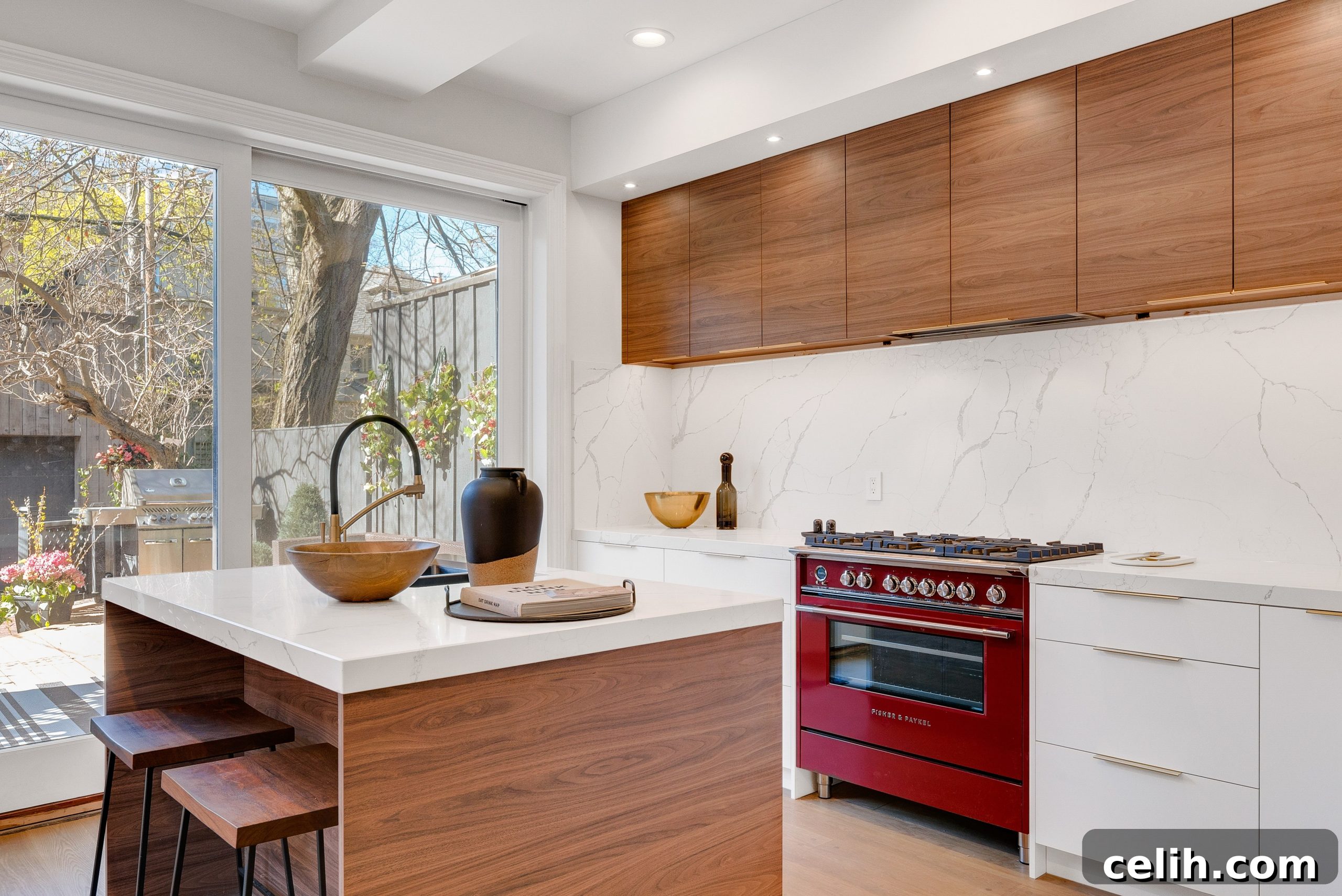
The kitchen, often hailed as the heart of the home, is a space where functionality meets aesthetic appeal. Within this crucial area, one element frequently overlooked yet undeniably vital is the kitchen tap. Far from being a mere utility, a well-chosen kitchen tap serves as a central design statement, influencing both the practicality and the overall ambiance of your culinary sanctuary. It’s an investment that enhances daily routines, from washing hands and rinsing vegetables to filling pots and providing instant hot water.
However, navigating the vast array of options available can be overwhelming. With countless styles, finishes, features, and installation methods on the market, how do you pinpoint the perfect kitchen tap that aligns with your specific needs, budget, and design vision? This comprehensive guide will illuminate every facet of choosing the ideal kitchen tap for your home, ensuring you make an informed decision that you’ll appreciate for years to come.
Understanding the Diverse Types of Kitchen Taps
The initial step in selecting the best kitchen tap is to familiarize yourself with the primary types available. Each design offers unique benefits and caters to different kitchen layouts and user preferences.
- Mixer Taps (Monobloc Taps): These are arguably the most common type, featuring a single spout and often a single lever handle that controls both hot and cold water flow, allowing for precise temperature adjustment. Modern mixer taps are incredibly versatile and are available in an extensive range of designs, from minimalist to highly elaborate. They are space-efficient, requiring only one hole in the sink or countertop, making them ideal for contemporary kitchens where streamlined aesthetics are prized. While traditionally associated with older plumbing systems due to their flexibility with varying water pressures, modern mixer taps are engineered for optimal performance in all settings, providing a consistent and controllable water stream.
- Pull-Out and Pull-Down Taps: Designed for enhanced practicality, pull-out and pull-down taps feature a spray head connected to a flexible hose that extends from the main body of the tap.
- Pull-Down Taps: The spray head pulls straight down into the sink. These are excellent for deep sinks, large pots, and extensive cleaning tasks, offering a broad reach and often multiple spray patterns (stream, spray, pause). The weighted hose retracts smoothly, ensuring the head docks securely back into place.
- Pull-Out Taps: The spray head pulls out towards you. These offer similar flexibility to pull-down taps but are often better suited for smaller sinks or when you need to direct water to various areas of the countertop beyond the immediate sink basin. Both types significantly improve reach and versatility, making them invaluable for busy kitchens and challenging cleaning jobs.
- Wall-Mounted Taps: Gaining immense popularity for their minimalist and sophisticated appeal, wall-mounted taps are installed directly onto the kitchen wall, rather than on the sink or countertop. This design choice frees up valuable counter space, creating a clean, uncluttered look that is perfect for modern, minimalist, or industrial kitchen designs. They offer unique aesthetic advantages and can be a fantastic solution for kitchens where sink space is limited or where a particular design statement is desired. Installation, however, requires careful planning as the plumbing needs to be routed within the wall.
- Hands-Free (Sensor) Taps: For the ultimate in hygiene and convenience, hands-free taps utilize motion sensors to activate water flow. A simple wave of the hand over the spout triggers the water, eliminating the need to touch handles, which is particularly beneficial when your hands are dirty or full. These taps promote better sanitation, reduce water waste by only flowing when needed, and add a touch of futuristic elegance to any kitchen. They are especially appealing to busy households, families with young children, or those prioritizing cleanliness.
- Pillar Taps: A more traditional choice, pillar taps consist of two separate taps, one for hot water and one for cold water, each with its own spout and control. They require two holes in the sink or countertop and are often found in more classic or vintage kitchen designs. While they offer distinct hot and cold water streams, they do not allow for temperature mixing at the spout itself, which can be a consideration for modern use.
- Bridge Taps: These taps feature two separate hot and cold controls, but unlike pillar taps, they are connected by a central horizontal pipe or “bridge” that leads to a single spout. Bridge taps evoke a charming, classic, or farmhouse aesthetic and typically require two installation holes. They offer a blend of traditional style with improved functionality, as the water mixes before exiting the spout.
- Pot Filler Taps: A niche but highly functional tap, pot fillers are typically installed directly above the stovetop or cooktop. They feature an articulating arm that extends to fill large pots directly on the stove, eliminating the need to carry heavy, water-filled pots from the sink. This provides unparalleled convenience for enthusiastic cooks and those who frequently prepare large meals, adding a touch of professional-grade functionality to the home kitchen.
Selecting the Perfect Kitchen Tap Finish
Once you’ve decided on the functional style of tap that best suits your daily needs, the next critical step is to consider the finish. The finish of your kitchen tap is a powerful design element that can either seamlessly blend with your existing decor or stand out as a striking focal point. Taps are available in a vast array of materials and finishes, each offering a unique look, feel, and set of maintenance requirements.
- Chrome: A timeless classic, chrome is highly popular due to its brilliant, mirror-like shine and robust durability. It’s incredibly versatile, complementing almost any kitchen style from contemporary to traditional, and is relatively easy to clean. Chrome is also one of the most cost-effective options.
- Brushed Nickel (or Stainless Steel): Offering a softer, more subdued aesthetic than chrome, brushed nickel has a matte, satin finish that resists fingerprints and water spots, making it an excellent choice for busy kitchens. It brings a sophisticated, understated elegance and pairs well with stainless steel appliances, modern, and transitional designs. Stainless steel taps offer a similar look with slightly different material properties, known for their exceptional durability and corrosion resistance.
- Matte Black: A bold and contemporary choice, matte black taps have surged in popularity. This finish creates a strong visual contrast against lighter countertops and sinks, or a sleek, cohesive look in darker schemes. It exudes modern sophistication, industrial chic, or even a minimalist vibe, becoming a statement piece in its own right.
- Rose Gold (or Copper/Bronze): For those seeking warmth and a touch of luxury, rose gold offers a distinct, elegant hue. It can create a beautiful focal point, particularly in kitchens with white, grey, or dark blue cabinetry. Similar warm-toned finishes like polished copper or oil-rubbed bronze add character and an antique or rustic charm, often developing a unique patina over time. These finishes are perfect for farmhouse, traditional, or eclectic designs.
- Polished Brass/Gold: Making a comeback, polished brass or gold finishes bring opulence and vintage charm. They can brighten a space and add a luxurious feel, often seen in classic, art deco, or high-end contemporary designs. These finishes require a bit more maintenance to maintain their shine but offer unparalleled grandeur.
When selecting a finish, consider not only your personal aesthetic preference but also the existing hardware, appliance finishes, and overall color palette of your kitchen. The tap finish should harmonize with its surroundings to create a cohesive and inviting space.
Essential Features and Functions to Consider
Beyond basic functionality, modern kitchen taps come equipped with an array of features designed to enhance convenience, efficiency, and hygiene. Understanding these options will help you customize your tap choice to your lifestyle.
Precise Temperature Control
While most mixer taps allow for temperature adjustment, some advanced models offer even more precise control. Features like thermostatic mixers maintain a consistent water temperature, preventing sudden scalding or chilling. Dedicated temperature control knobs or digital displays provide intuitive adjustment, ensuring the water is always just right for your needs.
Filter Taps (Filtered Water Dispensers)
For those prioritizing healthy living and fresh-tasting water, filter taps are an excellent addition. These taps integrate a built-in filtration system that removes impurities such as chlorine, sediment, and sometimes even lead, directly from your water supply. This provides cleaner, healthier drinking water on demand, eliminating the need for separate water filters, pitchers, or bottled water, which is both environmentally friendly and cost-effective in the long run. Filter taps often have a dedicated lever or button for filtered water, keeping it separate from the regular hot and cold supply.
Instant Hot Water Dispensers
Imagine having boiling hot water at your fingertips, instantly, without waiting for a kettle to boil. Instant hot water dispensers provide just that. These taps are connected to an under-sink heating tank and deliver near-boiling water (typically 98-99°C) with a dedicated lever. They are incredibly convenient for making tea, coffee, instant noodles, blanching vegetables, or even sterilizing baby bottles. Not only do they save time, but they can also be energy-efficient by only heating the water you need, reducing wasted electricity compared to continuously boiling a kettle.
Spray Functions and Docking
For pull-out and pull-down taps, the spray head’s functionality is key. Look for models that offer multiple spray patterns, such as a strong stream for filling, a wide spray for rinsing, and sometimes a boost function for stubborn messes. Magnetic docking technology ensures the spray head retracts smoothly and securely back into the spout without drooping over time. Some taps also include a pause button on the spray head, allowing you to temporarily stop water flow without adjusting the main handle, which is great for moving the sprayer between sink bowls or refilling a pot.
Water Efficiency (WELS Rating)
Environmentally conscious homeowners should look for taps with a good Water Efficiency Labelling and Standards (WELS) rating. These ratings indicate how much water a tap uses per minute. Taps with higher WELS star ratings are designed with water-saving aerators and flow restrictors, reducing water consumption without compromising performance. This not only helps conserve a precious resource but also contributes to lower water bills.
Durability and Material Quality
A tap is an investment, and its longevity largely depends on its internal components. High-quality taps typically feature ceramic disc cartridges, which are highly durable and resistant to leaks and drips. Solid brass construction for the tap body ensures resistance to corrosion and provides a sturdy feel, ensuring your tap stands up to years of daily use.
Considering Kitchen Tap Installation
The installation process is an important practical consideration when choosing a new kitchen tap. It dictates not only the ease of replacement but also the overall aesthetic and plumbing requirements of your kitchen.
- DIY vs. Professional Installation: If you’re confident with basic plumbing and have the right tools, installing a standard deck-mounted tap can be a DIY project. However, for more complex installations, such as wall-mounted taps, instant hot water systems, or if your plumbing requires modifications, hiring a professional plumber is highly recommended. A professional ensures proper installation, prevents leaks, and can troubleshoot any unforeseen issues, giving you peace of mind. Always obtain multiple quotes from reputable plumbers before making a decision.
- Mounting Type:
- Deck-Mounted: The most common type, installed directly onto the sink or countertop. These require one or more pre-drilled holes.
- Wall-Mounted: As discussed, these require plumbing to be routed within the wall, offering a sleek look but more complex installation.
- Under-Mount/Top-Mount Sink Compatibility: Ensure your chosen tap is compatible with your sink type. Some taps are better suited for specific sink materials or installation methods.
- Hole Configuration: Check the number of holes pre-drilled in your sink or countertop. Most mixer taps require a single hole, while traditional pillar or bridge taps may need two or more. If you’re replacing a multi-hole tap with a single-hole design, you might need a deck plate to cover the extra holes, or consider a new sink if aesthetic perfection is paramount. Conversely, adding a filtered water tap or hot water dispenser might require an additional hole.
- Plumbing Compatibility and Water Pressure: Ensure your home’s existing plumbing system and water pressure are compatible with the tap you choose. Some high-tech taps might require specific pressure ranges to function optimally. Consult with a plumber if you have any doubts about your home’s water pressure or pipework.
Budgeting for Your Kitchen Tap
Cost is, naturally, a significant factor in any home improvement decision. Kitchen taps range widely in price, from budget-friendly options to high-end designer pieces. It’s crucial to establish a realistic budget early in your selection process, ensuring you find a tap that meets your financial parameters without compromising on essential features or quality.
Generally speaking, simpler traditional mixer taps and basic pull-down models tend to be more affordable. As you incorporate more advanced features like hands-free operation, built-in filtration, instant hot water, or opt for premium finishes and wall-mounted designs, the price point will naturally increase. Brand reputation also plays a role, with established manufacturers often commanding higher prices due to their proven quality, warranty, and customer support.
While it might be tempting to opt for the cheapest option, remember that a kitchen tap is a heavily used item. Investing in a well-made model crafted from durable materials with reliable internal components will almost always prove more cost-effective in the long run. A cheap, poorly constructed tap can lead to leaks, drips, and premature failure, necessitating costly repairs or even a full replacement much sooner than anticipated. Therefore, if your budget allows, allocate a bit more for quality and durability to avoid future headaches and expenses. Think of it as an investment in your home’s functionality and aesthetic longevity.
Integrating Your Tap with Kitchen Style
Your kitchen tap should not exist in isolation; it must complement the overall design theme of your kitchen.
- Modern/Minimalist: Opt for sleek, geometric designs, matte black or brushed nickel finishes, and integrated features like pull-down sprayers. Hands-free taps also fit this aesthetic perfectly.
- Traditional/Farmhouse: Bridge taps, pillar taps, or gooseneck mixer taps in oil-rubbed bronze, polished brass, or even chrome with classic detailing can enhance these styles.
- Industrial: Consider exposed pipe details, raw metal finishes, and robust designs. Matte black or stainless steel taps can work well.
- Transitional: A versatile style that blends modern and traditional, allowing for a broader range of tap choices, often featuring elegant curves and understated finishes.
Maintenance and Longevity
To ensure your chosen kitchen tap remains functional and aesthetically pleasing for years, consider its maintenance requirements.
- Cleaning: Different finishes require different care. Chrome and polished brass need regular wiping to prevent water spots, while brushed finishes are more forgiving. Avoid abrasive cleaners that can damage the finish.
- Internal Components: Taps with ceramic disc cartridges are more durable and require less maintenance than older compression washer models.
- Warranty: Look for taps that come with a good manufacturer’s warranty, indicating confidence in the product’s quality and offering peace of mind.
Final Thoughts on Choosing Your Kitchen Tap
Choosing the perfect kitchen tap is a significant decision that impacts both the daily functionality and the long-term aesthetic appeal of your kitchen. It requires a thoughtful evaluation of your lifestyle, design preferences, and practical needs. By carefully considering the various types, finishes, features, installation nuances, and your budget, you can confidently select a tap that seamlessly integrates into your home and enhances your culinary experience.
Remember, the most important thing is to find a kitchen tap that not only suits your budget but also perfectly aligns with your lifestyle. Revisit all the features discussed – from the convenience of a pull-down sprayer to the hygiene of a hands-free sensor, or the luxury of instant boiling water. Ensure that your chosen tap provides the practicality and convenience you need while complementing the overall design of your kitchen. With a myriad of types, finishes, materials, and innovative features available on the market, there truly is a perfect tap out there for every home and every cook.
Should you find yourself overwhelmed by the choices, don’t hesitate to consult with an expert. Plumbing professionals or kitchen designers can offer invaluable advice tailored to your specific needs and kitchen layout. They can help you navigate the technicalities and ensure your chosen tap is not only beautiful but also perfectly suited for optimal performance. Happy shopping, and may your new kitchen tap bring joy and efficiency to your everyday life!