
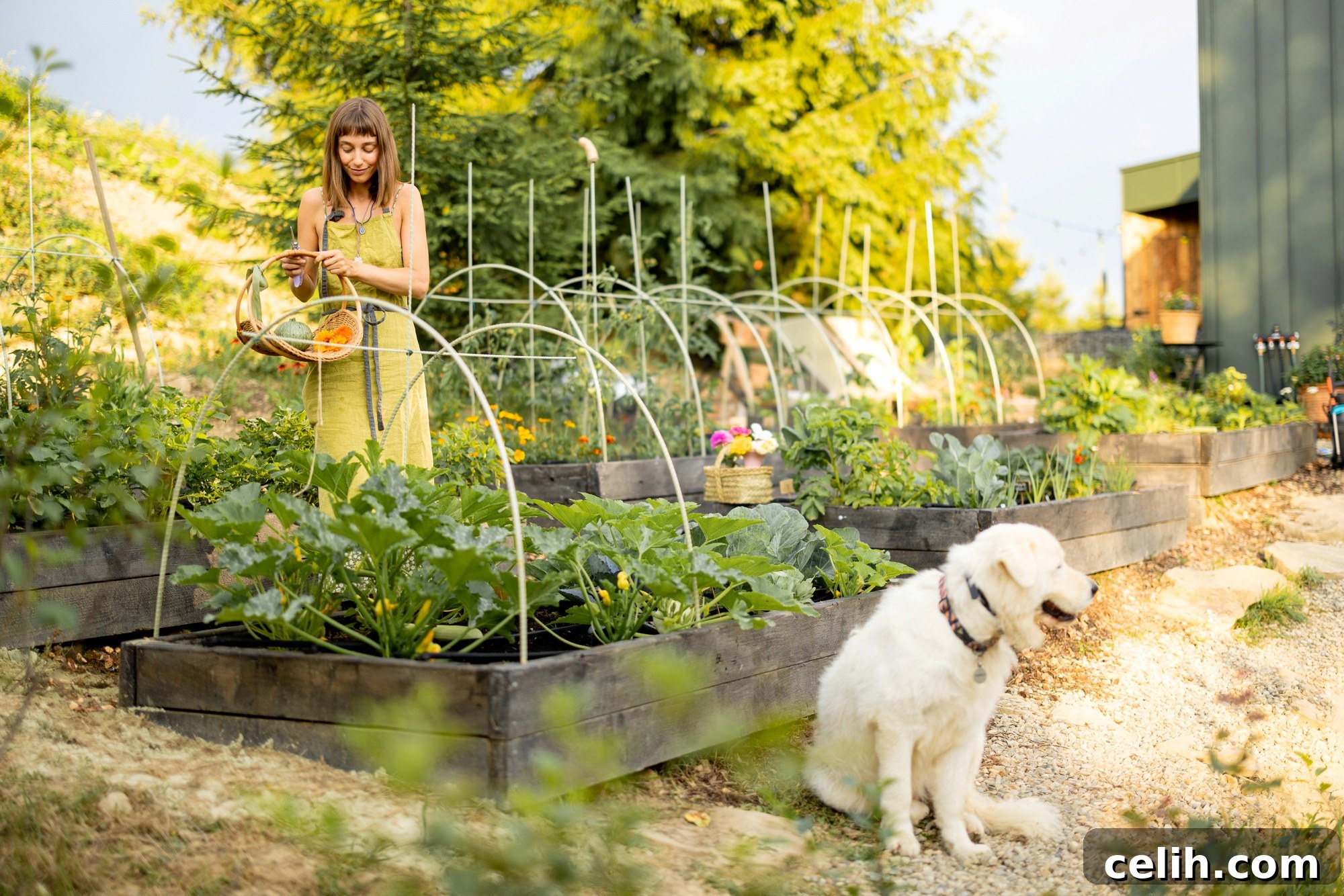
Have you ever envisioned a life of greater self-reliance, cultivating your own nourishing food, and significantly reducing your dependence on conventional systems? Small-scale homesteading offers a compelling path to turn that dream into a tangible reality.
This comprehensive guide is meticulously crafted to furnish you with actionable advice and practical strategies, empowering you to successfully embark on and achieve your small-scale homesteading aspirations. From cultivating fertile soil to nurturing a vibrant apiary, we'll cover the essential steps to build a resilient and rewarding homestead.
1. Establish a Thriving Apiary: The Rewarding World of Beekeeping
Beekeeping is a profoundly rewarding and sustainable addition to any homestead, offering invaluable pollination for your garden and a consistent supply of delicious, natural honey. Beyond the tangible benefits, it fosters a deep connection to nature and a greater understanding of ecological balance. Here’s a detailed guide to help you commence your beekeeping journey with confidence.
Selecting the Optimal Hive System
The choice of hive profoundly influences your beekeeping experience. Popular options include the Langstroth hive, widely recognized globally for its modular design and ease of management, and the British National hive, a common choice in the UK. For those seeking a more natural, hands-off approach, Top-bar hives and Warre hives offer alternatives. Consider crucial factors such as your local climate, your comfort level with hive management, and your honey production goals to determine the best fit. Investing in high-quality, durable materials, such as Western Red Cedar, which boasts natural resistance to decay and insect damage, is paramount. A well-constructed hive provides a robust and secure habitat for your bees, ensuring their longevity and productivity through various environmental challenges.
Don't overlook other essential components for your hive setup. These include commercial-grade supers for honey collection, frames to encourage comb building, and foundation sheets to guide the bees in their wax construction. Many suppliers offer comprehensive starter kits that bundle these essentials, simplifying the initial investment for novice beekeepers.
Choosing the Ideal Apiary Location
While bees are relatively low-maintenance creatures, a thoughtfully chosen location can significantly contribute to their well-being and your convenience. Position your hive in a sunny spot, ideally facing southeast, to encourage early morning foraging. Ensure it is sheltered from strong prevailing winds, which can stress the colony and hinder flight. Crucially, place the hive away from high-traffic areas, both for the safety of your family and visitors, and to minimize disturbances to the bees. Access to a clean water source nearby is also beneficial, especially during hot weather.
Acquiring Your Bee Colonies
The next step is to introduce the bees themselves. Most beginner beekeepers find success starting with a "nuc" (nucleus colony). A nuc is a smaller, established colony comprising a queen bee, several frames of worker bees, brood (eggs, larvae, pupae), and stored resources, providing a strong foundation for your new hive. Another option is "package bees," which are essentially a mass of worker bees and a queen in a cage, requiring the bees to build comb from scratch. Source your bees from reputable local beekeepers or certified suppliers to ensure healthy, disease-free colonies adapted to your regional climate. Integrating your newly acquired bees into a prepared hive is a straightforward process, often guided by your bee supplier or local beekeeping associations.
Prioritizing Protective Beekeeping Gear
Your safety is paramount in beekeeping. Equipping yourself with appropriate protective gear is not just about avoiding stings, but also about building confidence and ensuring a comfortable experience when interacting with your bees. Essential gear includes a full beekeeping suit or jacket, sturdy gloves, and a reliable veil to protect your face and neck. Investing in quality gear minimizes the risk of stings, allowing you to focus on your hive inspections and management tasks with peace of mind. Remember, even experienced beekeepers get stung, but proper attire significantly reduces the frequency and severity.
Consistent Apiary Maintenance
Regular and attentive care is fundamental to maintaining a healthy and productive apiary. Conduct routine hive inspections every 1-2 weeks during the active season. During these inspections, check for the presence of the queen, assess brood patterns, monitor honey and pollen stores, and look for any signs of pests or diseases. Effective pest management, particularly for Varroa mites, is critical for colony health. This may involve integrated pest management strategies. Provide supplemental feeding, such as sugar syrup or pollen patties, during periods of nectar dearth or scarcity to support the colony's growth and survival. Understanding the seasonal rhythms of your bees and adapting your management practices accordingly will ensure your apiary thrives year after year.
2. Harnessing Efficiency: Embracing Modern Homesteading Tools
Modern homesteading represents a dynamic fusion of time-honored traditional practices and innovative, cutting-edge techniques. Embracing appropriate technology can dramatically boost your efficiency, productivity, and overall capacity, allowing you to accomplish more with less physical strain. It's about working smarter, not just harder.
Heavy Equipment for Large-Scale Tasks
For more substantial projects on your homestead, such as land clearing, digging trenches, or transporting heavy materials, high-quality skid steer attachments and other appropriate machinery can prove invaluable. Skid steers, with their versatile range of attachments like buckets, forks, tillers, post-hole diggers, and grapples, can transform arduous manual labor into efficient, mechanized work. They are indispensable for preparing large garden plots for planting, constructing outbuildings, or managing forestry tasks. Similarly, a compact tractor with various implements can significantly aid in tilling fields, mowing pastures, or moving feed and compost, making large-scale homestead development far more manageable and sustainable over time.
Essential Hand Tools: The Foundation of Every Homestead
Not all homesteading tools are as complex as heavy machinery. Many are simple, yet profoundly useful, forming the backbone of daily homestead operations. Mastering the use and care of these fundamental tools is crucial for any homesteader. Here’s a closer look at some must-haves:
| Tool | Primary Use | Why It’s Indispensable |
|---|---|---|
| Garden Hoe | Breaking up soil, creating furrows, and efficient weed removal | Perfect for preparing small to medium garden beds, saving time and effort in cultivation. |
| Shovel | Digging, planting, moving soil, compost, or gravel | A versatile, heavy-duty essential for countless tasks, from planting trees to clearing snow. |
| Wheelbarrow | Transporting heavy loads like soil, compost, firewood, or tools | Significantly reduces physical strain and makes moving bulky materials around the homestead much easier. |
| Pruning Shears | Trimming plants, harvesting produce, cutting small branches | Keeps gardens neat, promotes healthy plant growth, and is vital for fruit tree and bush maintenance. |
| Hand Trowel | Small-scale digging, planting seedlings, transplanting | Ideal for precision work in garden beds, containers, and raised beds. |
| Garden Fork | Aerating soil, turning compost, digging root crops | Excellent for loosening compacted soil without inversion, crucial for soil health and harvest. |
| Axe/Maul | Splitting firewood, clearing small trees | Essential for homesteads relying on wood heat or managing wooded areas. |
| Scythe | Harvesting hay, clearing tall grasses without fuel | An eco-friendly, traditional tool for managing larger grassy areas, promoting mindfulness. |
Leveraging Technology for Planning and Monitoring
Beyond physical tools, modern technology offers significant advantages in homestead management. Utilize weather tracking apps to plan planting and harvesting schedules. Soil testing kits provide invaluable data on your soil's pH and nutrient levels, guiding your fertilization strategies. Gardening apps can help track planting dates, crop rotations, and yield data. Consider automated irrigation systems for efficient water usage, especially during dry spells. Online communities and resources also serve as powerful tools for knowledge sharing and troubleshooting, connecting you with a global network of homesteaders.
3. Blueprint for Prosperity: Laying a Solid Homestead Foundation
The cornerstone of a successful small-scale homestead is meticulous planning and the intelligent utilization of every available inch of your property. Before you sow the first seed or welcome the first animal, dedicate ample time to thoroughly assess your land and craft a comprehensive, long-term master plan. This foresight will prevent costly mistakes and ensure your efforts yield maximum results.
Thorough Land Assessment
Begin by meticulously evaluating your property’s inherent features. This includes conducting a detailed soil analysis to understand its composition, pH, and nutrient profile. Map out sunlight exposure throughout the day and across seasons to determine optimal locations for sun-loving and shade-tolerant crops. Identify all water sources, including wells, springs, and potential rainwater harvesting points, and understand your property's topography and drainage patterns. Document existing natural vegetation, potential windbreaks, and any existing infrastructure. This critical information will inform the best placements for your garden beds, livestock enclosures, water systems, and even your apiary.
Defining Realistic Homesteading Goals
Clearly articulate what you aim to achieve with your homestead. Are you striving for near-complete self-sufficiency in food production, or do you primarily seek to supplement your existing lifestyle with fresh, homegrown produce? Are you interested in raising specific livestock for meat, dairy, or eggs? Do you aspire to generate passive income from your homestead products, such as honey or specialty crops? Setting clear, measurable, and achievable goals will provide a guiding framework for all your decision-making, from selecting appropriate crops and animals to allocating resources and time. Remember, the journey is unique for everyone.
Developing a Comprehensive Master Plan
Once you have assessed your land and defined your goals, create a detailed layout of your entire homestead. This master plan should delineate specific zones for various activities: gardening areas (vegetables, herbs, fruit trees), livestock pens and pastures, composting zones, water collection and storage, tool sheds, and living spaces. Consider principles of permaculture design, such as zoning and sector analysis, to create an efficient and synergistic layout that maximizes natural resources and minimizes waste and labor. Think long-term; factor in potential future expansion for additional garden beds, new animal ventures, or more beehives, ensuring you leave room for growth and adaptation.
Phased Implementation: Starting Small and Scaling Up
Resist the temptation to tackle everything at once. Homesteading is a marathon, not a sprint. Begin with a few manageable, high-impact projects that align with your immediate goals and offer a good return on investment of your time and resources. As you gain practical experience, build confidence, and observe what truly works on your specific land, you can gradually expand your operations. This incremental approach allows for continuous learning, reduces the risk of burnout, and ensures that each new addition is thoughtfully integrated into your evolving homestead ecosystem.
| Strategic Tip |
|---|
| Leverage permaculture design principles to design an inherently efficient and sustainable homestead layout. This approach maximizes natural resources, reduces labor, and minimizes waste, fostering a truly resilient system. |
4. Cultivating Connections: Building a Supportive Homesteading Community
While self-sufficiency is a foundational tenet of homesteading, the journey is significantly enriched and made more successful by connecting with a supportive community. Engaging with fellow homesteaders provides a wealth of knowledge, emotional encouragement, and practical assistance. Building a strong network transforms potential isolated challenges into shared learning opportunities.
Engaging with Local Homesteading Groups
Actively seek out local community organizations, agricultural extension offices, or online groups specifically dedicated to homesteading in your geographic area. These groups are invaluable hubs for sharing local knowledge, discussing regional challenges, and finding solutions tailored to your specific environment. They often organize meet-ups, work parties, and social events, fostering a sense of belonging and mutual support among like-minded individuals. Such connections can lead to opportunities for bartering, bulk purchasing, and even collaborative projects.
Participating in Workshops and Educational Classes
Attend local workshops and classes focused on practical homesteading skills. These might include sessions on canning and food preservation, natural building techniques, fermentation, carpentry, animal husbandry, or advanced gardening methods. Look specifically for beekeeping classes to hone your apiary management skills, pest identification, and honey extraction techniques. These educational opportunities not only equip you with vital skills but also provide excellent venues to meet other passionate homesteaders, exchange ideas, and forge valuable connections that extend beyond the classroom.
Organizing and Participating in Skill-Sharing Events
Consider hosting or actively participating in skill-sharing events and work bees. These collaborative gatherings allow homesteaders to teach and learn from each other, sharing their unique expertise. One person might offer guidance on efficient composting, while another demonstrates natural pest control methods or shares best practices for raising poultry. Such events can include specific beekeeping demonstrations, like hive inspections or swarm captures, fostering a collective increase in knowledge and competence within the community. The act of sharing knowledge and labor strengthens community bonds and creates a powerful collective resource.
“The homesteading lifestyle is not a life of ease, but one that can make things easier in more difficult times through preparation and knowledge.” — Tasha Raymond, University of Maine
5. Cultivating Abundance: Maximizing Your Garden’s Potential
A highly productive and resilient garden is undoubtedly the vibrant heart of any thriving homestead. It provides fresh, nutritious food, reduces grocery bills, and fosters a deep connection to the cycle of life. Implementing strategic gardening practices will ensure you get the absolute most out of your growing space, season after season.
Strategic Crop Selection for Success
Choose crops that are not only well-suited to your local climate and specific soil conditions but also align with your family's dietary preferences and cooking habits. Focus on high-yield, nutrient-dense options such as tomatoes, zucchini, leafy greens, root vegetables, and various berry bushes. Explore heirloom varieties known for their exceptional flavor and adaptability. Consider factors like your USDA hardiness zone and average last/first frost dates when planning. Employ strategies like crop rotation to maintain soil health and prevent disease buildup. Companion planting can also naturally deter pests and enhance plant growth. Growing what you genuinely love to eat ensures that your hard work translates directly into satisfying, delicious harvests that your family will appreciate.
Embracing Organic Practices for a Healthier Garden Ecosystem
Commit to cultivating an organic garden, completely ditching harsh synthetic chemicals. Instead, foster a truly vibrant ecosystem by relying on natural pest control methods and enriching your soil with organic fertilizers. Develop an active composting system to transform kitchen scraps and garden waste into nutrient-rich humus. Utilize cover crops during off-seasons to protect and replenish soil. Encourage beneficial insects like ladybugs, lacewings, and, of course, your honeybees, by planting a diversity of flowering plants that provide nectar and pollen. Implement physical barriers like row covers for vulnerable crops. Learn to make natural biopesticides using ingredients like neem oil, garlic, or hot peppers to address pest issues without resorting to toxic commercial alternatives. A healthy, living soil is the foundation of a productive and resilient organic garden, leading to healthier plants and more nutritious food.
| Natural Biopesticides |
|---|
| Empower yourself by creating your own natural biopesticides rather than relying on toxic commercial chemical products. A wealth of recipes and guides are readily available online. Select the best options based on your specific plants and the types of pests prevalent in your homestead environment. |
Efficient Water Management and Seed Saving
Water is a precious resource, so implement efficient irrigation strategies. Consider rainwater harvesting systems to collect and store water for your garden. Drip irrigation or soaker hoses deliver water directly to plant roots, minimizing waste. Mulching extensively around your plants helps retain soil moisture, suppress weeds, and regulate soil temperature. Beyond water, cultivate the invaluable skill of seed saving. This practice not only reduces your annual expenses but also allows you to adapt plant varieties to your unique growing conditions over time, promoting genetic diversity and true self-reliance. Focusing on open-pollinated and heirloom varieties will make seed saving more straightforward and impactful.
Embrace the Profound Joys and Rewards of Homesteading
By thoughtfully applying these practical tips and implementing these strategic approaches, you will be well on your way to establishing and nurturing a thriving small-scale homestead. Remember, the journey is incremental; begin with manageable projects, embrace every learning opportunity, and progressively expand your homesteading activities as your confidence and expertise flourish.
As you embark on this deeply rewarding homesteading adventure, always keep in mind that the path to self-sufficiency is a uniquely personal one. What proves successful for one homesteader may require adaptation for another, given differing climates, resources, and personal goals. Be prepared to flexibly adapt these guidelines to your specific circumstances and aspirations, allowing your homestead to evolve organically. The rewards—fresh, healthy food, a connection to nature, increased resilience, and profound personal growth—are truly immeasurable.