
Crafting Your Dream Living Room: The Ultimate Guide to Choosing Furniture
Transforming your living room from a mundane space into the inviting, comfortable, and stylish haven you’ve always envisioned is an exciting endeavor. The cornerstone of this transformation lies in selecting the right furniture. It’s more than just filling a room; it’s about creating an atmosphere that reflects your personality, supports your lifestyle, and provides lasting comfort and beauty. This comprehensive guide will walk you through essential considerations, offering practical tips and expert advice to help you make informed decisions, ensuring your dream living room becomes a reality you’ll cherish for years to come.
Mastering Your Budget: A Financial Blueprint for Furniture Shopping
Before you even begin to browse for that perfect sofa or elegant coffee table, establishing a realistic budget is paramount. This foundational step dictates your choices and prevents overspending or buyer’s remorse. Instead of assigning a single, vague sum to the entire room, a more strategic approach involves breaking down your budget by individual furniture pieces.
Start by making a detailed list of all the furniture you need: a new sofa, accent chairs, a TV stand, coffee table, side tables, shelving units, or even a new rug. Then, allocate a proportion of your overall budget to each category. It’s natural for certain items, like a high-quality sofa or a durable dining table, to warrant a higher investment due to their frequent use and impact on the room’s comfort and aesthetic. Being clear about these priorities from the outset empowers you to make wise spending decisions. Don’t forget to factor in potential delivery fees, assembly costs, or even the price of accessories like cushions and throws, as these can quickly add up. Exploring options like sales events, clearance sections, or even reputable second-hand dealers can help stretch your budget further without compromising on style or quality.
Optimizing Your Space: Measurements and Layout Essentials
The allure of a beautiful piece of furniture can be strong, but its beauty is diminished if it overwhelms your space. Understanding the dimensions of your living room is not just helpful; it’s absolutely critical. Before you set foot in a furniture store or click “add to cart,” equip yourself with accurate measurements of your room, including wall lengths, ceiling height, and the positions of windows, doors, and any built-in features. This ensures that every piece you consider will not only fit through doorways but also settle comfortably into its designated spot.
Interior design professionals often echo the woodworker’s adage: “Measure twice, cut once.” For furniture shopping, this translates to “measure twice, buy once.” Avoid guesswork at all costs. Use a tape measure to get precise dimensions, and consider using painter’s tape on your floor to outline the footprint of potential furniture pieces. This visual aid can dramatically help you understand how a large item, like a sectional sofa, will impact traffic flow and the overall openness of the room. Think about how people will move through the space – are there clear pathways? Will doors open fully? Proper space planning also involves considering the scale and proportion of furniture relative to the room and other pieces. A massive sofa in a small room can make it feel cramped, while tiny pieces in a grand space can look lost. Multifunctional furniture, such as ottomans with storage or sofa beds, can be ingenious solutions for maximizing space in smaller living areas.
Harmonizing Hues and Textures: The Art of Color and Pattern Selection
Once the practicalities of budget and space are mapped out, you can delve into the exciting realm of aesthetics: colors, patterns, and textures. These elements are key to defining the mood and personality of your living room. Consider your existing decor – the wall color, flooring, and any pieces you plan to keep. Your new furniture should either complement these elements to create a cohesive look or provide a deliberate, striking contrast that adds visual interest.
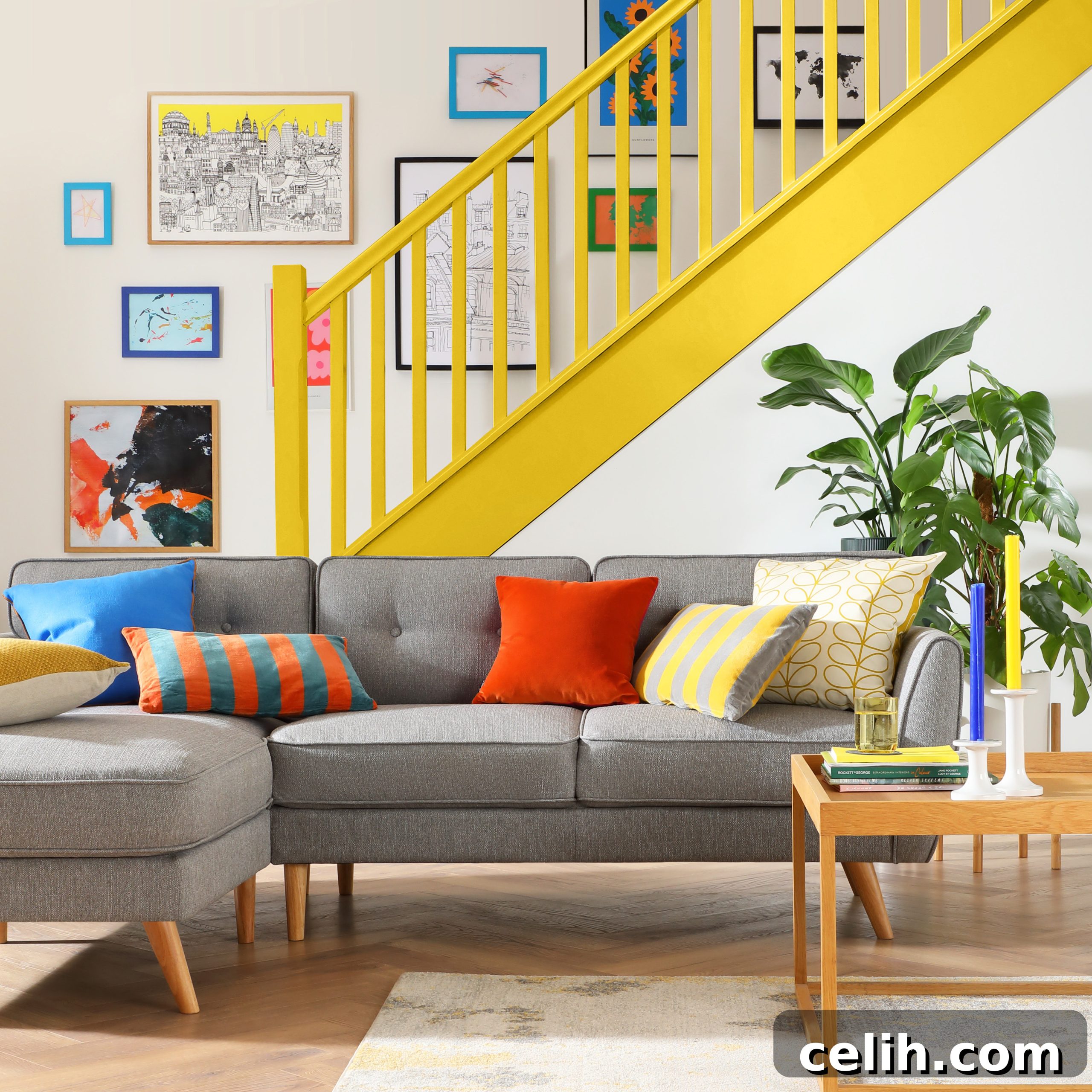
If your walls are painted in a neutral shade, a patterned sofa or a vibrant armchair can serve as a captivating focal point. Conversely, if your walls or existing rugs feature bold designs, opt for furniture in solid, subdued colors to balance the visual weight. A good rule of thumb is to select a primary color, a secondary color, and an accent color. This prevents the room from feeling chaotic or overly busy. Don’t underestimate the power of texture; incorporating various materials like plush velvet, rustic wood, smooth leather, or woven fabrics can add depth and warmth to your space, making it feel more inviting. Remember that natural light can significantly alter how colors appear, so it’s always wise to view fabric samples in your home’s lighting conditions before making a final decision. Small elements like decorative cushions and throws are perfect for introducing pops of color or subtle patterns without committing to large, expensive pieces.
Defining Your Style: Personalizing Your Living Room Aesthetic
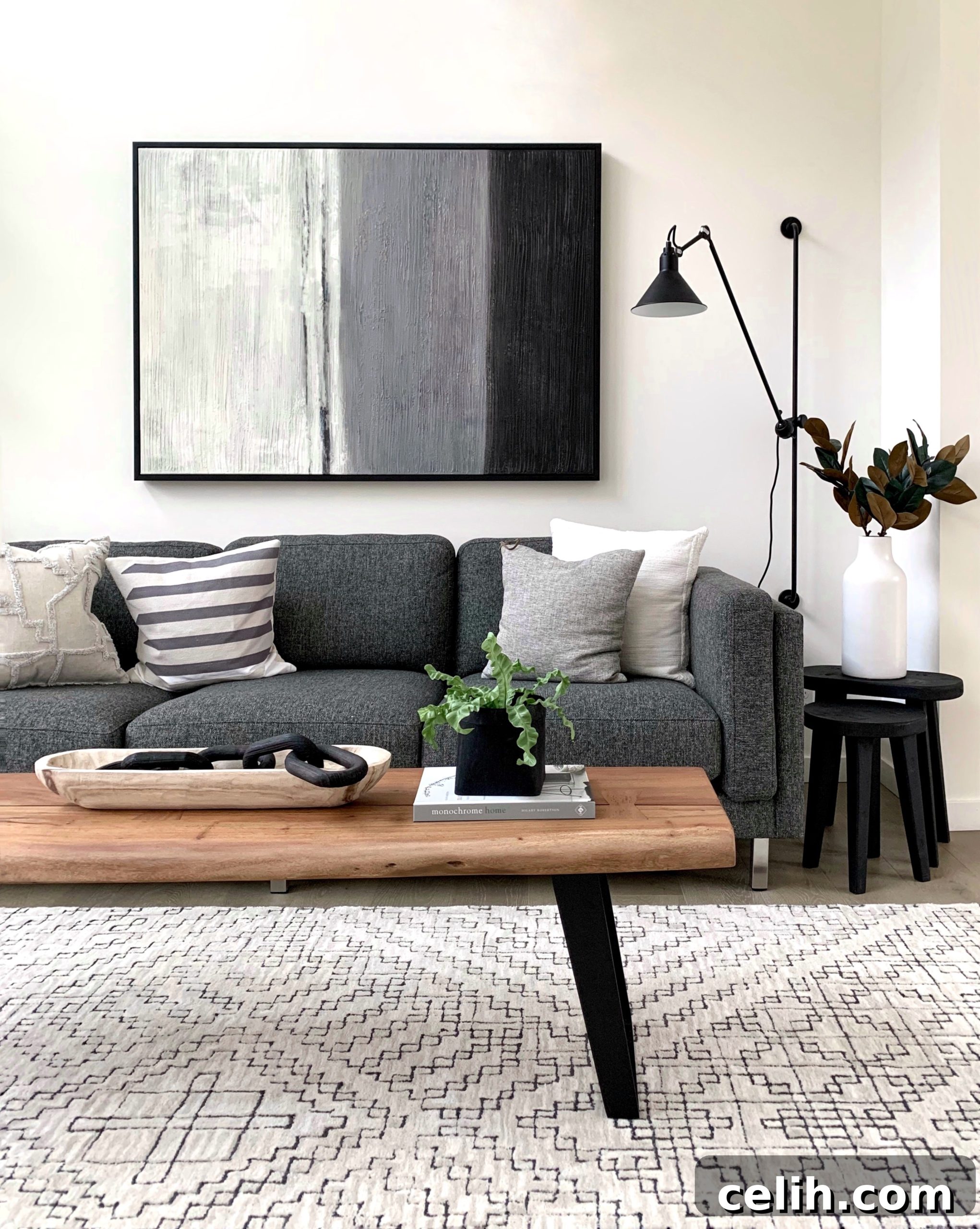
Your living room should be a reflection of you. Before selecting individual pieces, take some time to define your preferred interior design style. Are you drawn to the clean lines and minimalist aesthetic of modern design, the cozy warmth of farmhouse chic, the eclectic vibrancy of bohemian, or the timeless elegance of traditional decor? Browsing magazines, Pinterest, and interior design blogs can help you identify common themes and elements that resonate with you. Creating a mood board, either physical or digital, can be an invaluable tool. Collect images of furniture, color palettes, textures, and accessories that appeal to you. This exercise helps you visualize how different elements come together and ensures consistency in your choices. Knowing your style helps you filter through countless options, guiding you towards furniture that not only looks good but also feels authentically “you.” A cohesive style will make your living room feel more intentional, polished, and ultimately, more like your dream space.
Focusing on Functionality and Flow: Strategic Furniture Placement
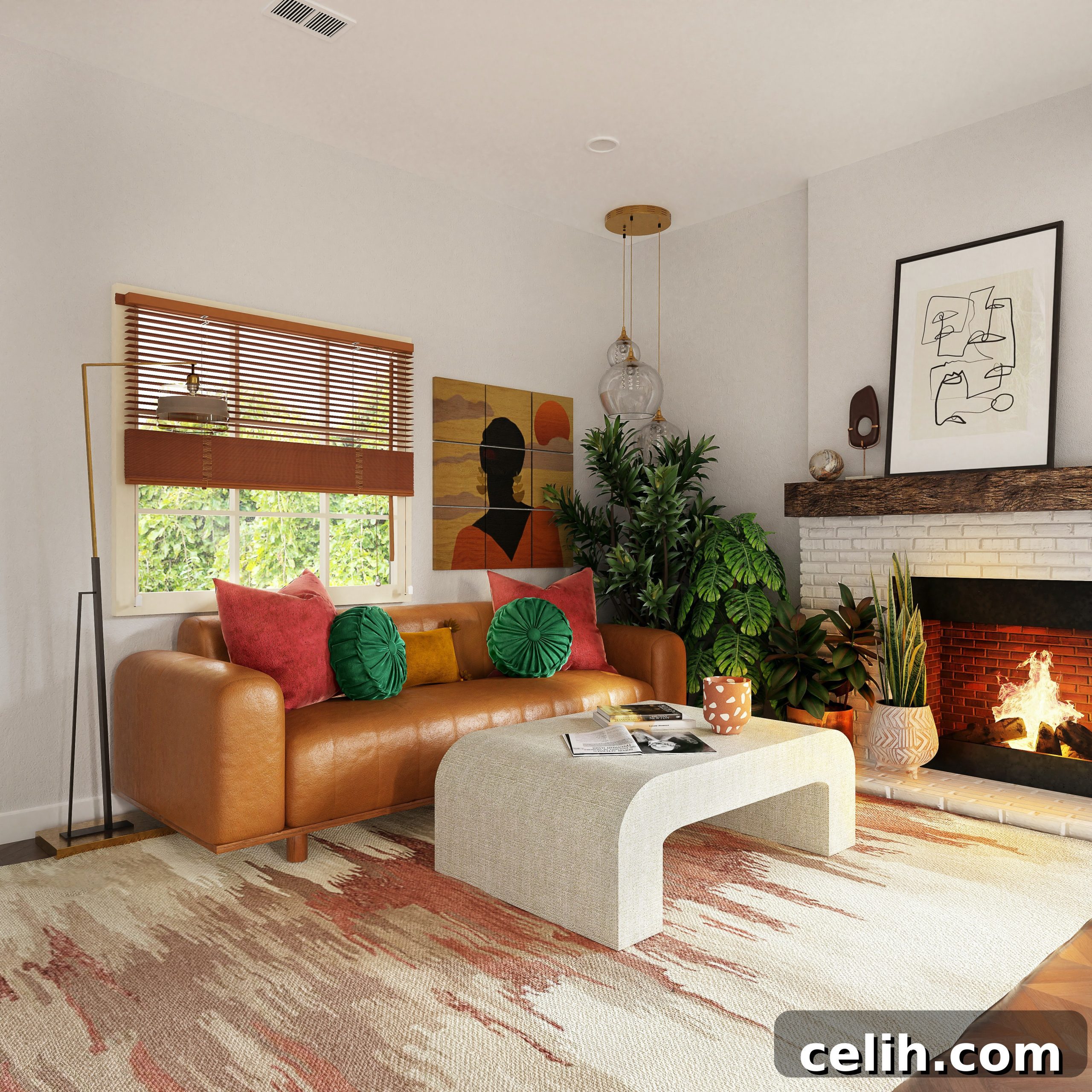
Beyond aesthetics, a truly successful living room design prioritizes functionality and ease of movement. Once you have your furniture pieces in mind, consider how they will be arranged to maximize comfort, facilitate conversation, and create a logical flow. Begin by identifying the room’s focal point. Is it a grand fireplace, a stunning window with a view, a large television, or perhaps a captivating piece of art? Arrange your primary seating – usually the sofa – to face or relate to this focal point. Then, position other pieces, such as accent chairs and side tables, around it to create a comfortable conversation area.
Think about how you use your living room. Do you host frequently? Do you need a dedicated reading nook? Are there specific areas for entertainment? Create distinct zones within the larger space if needed, using rugs or furniture arrangements to subtly delineate them. Ensure there’s adequate space for traffic pathways, allowing people to move freely without bumping into furniture. Consider the placement of electrical outlets for lamps and electronics, and plan your lighting to enhance different areas of the room. Don’t be afraid to experiment with different layouts. Smaller pieces of furniture can be easily repositioned, allowing you to test out various arrangements until you find the perfect configuration that feels both practical and inviting. The goal is to create a space that is not only beautiful but also inherently comfortable and usable for everyone.
The Quest for Quality: Investing in Durability and Comfort
When selecting furniture, the investment in quality often pays dividends in the long run. While aesthetic appeal is crucial, the construction and materials of a piece dictate its durability, comfort, and longevity. For items like sofas and armchairs, investigate the frame construction – hardwood is generally preferred over particleboard. Check the cushioning; high-density foam wrapped in down or fiber provides excellent comfort and retains its shape better over time. Fabric choices also play a significant role; consider factors like stain resistance, durability (especially with pets or children), and ease of cleaning.
For wooden pieces, look for solid wood construction, dovetailed drawers, and smooth finishes. Hardware should be sturdy and well-attached. It’s often worthwhile to visit showrooms to physically test furniture, sitting on sofas, opening drawers, and examining finishes. A comfortable sofa might look perfect in a picture, but it needs to feel right when you relax on it. While trendy pieces can add flair, prioritize timeless, well-made items for your core furniture. These investment pieces will withstand daily wear and tear and remain stylish for years, saving you money and hassle in the long term. Understanding warranties and return policies is also a smart move, providing peace of mind for your significant purchases.
The Finishing Touches: Lighting, Accessories, and Personal Decor
Once your main furniture pieces are in place, the final layer of design comes from thoughtful lighting and carefully chosen accessories. These elements are the soul of your living room, adding warmth, character, and functionality. Layering different types of lighting – ambient (overhead), task (reading lamps), and accent (spotlights on art) – creates depth and allows you to adjust the mood of the room throughout the day. Consider the scale of lamps; they should be proportionate to the furniture they sit beside.
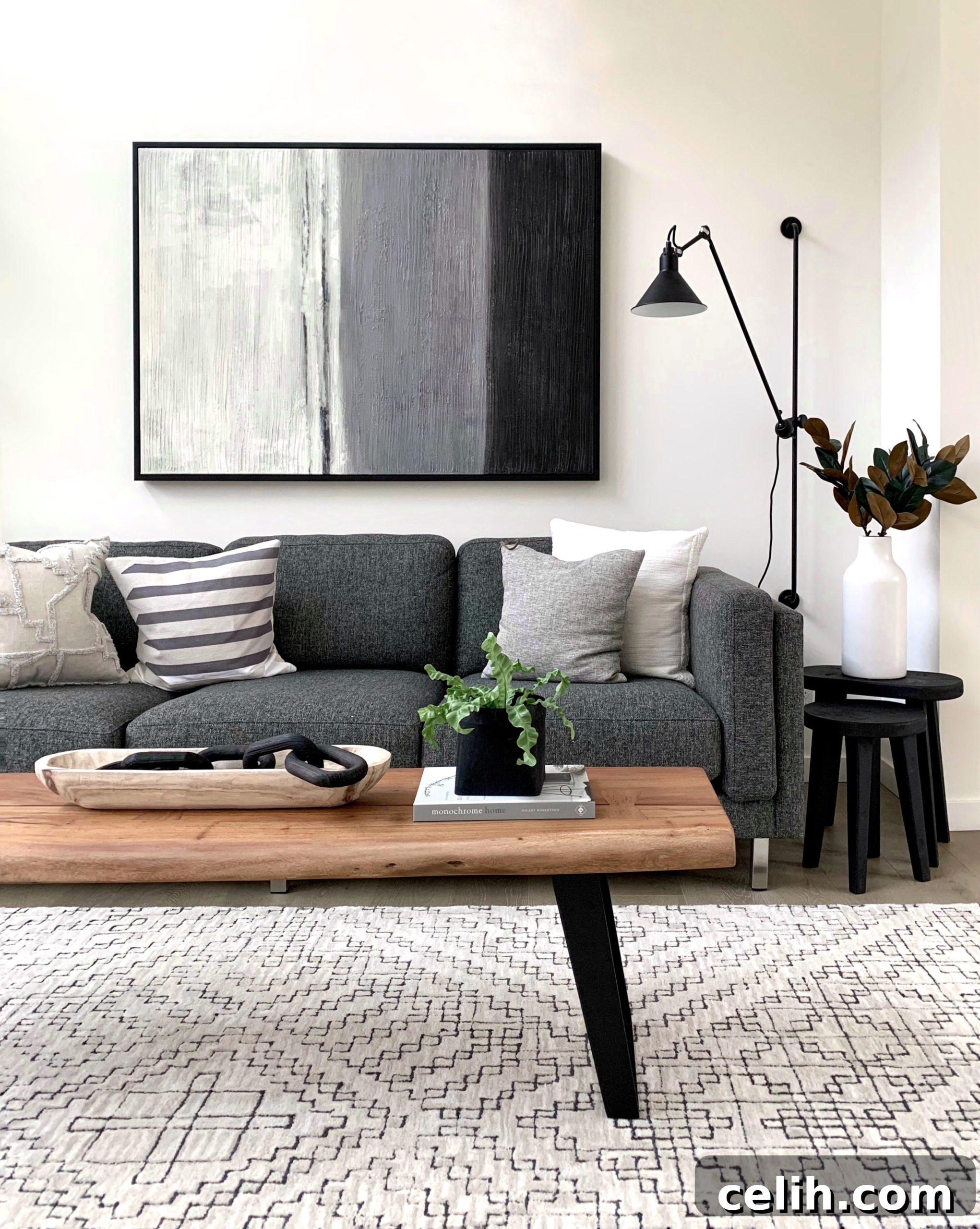
Rugs are another powerful tool, capable of anchoring a furniture grouping, adding color and texture, and defining different zones within an open-plan space. Choose a rug size that accommodates your main seating arrangement, allowing at least the front legs of your sofa and chairs to rest on it. Finally, personalize your space with accessories that tell your story. Art, photographs, plants, decorative objects, and cherished mementos add personality and warmth. However, remember the principle of “less is more” to avoid clutter. Thoughtfully placed accessories can elevate the entire room, turning a beautifully furnished space into a truly lived-in, loved, and unique environment.
Conclusion: Your Journey to a Beautiful, Functional Living Room
Embarking on the journey to design your dream living room can seem daunting, but by breaking it down into manageable steps, you can approach the project with confidence and creativity. From meticulously planning your budget and measuring your space to harmonizing colors and textures, defining your personal style, and investing in quality pieces, each decision contributes to the overall success of your design. Remember that creating a beautiful and functional living room is an iterative process – don’t be afraid to experiment, rearrange, and refine until every element feels just right. With careful consideration and a keen eye for detail, you are well on your way to crafting a living room that not only meets your aesthetic desires but also serves as a comfortable, inspiring, and truly dream-worthy heart of your home.