
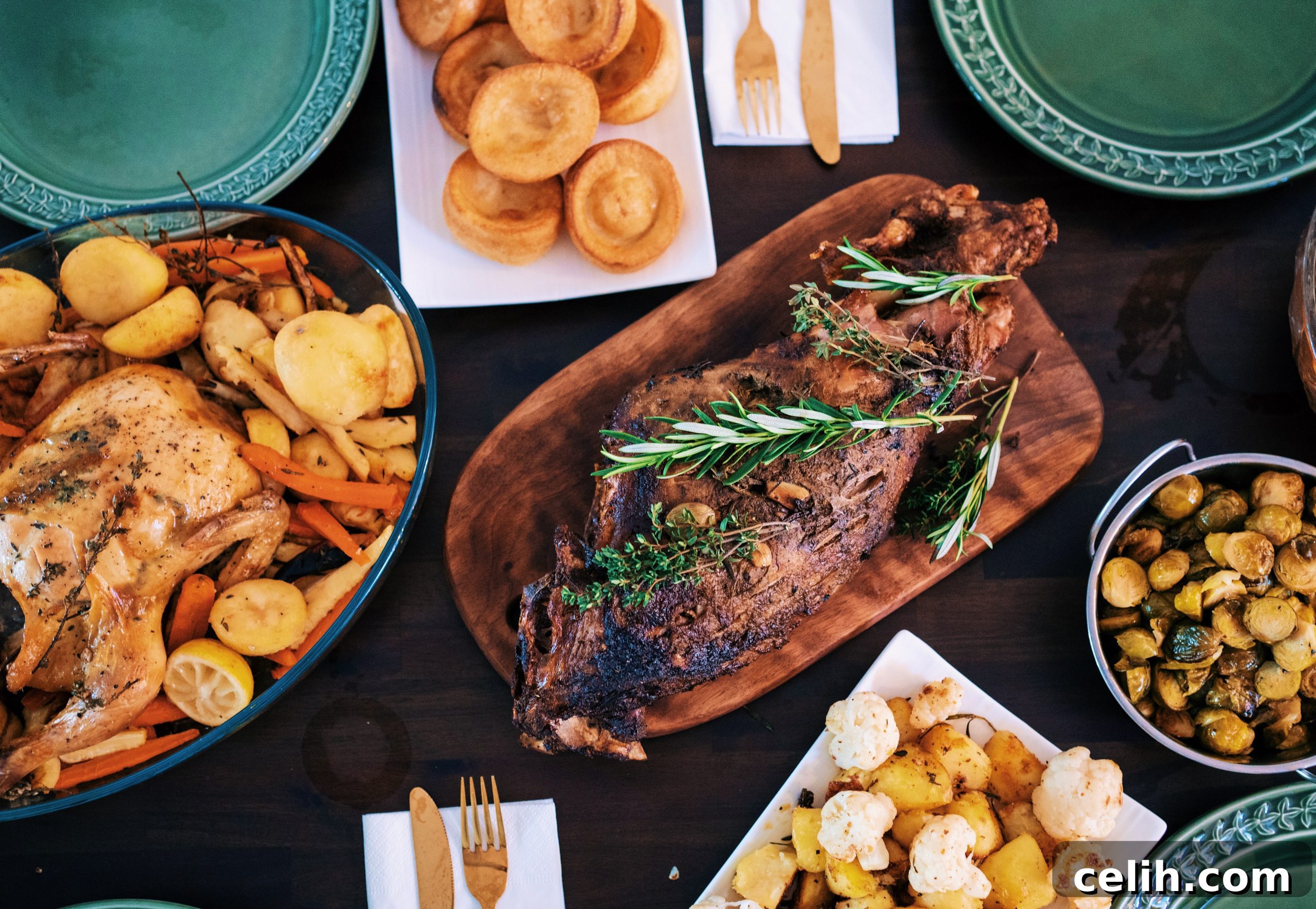
Dinner parties hold a special place in the fabric of social gatherings, beautifully weaving together the twin joys of shared company and exquisite food. For many, it’s the pinnacle of home entertaining, offering a chance to connect deeply with friends and family over a carefully crafted meal. However, for those new to the art of orchestrating such an event, the prospect can seem daunting, riddled with endless decisions and potential pitfalls. Fear not, aspiring host! Transforming your home into a haven for a memorable feast doesn’t require Michelin-star chef skills, but rather a thoughtful approach guided by essential principles. This comprehensive guide will equip you with the fundamental ‘dos’ and ‘don’ts’ of hosting a flawless dinner party, ensuring your next gathering is not only enjoyable for your guests but also stress-free and rewarding for you.
From setting the perfect ambiance to navigating dietary needs, we’ll cover every crucial aspect. Our aim is to demystify the process, helping you host with confidence and ease, leaving you free to savor the moments and connections that truly matter. Embrace these insights, and you’ll be well on your way to earning a reputation as a masterful entertainer, creating gatherings that linger in your guests’ memories long after the last dish is cleared.
Do: Curate a Captivating, Pinterest-Worthy Table
The tablescape is often the first impression your guests receive, acting as the visual centerpiece of your entire soirée. A beautifully adorned table instantly sets a welcoming and celebratory tone, hinting at the culinary delights and wonderful conversations to come. To achieve that coveted “Pinterest-worthy” look, focus on the art of layering and thoughtful detailing. Begin your foundation with a crisp, clean tablecloth, perhaps layered with an elegant table runner for added texture and color. Next, introduce chargers beneath your dinner plates, which not only protect your table but also add a sophisticated visual base.
Stacking plates – dinner plates topped with salad or appetizer plates – creates a luxurious, abundant feel. Arrange your silverware with care, positioning forks to the left, knives and spoons to the right. Don’t forget elegant glassware for water, wine, or other beverages. Beyond the essentials, elevate your table with carefully chosen decor. Fresh flowers are an absolute must; opt for low arrangements that don’t obstruct conversation, or consider multiple smaller vases for a charming, scattered effect. Incorporate candles for a warm, inviting glow (ensure they are unscented to avoid interfering with food aromas). Natural elements like greenery, pinecones, or citrus slices can further enhance the aesthetic. Play with textures, colors, and heights to create visual interest, transforming your dining table into a true work of art that captivates and delights your guests even before the first course arrives.
Don’t: Obsess Over Perfect Cohesion; Embrace Eclectic Charm
While a coordinated table can be stunning, don’t fall into the trap of believing everything must be perfectly matched to create an inviting atmosphere. In fact, some of the most memorable and charming table settings are those that artfully blend different elements. Whether you’re considering investing in new bakeware or simply using what you already own, there are countless low-maintenance ways to achieve a polished yet personal look. The beauty often lies in embracing an eclectic mix of pieces collected over time.
Think about incorporating inherited heirlooms, vintage finds from flea markets, charming thrift store treasures, or even DIY accents you’ve crafted yourself. These items tell a story, adding depth and personality that a brand-new, uniformly purchased set simply cannot replicate. Mixing patterns, textures, and even different styles of dinnerware can create a wonderfully unique and visually appealing table. This approach frees you from the pressure of perfection and allows your personality to shine through, making your dinner party truly distinctive. Guests often appreciate the thoughtful, curated feel of a table that feels lived-in and loved, rather than staged and impersonal. It creates a relaxed, authentic ambiance that encourages genuine connection and conversation.
Tip: When expanding your collection, consider investing in versatile serveware that can transition effortlessly from oven or stovetop directly to the dining table. High-quality enameled cast iron or elegant ceramic dishes are excellent choices. Not only do they offer exceptional heat retention and durability, but their sophisticated aesthetic also adds a touch of rustic elegance or modern charm to your table, eliminating the need for extra serving dishes and simplifying your post-dinner cleanup. This dual functionality is a smart investment for any host, streamlining both cooking and serving processes.
Do: Infuse Your Evening with a Delightful Theme
Adopting a theme for your dinner party is a brilliant strategy to streamline your planning and infuse your event with a cohesive, engaging spirit. A well-chosen motif acts as a creative compass, guiding your decisions for the menu, table settings, decor, music, and even potential dress codes. This focused approach helps to narrow down countless possibilities, making the entire organizing process less overwhelming and far more enjoyable. Beyond the practical benefits, a theme adds an element of fun and anticipation for your guests, transforming a simple meal into an immersive experience.
Consider a diverse range of themes to spark your imagination. You could explore culinary journeys with a “Taste of Italy” pasta night, a vibrant “Mexican Fiesta” with tacos and margaritas, or a comforting “French Bistro” evening. Seasonal themes like an “Autumn Harvest Feast” or a “Summer Garden Party” leverage natural elements and seasonal produce beautifully. For something more whimsical, draw inspiration from your favorite literature, movies, or TV shows – a “Game of Thrones” feast, a “Mad Men” cocktail party, or a “Harry Potter” magical banquet. Holidays, from Valentine’s Day to New Year’s Eve, also offer rich thematic opportunities. The key is to select a theme that genuinely excites and inspires you, making you eager to delve into the details and go all-out in your planning. When you’re passionate about the theme, that enthusiasm will naturally translate into an unforgettable experience for your guests.
Don’t: Let the Theme Overwhelm Your Guests or Your Budget
While a theme can add immense charm and structure to your dinner party, it’s crucial to exercise restraint and avoid going overboard. The goal is to enhance the experience, not to create a theatrical production that consumes all your time, energy, and resources. An overly elaborate or rigidly enforced theme can sometimes feel more like a burden than a delight, both for you and your guests. Remember, a dinner party is fundamentally about connection and enjoyment; the theme should serve as a subtle backdrop, not the main event.
Think of your theme as a seasoning, not the entire dish. Instead of transforming your entire home into a themed wonderland, incorporate small, thoughtful touches here and there. For example, if you’re hosting a “Tropical Paradise” evening, a few strategically placed leis, a fruit-infused drink, and a playlist of island music will do the trick without requiring you to repaint your walls. Focus on integrating elements of your theme into key areas: perhaps one signature themed dish on the menu, a subtle color palette in your table linens, or a themed centerpiece. Keep the majority of your decor and menu items theme-neutral, allowing the special accents to truly pop. This balanced approach ensures that your theme adds a layer of charm and personality without becoming overwhelming, keeping the atmosphere elegant, inviting, and effortlessly chic. It also respects your budget and your sanity, allowing you to edit your arrangement like a seasoned pro.
Do: Prioritize Convenience for a Relaxed Hosting Experience
The notion that hosting a dinner party demands you trot out your most delicate china and heirloom silver is a relic of the past. Modern entertaining embraces practicality without sacrificing elegance. In fact, making a few conscious concessions for convenience can significantly reduce stress, allowing you to genuinely enjoy the company of your guests rather than being tethered to the kitchen or dreading the mountain of dishes after everyone leaves. Prioritizing ease, especially when it comes to cleanup, is a hallmark of a smart host.
One excellent strategy is to select tableware that is exclusively dishwasher-safe. Investing in a beautiful set of everyday dishes, sturdy glassware, and functional cutlery that can all go straight into the dishwasher post-meal is a game-changer. For napkins, consider high-quality, disposable options made from linen-feel paper. These napkins offer a sophisticated look and feel without the laundry burden of cloth versions. Additionally, look for stylish, reusable serving utensils that are also dishwasher-friendly. By making these thoughtful choices, you’re not only simplifying your post-party duties but also setting a precedent for a more relaxed and enjoyable hosting style. Remember, the goal is to create beautiful memories, and that’s hard to do when you’re constantly worried about a fragile plate or a stained linen. Embrace the practical, and your dinner parties will feel more accessible and less intimidating for everyone involved.
Tip: A pro tip for a seamless cleanup is to empty your dishwasher completely before your guests arrive. Then, as you go through your meal preparation, make a conscious effort to hand-wash kitchenware and dishes as they become dirty and put them away or in the empty dishwasher. This “clean as you go” method prevents a towering pile of prep-related dishes from accumulating. An empty dishwasher ready to be loaded with dinner plates and glasses means cleanup will be swift and simple once the dinner party concludes, letting you unwind with your guests instead of tackling a daunting chore.
Don’t: Compromise Elegance with Flimsy Paper Plates at the Table
While convenience is paramount for a relaxed hosting experience, there’s a fine line between practical choices and sacrificing the aesthetic and experience of your dinner party. Setting your dining table with flimsy, everyday paper plates, or cheap plastic cups can inadvertently signal a lack of care or occasion, diminishing the overall ambiance you’ve worked hard to create. You and your guests deserve to enjoy the post-dinner camaraderie without you feeling chained to the sink scrubbing dishes, but this doesn’t mean resorting to options that detract from the meal itself. A dinner party, even a casual one, implies a certain level of thoughtfulness in presentation.
Instead of low-quality paper or plastic, consider eco-friendly and aesthetically pleasing alternatives for more relaxed or outdoor gatherings. High-quality single-use plates crafted from bamboo, palm leaf, or compostable materials offer a beautiful, natural look that can elevate the dining experience significantly. These options are sturdy, stylish, and biodegradable, addressing both convenience and environmental consciousness. They provide the ease of disposability without the guilt of landfill waste or the visual downgrade of typical party ware. For beverages, explore reusable options like sturdy acrylic tumblers or even elegant glass jars, which are durable and often dishwasher-safe. By making these intentional choices, you demonstrate respect for your guests, your meal, and the environment, ensuring your dinner party maintains its charm and elegance while still offering you the much-deserved freedom from extensive cleanup.
Do: Diligently Inquire About Dietary Restrictions and Preferences
In today’s diverse culinary landscape, inquiring about dietary restrictions and preferences is not just a courtesy; it’s a fundamental aspect of responsible and inclusive hosting. The last thing any host wants is for a guest to feel uncomfortable, unable to eat, or worse, to inadvertently expose them to something that could cause illness or a severe allergic reaction. Before you even begin planning your menu, make it a priority to ask your guests about any allergies, intolerances, or specific dietary choices they may have. This proactive approach ensures everyone feels safe, respected, and genuinely cared for.
When you send out your invitations, whether they are formal cards or a casual group message, include a clear request for this information. Be specific, asking about food allergies (e.g., nuts, shellfish, gluten), dietary restrictions (e.g., vegetarian, vegan, dairy-free), and even preferences (e.g., dislikes, low-carb). If you find yourself contending with several different dietary needs, don’t panic. Take a leaf out of the book of the ultimate Queen of Hosting, Martha Stewart, and consider setting up distinct food stations. Each station can be clearly labeled with attractive, informative tags detailing the ingredients and catering to specific requirements. This method not only makes it easy for guests to identify suitable options but also adds an interactive and personalized touch to your buffet. It demonstrates a high level of thoughtfulness and attention to detail, making all your guests feel welcome and valued, regardless of their dietary needs.
Don’t: Underestimate or Ignore Serious Food Allergies
While dietary preferences are important to accommodate, food allergies are a matter of health and safety, and must be treated with the utmost seriousness. Ignoring or downplaying a guest’s stated food allergy can have severe, even life-threatening consequences. It is a critical responsibility of the host to ensure a safe dining environment for all attendees. This isn’t just about discomfort; it’s about preventing a potentially deadly anaphylactic reaction.
When you explicitly ask about dietary restrictions and allergies in your invitations, pay close attention to the responses. If a guest identifies a serious allergy (e.g., to peanuts, tree nuts, shellfish, dairy, gluten, eggs, or soy), your menu planning needs to reflect this with extreme care. The safest approach is often to completely eliminate the allergen from all dishes being served, if feasible. If not, ensure that allergen-containing foods are prepared, served, and stored completely separate from the rest of the menu to prevent cross-contamination. Use separate cutting boards, utensils, and serving dishes. When setting up food stations or a buffet, clear and prominent labels are absolutely essential. Not only should you list all ingredients for each dish, but specifically call out common allergens present, such as “Contains Tree Nuts” or “Contains Shellfish.” This transparency empowers guests to make informed choices for their own safety. Having at least one main dish or several sides that are entirely free of major common allergens can also be a thoughtful and safe strategy, ensuring that all guests have delicious and worry-free options. Prioritizing allergy awareness demonstrates profound care for your guests’ well-being.
Tip: Managing guest expectations is another key element of successful hosting. Clearly communicate what courses will be served when you invite your guests. For instance, if you’re only planning on serving an array of heavy appetizers or substantial snacks rather than a full multi-course meal, make sure this is explicitly clear in your invitation. This thoughtful detail allows your guests to plan their own meals accordingly, preventing anyone from arriving ravenous and leaving hungry, ensuring everyone has a satisfying and enjoyable evening.
Do: Cultivate Flexibility and Anticipate Guestlist Fluctuations
The fluid nature of social plans means that guest lists, no matter how carefully curated, are rarely static. As with almost any social gathering, you’re bound to encounter a handful of “maybes” when you send out your invitations, and even committed RSVPs can sometimes change due to unforeseen circumstances. A hallmark of an unflappable host is the ability to adapt and embrace this inevitable variability with grace and a touch of preparedness. Rather than becoming flustered by last-minute changes, anticipate them and build a small buffer into your plans.
It is always far better to have a little too much food and drink than not enough. Therefore, when you’re planning your menu and shopping for ingredients, aim to prepare for one or two extra guests beyond your confirmed count. This small contingency plan provides peace of mind and ensures that if a delightful plus-one unexpectedly arrives or a “maybe” turns into a “yes,” you can accommodate them without a ripple of stress. Similarly, have a couple of spare place settings, extra chairs, or even some versatile cushions on hand. Life happens, plans shift, and unexpected opportunities arise. Being prepared for these minor fluctuations means you can extend a genuine welcome to everyone, maintaining a relaxed atmosphere and ensuring that all your guests feel comfortably included, regardless of last-minute adjustments. This flexibility contributes significantly to a harmonious and stress-free event, allowing the focus to remain on friendship and enjoyment.
Don’t: Hesitate to Politely Request Firm RSVPs
While an accommodating and flexible approach to your guest list is commendable, there’s a crucial distinction between being prepared for minor shifts and operating without a clear headcount. As a host, it’s perfectly reasonable, and indeed highly advisable, to request a firm commitment from your guests through a clear RSVP (Répondez s’il vous plaît). This isn’t about being rigid; it’s about practical planning and respectful communication, ensuring you can host effectively and responsibly.
Imagine the challenge of planning a meal, setting a table, and budgeting for food and drinks if a significant portion of your invitees respond with “maybe.” This ambiguity makes it virtually impossible to accurately gauge how much food to prepare, how many place settings you’ll need, or even the optimal seating arrangement. The consequences can range from wasting food and resources by over-preparing, to the far less desirable scenario of under-preparing and potentially sending guests home hungry or feeling overlooked. Therefore, when you send out your invitations, include a clear RSVP deadline and specify how guests should respond (e.g., via email, text, or a specific platform). A polite follow-up for those who haven’t responded by the deadline is also perfectly acceptable. By requesting clear RSVPs, you empower yourself to manage your dinner party efficiently, ensuring you have the right amount of food, adequate seating, and an overall well-organized event. This not only prevents unnecessary stress and waste but also contributes to a smoother, more enjoyable experience for everyone involved, reinforcing your reputation as a considerate and organized host.
Do: Graciously Accept Offers of Assistance from Guests
In the spirit of community and shared enjoyment, remember that hosting a dinner party doesn’t mean you have to shoulder every single task on your own. Many guests genuinely want to contribute and help lighten your load, and graciously accepting their offers of assistance can transform the event into a more collaborative and relaxed experience. It’s a wonderful way to foster a sense of shared ownership and camaraderie, allowing everyone to feel more at home.
When a guest asks, “What can I bring?” or “How can I help?”, avoid the reflexive “Oh, nothing, I’ve got it all covered.” Instead, have a few practical suggestions ready. Perhaps you could suggest they bring a bottle of their favorite wine, a dessert to share, a specific side dish that complements your menu, or even just ice. During the event itself, if someone offers to help clear plates, load the dishwasher, or lend a hand in the kitchen, don’t hesitate to say “yes.” This doesn’t diminish your role as the host; rather, it cultivates a more informal and friendly atmosphere where everyone feels comfortable contributing. Accepting help can significantly reduce your stress, free up your time to socialize, and demonstrate that you value your guests’ generosity. It shows that you’re approachable and human, making the entire evening more enjoyable for everyone, including yourself. Remember, the goal is to create a delightful experience, and sometimes that means sharing the responsibilities.
Don’t: Presume a Potluck Unless Explicitly Stated in the Invitation
While accepting help from your guests is a wonderful and encouraged practice, there’s a critical distinction between a guest offering a helpful contribution and the expectation that they will provide a substantial part of the meal. Unless you have explicitly specified that your gathering is a potluck in your invitation, guests will naturally assume that as the host, you are responsible for preparing the bulk of the food. Presuming contributions without clear communication can lead to confusion, awkwardness, and potentially an insufficient spread of food.
In a traditional dinner party setting, guests typically arrive with a small token of appreciation, such as a bottle of wine, a bouquet of flowers, or a dessert. They do not expect to be responsible for a main course or a significant side dish unless specifically asked. If your intention is to host a potluck, where everyone contributes a dish, this must be stated unequivocally in your invitation. For a potluck, it’s also generally expected that the host still takes on the responsibility for the largest, often most expensive, item – typically the main dish – along with several complementary sides. Furthermore, a good potluck host will often coordinate contributions to ensure variety and avoid multiple guests bringing the same dish. Clear communication is paramount. If you desire or expect guests to contribute more than just a customary host gift, articulate this clearly and politely in your invitation. This upfront honesty sets appropriate expectations for everyone, ensuring that your dinner party, whether a traditional hosted meal or a collaborative potluck, runs smoothly and without any uncomfortable misunderstandings, allowing everyone to enjoy the culinary contributions and the company.
Practice Makes Perfect: The Art of Effortless Entertaining
Hosting a dinner party, much like any other skill in life, becomes progressively easier, more intuitive, and infinitely more enjoyable with practice. Each event you orchestrate, whether it’s a grand holiday feast or an intimate gathering of close friends, offers invaluable lessons and opportunities for refinement. You’ll soon discover what works best for your space, your preferred style, and the unique dynamics of your social circle. Over time, you’ll naturally develop your own rhythm, your signature dishes, and a repertoire of clever hacks that make entertaining feel less like a chore and more like a cherished ritual.
Don’t be afraid to experiment with new recipes, different table settings, or varied themes. Embrace the learning curve, and view each party as a chance to hone your hosting prowess. The ultimate goal is not to achieve unattainable perfection, but to create an atmosphere where everyone, including you, feels relaxed, happy, and connected. As you grow more confident, the initial stress will fade, replaced by the genuine pleasure of bringing people together around your table. In the meantime, we sincerely hope these comprehensive guidelines, covering everything from ambiance to etiquette, will serve as your trusted compass, helping you to confidently throw a five-star dinner party with minimal stress and maximum delight. Cheers to many memorable evenings filled with laughter, delicious food, and wonderful company!