
Finding the perfect home to rent is a significant decision that extends far beyond just budget and number of bedrooms. It’s about discovering a space that truly feels like home, a sanctuary where you can thrive. The design of a potential rental property plays a pivotal role in this, influencing your comfort, daily routine, and overall well-being. Overlooking critical design considerations can lead to unforeseen frustrations and expenses down the line. This comprehensive guide will delve into five crucial design aspects you must evaluate thoroughly before committing to a rental agreement, ensuring your next move is a step towards a happier, more harmonious living experience.
1. Optimize Your Space: Size and Functional Layout
The first and most fundamental design consideration is the size of the home and its functional layout. While it might seem straightforward, accurately assessing your space requirements involves more than just counting square footage. You need to visualize your life unfolding within those walls.
Begin by considering your household composition. A large family will undoubtedly require more living space, more bedrooms, and potentially additional bathrooms. However, even for singles or couples, understanding how you intend to use each area is vital. Do you work from home and need a dedicated office space? Are you an avid cook who requires a spacious kitchen and pantry? Do you enjoy entertaining guests, necessitating an open-plan living area or a comfortable dining room?
Beyond the basics, think about your possessions. Will your existing furniture fit comfortably without making rooms feel cramped? Do you have large hobby items, sports equipment, or an extensive book collection that requires specific storage solutions? A home might look spacious when empty, but it can quickly shrink once your belongings are moved in. Consider storage options such as built-in closets, external storage units if available, or even the potential for flexible furniture solutions.
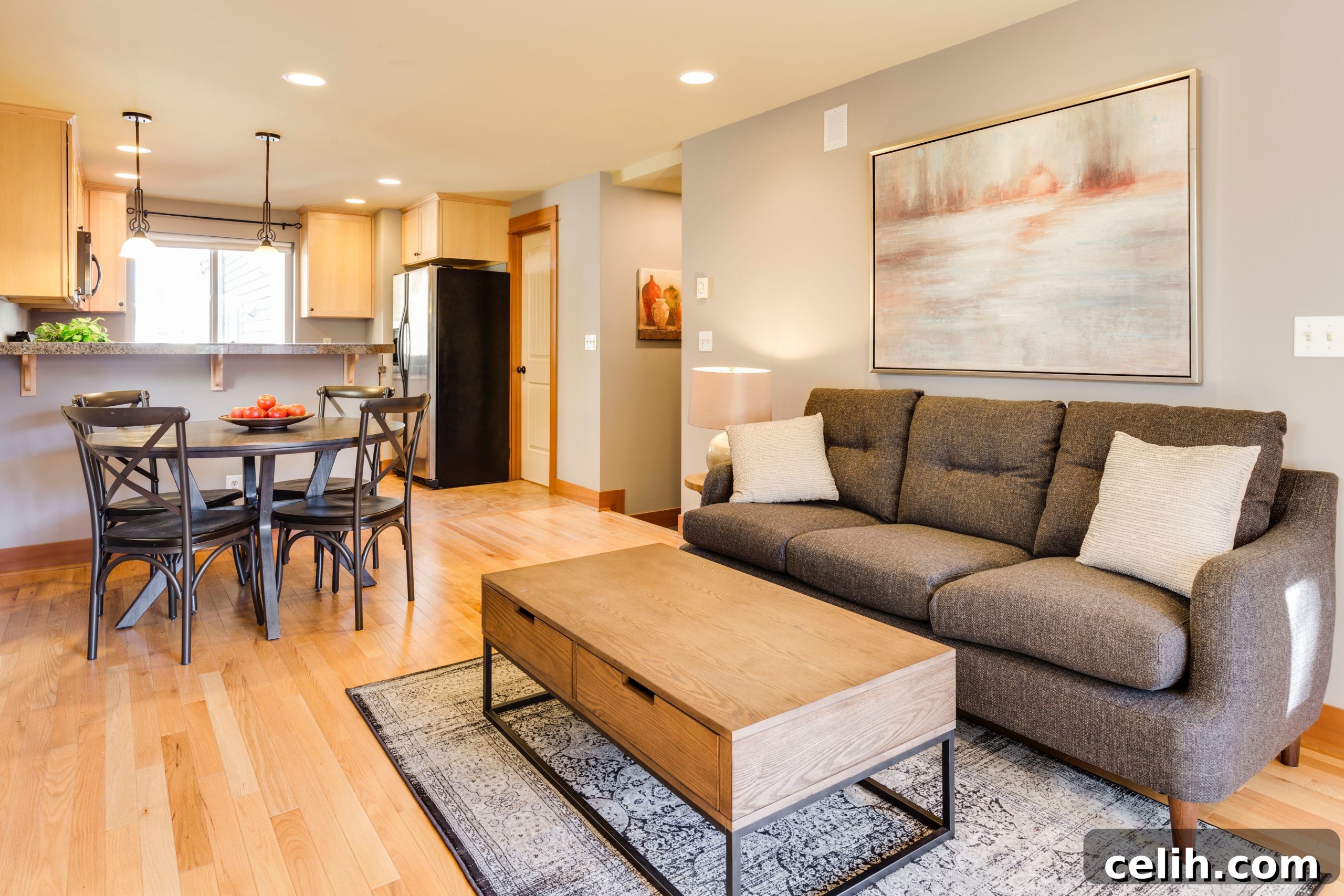
The floor plan is your best friend here. Study it meticulously. It offers a bird’s-eye view of the flow between rooms, window placements, and potential furniture arrangements. Pay attention to the transitions between spaces. Does the layout support your lifestyle? For instance, an open-concept design promotes social interaction and maximizes natural light, but might lack privacy for a home office. Conversely, a more segmented layout offers distinct zones but could feel less expansive. If available, take measurements during your viewing to gauge how your specific items will fit, or even create a simple sketch to map out your furniture placement. This proactive approach ensures the space doesn’t just accommodate your needs but enhances your daily living.
2. The Essence of Place: Location and Neighborhood Vibe
While not strictly an interior design element, the location of your rental home profoundly impacts your daily life and overall satisfaction. It’s a design consideration in the broader sense, shaping how you interact with the world outside your door.
Your commute is often the first practical concern. How far is the property from your workplace, your children’s school, or other essential commitments? Consider not just distance, but also traffic patterns and the availability of public transportation. A shorter, less stressful commute can significantly improve your quality of life, saving both time and money.
Beyond the daily grind, assess the surrounding neighborhood’s compatibility with your lifestyle. Are you seeking a quiet, residential street or a vibrant, bustling area with cafes and nightlife? Proximity to essential amenities such as grocery stores, pharmacies, healthcare facilities, and recreational spaces like parks and gyms can greatly enhance convenience. If you have pets, check for nearby dog parks or walking trails. For families, researching local schools, playgrounds, and community centers is crucial.
Safety is paramount. Research crime rates for the area and visit the neighborhood at different times of day and night to get a true feel for its atmosphere. Observe the general upkeep of properties, street lighting, and the presence of friendly faces. Noise levels are another significant factor; a home near a busy road, train tracks, or an active business might bring unwanted disturbances. Consider your personal tolerance for noise and ensure the environment aligns with your need for peace and quiet.
Finally, consider the community aspect. Are there local events, farmers’ markets, or community groups that align with your interests? A strong sense of community can turn a rental property into a true home, fostering connections and a feeling of belonging. The location of your rental isn’t just a dot on a map; it’s an integral part of your living experience, influencing everything from your daily routine to your social life.
3. Beyond Aesthetics: Structural Integrity and Essential Systems
Before you fall in love with a home’s aesthetic appeal, it’s critical to scrutinize its underlying structural integrity and the condition of its essential systems. This is a design consideration focused on safety, longevity, and avoiding costly problems. The foundation, walls, and ceilings should be free from visible cracks, significant bowing, or signs of water damage, which could indicate serious underlying issues. A home’s structure provides its bones, and any weakness there can lead to a host of problems.
However, structural integrity goes beyond just the visible framework. You must also evaluate the condition of the home’s vital systems: plumbing, electrical, and HVAC (heating, ventilation, and air conditioning). Test faucets for water pressure and drainage, check for any signs of leaks or unusual odors. Ensure all electrical outlets and light fixtures are working correctly and that there are no exposed wires or flickering lights, which could indicate outdated or faulty wiring. Inquire about the age and maintenance history of the HVAC system; an old, inefficient system can lead to exorbitant utility bills and uncomfortable living conditions.
Pay close attention to potential signs of dampness, mold, or pests. Musty smells, discoloration on walls or ceilings, or a damp feeling in the air can all point to moisture problems. Look for any evidence of pest activity, such as droppings, gnaw marks, or actual insects. These issues not only compromise comfort but can also pose health risks.
While a full professional home inspection might not always be feasible for a rental, a thorough visual inspection by someone with experience, perhaps a trusted contractor friend, can reveal significant red flags. Always clarify with the landlord or agent who is responsible for maintenance and repairs. Understanding your landlord’s commitment to upkeep is crucial. If a landlord is unresponsive to necessary repairs, tenants might need to explore options like housing disrepair claims to ensure a safe and habitable living environment. Always document the condition of the property with photos and videos before moving in to protect yourself from future disputes.
4. The Power of Light: Natural Illumination and Ambiance
The amount of natural light a home receives is a design element that profoundly impacts mood, energy levels, and even utility bills. A bright, naturally lit space often feels more inviting, expansive, and uplifting. Conversely, a dimly lit home can feel gloomy and require constant reliance on artificial lighting, which can be expensive and less aesthetically pleasing.
When viewing properties, pay close attention to the number and size of windows, as well as their orientation. South-facing windows generally provide the most consistent and abundant light throughout the day, while north-facing windows offer soft, diffused light. East-facing windows welcome the morning sun, and west-facing windows capture the warm afternoon and evening light. Consider how these natural light sources will affect different rooms at various times. Will your living room be bathed in sunlight during the hours you use it most? Will your bedroom receive harsh morning light if you prefer to sleep in?
Beyond just brightness, natural light influences your ideal interior design choices. Light-filled rooms can handle darker paint colors and heavier furniture without feeling overwhelmed, while rooms with less natural light benefit from lighter palettes, reflective surfaces like mirrors, and strategic artificial lighting to brighten them up. Think about the views from the windows too – a pleasant outlook can enhance the living experience, while an obstructed view might detract from it. Privacy is another consideration; large, unobstructed windows are great for light but might expose your home to neighbors or passersby, necessitating effective window treatments.
If a home lacks ample natural light, assess the potential for compensation. Can you use a mix of ambient, task, and accent lighting to create a warm and functional atmosphere? Are there opportunities to add large mirrors to bounce light around the room? While artificial solutions can help, they rarely fully replicate the psychological and practical benefits of abundant sunshine. Prioritizing natural light can save you money on electricity, improve your mood, and make your rental feel more open and livable.
5. The Heart of the Home: Kitchen and Functional Space Design
For many, the kitchen is the true heart of the home – a place for cooking, eating, socializing, and creating memories. Its design, therefore, is a critical component of your rental decision. Beyond mere aesthetics, consider its functionality and how well it supports your daily activities.
Start by evaluating the classic “kitchen triangle” – the layout between the sink, refrigerator, and stove. Is it efficient and easy to navigate, minimizing unnecessary steps? Assess the amount of countertop space available for meal preparation. Do you have enough room for chopping, plating, and small appliances? Storage is another key factor: are there sufficient cabinets and pantry space to accommodate your groceries, cookware, and dishes? The condition and age of appliances are also important. Are they modern and energy-efficient, or older models that might incur higher running costs or be prone to breakdown?
Consider how the kitchen integrates with dining and living areas. An open-plan kitchen might be ideal for entertaining, allowing the cook to remain part of the conversation. If you have children or pets, a kitchen island with a seating area or a designated cozy corner can be invaluable, keeping them safely engaged nearby while you cook without feeling neglected. This also creates a natural gathering point for casual meals and homework.
Beyond the kitchen, extend your functional space assessment to other key areas. Bathrooms should be clean, well-maintained, and ideally have good ventilation to prevent moisture issues. Check for sufficient storage for toiletries and towels. What about laundry facilities? Is there an in-unit washer and dryer, or access to communal facilities? This can significantly impact convenience. Finally, consider any outdoor spaces – a balcony, patio, or small yard. While these are often shared or subject to landlord rules, they can offer valuable extra living space for relaxation or entertaining, making your potential properties feel more complete.
Choosing a rental home is an intricate process that demands careful thought and attention to detail. By meticulously evaluating these five design considerations – the practicalities of size and layout, the influence of location and community, the critical importance of structural and systemic integrity, the uplifting impact of natural light, and the daily functionality of the kitchen and other spaces – you can make an informed decision. Taking the time to assess these factors will not only help you find a property that meets your immediate needs but also one that fosters comfort, convenience, and a genuine sense of home throughout your tenancy. Prioritize what matters most to you, trust your instincts, and embark on your rental journey with confidence.