
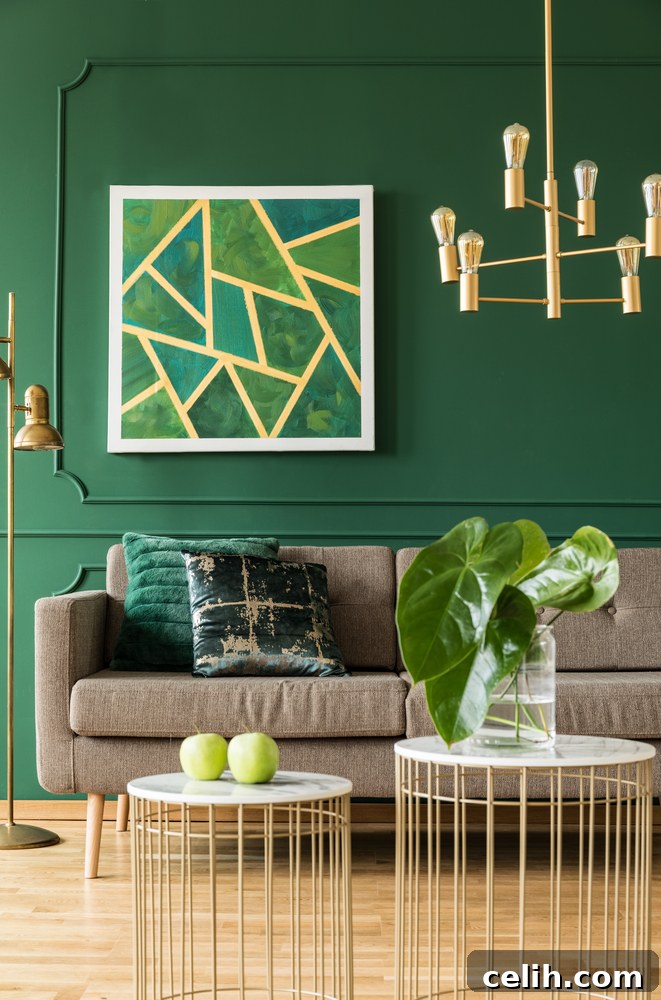
In our increasingly dynamic world, the concept of home has evolved significantly. It’s no longer just a place to rest; it’s a vibrant hub for work, education, leisure, and personal well-being. As technology continues its rapid advancement, modern homeowners are seeking innovative ways to adapt their living spaces to meet these diverse and ever-changing demands. The goal is to create environments that are not only comfortable and aesthetically pleasing but also highly functional, efficient, and forward-thinking.
This article delves into five essential solutions that can profoundly transform any house into a truly modern, efficient, and exceptionally comfortable home. From optimizing compact spaces to embracing sustainable living and intelligent technology, these upgrades represent key pillars of contemporary home design.
1. Ingenious Space-Saving Bathroom Solutions
Maximizing space is a paramount concern in modern homes, especially within the dense urban landscape where square footage comes at a premium. The bathroom, often one of the smallest rooms, frequently presents unique challenges when it comes to efficient space utilization without sacrificing functionality or aesthetic appeal. Fortunately, a new generation of innovative solutions is making it easier than ever to create a luxurious and practical bathroom, regardless of its size.
Among the most transformative space-saving innovations for bathrooms is the modern upflush toilet system. These revolutionary systems, which typically include a macerating upflush toilet pump, are redefining bathroom installations. They are particularly invaluable in challenging locations where traditional gravity-fed plumbing would be difficult, expensive, or even impossible to install, such as basements, attics, garage conversions, or even commercial spaces.
Upflush toilets operate on a unique principle: instead of relying solely on gravity to move waste to the main sewer line, they use a powerful macerating pump to liquefy waste and then pump it upwards or horizontally through small-diameter pipes. This design eliminates the need for extensive, disruptive excavation and plumbing work, making them an ideal choice for adding a new bathroom in spaces that previously seemed unfeasible. Imagine transforming an unused corner of your basement into a fully functional ensuite without tearing up concrete floors or engaging in major structural modifications.
Key benefits of these versatile toilet systems include:
- Hassle-Free Setup Experience: Installation is significantly simpler and quicker than conventional plumbing.
- Minimal Noise and Quiet Operation: Modern upflush systems are designed for discreet and quiet performance.
- Effortlessly Installed: Requires minimal plumbing work, often connecting directly to existing water lines and a small discharge pipe.
- Ideal for Challenging Locations: Perfect for basement bathrooms, attic conversions, or any area situated below the main sewer line.
- Flexibility in Design: Allows homeowners to add a bathroom in unconventional or previously unplumbable spaces, boosting property value and convenience.
For homeowners looking to enhance their property’s value or create a more functional and convenient living space, upflush toilets offer a cost-effective and efficient solution. The installation typically involves minimal disruption, often requiring just an extension pipe and connection to existing plumbing lines, making them an attractive option for quick and impactful home improvements.
| Other Ingenious Space-Saving Solutions: Beyond upflush toilets, several other strategies can optimize bathroom space. Opting for wall-mounted fixtures is a highly effective approach. Wall-hung toilets, like sleek rear outlet models, and floating sinks or vanities can free up valuable floor space, creating an illusion of a much larger, more open, and airy bathroom. Incorporating recessed shelving, sliding barn doors, or pocket doors instead of traditional swing doors also contributes to a more efficient layout, ensuring every inch is utilized thoughtfully. |
2. The Power of Smart Home Automation Technology
Smart home automation systems have fundamentally revolutionized our interaction with living spaces, ushering in an era of unparalleled convenience, enhanced energy efficiency, and robust security. These integrated systems empower you to control various facets of your home—from lighting and climate to entertainment and security—all from a single, intuitive device, typically your smartphone, tablet, or even voice assistant.
Incorporating a fixed or flexible iPad wall mount into your smart home ecosystem can elevate its functionality to an entirely new level. Such a setup transforms your tablet into a dedicated, centralized control hub, providing instant access to all your smart home devices. Imagine effortlessly adjusting ambient lighting, monitoring security cameras, fine-tuning your thermostat, or managing multimedia systems from one fixed point. This strategic placement not only simplifies daily access to essential controls but also significantly reduces clutter, keeping your tablet charged, secure, and always within reach.
Beyond control, mounted iPads can serve as versatile digital dashboards, displaying real-time weather updates, family schedules, digital to-do lists, and even acting as a dedicated entertainment screen for recipes in the kitchen or interactive learning tools for children. This ensures your home remains organized, efficient, and perpetually connected.
To truly appreciate the transformative power of smart home automation, let’s explore some key features:
| Feature | What It Does | How It Benefits You |
| Remote Control | Enables operation of smart devices from any location via an app. | Lets you adjust lighting, lock doors, or set the thermostat even when you’re away from home, offering peace of mind and convenience. |
| Voice Activation | Provides hands-free control through integration with popular voice assistants (e.g., Alexa, Google Assistant, Siri). | Adds significant convenience, allowing you to manage your home with simple commands, especially useful when your hands are full. |
| Scene Automation | Combines multiple actions into personalized routines that activate with a single command or schedule. | Effortlessly creates ambiance, like “Good Morning” (lights on, blinds up, coffee starts) or “Movie Night” (lights dim, TV on, shades down) settings seamlessly. |
| Notifications & Alerts | Delivers real-time updates on security events, energy usage, and system status directly to your mobile device. | Keeps you informed about your home’s safety, efficiency, and prevents potential issues by alerting you to unusual activity or system changes. |
Reduce Energy Bills with Smart Systems
One of the most compelling advantages of smart home technology is its capacity to significantly lower energy consumption and, consequently, your utility bills. Smart thermostats, for instance, learn your preferences, daily routines, and even local weather patterns. They automatically adjust the temperature to optimize both comfort and efficiency, ensuring your HVAC system isn’t running unnecessarily when you’re away or asleep. Similarly, smart lighting systems can detect occupancy, integrate with natural light sensors, and be programmed with schedules, ensuring lights are only on when and where they are needed. This intelligent management of utilities can lead to substantial, long-term reductions in your monthly energy expenses.
Enhance Security with Cutting-Edge Technology
Smart home systems offer a multi-layered approach to home security, providing advanced features that transcend traditional alarm systems. These include video doorbells with two-way audio, smart locks that can be remotely controlled and monitored, and integrated security cameras with motion detection and cloud storage. These technologies provide comprehensive monitoring capabilities, alerting you to any unusual activity in real-time through instant notifications on your smartphone. Furthermore, smart lighting can simulate occupancy, while integrated sensors can detect everything from water leaks to carbon monoxide, offering an unparalleled level of safety and peace of mind for you and your family.
3. Embracing Eco-Friendly Energy Systems for a Sustainable Future
Incorporating eco-friendly energy solutions into our homes has rapidly ascended to a top priority for a growing number of homeowners. This shift is driven by a dual motivation: the imperative to reduce our collective carbon footprint and the significant potential for long-term cost savings. Sustainable living is no longer a niche concept but a practical and financially astute approach to modern homeownership.
Harness the Sun’s Energy with Solar Power
The sun, our most abundant energy source, offers a powerful solution for residential energy needs. Solar panels, meticulously installed on your roof, can generate clean, renewable electricity for your home, dramatically reducing or even eliminating your reliance on the conventional electrical grid. This not only insulates you from fluctuating energy prices but also offers substantial environmental benefits. In many regions, including various U.S. states like Connecticut, efficient solar solutions are becoming increasingly prevalent due to ample sunlight, favorable net metering policies, and attractive government incentives such as tax credits and rebates, making the return on investment (ROI) highly compelling.
Reduce Energy Consumption with Energy-Efficient Appliances and Lighting
Upgrading your home with energy-efficient appliances and lighting is one of the quickest and most impactful ways to reduce your energy consumption. Replacing outdated appliances with modern, ENERGY STAR-certified models can lead to significant reductions in electricity and water usage. For example, an ENERGY STAR certified refrigerator uses about 9% less energy than a conventional model, while a washing machine can save thousands of gallons of water annually. Similarly, switching from traditional incandescent bulbs to LED (Light Emitting Diode) lighting throughout your home can cut your lighting energy use by up to 75% or more, with LEDs also boasting a significantly longer lifespan, reducing replacement costs and waste.
“Products that earn the ENERGY STAR label meet strict energy-efficiency specifications set by the U.S. EPA, helping you save energy and money while protecting our climate by making choices that count for a clean energy future.” — ENERGY STAR, U.S. Environmental Protection Agency
Beyond these, consider other eco-friendly enhancements such as improved insulation to maintain indoor temperatures, smart windows that reduce heat transfer, and even advanced systems like rainwater harvesting or greywater recycling for irrigation, further cementing your home’s commitment to sustainability.
4. Elevating Indoor Air Quality Improvements
Given the increasing amount of time we spend within our homes, the quality of the air we breathe indoors has become a critical health and comfort concern. Research indicates that indoor air can be significantly more polluted than outdoor air, exposing us to various contaminants even when we are indoors. Implementing effective air quality improvement systems is therefore paramount for cultivating a healthy, comfortable, and truly refreshing living environment for all occupants.
Advanced HVAC Filtration Systems
One of the most fundamental steps to improving indoor air quality is enhancing your home’s HVAC filtration. High-efficiency particulate air (HEPA) filters are a gold standard, capable of removing up to 99.97% of airborne particles as small as 0.3 microns. This includes common irritants such as dust, pollen, pet dander, mold spores, and even certain bacteria and viruses. While not all HVAC systems can accommodate true HEPA filters due to airflow restrictions, upgrading to the highest possible MERV (Minimum Efficiency Reporting Value) rated filter that your HVAC system can handle is a significant improvement. For ultimate protection, consider installing a whole-house air purification system that works in conjunction with your HVAC, or supplementing with standalone HEPA air purifiers in key living areas.
Smart Air Quality Monitors
Knowledge is power, especially when it comes to invisible threats like indoor air pollutants. Smart air quality monitors provide real-time data on your home’s air composition, detecting a wide range of common pollutants. These often include particulate matter (PM2.5 and PM10), volatile organic compounds (VOCs) emitted from cleaning products, paints, and furniture, carbon dioxide (CO2) levels indicating poor ventilation, and even humidity and temperature. Many advanced models seamlessly integrate with your existing smart home system, allowing them to automatically adjust your HVAC fan speed, activate air purification systems, or trigger smart ventilation based on real-time air quality data. This proactive approach ensures your home’s air remains consistently clean and healthy without constant manual intervention.
Other vital air quality improvements include proper ventilation (such as energy recovery ventilators or heat recovery ventilators), controlling humidity levels with dehumidifiers, choosing low-VOC building materials and furniture, and even incorporating air-purifying indoor plants.
5. Ingenious Multifunctional Furniture and Smart Storage Solutions
As our living spaces continue to become more compact, particularly in urban environments, the demand for flexible, adaptable, and truly multifunctional furniture and storage solutions has never been more pronounced. These innovative designs are not merely about saving space; they are about enhancing the utility and versatility of every square foot, allowing our homes to seamlessly adapt to our changing needs throughout the day, whether it’s for working, dining, relaxing, or entertaining.
Transformable Furniture: The Art of Adaptability
Transformable furniture pieces stand at the vanguard of space-saving and intelligent design. These ingenious items are engineered to serve multiple functions, often changing their form with remarkable ease. Consider coffee tables that cleverly extend and elevate to become full-sized dining tables, perfect for small apartments or dynamic living areas. Sofas that effortlessly convert into comfortable beds, like the modern sectional sofa bed pictured, provide essential guest accommodation without requiring a dedicated spare room. Desks that fold neatly away into wall cabinets when not in use, or modular shelving units that can be reconfigured to suit different storage needs, are just a few examples of how furniture can profoundly adapt to various functions, maximizing efficiency and aesthetic appeal simultaneously. This adaptability means you no longer need to compromise on functionality, even in the most modest of spaces.
Smart Storage Technology: Beyond the Shelf
The integration of technology into storage solutions is opening up entirely new possibilities for unparalleled organization and exceptional space efficiency. Modern smart storage transcends traditional shelves and drawers, introducing intelligent features that simplify daily life and maintain an uncluttered environment. Examples include smart closet systems equipped with motorized clothing racks that optimize vertical space, making garments easily accessible while maintaining a sleek profile. App-controlled drawer systems can reveal hidden compartments or organize items based on criteria, bringing an unprecedented level of order to your belongings. Imagine automated pantries that rotate items for easy access, or integrated charging stations hidden within furniture pieces. These solutions not only declutter visible areas but also make every storage interaction more intuitive and efficient, embodying the essence of a truly modern, streamlined home.
Embrace Life-Enhancing Home Solutions for a Future-Ready Home
Creating a truly modern home in today’s evolving landscape is a comprehensive endeavor that goes beyond mere aesthetics. It is fundamentally about thoughtfully embracing innovative solutions that profoundly enhance our quality of life, significantly increase efficiency across all aspects of daily living, and possess the inherent adaptability to meet our continually evolving needs and preferences. By intentionally integrating these five must-have solutions—from clever space-saving designs and intelligent automation to sustainable energy practices, superior indoor air quality, and versatile furniture—we can meticulously craft living spaces that are not only supremely comfortable and energy-efficient but also deeply sustainable, intuitively smart, and remarkably adaptable to whatever the future may bring.
With a strategic and forward-thinking approach, these innovative solutions collectively empower homeowners to transform their current dwelling into a truly modern, highly functional, and future-proof home, poised to support a thriving lifestyle for years to come.