
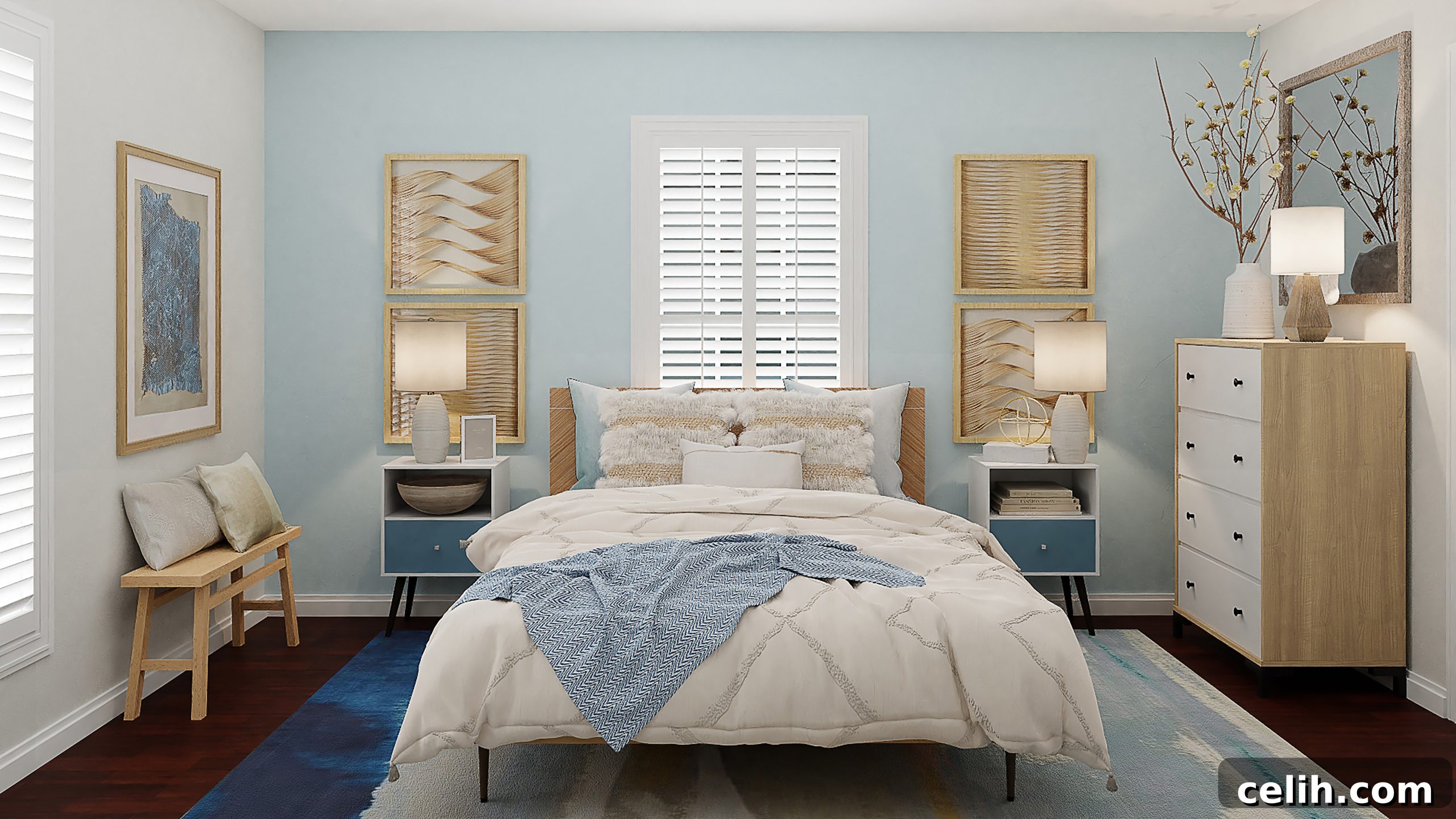
Sleep, often perceived as a passive state, is in fact a highly active and crucial process for our physical, mental, and emotional well-being. Yet, in our fast-paced lives, quality sleep frequently becomes an elusive commodity. A foundational element influencing the depth and restorative power of our slumber is the environment in which we rest: our bedroom. Far more than just a place to lay our heads, the bedroom, when thoughtfully designed, transforms into a sanctuary that profoundly impacts our ability to achieve truly restorative sleep. This comprehensive guide explores the intricate relationship between bedroom design and sleep quality, delving into how strategic choices in lighting, color, furniture arrangement, and even the subtle integration of technology can cultivate an optimal sleep haven.
The Science of Sleep and Its Environmental Triggers
At the heart of our sleep architecture lies the circadian rhythm, our body’s intrinsic 24-hour biological clock. This powerful internal mechanism, primarily regulated by exposure to light, orchestrates our sleep-wake cycles, influencing an array of physiological, cognitive, and behavioral shifts throughout the day. The presence or absence of light acts as a crucial signal to our brain. Bright light, especially blue light, signals daytime, suppressing melatonin production and boosting alertness with hormones like cortisol. Conversely, the dimming of light signals the approach of night, prompting the release of melatonin, the hormone instrumental in initiating and maintaining sleep.
Beyond light, a multitude of external environmental factors significantly impact our ability to drift off and remain asleep. Ambient noise, even at low levels, can disrupt sleep stages, particularly REM sleep, leading to fragmented rest and daytime fatigue. The optimal bedroom temperature is another critical factor; research consistently suggests a range between 15.5-19.4 degrees Celsius (60-67 degrees Fahrenheit) as ideal for uninterrupted sleep. A room that is too hot or too cold can prevent the body from achieving its natural temperature drop necessary for entering deeper sleep stages. These elements underscore the intricate and delicate interplay between our innate biological needs and the external environment, highlighting why a thoughtfully curated bedroom is paramount for restorative sleep.
Crafting Your Sleep Sanctuary: Key Elements of Bedroom Design
Transforming a bedroom into a personal sleep sanctuary involves a holistic approach, considering every detail from the visual to the tactile and auditory. Each element plays a role in signaling to your body and mind that it’s time to unwind and prepare for rest.
Optimal Lighting Strategies
Lighting within the bedroom should meticulously mimic the natural progression from vibrant daylight to gentle darkness to effectively support our circadian rhythm. During daylight hours, maximize natural light to reinforce your wakefulness. As evening approaches, transition to warmer, lower-intensity artificial lighting. Incorporating dimmer switches allows for gradual light reduction, facilitating the natural production of melatonin. Warm-toned bulbs (around 2700K) are preferable to cool, blue-spectrum lights, which can suppress melatonin. Consider blackout curtains or blinds to block out unwanted external light sources, ensuring complete darkness during sleep, especially in urban environments.
The Psychology of Color in Your Sleep Space
The colors surrounding us exert a profound influence on our mood and psychological state. For a bedroom, selecting a calming color scheme is paramount. Soft, cool hues like blues, greens, and gentle grays are renowned for their serene and relaxing properties. These colors can lower heart rate and blood pressure, soothing the mind and preparing it for sleep. Earth tones, such as muted browns, creams, and warm off-whites, also evoke a sense of groundedness and tranquility. In contrast, vibrant, stimulating colors like bright reds, oranges, or neon shades should be avoided in the primary sleep area, as they can elevate energy levels and hinder relaxation.
Furniture Arrangement and Decluttering for Peace of Mind
The layout and choice of bedroom furniture significantly contribute to its overall tranquility. A fundamental principle, often drawn from practices like Feng Shui, suggests positioning your bed against a solid wall, preferably where you can see the door without being directly in line with it. This provides a sense of security and subconscious reassurance. Minimizing clutter is equally crucial; a disorganized space can lead to a disorganized mind, fostering anxiety and making relaxation difficult. Invest in smart storage solutions such as beds with integrated drawers, spacious wardrobes, and decorative baskets to keep the room tidy and visually uncluttered. Focus on essential, functional pieces that serve a purpose and contribute to a serene aesthetic.
The Importance of a Quality Mattress and Bedding
Your mattress is arguably the most critical component of your sleep environment. An old, unsupportive mattress can lead to aches, pains, and disturbed sleep. Invest in a high-quality mattress that provides adequate support and comfort for your body type and sleep position. Similarly, choosing the right bedding can make a significant difference. Opt for breathable, natural fabrics like cotton, linen, or bamboo, which help regulate body temperature and wick away moisture, preventing overheating. The right pillow is also essential for maintaining proper spinal alignment and preventing neck pain.
Sensory Enhancements: Sound, Scent, and Texture
Beyond sight, engaging other senses can further enhance your sleep environment. For sound, consider a white noise machine to mask disruptive external noises like traffic or noisy neighbors. Alternatively, soothing nature sounds can create a peaceful backdrop. For scent, aromatherapy can be a powerful tool. Lavender, chamomile, and bergamot essential oils are known for their calming properties. Use a diffuser an hour or so before bedtime. Lastly, incorporate various textures through soft rugs, plush throws, and comfortable upholstery to create a cozy and inviting atmosphere.
Optimizing Air Quality and Temperature
Maintaining an environment with fresh, cool, and clean air is vital for sleep quality. Proper ventilation, achieved by opening windows during the day or using an air purifier, ensures a healthy flow of air, reducing allergens and pollutants. Ensure your heating and cooling systems are functioning efficiently to maintain the optimal temperature range of 15.5-19.4 degrees Celsius. Smart thermostats can be programmed to adjust temperatures throughout the night, aligning with your body’s natural sleep cycle and ensuring consistent comfort.
Bedroom Design for Children: Cultivating a Secure Sleep Haven
When it comes to children’s bedroom design, the considerations extend beyond mere aesthetics to encompass safety, security, and developmental needs. A child’s bedroom must be a sanctuary that promotes not only sleep but also feelings of comfort and reassurance. Incorporating elements such as gentle, dimmable lighting – perhaps with a nightlight that casts a warm glow – can ease anxieties about darkness. Soothing color schemes, similar to those recommended for adults, like soft blues, greens, or pastels, help create a calm atmosphere.
Familiar, comforting items, such as a favorite blanket, stuffed animal, or a collection of beloved books, can provide a sense of security and aid in the bedtime routine. It’s crucial to consider the child’s age and developmental stage, designing a space that can adapt as they grow. For toddlers, child-proofing is paramount, ensuring furniture is secured and hazards are removed. As children get older, involve them in the design process to foster a sense of ownership and comfort in their space. For parents seeking to delve deeper into creating the perfect sleep environment for their child, understanding the nuances of what makes a bedroom conducive to quality rest is essential for their healthy development.
Navigating Technology in the Bedroom: A Double-Edged Sword
Technology’s presence in the bedroom is a complex issue, presenting both significant challenges and potential benefits for sleep quality. On one hand, devices like smartphones, tablets, and computers emit blue light, which can disrupt melatonin production and trick the brain into thinking it’s still daytime, making it harder to fall asleep. Notifications from these devices can also cause awakenings and fragmented sleep. It’s advisable to create a “digital detox” zone in the bedroom, removing all screens at least an hour before bedtime.
However, when used thoughtfully, certain technologies can indeed enhance sleep quality. Sound machines that produce white noise, pink noise, or soothing ambient sounds can effectively mask disruptive noises. Smart home systems offer unparalleled control over the sleep environment, allowing users to regulate room temperature, dim lights, or even trigger blackout blinds automatically based on pre-set sleep cycles. Advanced sleep trackers, while not a substitute for professional medical advice, can provide valuable insights into sleep patterns, helping individuals identify habits or environmental factors that may be impacting their rest. The key is mindful integration, leveraging technology as an aid rather than a hindrance to deep sleep.
Personalizing Your Sleep Space: The Ultimate Retreat
Ultimately, the most effective bedroom design for optimal sleep is one that deeply resonates with your personal needs and preferences. What works wonders for one individual may not suit another, making it crucial to consider your unique comfort levels, sensory sensitivities, and relaxation cues when meticulously designing your sleep space. Whether it’s the specific firmness of your mattress, the texture of your bedding, the precise shade of blue on your walls, or the minimalist arrangement of your furniture, personalizing your bedroom is key to transforming it into a true sleep sanctuary that caters specifically to you.
The convergence of rigorous sleep science and the thoughtful psychology of bedroom design vividly illustrates how profoundly our sleeping environments impact the quality and restorative power of our rest. By diligently understanding and applying these fundamental principles – from the strategic manipulation of light and color to the mindful and purposeful integration of technology, and the meticulous attention to comfort and order – we possess the power to cultivate spaces that not only actively promote deeper, more consistent sleep but also significantly enhance our overall health, productivity, and emotional well-being.
Embark on a journey of experimentation with different design elements, observing their nuanced effects on your sleep patterns and nightly rejuvenation. This iterative process of refinement will ultimately lead you to a bedroom that authentically serves as a personal retreat, meticulously optimized for profound rest, genuine relaxation, and holistic rejuvenation, laying the foundation for a healthier, more vibrant life.