
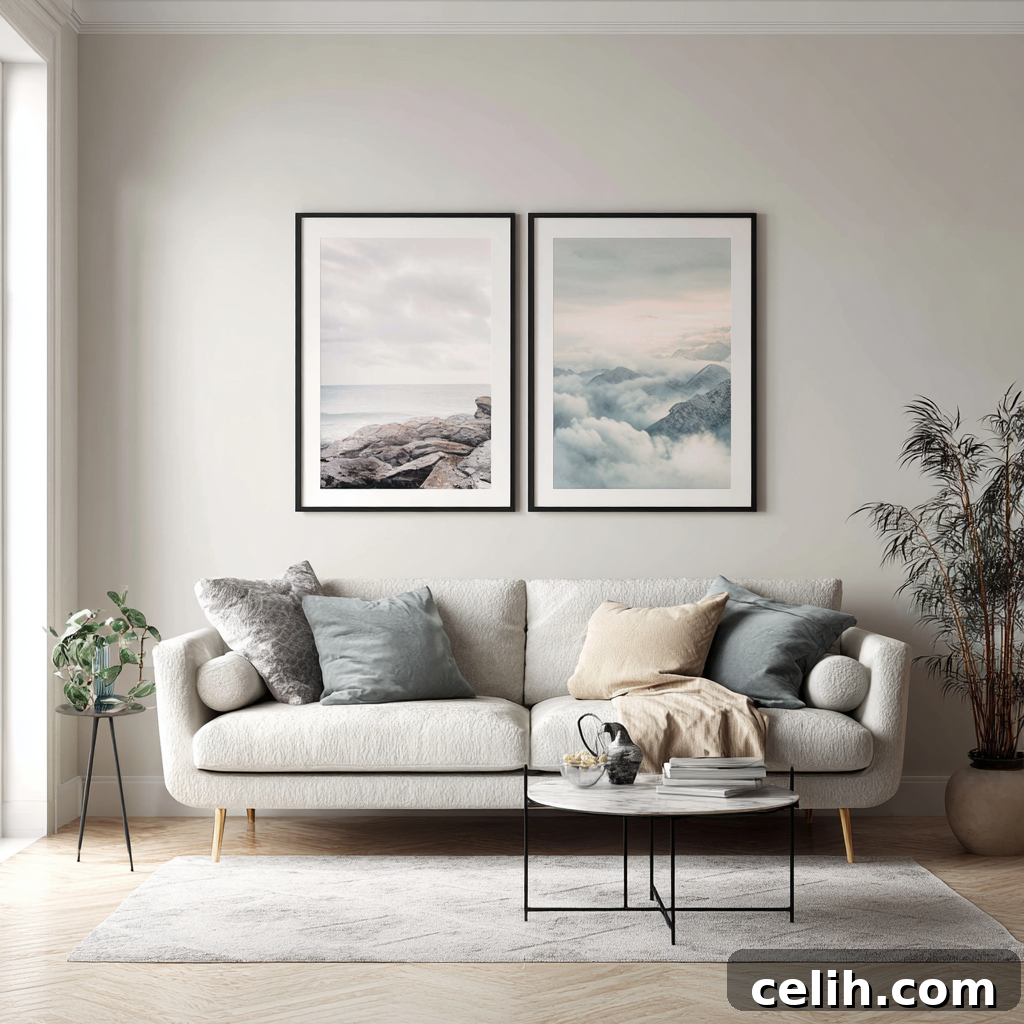
In our increasingly busy and demanding world, the idea of a truly calming home is more than just an aesthetic preference; it’s a fundamental necessity for our well-being. A home should be a sanctuary, a place where you can unwind, recharge, and find peace amidst the chaos of daily life. However, achieving this serene environment doesn’t happen by chance. It requires a conscious, proactive, and intentional approach, blending thoughtful design choices with mindful living practices. It’s about curating an atmosphere that soothes your senses, quietens your mind, and supports your overall mental and emotional health. From the colors on your walls to the daily routines you establish, every element contributes to the holistic sense of calm. This article will guide you through ten transformative steps to cultivate a genuinely peaceful and harmonious living space, turning your home into the tranquil haven you deserve.
1. Set The Internal Tone for Your Home
Before you even begin to consider décor or furniture arrangements, it’s crucial to understand that the atmosphere of your home is profoundly influenced by your own internal state. If you aspire to a calm, soothing environment but constantly find yourself rushing, feeling stressed, or carrying tension, that energy will inevitably permeate your living space. The walls of your home absorb the emotions and energies you bring into them, creating an invisible but palpable ambiance that affects everyone within. This isn’t about striving for perpetual serenity, which is an unrealistic expectation, but rather about cultivating mindfulness regarding the emotional tone you introduce into each room.
When you make a conscious effort to pause, take a deep breath, and respond thoughtfully instead of reacting impulsively, you initiate a powerful ripple effect. This intentional shift in your personal energy gently influences other household members, fostering a more relaxed and understanding environment. Imagine walking into a room after a stressful day; if you first take a moment to ground yourself, release external pressures, and consciously choose a peaceful demeanor, you actively contribute to the calming energy of that space. This internal shift is not something you can purchase or decorate your way into, but it is, without a doubt, one of the most fundamental and powerful foundations for creating a genuinely peaceful home and a serene living space. It’s the silent invitation to tranquility that begins within you.
2. Keep Everything Organized and Clutter-Free
From a practical standpoint, maintaining an organized and clutter-free home is absolutely paramount for fostering a sense of calm. A messy environment, filled with misplaced items and overflowing surfaces, is a direct pathway to increased stress and anxiety. Visual clutter creates mental clutter, making it difficult to relax, focus, or simply enjoy your surroundings. When every item has a designated place, and you can easily put things away, your home instantly feels clearer, more spacious, and infinitely more peaceful.
Effective organization goes beyond just tidiness; it involves creating systems that work for your lifestyle. Invest in smart storage solutions such as shelving units, drawers, bins, and decorative baskets that blend seamlessly with your decor. Regularly declutter your belongings, adopting a “one in, one out” policy to prevent accumulation. For items you don’t use daily but wish to keep, consider utilizing external storage units to free up valuable space within your home. By thoughtfully planning your storage and regularly purging unnecessary items, you create an environment that supports mental clarity and reduces daily frustrations. A home that feels organized and visually uncluttered serves as a tranquil backdrop for your life, allowing you to breathe easier and find a deeper sense of relaxation.
3. Embrace Calming Color Palettes
The colors you choose for your home play a significant role in influencing its mood and energy. While bold, vibrant shades can certainly inject personality and energy into a space, if your primary goal is to create a peaceful and calming sanctuary, gentler tones will prove far more effective. Soft neutrals, muted hues, and understated palettes have an inherent ability to soothe the eye and provide a quiet, harmonious backdrop for daily life. These colors don’t demand attention; instead, they gently support a sense of tranquility and relaxation.
Consider incorporating shades like warm whites, creamy off-whites, earthy beiges, soft greys, gentle sage greens, or dusky blues. These colors evoke a sense of nature and serenity, creating an expansive and inviting feel. When selecting your palette, think about layering these tones across various elements: paint your walls in a subtle neutral, choose furniture in complementary muted shades, and introduce textiles like cushions, throws, and curtains in soft, harmonious colors. This layering approach adds depth and interest without overwhelming the senses. The deliberate choice of a soothing color palette can transform each room into a more restful and inviting space the moment you step inside, actively contributing to your home’s calm atmosphere.
4. Establish Clear Boundaries and Routines
Cultivating a profound sense of calm within your home extends beyond its physical design; it also encompasses how you live and interact within that space. Establishing clear boundaries, both physical and temporal, is vital for creating an environment where everyone can feel respected and relaxed. This means designating specific areas for certain activities and ensuring that all household members understand and adhere to these guidelines. For instance, a home office should be a zone for focused work, distinct from areas meant for pure relaxation, preventing work-related stress from spilling into your downtime.
Equally important are temporal boundaries and routines. Implementing “quiet times” during the day or setting a specific time to begin winding down for the evening can significantly reduce household chaos and promote a more peaceful rhythm. This might involve dimming the lights, turning off screens, or engaging in quiet activities like reading or gentle conversation. When everyone understands and respects these established boundaries, whether they pertain to noise levels, screen usage, or the designated purpose of a room, it fosters a sense of order and predictability. This predictability is a cornerstone of calm, allowing individuals to mentally prepare for transitions and ensuring that your home truly serves as a sanctuary for rest and rejuvenation rather than a source of constant negotiation or interruption.
5. Enhance the Atmosphere Through Sensory Elements
A truly calm home isn’t solely defined by what you see; it’s a holistic experience shaped by a blend of all your senses. Thoughtfully curated sensory elements can profoundly shift the energy of a room, creating an immersive atmosphere of peace and relaxation. Think beyond visual aesthetics and consider how light, sound, and scent can work in harmony to foster an ultimate sense of tranquility in your living space.
Lighting is a powerful tool for setting the mood. Embrace natural light whenever possible by keeping windows unobstructed. For artificial lighting, move away from harsh overhead fixtures. Instead, incorporate layered lighting using dimmer switches, warm-toned lamps, and the soft glow of candles. These create pockets of warmth and intimacy, encouraging your eyes and mind to relax. Sound also plays a crucial role; consider soft, instrumental background music, ambient nature sounds, or even complete silence during specific times. Minimizing jarring noises from electronics or the outside world can make a significant difference. Lastly, subtle scents can evoke powerful feelings of calm. Use essential oil diffusers with relaxing aromas like lavender, chamomile, or sandalwood, or light natural beeswax candles. Avoid overpowering artificial fragrances. By making a few mindful choices across these sensory dimensions, you can transform your home into an environment that feels peaceful, inviting, and utterly serene the moment you step inside, enhancing your overall well-being.
6. Seamlessly Bring Nature Indoors
One of the most effective and simplest ways to infuse your home with an immediate sense of calm is to bring the outside in. Integrating elements of nature, also known as biophilic design, has a profound grounding effect that naturally softens the atmosphere and promotes relaxation without requiring significant effort. The presence of natural elements connects us to the outside world, reminding us of the inherent tranquility found in nature’s rhythms and forms.
Start by incorporating living plants. A leafy fern in a quiet corner, a vibrant peace lily on a shelf, or a collection of small succulents on a windowsill not only purifies the air but also adds organic texture and a soothing visual presence. Beyond living greenery, introduce natural textures and organic materials into your decor. Think woven baskets, jute rugs, linen curtains, wooden furniture, or stone accents. Even a vase of fresh seasonal branches or flowers can create a quiet visual cue that encourages you to slow down and breathe deeply. Nature possesses an innate ability to restore balance and reduce stress; by thoughtfully scattering these elements throughout your home, you create a peaceful living space that feels more harmonious, balanced, and intrinsically calming, fostering a true home sanctuary.
7. Create Small, Anchoring Rituals
Calm isn’t solely about how a home looks; it’s often deeply rooted in the tiny, intentional routines and rituals that help you feel grounded and centered. These small habits serve as gentle anchors throughout your day, signaling transitions and providing moments of peace that counteract potential chaos. Developing these micro-rituals can profoundly impact your daily sense of well-being and contribute significantly to a peaceful living space.
Consider the rituals that genuinely soothe you. Perhaps it’s lighting a particular scented candle before settling down with a book each evening, signaling the end of the workday. It could be brewing a cup of herbal tea in your favorite mug, or switching on a warm, soft lamp instead of the harsh overhead lights, transforming the ambiance of a room. Even a simple five-minute tidy of the kitchen counters before bed can create a sense of completion and readiness for rest. These seemingly insignificant actions accumulate to create a powerful framework for tranquility. When you consciously build these grounding rituals into your daily life, your home naturally begins to embody that same sense of stability and calm, making it a true home sanctuary.
8. Prioritise Deep Comfort and Sensory Well-being
At its core, a truly calm home is, above all else, a comfortable one. This doesn’t mean your space needs to be overflowing with excessive cushions or plush items, but rather it implies a deep tuning into what genuinely makes you feel at ease, both physically and emotionally. Comfort is a multi-faceted concept that encompasses tactile sensations, ergonomic support, and a general feeling of ease that allows for complete relaxation. It’s about designing your home to support your senses rather than overwhelm them.
Begin by evaluating the items you interact with most frequently. Is your sofa truly inviting, or does it feel stiff? Could a soft, luxurious throw draped over the arm of your favorite chair transform it into an irresistible invitation to sit and unwind? Consider swapping out scratchy or synthetic fabrics for natural, softer alternatives like cotton, linen, wool, or cashmere. Pay attention to ergonomic comfort; ensure your seating provides good support, and your bed offers restful sleep. Even the temperature and air quality contribute to comfort – ensure your home is well-ventilated and kept at a pleasant temperature. When your home actively supports your physical and sensory comfort, it becomes much easier to shed the day’s stresses, unwind deeply, and cultivate a consistent feeling of peace within your living space. This thoughtful approach to comfort is a cornerstone of creating a stress-free environment.
9. Reduce Visual Noise and Clutter
While an organized home (as discussed in point 2) is essential, it’s possible for a space to be tidy yet still feel overwhelming due to “visual noise.” This refers to an excess of patterns, clashing colors, too many small decorative items, or overly busy surfaces that create a subtle, underlying sense of tension and distraction. Your eyes constantly scan and process these visual stimuli, which can unconsciously contribute to mental fatigue and prevent true relaxation. Reducing visual noise is a key step in designing a mindful and serene home environment.
The strategy here is to streamline what’s on display and embrace simplicity. Start by clearing your countertops, coffee tables, and shelves, only keeping out a few carefully curated items that bring you joy or serve a purpose. Opt for cohesive color schemes and minimize the use of competing patterns. If you love patterns, use them sparingly as accents rather than dominant features. Choose decor with clean lines and an understated feel. Employ hidden storage solutions, such as cabinets and drawers, to tuck away items that don’t need to be visible. When the eye has ample room to rest and isn’t constantly bombarded with visual information, the mind tends to follow, leading to an almost immediate feeling of clarity and calm. This minimalist approach contributes significantly to a stress-free environment, allowing your mind to truly unwind.
10. Intentionally Make Space For Stillness
Finally, and perhaps most importantly, to create a truly calm home, you must intentionally carve out space for stillness within it. In our fast-paced lives, having a dedicated pocket of tranquility – a physical space where you can simply pause, reflect, and recharge – is invaluable. This doesn’t need to be a grand reading nook or an elaborately curated meditation room; it’s more about granting yourself permission to have a quiet retreat, however small, within your daily environment.
Identify a corner of a room, a comfortable armchair by a window, or even a specific spot on your bed where you can create this sanctuary. Outfit it with simple elements that invite peace: a soft blanket, a warm-toned lamp for gentle illumination, and perhaps a small table for a cup of tea or a journal. The key is to make this space feel intentionally separate from the active, busy parts of your home. Use this space regularly, even if only for five or ten minutes each day, to disconnect from distractions, practice deep breathing, or simply sit in quiet contemplation. When you consciously build the habit of slowing down and finding stillness within your home, the positive effects radiate outwards, making the entire living space feel more peaceful, harmonious, and supportive of your overall well-being. It transforms your home into a profound sanctuary for mindful living.