
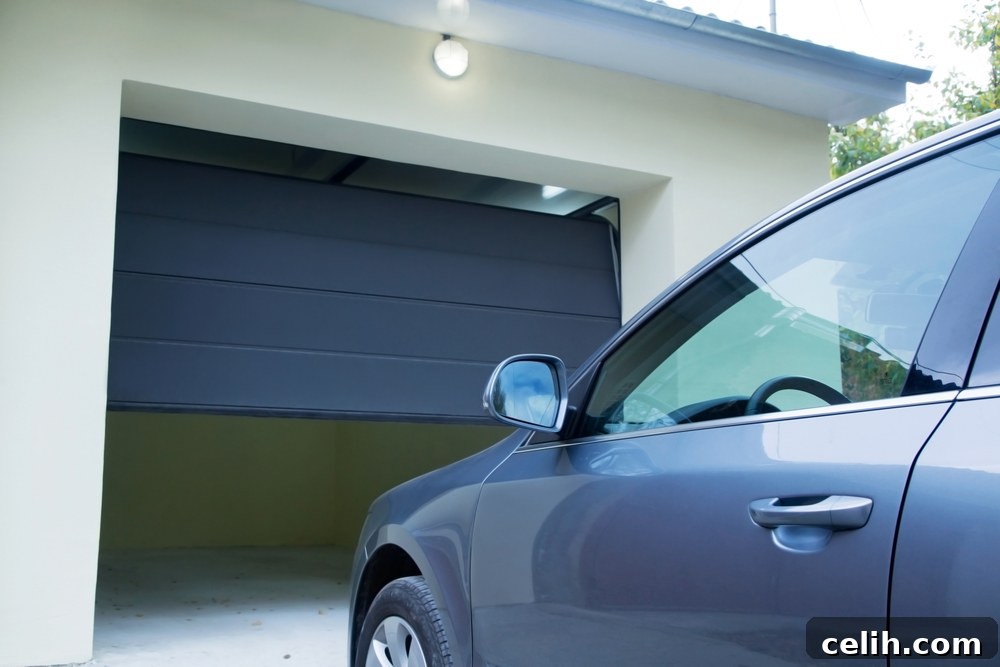
Modern electric and automatic garage door openers offer unparalleled convenience and enhanced security, safeguarding your vehicles, valuable gardening equipment, and other stored items within your garage. However, like any complex mechanical system, these essential devices are subject to wear and tear over time. Recognizing the early signs of a malfunctioning or broken garage door opener isn’t just about avoiding minor inconveniences; it’s about preventing potential safety hazards, extensive damage, and costly emergency repairs. Ignoring these warnings can lead to a complete system breakdown, leaving your home vulnerable or even causing injury. This comprehensive guide will walk you through seven critical indicators that your garage door opener requires immediate professional attention, helping you maintain a safe, secure, and smoothly operating garage.
1. Unusual Noises During Operation
One of the most common and often earliest indicators that your garage door system needs attention is the emergence of unusual or excessive noises during its operation. While some sound is normal, new or intensified grinding, scraping, rattling, or squealing sounds are clear red flags. These auditory warnings can point to a range of underlying problems, from minor issues to severe mechanical failures within the opener’s drive mechanism or the door itself.
What the Noises Mean:
- Grinding Sounds: Often suggest worn-out gears, particularly in chain or screw-drive openers. It could also indicate friction from misaligned components or a motor struggling under stress.
- Scraping or Rubbing Noises: Typically point to issues with the door’s movement along its tracks. This might be due to misaligned tracks, worn or damaged rollers, or debris obstructing the path.
- Rattling Sounds: Can signify loose hardware, such as nuts, bolts, hinges, or even sections of the garage door itself. Over time, vibrations can loosen these essential components, leading to instability.
- Squealing or Squeaking: Frequently indicates a lack of lubrication on moving parts like rollers, hinges, or springs. Increased friction not only creates noise but also puts added strain on the opener.
Ignoring these unusual noises can have serious repercussions. What starts as a minor issue, such as a lack of lubrication, can quickly escalate. Increased friction and strain can lead to premature wear of gears, the motor, and other critical components, potentially resulting in a complete breakdown of your garage door opener system. Beyond the functional failure, severe mechanical issues can pose significant safety risks, as components could snap or detach. If you detect any new or concerning sounds, it’s crucial to investigate or, better yet, consult a professional garage door technician to diagnose and resolve the issue before it deteriorates further.
2. Slow Operation
If your garage door, once swift and efficient, now opens and closes at a noticeably slower pace, it’s more than just a minor inconvenience; it’s a significant indicator of an underlying problem. A sluggish garage door suggests that its operating system is struggling, which can lead to increased energy consumption, accelerated wear on components, and potential safety hazards. Identifying the root cause is essential for maintaining the longevity and reliability of your entire garage door system.
Several factors can contribute to a garage door’s diminished speed:
- Motor Issues: The opener’s motor is the heart of the system. Over time, motors can lose efficiency due to aging, internal component failure (like capacitors), or overheating. A struggling motor will exert more effort to lift or lower the door, resulting in slower operation.
- Drive Mechanism Problems: Depending on whether your opener uses a chain, belt, or screw drive, issues within these mechanisms can impede speed. A worn-out chain, a frayed belt, or a damaged screw-drive rail can create excessive friction or resistance, slowing down the door’s movement.
- Lack of Proper Lubrication: This is a surprisingly common culprit. Hinges, rollers, tracks, and springs require regular lubrication to operate smoothly. Without it, friction increases dramatically, forcing the opener to work harder and slower.
- Misaligned or Worn-Out Rollers: Rollers guide the door along its tracks. If they are worn down, cracked, or misaligned, they won’t glide smoothly, causing the door to drag and slow down.
- Tension Spring Issues: The torsion or extension springs are responsible for counterbalancing the immense weight of the garage door, making it feel lighter for the opener. If these springs lose their tension or become damaged, the opener has to bear the full weight, leading to significant strain and drastically reduced speed.
- Environmental Factors: Extreme cold weather can cause lubricants to thicken, making the door’s movement stiffer and slower until the system warms up.
Allowing a sluggish garage door to persist can have serious consequences. The extra strain on the motor and various components can lead to premature wear, overheating, and eventually, a complete breakdown of the entire system. Moreover, a slow door can become unpredictable, potentially reversing unexpectedly or failing to close completely, which compromises your home’s security. If you notice a significant decrease in your garage door’s operating speed, it’s imperative to investigate the cause. While some issues like lubrication or minor track adjustments might be DIY-friendly, spring-related problems or persistent motor issues always warrant professional attention due to their complexity and potential safety risks.
3. Inconsistent Movement
A properly functioning garage door should operate with smooth, predictable motion. Any deviation from this, such as erratic movements, sudden stops, unexpected reversals, or noticeable hesitations, is a strong signal that something is seriously amiss with your garage door opener system. These inconsistent movements are not merely frustrating; they represent significant safety concerns and can indicate complex mechanical or electrical faults that demand prompt investigation.
Types of Inconsistent Movement and Their Causes:
- Sudden Stops Mid-Operation: This can occur if the safety sensors detect an obstruction, even if none is present, or if there’s an intermittent power supply issue to the opener. It might also signal a struggling motor or a binding point in the door’s travel.
- Unexplained Reversals: If your door starts to close and then suddenly reverses, it often points to a problem with the safety sensors or the force settings. The opener might “think” there’s an obstruction, or the closing force could be set too low, causing it to reverse on even slight resistance.
- Hesitations or Jerky Movements: These can stem from a variety of sources, including a worn-out drive mechanism, insufficient lubrication on moving parts, misaligned tracks, or electrical gremlins causing inconsistent power delivery to the motor.
The underlying causes for these erratic behaviors can be diverse:
- Sensor Issues: Malfunctioning safety sensors are a common culprit. If they are misaligned, dirty, or damaged, they can incorrectly detect obstructions, causing the door to stop or reverse.
- Misalignment in Tracks or Rollers: Even a slight misalignment in the tracks can cause the rollers to bind, creating resistance that the opener struggles against, leading to jerky or inconsistent motion. Worn or damaged rollers exacerbate this issue.
- Electrical Gremlins: The complex electrical system of your opener can experience various problems. This includes faulty wiring, loose or corroded connections, a malfunctioning circuit board, or issues with the motor’s capacitor. These electrical faults can lead to intermittent power, causing the opener to act unpredictably.
- Force Settings: If the opener’s “force sensitivity” settings are incorrect, the door might stop or reverse too easily (too sensitive) or struggle unnecessarily (not sensitive enough).
The seamless and predictable movement of your garage door is paramount not only for optimal performance but also for the longevity of its garage door opener system and, most importantly, for safety. An erratic door can pose a significant danger, potentially trapping objects, pets, or even people underneath. Understanding the nuances of inconsistent movement can help you address the issue before it escalates into a more severe and dangerous problem. While checking sensors for obstructions and cleaning them can be a first step, any persistent or electrical-related inconsistency should prompt a call to a professional technician.
4. Remote Control and Keypad Issues
The convenience of opening your garage door with a remote or keypad is one of the primary benefits of an automatic system. When this functionality becomes unreliable, it can be incredibly frustrating and even compromise your home’s security. Difficulty in controlling your garage door from your car remote, an external keypad, or even the wall-mounted console can be a clear sign of underlying issues with the opener’s electronic components.
Common Causes of Remote and Keypad Problems:
- Dead or Weak Batteries: This is by far the most frequent and easily overlooked cause. A simple battery replacement in your remote control or keypad often resolves unresponsiveness.
- Range Issues and Interference: If your remote only works when you are very close to the garage, it could indicate a weak signal. This might be due to a failing battery, a damaged antenna on the opener unit, or interference from other electronic devices, Wi-Fi routers, or even certain types of LED lighting.
- Programming Loss: Sometimes, the remote or keypad loses its synchronization with the opener. This can happen due to power outages, surges, or simply aging electronics. Reprogramming the remote to the opener is a common fix.
- Faulty Receiver or Antenna: The receiver unit inside your garage door opener is responsible for picking up signals from your remote. If this component or its external antenna is damaged or malfunctioning, it won’t be able to communicate effectively.
- Keypad Specific Issues: For exterior keypads, issues can also include worn-out buttons, moisture ingress damaging internal circuits, or problems with its independent power source.
Troubleshooting Steps:
- Check and Replace Batteries: Always start here. Ensure you’re using the correct type and size of battery.
- Reprogram the Remote/Keypad: Consult your opener’s manual for specific instructions on how to clear existing codes and reprogram your devices. This often involves pressing a “learn” button on the opener unit.
- Inspect the Antenna: Make sure the opener’s antenna wire is hanging freely, is not tangled, and is free from damage.
- Check for Interference: Temporarily turn off nearby electronic devices to see if the remote functionality improves.
If these basic troubleshooting steps don’t resolve the issue, it’s a strong indicator that the problem lies deeper within the opener’s electronic components, such as the receiver, circuit board, or even the motor unit itself. In such cases, consulting a professional garage door repair technician is recommended. They have the expertise and diagnostic tools to pinpoint the exact cause of the communication breakdown and provide a comprehensive solution, ensuring your garage access remains secure and convenient.
5. Vibration During Operation
While some subtle vibration might be felt when a garage door operates, excessive or newly developed shaking, trembling, or violent shuddering is a clear and concerning tell-tale sign of an underlying issue within the system. This pronounced vibration not only affects the smoothness of your door’s movement but also places undue stress on the entire garage door opener and its components, potentially accelerating wear and leading to more significant problems down the line.
Causes of Excessive Vibration:
- Misaligned Tracks: If the vertical or horizontal tracks are not perfectly parallel or have become bent, the rollers will not glide smoothly. Instead, they will bump, grind, or bind, causing the entire door to vibrate violently as it moves.
- Worn or Damaged Rollers: Rollers with flat spots, cracked wheels, or seized bearings cannot rotate freely. As the door moves, these faulty rollers will cause a jerky, vibrating motion along the tracks.
- Loose Hardware: Over time, the constant motion and vibration of the garage door can loosen nuts, bolts, hinges, and other fasteners that secure the door panels, tracks, or even the opener unit itself. Loose components create play and instability, leading to increased vibration.
- Unbalanced Door: The torsion or extension springs are crucial for balancing the door’s weight. If these springs are damaged, worn out, or improperly tensioned, the door becomes “unbalanced” – meaning the opener has to exert excessive force to lift or lower it. This struggle can manifest as significant vibration throughout the system. An unbalanced door is a major cause of strain on the opener motor.
- Opener Mounting Issues: Sometimes, the opener unit itself might not be securely mounted to the garage ceiling, or its components (like the trolley or rail) might be loose. This can transmit vibrations directly to the entire structure.
Excessive vibrations are not merely an annoyance. They are a symptom that something is working harder than it should or that components are loose and at risk of failure. The continuous jarring can loosen more fasteners, strip gears, prematurely wear out bearings, and even lead to structural damage to the garage door itself. Furthermore, an unbalanced door puts immense strain on the opener, significantly shortening its lifespan. Due to the dangers associated with highly tensioned springs and the precision required for track alignment, addressing the cause of significant vibration often requires the expertise of a professional technician who can safely inspect, balance, and repair the system.
6. Inconsistent Sensor Functionality
The safety sensors are arguably the most crucial safety feature of your automatic garage door opener. Typically located at the bottom of the garage door tracks, these photoelectric “eyes” emit an infrared beam across the door’s opening. If this beam is interrupted while the door is closing, the opener instantly reverses, preventing the door from closing on an object, pet, or person. Any inconsistency or failure in their functionality poses a severe safety risk that demands immediate attention.
Signs of Inconsistent Sensor Functionality:
- Door Reverses for No Apparent Reason: If the garage door repeatedly reverses when trying to close, even when there’s no visible obstruction, it’s often a sign that the sensors are misaligned or malfunctioning.
- Door Fails to Close Completely: The door might start to close but then stop and go back up, indicating that the sensors are interpreting a continuous obstruction.
- Flashing Sensor Lights: Many sensor units have indicator lights that will flash or change color to signal an issue, such as misalignment or an obstruction.
- Door Only Closes by Holding Down the Wall Button: This is a definitive sign of a sensor problem. By law, if the safety sensors are not functioning correctly, the garage door will only close if you continuously hold down the wall-mounted control button, overriding the automatic safety feature. This is a critical warning.
Common Causes of Sensor Problems:
- Misalignment: Even a slight bump can knock one of the sensor units out of alignment, causing the infrared beam to miss its target.
- Obstructions: Cobwebs, dust, leaves, small debris, or even sunlight directly hitting one of the lenses can block the beam, causing false readings.
- Damaged Wiring: The low-voltage wires connecting the sensors to the opener can become nicked, chewed by pests, or corroded, leading to an intermittent or complete loss of signal.
- Damaged Lenses: Scratched or dirty sensor lenses can impair their ability to transmit or receive the infrared beam effectively.
Due to the critical role safety sensors play in preventing accidents and damage, any indication of inconsistent functionality should never be ignored. Failing to address these issues can lead to serious injuries or property damage. Troubleshooting steps include checking for physical obstructions, cleaning the sensor lenses, and carefully realigning them. However, if these basic fixes don’t resolve the problem, or if you suspect damaged wiring or internal sensor failure, it is absolutely essential to contact a professional garage door technician for immediate diagnosis and repair. Never attempt to disable or bypass your garage door safety sensors.
7. Flickering Lights on the Opener Unit
Many garage door opener units come equipped with an integrated light that illuminates the garage when the door is in operation, providing convenience and safety. If this light, or any other indicator light on the opener unit itself, begins to flicker erratically, behave inconsistently, or stays on/off unexpectedly, it’s often a strong indicator of an underlying electrical issue within the opener or its power supply. While sometimes it might just be a loose bulb, it’s crucial not to dismiss flickering lights as merely an annoyance, as they can signal more serious problems.
What Flickering Lights Can Indicate:
- Loose Wiring or Connections: Within the opener unit itself, at the wall outlet, or in the junction box supplying power, loose wires can cause intermittent power flow, leading to flickering lights.
- Faulty Power Supply: The opener might not be receiving a consistent or sufficient power supply from your home’s electrical system. This could be due to issues with the circuit breaker, a faulty outlet, or even power fluctuations in your home.
- Overheating Motor: If the garage door opener’s motor is struggling (due to an unbalanced door, lack of lubrication, or internal issues), it might draw excessive current, causing voltage drops that manifest as flickering lights.
- Bad Capacitor: The motor’s starting capacitor helps provide the initial surge of power needed to lift the heavy door. If it’s failing, the motor might struggle, leading to power irregularities and flickering lights.
- Internal Circuit Board Issues: The control board within the opener manages all its functions, including power distribution. A malfunctioning circuit board can cause erratic behavior, including inconsistent lighting.
- Faulty Light Socket: In simpler cases, the problem might just be a loose or corroded light bulb socket within the opener unit.
Addressing these electrical issues promptly is vital. Ignoring flickering lights can lead to more extensive damage to the opener’s components, reduce its lifespan, and in worst-case scenarios, pose a fire hazard if overheating or short circuits are involved. Start by checking the light bulb itself and its connection to the socket. Ensure the opener is securely plugged into a functioning outlet. However, if the flickering persists or is accompanied by other operational problems, it’s highly recommended to consult a professional garage door technician or a qualified electrician. They can safely diagnose the electrical fault, whether it’s a minor wiring issue or a more complex internal component failure, preventing further damage and ensuring the safe operation of your garage door system.
Maintaining Your Garage Door: Don’t Ignore the Warning Signs
Ignoring the clear signs of a malfunctioning or broken garage door opener can lead to more extensive, dangerous, and ultimately, costly problems down the line. A proactive approach to garage door maintenance not only ensures the smooth and efficient operation of your door but also guarantees the optimal safety and security of your home and family. Recognizing unusual noises, slow operation, inconsistent movement, remote control issues, excessive vibration, sensor malfunctions, or flickering lights on the unit are not just minor annoyances; they are critical indicators that your system requires attention.
Regular maintenance, as outlined in your owner’s manual and suggested by experts, can significantly extend the life of your garage door opener. This includes periodically lubricating moving parts, checking for loose hardware, and ensuring tracks and sensors are clean and aligned. For comprehensive guidance on routine care, resources like The Home Depot’s garage door maintenance tips can be incredibly helpful.
However, when you notice any of these more serious signs, it’s often beyond the scope of simple DIY fixes. Issues involving springs, electrical components, or significant mechanical wear require specialized knowledge and tools to resolve safely and effectively. Attempting complex repairs without proper training can be dangerous and may even void your warranty or cause further damage.
Therefore, if you observe any of the seven warning signs discussed, it’s always better to consult a professional garage door repair service. Experienced technicians can accurately diagnose any underlying problem, perform necessary repairs, and help keep your garage door opener in top condition, providing you with peace of mind and reliable access to your home. Don’t wait for a complete breakdown; schedule an inspection today to ensure the safety and longevity of your valuable garage door system.