
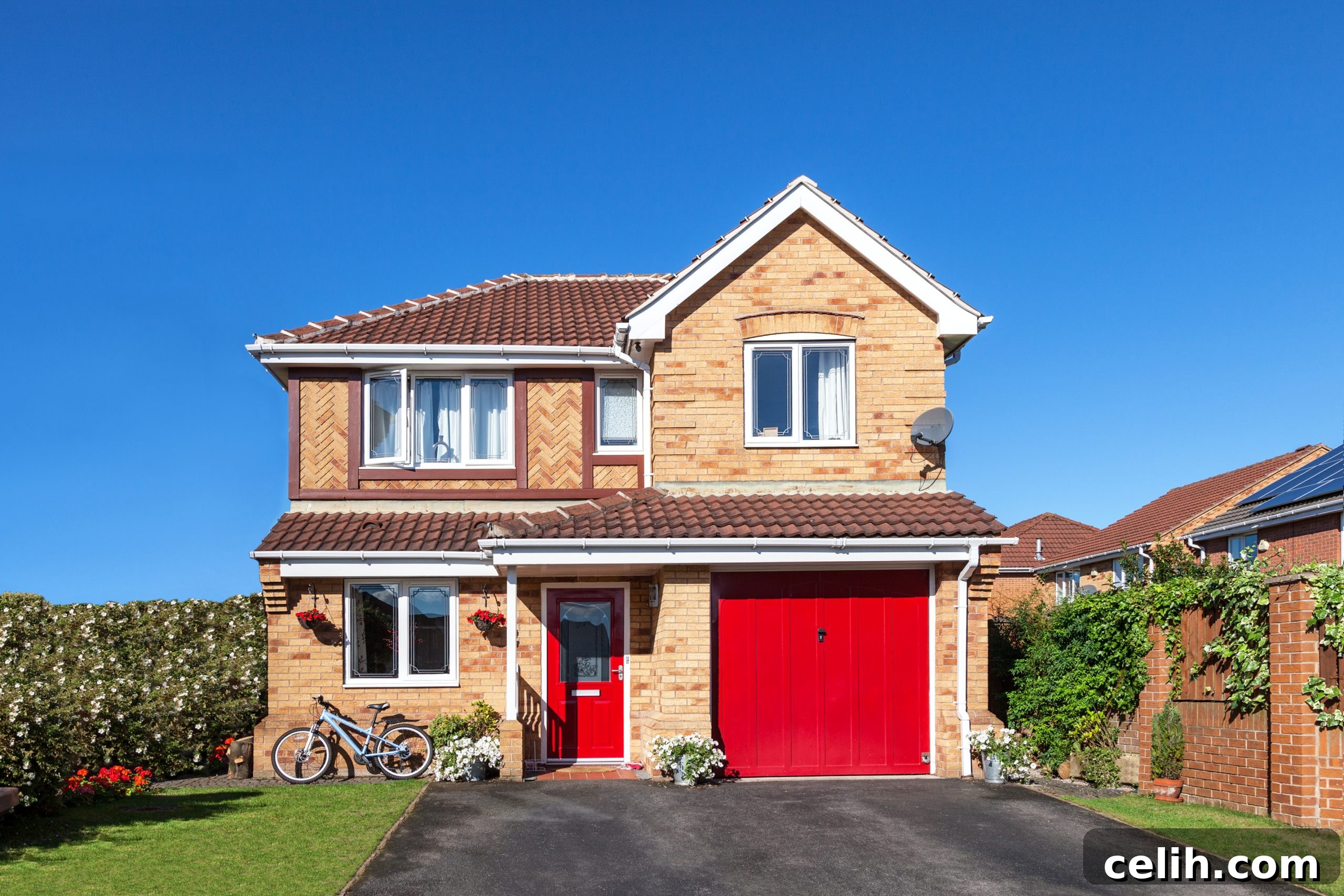
Windows are often considered the “eyes” of a home, a vital element that children intuitively include in their drawings. Far more than simple openings, they are fundamental to a property’s character, dictating its aesthetic appeal and significantly influencing first impressions. Their design and style are paramount in shaping a home’s curb appeal, inviting admiration from passersby and potential buyers alike.
While their primary function is undoubtedly to usher natural light into living spaces, the modern window offers a wealth of additional benefits when approached with a keen eye for design, efficiency, and architectural harmony. Upgrading your windows transcends mere functionality; it’s an investment in your home’s beauty, comfort, and long-term value. Whether you’re aiming for enhanced visual interest, improved energy performance, or a complete style overhaul, the right window choices can dramatically transform your property’s exterior.
If you’re contemplating a window upgrade, you’ve arrived at the perfect guide. These seven transformative ideas are curated to inspire and inform, offering practical, design-forward solutions that promise to elevate your home’s look and feel from the street and beyond. Each suggestion is designed to make a significant impact, ensuring your investment yields both aesthetic pleasure and tangible value.
1. Add Grilles for Architectural Detail
Window grilles, often referred to as muntins or grids, are a sophisticated and highly effective way to redefine the character of your windows. By dividing a single pane of glass into multiple smaller sections, grilles introduce a layer of architectural interest and depth that can instantly elevate your home’s facade. The beauty of grilles lies in their versatility; they come in an array of patterns and styles, allowing you to perfectly match or deliberately contrast your home’s architectural period or desired aesthetic.
For those who cherish traditional charm, colonial-style grilles offer a classic look, creating a grid of equally sized squares or rectangles. Prairie-style grilles, on the other hand, provide a more distinctive pattern, typically featuring clear central glass with grids only around the perimeter, reminiscent of early 20th-century design. Farmhouse-style grilles often blend elements of traditional and contemporary, leaning towards simpler, more robust patterns. If your home boasts a modern or contemporary design, you might opt for a minimalist grid pattern or even an asymmetrical layout to create a unique visual statement.
Beyond style, consider the method of grille application. Grilles can be permanently fixed to the exterior glass, placed between the two panes of a double-glazed window for easy cleaning, or even removable for seasonal changes. This seemingly small detail, often overlooked, can profoundly impact your home’s curb appeal, especially for windows prominently visible from the street. It adds intricate visual texture, a sense of history, and a touch of bespoke design that transforms ordinary windows into captivating architectural features.
2. Reframe With Bold Trim
The impact of window trim on your home’s exterior aesthetic is often underestimated, yet its color and width possess the power to radically transform your windows and, by extension, your entire facade. Think of window trim as the frame around a piece of art; it can either make the artwork pop or allow it to recede into the background. Choosing a bold trim is a deliberate design choice that draws attention to your windows, making them prominent features rather than mere openings.
For instance, pairing wide, crisp white trim with a dark-colored facade creates a striking contrast that feels both classic and contemporary. The white trim highlights the windows, making them stand out against the deeper wall color and adding a layer of architectural sophistication. Conversely, dark trim against a lighter exterior provides a sophisticated, modern vibe, emphasizing clean lines and a sleek profile. This approach can give lighter homes an unexpected depth and a sense of grounding.
Beyond color and width, consider adding decorative elements like pediments or elaborate headers for a truly classic and elegant touch. Pediments, which are triangular or arched structures placed above the window frame, evoke historical grandeur and can instantly elevate a home to a more formal, traditional style. Similarly, decorative headers, ranging from simple crown moldings to more intricate designs, add rich detailing that speaks volumes about craftsmanship and attention to detail. When selecting trim materials, options like wood, composite, or PVC offer varying levels of maintenance and durability, all while providing ample opportunity for custom paint finishes. The right trim doesn’t just frame a window; it defines its presence and contributes significantly to the overall architectural narrative of your home.
3. Upgrade to Energy-Efficient Glass
Investing in energy-efficient glass is a smart upgrade that offers a myriad of benefits, extending far beyond aesthetics. This is one idea that not only promises substantial savings on your energy bills but also significantly boosts your home’s market value, making it a highly attractive feature for potential buyers. Modern double or triple-glazed windows are the cornerstone of sustainable living, a popular choice for homeowners prioritizing environmental responsibility and long-term cost-effectiveness.
The secret to their performance lies in their advanced construction. These windows feature multiple panes of glass separated by a sealed air or gas-filled space, often filled with inert gases like argon or krypton, which are much denser than air and act as superior insulators. Crucially, look for windows with a low-emissivity (Low-E) coating. This microscopically thin, transparent metallic layer applied to the glass reflects radiant heat. In warmer months, it helps reflect external heat away from your home, keeping interiors cooler and reducing the strain on your air conditioning system. During colder seasons, it reflects internal heat back into your rooms, preventing warmth from escaping and minimizing heating costs.
The performance of energy-efficient windows is quantified by ratings like the U-factor (which measures heat transfer) and the Solar Heat Gain Coefficient (SHGC, which measures how much solar radiation enters through the window). Lower U-factor and SHGC values generally indicate better energy performance. For homes situated in areas with extreme temperature fluctuations, upgrading to high-performance glass is not just an option but a necessity. It dramatically improves indoor comfort, especially in rooms with expansive windows, mitigating hot spots in summer and cold drafts in winter. Beyond comfort and savings, these windows also reduce noise infiltration and protect your interiors from harmful UV rays, preventing furniture and flooring from fading. Many jurisdictions also offer rebates or tax credits for installing energy-efficient windows, further enhancing the financial appeal of this essential upgrade.
4. Swap Standard Windows for Picture Windows
Picture windows represent a design philosophy centered on clarity, expansive views, and an abundance of natural light. Unlike standard windows that often feature grids, sashes, or multiple operational components, picture windows consist of large, single panes of glass held securely in place without any interruptions. This design creates an uninterrupted, panoramic vista, effectively turning your exterior landscape into a living work of art.
They are particularly wonderful for homes with stunning natural surroundings, allowing you to emphasize beautiful landscaping, a serene garden, or a breathtaking natural view. By framing these scenes, picture windows blur the lines between indoor and outdoor living, making interiors feel more open, connected, and spacious. Their ability to let in maximum natural light also makes them ideal for illuminating formal areas like living rooms, dining rooms, or home offices, where a bright, airy ambiance is desired.
When old, standard windows with their often fragmented views are replaced by the seamless expanse of a picture window, the transformation is immediate and dramatic. From the exterior, they lend a modern, sophisticated elegance, making the facade appear more expansive and well-balanced. The minimalist nature of picture windows complements contemporary architectural styles, creating a sleek and uncluttered look. However, considerations such as privacy, solar heat gain (especially in south-facing orientations), and cleaning should be addressed during planning. Pairing them with other operable windows, such as casements or awnings, can provide necessary ventilation while preserving the grand view.
5. Coordinate With Your Front Door
When your primary goal is to enhance your home’s curb appeal, a crucial, yet often overlooked, strategy is to consider the visual relationship between your front door and your windows. These two elements are the focal points of your home’s facade, and their harmonious blending is essential for a cohesive and inviting exterior. Imagine a traditional solid wood front door paired with ultra-modern, brightly colored windows; such a disparity creates a disjointed look that detracts from the overall architectural narrative.
One of the most effective ways to achieve superior curb appeal is by creating undeniable visual unity between your windows and doors. But how exactly does one achieve this synergy? The key lies in establishing a consistent aesthetic through matching colors, complementary trims, or similar materials. For example, if you have a Craftsman-style home, coordinating your windows with the sturdy, natural wood tones and simple lines of a Craftsman door can create a powerful and authentic statement. A sleek, minimalist front door can be perfectly complemented by windows with thin, dark frames, signaling a contemporary aesthetic.
Matching the color of your window frames to your front door, or selecting a trim color that bridges the two, can create a seamless transition. Similarly, using consistent materials, such as dark bronze finishes for both door hardware and window frames, adds a touch of understated elegance. Many homeowners, especially in regions like Indiana and the Midwest, rely on reputable brands such as Andersen doors and windows. These manufacturers often offer extensive selections of styles, colors, and materials that are designed to coordinate effortlessly across entryways and window frames, simplifying the process of achieving a unified look.
If you find yourself unsure about the best approach or want to ensure a truly polished outcome, seeking professional design help is highly recommended. An experienced designer can offer invaluable insights, helping you navigate material choices, color palettes, and architectural styles to create a quality and pleasing design solution that enhances your home’s character and boosts its curb appeal significantly.
6. Add Window Boxes or Shutters
Exterior accessories like window boxes and shutters are powerful tools for adding personality, charm, and an inviting quality to your home’s facade. These elements act as decorative accents, drawing the eye to your windows and contributing significantly to the overall aesthetic appeal.
Shutters, when properly chosen and installed, can provide a timeless elegance. They work best in pairs, flanking each side of a window, and are most effective when they appear functional, even if purely ornamental. The critical factor for shutters is proportion: they should be sized to appear as though they could actually cover the window opening when closed. Avoid shutters that are too narrow or disproportionately small, as these can look tacked-on and diminish their intended effect. Style-wise, louvered shutters offer a classic, breathable look, while panel shutters provide a more solid, traditional feel. Bermuda or Bahama shutters, hinged at the top, offer a distinct coastal or tropical vibe. Materials range from traditional wood, which offers authenticity and customization, to low-maintenance vinyl and composite options that resist weathering and pests. The color of your shutters can either match your trim for a subtle look or act as a bold accent color to add visual pop.
Window boxes, especially when adorned with vibrant, seasonal flowers or lush greenery, instantly infuse softness, color, and charm into a home’s exterior. They create an inviting focal point beneath windows, breaking up plain wall spaces and adding a touch of natural beauty. Window boxes come in various materials, including wood, wrought iron, copper, composite, and even self-watering plastic, each offering a different aesthetic and level of maintenance. For a cohesive palette, a simple yet effective tip is to limit your exterior colors to three: one for your siding, one for the trim, and a third accent color specifically for your window boxes or shutters. This approach ensures a sophisticated and harmonious look without overwhelming the eye. Whether you choose the architectural elegance of shutters or the natural appeal of window boxes, these accessories are a fantastic way to personalize your home and enhance its curb appeal.
7. Replace with Larger Windows Where Possible
Small or inadequately sized windows are often key targets during a home renovation, as they can inadvertently make a room feel cramped and an exterior look disproportionate. A wise and impactful upgrade strategy involves enlarging these windows to allow significantly more natural light to flood your interiors and to achieve a more balanced and grander exterior aesthetic. The benefits of larger windows are multifaceted: they not only enhance natural illumination but also create a sense of spaciousness within a room, offer more expansive views of your surroundings, and contribute positively to your well-being through increased exposure to daylight.
The orientation of these changes can also dictate the aesthetic outcome. Vertical enlargements, where windows extend upwards, tend to impart an elegant and traditional feel, often seen in grander, classical architectural styles. Conversely, expanding windows horizontally can introduce a distinctly modern and contemporary touch to the facade, emphasizing clean lines and openness. Think of the transformative effect of installing a large bay window, a dramatic bow window, or expansive picture windows where smaller ones once stood; each option radically alters both the internal perception and the external appearance of your home.
However, undertaking such a significant renovation requires careful planning and professional consultation. Before any structural modifications, it is imperative to check structural loads and consult with a qualified engineer or architect to ensure the integrity of your home’s framework. Obtaining necessary permits is also a crucial step to avoid future complications. While the process may involve more extensive work than a simple window replacement, the payoff is substantial. If larger windows are structurally feasible, this upgrade can dramatically transform your home’s entire curb appeal, making it feel more expansive, welcoming, and architecturally distinguished, while simultaneously boosting its market value and the quality of your indoor living environment.
Conclusion
Transforming your home’s exterior doesn’t always necessitate massive, costly overhauls. Often, the most impactful changes can be achieved through strategic window upgrades, which offer a unique blend of aesthetic enhancement, improved functionality, and increased home value. As we’ve explored, windows are far more than just sources of light; they are integral architectural elements that shape your home’s character and curb appeal.
Whether your approach to renovation focuses on introducing intricate architectural details like grilles, making a bold statement with contrasting trim, prioritizing long-term savings with energy-efficient glass, or embracing expansive views with picture windows, the key is thoughtful planning. Coordinating your windows with other crucial exterior elements, particularly your front door, is paramount to creating a cohesive and visually pleasing facade. Even smaller additions, like charming window boxes or classic shutters, can infuse your home with inviting personality and curb appeal.
Ultimately, the most important consideration is to ensure that your chosen window updates harmonize with the overall architectural style and existing elements of your facade. A well-considered window renovation not only makes your home significantly more attractive and comfortable but also represents a smart investment, substantially increasing its market value. By selecting the right updates, you’ll craft an exterior that not only stands out but also truly reflects the unique essence of your home.