
The world of interior design is constantly evolving, bringing fresh perspectives and innovative ideas to our living spaces. Every year introduces a fascinating blend of new aesthetics and enduring classics, offering homeowners endless opportunities to refresh, revitalize, and personalize their environments. This guide delves into some of the most compelling home interior trends that are shaping modern living. From luxurious textures and bold colors to sustainable practices and timeless designs, these trends provide inspiration for creating a home that is both stylish and functional. Whether you’re planning a full renovation or simply looking for small updates, exploring these popular decor ideas can help you craft a space that truly reflects your taste and lifestyle.
Marble’s Enduring Allure: A Timeless Trend
Marble has long been synonymous with luxury, sophistication, and timeless elegance. While its presence in high-end homes has been a constant, its application has significantly broadened beyond traditional countertops. What was once predominantly a kitchen and bathroom staple has now permeated nearly every aspect of home decor, demonstrating an enduring appeal that transcends fleeting fads. This resurgence sees marble, or its convincing lookalikes, adorning everything from small homeware items to larger furniture pieces, making its sophisticated aesthetic accessible to a wider audience.
Today, homeowners are embracing marble in innovative ways. Beyond opulent kitchen islands and bathroom vanities, you’ll find marble cutting boards, elegant serving trays, stylish coasters, and even decorative accessories like lamps and candle holders. The versatility of marble extends to textiles, with marble-effect throws and cushions adding a touch of grandeur without the hefty price tag or maintenance of solid stone. This trend isn’t just about using natural marble; it also encompasses high-quality marble-look alternatives such as quartz, porcelain, and even vinyl, which offer durability and ease of care while mimicking the distinctive veining and polished finish of authentic marble.
Incorporating marble into your home can elevate its design instantly. Consider a statement marble coffee table or a minimalist side table to add a focal point to your living room. In the bedroom, marble bedside lamps or a marble-topped dresser can introduce a sense of calm sophistication. The beauty of this trend lies in its ability to blend seamlessly with various design styles, from ultra-modern minimalism to classic traditionalism, proving that marble is indeed here to stay as a cornerstone of refined interior design.
Subway Tiles: A Classic That Defines Modern Spaces
Much like marble, subway tiles possess a classic charm that has ensured their longevity in the interior design world. Originating from the iconic New York City subway stations in the early 20th century, these rectangular ceramic tiles have transcended their humble beginnings to become a beloved fixture in contemporary homes. Their simple yet impactful design makes them incredibly versatile, affordable, and timeless, solidifying their status as a staple for at least the next decade. Millennial homeowners, in particular, have embraced subway tiles for their clean lines and understated elegance, integrating them into kitchens, bathrooms, and even beyond.
The enduring popularity of subway tiles stems from their ability to complement almost any aesthetic. Whether your home leans industrial, farmhouse, modern, or traditional, subway tiles can effortlessly enhance the space. Their affordability makes them an attractive option for budget-conscious renovations, while their durability and ease of cleaning ensure practical appeal. However, the trend isn’t just about the basic white tile. Modern interpretations offer a plethora of choices, including different finishes like glossy, matte, or beveled edges, and a spectrum of colors ranging from classic white to dramatic black, soft greys, or even vibrant hues.
Beyond color, the installation pattern significantly impacts the final look. While the traditional brick-like offset pattern remains popular, designers are experimenting with vertical stacking for a more contemporary feel, herringbone patterns for added visual interest, or even basketweave layouts to create unique textures. In the kitchen, subway tiles make for a pristine and practical backsplash. In bathrooms, they can transform a shower enclosure or an entire wall into a sleek, spa-like sanctuary. This versatility, combined with their timeless appeal, guarantees that subway tiles will continue to be a go-to choice for homeowners seeking a blend of classic design and modern sensibility.
Emerald Green: Infusing Spaces with Regal Splendor
The allure of bold jewel tones is undeniable, and among them, emerald green stands out as a true gem, perfectly capturing the essence of luxury and nature-inspired elegance. This opulent hue has taken the interior design world by storm, offering a sophisticated and vibrant way to introduce color into any room. Nothing quite says “on-trend” like strategic accents of emerald green, whether it’s through textiles, artwork, or statement furniture pieces. If you’ve dared to go all out with an emerald velvet sofa, then you’re undoubtedly embracing your role as a home trend visionary, lounging in style and sophistication.
Emerald green draws its power from its deep connection to nature, evoking lush forests and precious gemstones. This rich shade brings a sense of tranquility, balance, and rejuvenation, while simultaneously exuding an air of grandeur and opulence. It’s a color that makes a confident statement without overwhelming the senses, offering depth and character to any space. Integrating emerald green into your decor can be achieved in various ways, catering to different levels of commitment and design preferences.
For a bold impact, consider an emerald green accent wall, a plush armchair, or a luxurious headboard. These larger elements immediately anchor the color within the room and create a dramatic focal point. For those preferring a more subtle approach, accessories are key: throw pillows, blankets, decorative vases, or framed botanical prints featuring emerald tones can introduce the color effectively. Pairing emerald green with metallic accents like gold or brass enhances its luxurious appeal, while incorporating it with neutral palettes of cream, grey, or white allows the color to truly pop. This trend celebrates rich, saturated hues that breathe life and personality into our homes, making emerald green a standout choice for creating truly memorable interiors.
The Art of Mixed Patterns: Curated Eclecticism
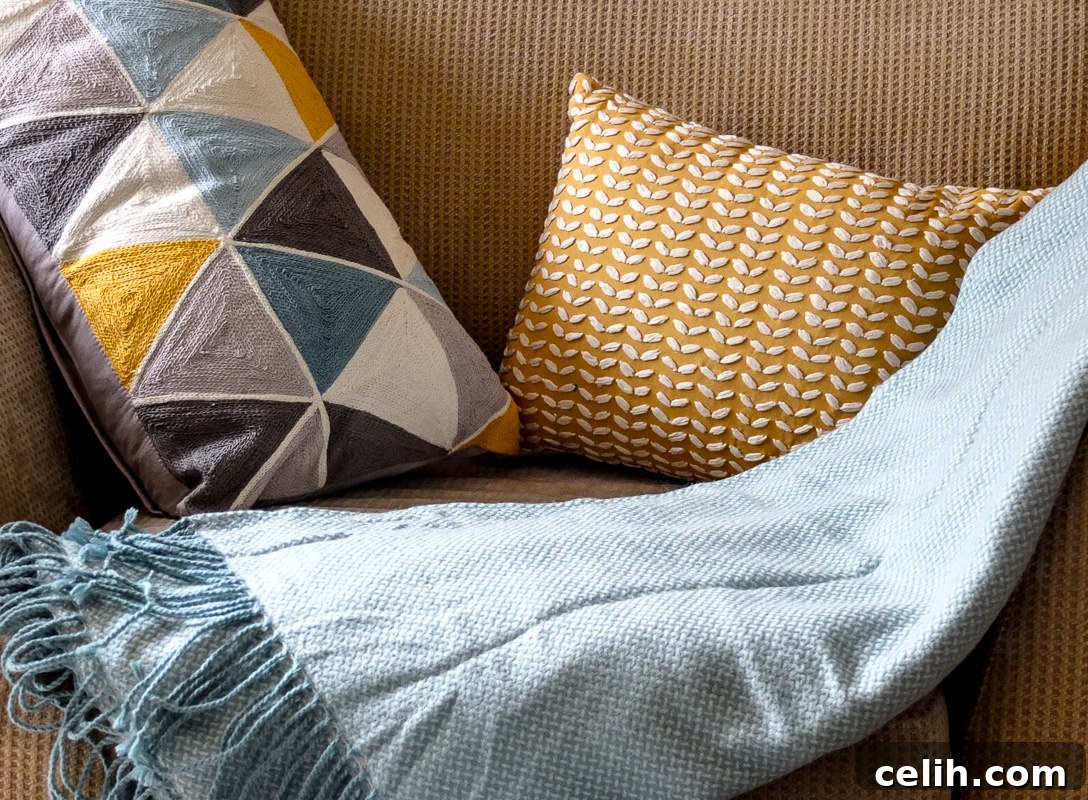
While mixing patterns was once considered a design faux pas, it has firmly transitioned into a celebrated art form, championed by interior designers and trendsetters alike. This trend embraces a deliberate approach to combining different prints, textures, and motifs, creating spaces that feel rich in personality, depth, and visual interest. What might seem chaotic at first glance is, in fact, a carefully curated expression of style, inviting creativity and individuality into home decor. From pillows and throws to duvet covers and rugs, layering patterns is now a sophisticated way to add character.
The key to successfully mixing patterns lies in finding harmony amidst diversity. One effective strategy is to establish a unifying element, often a consistent color palette. By selecting patterns that share a common hue, even if their designs are vastly different, you can create a cohesive look that feels intentional rather than haphazard. Another crucial tip is to vary the scale of the patterns. Combine a large, bold print with a medium-sized geometric and a delicate, small-scale texture. This variation prevents any single pattern from dominating and allows each to breathe, contributing to an overall balanced composition.
Furthermore, consider mixing different types of patterns: abstract, floral, geometric, stripes, or animal prints. The juxtaposition of these diverse styles adds intrigue and prevents the space from feeling monotonous. While this trend isn’t for everyone, especially if you prefer minimalist aesthetics, it offers a fantastic opportunity for those with a penchant for vibrant, layered interiors. It works particularly well in larger spaces where furnishings won’t clutter the area, allowing each pattern to be appreciated. Starting small with accent pillows and gradually incorporating larger patterned pieces can help you experiment with this cool trend to experiment with and discover your unique pattern-mixing style.
Faux Faded Rugs: Vintage Charm with Modern Appeal
The aesthetic of “effortlessly worn-out” has captured the hearts of many, leading to the immense popularity of faux faded rugs. These exquisite pieces mimic the charm and character of antique or vintage rugs that have naturally aged and softened over time, offering a sense of history and warmth without the actual wear and tear. This trend perfectly bridges the gap between classic elegance and contemporary comfort, making it a versatile choice for a wide range of interior styles and one that shows no signs of fading away soon.
Faux faded rugs typically feature traditional or classic patterns, such as Persian, Oriental, or Turkish motifs, but with a deliberately distressed finish. The colors are often muted or desaturated, creating a soft, almost pastel effect that belies the original vibrancy of the design. This “worn” appearance makes the rugs incredibly adaptable, softening the edges of modern furniture and adding a layer of sophisticated texture to any room. For those who find deep, saturated colors and busy traditional patterns too overwhelming for their space, faux faded rugs offer an ideal alternative, providing rich detail without demanding too much visual attention.
These rugs excel at creating a relaxed yet elegant atmosphere. They can ground a living room with their understated grandeur, add warmth and character to a dining area, or bring a cozy, inviting feel to a bedroom. Their ability to blend classic inspiration with a contemporary, lived-in feel makes them perfect for eclectic, bohemian, or even minimalist interiors seeking a touch of warmth. Whether you’re aiming for a shabby-chic vibe, a refined global look, or simply want to inject some vintage charm, faux faded rugs are definitely your go-to solution, offering an elegant and timeless aesthetic without trying too hard.
The Rise of Second-Hand: Sustainable Style and Unique Finds
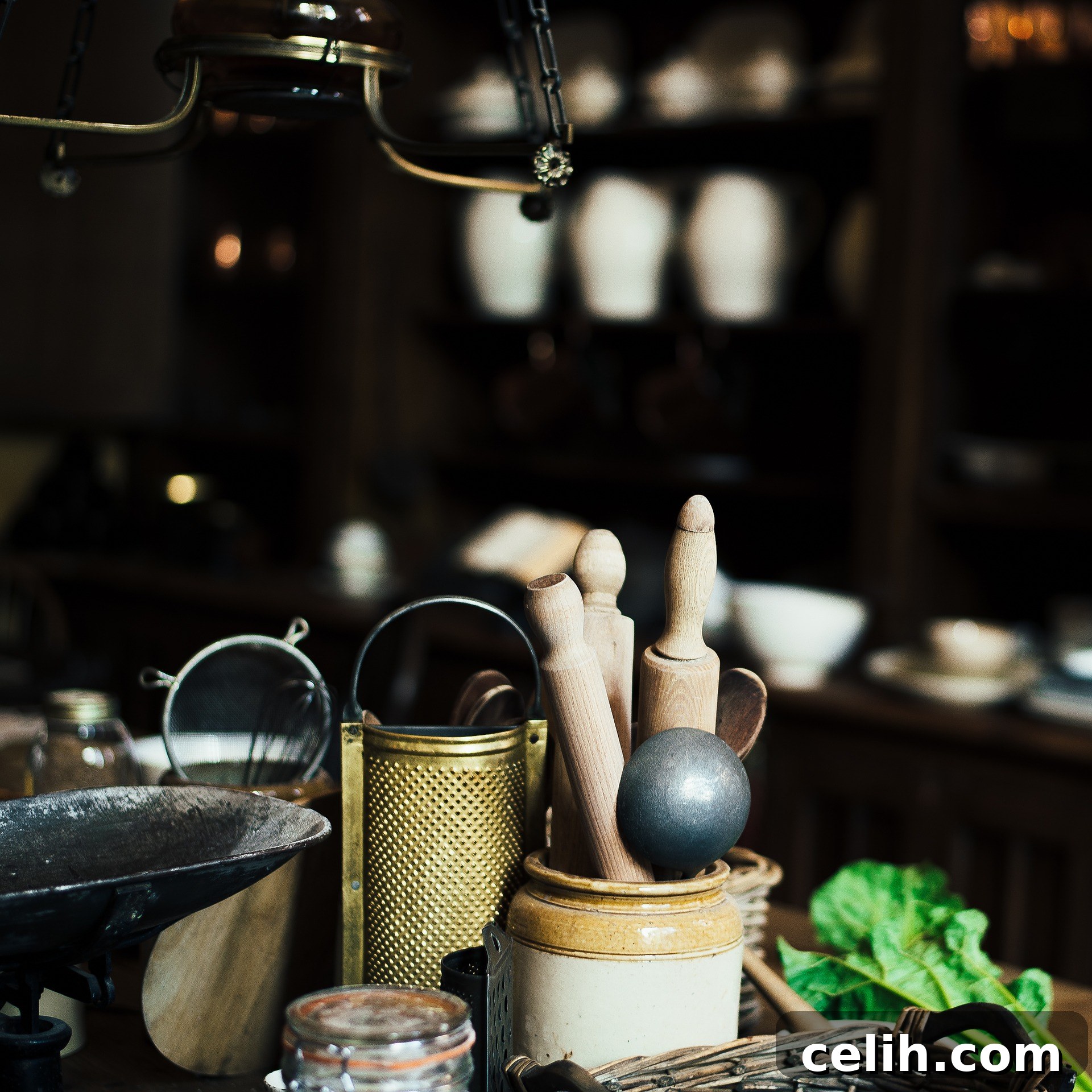
In an era increasingly defined by environmental awareness and a conscious move towards sustainability, the trend of incorporating second-hand items into home decor has surged in popularity. Thanks to the growing minimalist movement and a collective desire to reduce waste, this generation is actively seeking alternatives to mass-produced goods, extending their efforts to homewares and furniture. Millennials and environmentally-conscious consumers are more than ever scouring thrift stores, flea markets, antique shops, and online marketplaces to discover unique pieces that add character and history to their living spaces, all while being eco-friendly and often budget-friendly.
The appeal of second-hand items goes beyond their sustainable credentials. Each piece often comes with its own story, lending a distinct personality that brand-new items simply cannot replicate. From sturdy vintage dressers and charming mid-century chairs to whimsical decorative objects and elegant kitchenware, the possibilities are endless. These finds allow homeowners to create truly unique interiors that stand out from the cookie-cutter aesthetics often seen in chain stores. It’s about the thrill of the hunt, the joy of discovering a hidden gem, and the satisfaction of giving an item a second life.
Embracing second-hand decor is also a fantastic way to stretch your decorating budget without compromising on style or quality. Many vintage pieces were built to last, often boasting superior craftsmanship compared to their modern counterparts. With a little imagination and sometimes a bit of DIY TLC—like a fresh coat of paint or new upholstery—a pre-loved item can be transformed into a bespoke treasure. This trend encourages creativity, personal expression, and responsible consumption, making it a cornerstone of modern, mindful living. Platforms like second hand homewares and accessories are invaluable resources for finding these unique pieces.
Celebrating Local Crafts: Authenticity and Artisanal Quality
While the DIY trend continues to thrive, there’s a distinct shift in focus towards appreciating and acquiring locally crafted, artisanal products. This movement is a testament to a growing desire for authenticity, quality, and unique storytelling within our homes. In a world saturated with mass-produced goods, homeowners are increasingly seeking items that reflect skill, passion, and a connection to their community. Buying local crafts isn’t just about decor; it’s about supporting independent artisans, investing in unique pieces, and embracing a more conscious approach to consumption.
Local crafts encompass a wide array of handmade products, from intricately woven textiles and hand-thrown pottery to custom-made furniture and original artwork. Each piece tells a story, imbued with the craftsmanship and vision of its maker. This personal touch adds soul and character to a home, creating spaces that feel curated, thoughtful, and deeply personal. Unlike factory-made items, artisanal crafts often highlight imperfections as part of their charm, celebrating the unique qualities that come from human hands.
This trend goes hand-in-hand with several other contemporary movements, including the green environmental movement, which advocates for reduced carbon footprints by supporting local economies, and the “hipster” trend, which champions individuality and a return to traditional skills. By choosing local crafts, homeowners contribute to the livelihoods of artists and makers in their communities, foster sustainable practices, and infuse their homes with objects that are not only beautiful but also ethically produced and rich in narrative. It’s a way of making your home truly unique, filled with items that spark conversation and reflect a global conscience with local roots.
Less is More: The Enduring Power of Minimalism
In harmony with the appreciation for local crafts and second-hand treasures, the overarching philosophy of “less is more” continues to profoundly influence home design. The year’s emphasis on minimalism reflects a broader societal shift away from excessive consumerism towards intentional living and conscious consumption. In 2017, and continuing its strong presence today, the focus isn’t about accumulating possessions or engaging in the antiquated practice of keeping up with the Joneses. Instead, it’s about curating a space that promotes calm, clarity, and functionality.
Minimalism in the home is more than just a style; it’s a lifestyle choice that advocates for decluttering, simplifying, and investing in quality over quantity. This approach encourages homeowners to thoughtfully select each item, ensuring it serves a purpose, brings joy, or contributes meaningfully to the aesthetic. The result is a serene, uncluttered environment that enhances mental well-being and allows for greater appreciation of the chosen few pieces. Even if the tiny home movement isn’t for you, applying minimalist principles to your homewares can dramatically transform your living experience.
Embracing minimalism means taking your time to hunt down the perfect accessories and carefully choosing a few right pieces that truly match the character of your home. It involves a deliberate process of decluttering regularly, opting for multi-functional furniture, and sticking to a cohesive, often neutral, color palette. The beauty of minimalism lies in its ability to create spacious, airy interiors that feel both sophisticated and incredibly peaceful. It’s about finding freedom in simplicity and creating a home that is a true sanctuary, free from unnecessary visual noise and material excess.
These prevailing home decor trends offer a rich tapestry of options for personalizing your space. Whether you’re drawn to the timeless elegance of marble, the classic appeal of subway tiles, the bold statement of emerald green, the artistic freedom of mixed patterns, the vintage charm of faded rugs, or the ethical choices of second-hand and local crafts, remember that your home should be a reflection of you. By thoughtfully incorporating these trends, you can create an environment that is not only stylish and contemporary but also deeply personal and perfectly suited to your lifestyle.