
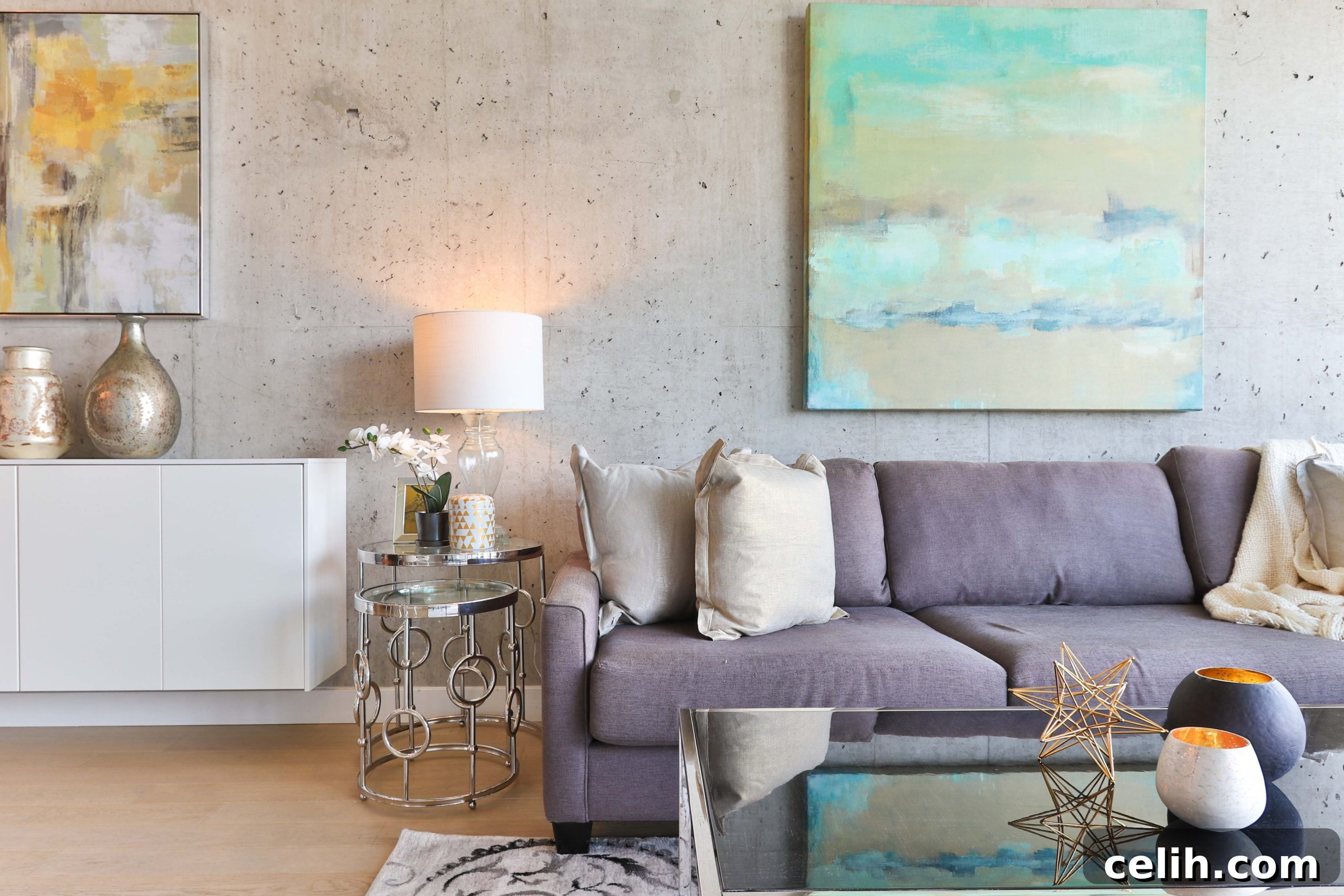
Illuminate Your Home: The Definitive Guide to Modern LED Lighting
The journey to transform a house into a truly cherished home often lies in the mastery of its intricate details. These subtle elements collectively weave a unique tapestry of ambiance and comfort. Among the most pivotal of these details is the strategic selection of lighting. While the generous embrace of natural daylight can invigorate a space, imbuing it with an airy and bright feel, the importance of thoughtfully planned evening illumination cannot be overstated. As dusk falls, the right lighting scheme doesn’t just chase away shadows; it defines moods, highlights architectural features, and enhances the overall lived experience of your home.
The market abounds with a bewildering array of lighting options, yet not all solutions are created equal in their efficiency, longevity, or aesthetic potential. Over recent years, LED (Light Emitting Diode) lighting technology has surged in popularity, rapidly becoming the preferred choice for both residential and commercial applications. If you haven’t yet explored the remarkable advantages of LED lighting, you might be wondering what fuels this widespread adoption. This comprehensive guide will delve into the compelling reasons why LED lights have garnered such an enthusiastic following and how they can revolutionize your home.
Beyond Incandescence: Why LED Lights Are the Superior Choice for Modern Homes
For decades, traditional incandescent and even fluorescent bulbs dominated our lighting landscape. However, the advent of LED technology has ushered in a new era, offering substantial improvements across the board. Understanding these distinctions is crucial for making an informed decision about your home’s lighting future.
Unparalleled Energy Efficiency: A Brighter Future with Lower Bills
One of the most significant and celebrated benefits of LED lighting is its extraordinary energy efficiency. Unlike incandescent bulbs that generate light by heating a filament, wasting a considerable amount of energy as heat, LEDs produce light through the movement of electrons in a semiconductor material. This process is far more efficient, meaning a much higher percentage of electricity is converted into light, not heat. Typically, an LED bulb uses up to 75% less energy than an incandescent bulb to produce the same amount of light. This dramatic reduction in power consumption directly translates to noticeably lower electricity bills, offering substantial savings that compound year after year. For the environmentally conscious homeowner, this also means a smaller carbon footprint, contributing to a more sustainable planet.
Exceptional Longevity: Lighting That Lasts for Decades
Another monumental advantage of LED lights is their incredibly long lifespan. While a traditional incandescent bulb might last around 1,000 to 2,000 hours, and a compact fluorescent lamp (CFL) around 8,000 hours, a high-quality LED bulb can easily last between 25,000 to 50,000 hours, and sometimes even more. To put this into perspective, if you use your lights for an average of 3 hours a day, an LED bulb could last for 20 years or longer! This extended lifespan drastically reduces the frequency of bulb replacements, saving you not only the cost of new bulbs but also the time and effort associated with changing them, especially in hard-to-reach fixtures.
Durability and Safety: Robust and Cooler Operation
LEDs are solid-state lighting devices, meaning they do not have fragile filaments or glass casings that can easily break. This inherent robustness makes them far more resistant to vibrations, impacts, and temperature fluctuations, making them ideal for a variety of applications, including outdoor and high-traffic areas. Furthermore, LEDs emit very little heat in comparison to traditional bulbs. While incandescent bulbs get extremely hot and pose a burn risk or even a fire hazard if near flammable materials, LEDs operate at much cooler temperatures. This cooler operation not only enhances safety but also reduces the load on your home’s air conditioning system during warmer months, further contributing to energy savings. Moreover, unlike CFLs, LEDs do not contain mercury, making them a safer and more environmentally friendly disposal option.
Transforming Your Living Space: The Aesthetic and Functional Gains of LED Lighting
The benefits of LED lighting extend far beyond mere efficiency and longevity. This technology offers an unparalleled degree of flexibility and control, allowing homeowners to personalize their spaces and enhance their daily living experience.
Design Versatility and Aesthetic Appeal: Lighting Tailored to Your Taste
One of the most exciting aspects of modern LED technology is its incredible versatility in design and application. LEDs come in a vast array of shapes, sizes, and formats, from standard screw-in bulbs designed to retrofit existing fixtures to innovative strip lighting, recessed downlights, sleek panels, and decorative fixtures. This diversity empowers you to achieve virtually any lighting design you envision, seamlessly integrating light into architectural elements or making it a prominent design feature itself.
The Power of Color Temperature: Setting the Perfect Mood
LEDs offer a wide spectrum of color temperatures, measured in Kelvins (K), allowing you to precisely control the mood and functionality of each room. Warm white lights (2700K-3000K) evoke a cozy, inviting atmosphere, ideal for living rooms and bedrooms. Cool white lights (3500K-4500K) provide a more neutral, alert feel, perfect for kitchens, bathrooms, or home offices. Daylight LEDs (5000K-6500K) mimic natural sunlight, boosting concentration and making colors appear more vibrant. This ability to choose the right color temperature for specific tasks and ambiences is a game-changer for interior design.
Dynamic Color-Changing (RGB) LEDs: Unleash Your Creativity
For those who love to experiment with dynamic lighting, RGB (Red, Green, Blue) LED lights are a dream come true. These bulbs can produce millions of colors, allowing you to instantly change the entire mood of a room with a tap of a button or a voice command. Imagine transforming your living room into a vibrant party space, a serene blue sanctuary, or a festive holiday display. The possibilities for personalization and creative expression are virtually limitless.
Advanced Dimming Capabilities: Precision Control Over Brightness
Modern LED lights are highly compatible with dimming systems, offering smooth and flicker-free brightness control. This feature is not just about saving energy; it’s about creating versatile environments. Bright lights for tasks like cooking or reading, and softer, subdued lighting for relaxation or entertaining guests. With sophisticated dimming options, you can fine-tune the illumination to match your current needs, enhancing comfort and adapting to various activities throughout the day.
Personalization and Smart Home Integration: The Future is Now
Every homeowner desires a living space that truly reflects their personality and lifestyle. LED lighting provides an unparalleled tool for achieving this customization, particularly when integrated with smart home technology.
Highlighting Your Home’s Unique Features
If you wish to draw attention to specific elements of your interior, there’s no more effective method than strategically placed LED lighting. For instance, you can use solutions like an LED aluminum strip to create a stunning gallery wall, making your cherished paintings, photographs, or collectibles truly stand out. Adding LED tapes to staircases not only enhances visibility and safety but also introduces a sleek, modern design element. Cove lighting can accentuate architectural details, while task lighting beneath kitchen cabinets brightens workspaces and adds a sophisticated glow.
The possibilities are genuinely limited only by your imagination. Consider subtle LED puck lights inside display cabinets, backlighting for shelves, or even accent lighting for plants to create focal points and depth within your rooms. LEDs allow you to sculpt light, transforming ordinary spaces into extraordinary experiences.
Embracing the Smart Home Revolution with LED Lighting
The integration of LED lighting into smart home ecosystems represents a paradigm shift in how we interact with our living environments. Smart LED bulbs and fixtures can be controlled wirelessly via smartphone apps, voice assistants (like Amazon Alexa or Google Assistant), or even integrated with other smart devices like motion sensors and door contacts. This opens up a world of convenience and advanced functionality:
- Remote Control: Turn lights on or off, adjust brightness, or change colors from anywhere in the world.
- Scheduling: Automate your lighting to switch on at sunset, turn off at bedtime, or even simulate occupancy when you’re away.
- Voice Control: Simply speak commands to adjust your lighting without lifting a finger.
- Scene Setting: Create pre-programmed lighting scenes for different activities, such as “Movie Night,” “Dinner Party,” or “Relaxation.”
- Energy Monitoring: Some smart LED systems allow you to track your energy consumption, helping you optimize savings even further.
This level of control not only adds a layer of modern sophistication to your home but also enhances convenience, security, and energy management.
Practical Applications and Choosing the Right LED Solution
With the rising popularity and continuous innovation in LED technology, prices have become increasingly accessible, making it a sound investment for every homeowner. Selecting the right LED solution involves considering a few key factors:
Understanding Lumens, Color Rendering Index (CRI), and Beam Angle
- Lumens (lm): Instead of watts, LEDs are rated by lumens, which indicate the actual brightness of the light. More lumens mean more light.
- Color Rendering Index (CRI): CRI measures how accurately a light source reveals the true colors of objects compared to natural light. A higher CRI (80+ is good, 90+ is excellent) is desirable for areas where accurate color perception is important, such as kitchens, bathrooms, or art studios.
- Beam Angle: This refers to how wide or narrow the light spread is. Narrower beam angles are suitable for accent lighting or spotlights, while wider angles are better for general room illumination.
LED Lighting for Every Room and Purpose
- Kitchen: Combine bright task lighting (under-cabinet LED strips, recessed lights) for food preparation with warm ambient lighting for dining. High CRI LEDs are particularly useful here.
- Living Room: Employ layered lighting with ambient (ceiling fixtures), accent (spotlights on art), and task (floor lamps) LEDs. Dimming capabilities are essential for mood setting.
- Bedroom: Focus on warm white, dimmable LEDs for a relaxing atmosphere. Consider smart bulbs for easy control from bed.
- Bathroom: Opt for cool white, bright LEDs around mirrors for grooming, combined with softer ambient options. Ensure fixtures are rated for damp environments.
- Outdoor Lighting: LEDs are perfect for security lighting, pathway illumination, and landscape accentuation due to their durability and efficiency. Look for IP-rated (Ingress Protection) fixtures.
- Home Office: Use bright, cool white LEDs for enhanced focus and productivity, perhaps with a desk lamp for dedicated task lighting.
Upgrading to LED lighting solutions in your home empowers you with greater control over your environment, enhances aesthetic appeal, and delivers significant long-term savings. The wide array of products available ensures there’s an LED solution for every need, budget, and design vision, making the transition simpler than ever before.
Embrace the future of home illumination and discover how LED lighting can truly elevate your living experience.
For more insights into creating the perfect lighting scheme for your home, explore our additional resources: check out our guide to choosing lighting, discover some quirky animal lamps, or find out how to use lighting to help sell your home.