
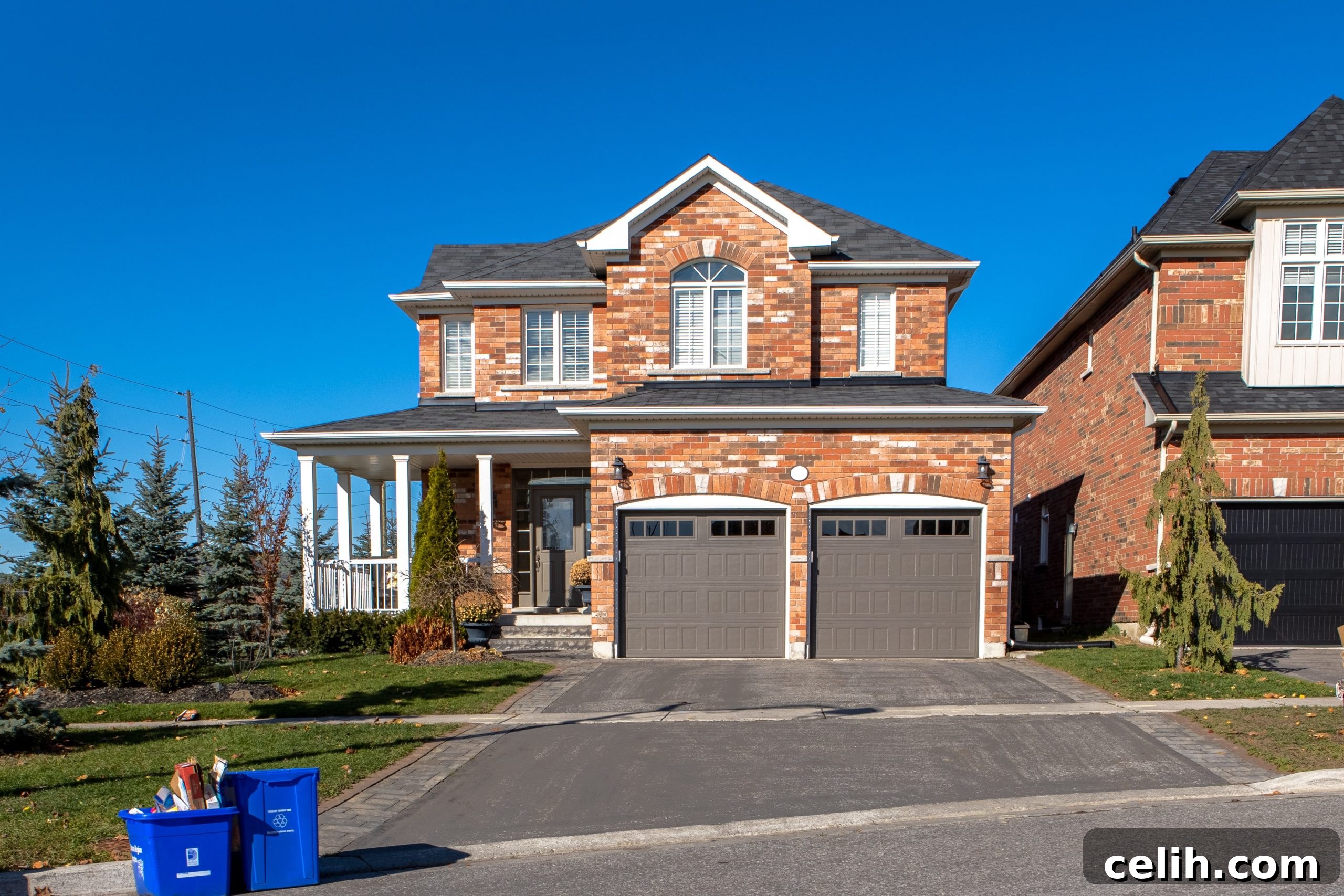
Ultimate Guide to Choosing Facing Bricks for Your Building Project
Facing bricks are more than just structural components; they are the skin of your building, defining its character, aesthetic appeal, and long-term resilience. Whether you’re embarking on a new residential dream home, a significant commercial development, or a sensitive renovation, the choice of facing bricks is a pivotal decision. It directly impacts the visual success, functional performance, and even the eventual market value of your property. With an expansive array of options flooding the market, navigating this selection process can feel overwhelming. This comprehensive guide is meticulously crafted to simplify your journey, illuminating the critical factors you must consider to make an informed and confident choice for your next building project.
1. Durability and Strength: Building for Longevity
At the core of any successful building project lies the commitment to longevity and structural integrity, making durability and strength paramount considerations for facing bricks. These bricks must not only withstand the relentless onslaught of time but also offer robust protection against diverse environmental challenges. A truly durable brick will maintain its aesthetic appeal and structural soundness for decades, if not centuries.
Key aspects influencing a brick’s resilience include the quality of its raw materials, often high-grade clays or aggregates for concrete bricks, and the precision of its manufacturing process. For clay bricks, this involves carefully controlled firing temperatures that fuse the clay particles, creating a dense, vitrified product. For concrete bricks, it’s about the mix design and curing process that ensures optimal compressive strength. Furthermore, the overall thickness and density of the brick contribute significantly to its ability to resist physical impact and structural stresses.
Beyond structural integrity, facing bricks play a crucial role in the building’s thermal performance. High-quality bricks can offer excellent thermal mass, absorbing and slowly releasing heat to help regulate indoor temperatures, thereby improving energy efficiency and reducing heating and cooling costs. This inherent property makes them a sustainable choice for maintaining a comfortable internal climate.
Critically, facing bricks must be engineered to endure harsh weather conditions typical of your region. This includes resistance to frost damage, efflorescence (salt deposits), and significant temperature fluctuations. Bricks with low water absorption rates are less susceptible to frost-thaw cycles that can cause cracking and spalling. Evaluating these technical specifications, often detailed in manufacturer data sheets or industry standards like British Standards (BS EN), is essential for ensuring your chosen bricks will perform reliably throughout their lifespan.
2. Colour and Texture: Defining Your Building’s Character
The visual impact of a building is largely dictated by its facade, making the colour and texture of facing bricks crucial aesthetic determinants. These elements collaborate to craft the building’s initial impression, conveying its style, era, and unique personality. From traditional charm to contemporary sleekness, the right combination profoundly influences perception.
Clay bricks, renowned for their versatility, are available in an astounding spectrum of colours. Beyond the classic reds and browns, you’ll find elegant greys, soft yellows, warm buffs, and even striking blues or purples. These hues often come with subtle variations, mottles, and flecks, adding depth and character that cannot be replicated by synthetic materials. The exact colour is influenced by the type of clay used, mineral content, and the firing temperature and atmosphere during manufacturing.
Texture further refines the aesthetic. Options range from the smooth, precise finish of an extruded wire-cut brick, perfect for modern minimalist designs, to the rugged, irregular surface of a sand-faced or tumbled brick, ideal for evoking rustic or historical charm. Other textures include glazed bricks for a distinct sheen, or stock bricks with their characteristic creased faces. The chosen texture affects how light interacts with the facade, creating dynamic shadows and highlights that change throughout the day and year.
When selecting colours and textures, consider the building’s overall architectural style and its relationship with the surrounding environment. A period property undergoing an extension might benefit from warm red or rich brown tones with a slightly irregular texture to blend seamlessly with existing brickwork. Conversely, a cutting-edge contemporary structure might call for sleek, long-format grey or white bricks with a smooth, uniform texture to emphasize clean lines and modernism. The prevailing light conditions and local landscape should also inform your choice, as they can significantly alter how a brick’s colour appears.
For renovation projects, especially extensions or adding new exterior walls, matching existing brickwork is often a critical requirement. Achieving an exact colour and texture match for aged or unique traditional bricks can be challenging. In such cases, it’s advisable to obtain multiple samples, visit reclamation yards for salvaged bricks, or even explore bespoke manufacturing options where brick companies can produce custom bricks to your precise specifications. While more costly, this ensures architectural harmony and often enhances property value, particularly for heritage or listed buildings where aesthetic consistency is legally protected and paramount.
3. Size and Shape: Precision in Design and Construction
The dimensions and form of facing bricks are fundamental to both the structural integrity and the visual aesthetics of your building. Choosing the right size and shape ensures that the bricks integrate seamlessly into the building’s design and construction methodology, minimizing the need for costly and time-consuming cutting or modification on-site. This efficiency translates directly into reduced labor costs and less material waste.
A wide range of standard brick sizes and shapes are available globally, though dimensions can vary significantly by region. For instance, the standard UK brick measures approximately 215mm x 102.5mm x 65mm, while other European and international standards exist. Beyond these common sizes, architects and designers increasingly utilize longer format bricks (e.g., 440mm x 65mm) to create distinctive contemporary facades that emphasize horizontal lines and a sense of expansive scale.
For larger or more complex projects, such as house extensions or commercial buildings, you may require a combination of different brick sizes and specialized shapes. Standard stock bricks or face bricks are typically used for the main external walls, providing the primary enclosure. However, intricate architectural details often necessitate specific brick types. For example, plinth bricks are used at the base of walls to manage damp proofing and create a visual transition, while cill bricks are shaped to integrate perfectly beneath window sills, directing water away from the opening. Arch bricks, corner bricks (quoins), and coping bricks (for wall tops) are further examples of specialized units designed to achieve precise detailing and functional performance without compromising the overall aesthetic.
The choice of brick size also influences the perceived scale and proportion of the building. Smaller bricks can create a sense of intricate detail and traditional craftsmanship, while larger or longer bricks might lend a more monolithic, modern feel. Furthermore, the width of the mortar joint, which can be varied, interacts with the brick size to subtly alter the overall grid pattern of the brickwork, allowing for further design customization. Thoughtful consideration of these physical properties ensures that your chosen bricks not only fit mechanically but also contribute significantly to the desired architectural vision.
4. Environmental Factors: Sustainable and Energy-Efficient Choices
In an era of increasing environmental consciousness, the sustainability and energy efficiency of building materials have become paramount considerations. Choosing facing bricks with an ecological footprint in mind not only contributes to a healthier planet but can also lead to long-term cost savings and enhanced building performance. While traditional bricks are predominantly made from abundant natural materials like clay and concrete, innovative and eco-friendly alternatives are gaining traction.
One of the most sustainable options is the use of reclaimed bricks. These bricks, salvaged from demolished buildings, possess a unique character and patina that new bricks cannot immediately replicate. Opting for reclaimed bricks significantly reduces waste sent to landfills, conserves natural resources by avoiding new extraction and manufacturing processes, and dramatically lowers the embodied carbon of your project. However, sourcing enough consistent reclaimed bricks can be a challenge, requiring careful selection to ensure structural soundness, dimensional uniformity, and aesthetic harmony.
Beyond reclaimed options, many manufacturers are now producing bricks from recycled materials, such as industrial waste aggregates, slag, or even recycled glass. These innovative “eco-bricks” offer similar performance characteristics to conventional bricks while significantly reducing their environmental impact. Handmade bricks, while often requiring more energy in their initial production than some modern methods, are frequently valued for their bespoke quality and the use of traditional, often locally sourced, materials, contributing to a more sustainable local economy.
From an energy efficiency perspective, bricks with a high thermal mass are highly advantageous. Thermal mass refers to a material’s ability to absorb, store, and slowly release heat. During the day, brick walls can absorb solar heat, preventing interiors from overheating. As temperatures drop in the evening, this stored heat is released back into the building, maintaining a more stable and comfortable indoor climate. This natural regulation reduces the reliance on artificial heating and cooling systems, leading to substantial energy savings over the building’s lifespan. When combined with modern insulation techniques in cavity wall construction, facing bricks contribute to exceptionally well-performing thermal envelopes, ensuring comfort and efficiency for years to come.
5. Cost: Balancing Budget with Quality and Value
The financial implications of your choices are a critical factor in any construction project, and facing bricks are no exception. The cost of facing bricks is influenced by a complex interplay of various elements, and understanding these can help you make a decision that balances your budget with your desire for quality, durability, and aesthetics. It’s imperative to approach this decision with a long-term perspective, recognizing that the cheapest option upfront may incur greater costs down the line.
Several factors directly impact the price of bricks. The primary influence is the type of brick: standard machine-made clay or concrete bricks will typically be more affordable than specialized options like handmade bricks, bespoke architectural units, or rare reclaimed bricks. The raw materials themselves, their origin, and the complexity of their processing contribute significantly. Manufacturing processes also play a role; highly automated processes often yield more cost-effective products, while labour-intensive, traditional methods command a premium.
Furthermore, the size and shape of the bricks can affect their unit cost, with non-standard or larger formats sometimes being more expensive. Surface textures and specific colours that require unique pigments or firing conditions can also elevate the price. Beyond the unit cost per brick, other related expenses must be factored into your budget. These include transportation costs (especially for bricks sourced from a distance), the cost of specialized mortar, and the labour required for installation, which can vary depending on the complexity of the brickwork pattern or the skill level required for bespoke items.
While staying within budget is essential, it should never come at the expense of quality and durability. Investing in higher-quality facing bricks, even if they have a greater initial outlay, often proves to be a more economical decision in the long run. Durable bricks require less maintenance, resist weathering and damage more effectively, and maintain their appearance for decades, thereby enhancing the property’s curb appeal and market value. Poor-quality bricks, conversely, might lead to premature deterioration, requiring costly repairs, repointing, or even full replacement within a relatively short period. Therefore, it’s about finding the sweet spot where quality, performance, and aesthetic goals align with your financial parameters, ensuring a wise investment for your building’s future.
6. Design and Architectural Expression
The design potential offered by facing bricks extends far beyond mere structural enclosure; they are a fundamental medium for architectural expression, allowing for the creation of unique textures, patterns, and visual narratives. The manner in which bricks are laid, known as a brick bond, fundamentally dictates the aesthetic and structural qualities of the brickwork, offering a diverse palette for designers and builders alike.
There are numerous brick bonds, each with its distinctive appearance and structural properties. The most common is the Stretcher Bond, where bricks are laid end-to-end, creating a running horizontal pattern. Other popular bonds include Flemish Bond (alternating headers and stretchers in each course), English Bond (alternating courses of headers and stretchers), and Header Bond (all bricks laid as headers). Less common but equally striking bonds like Monk Bond, Garden Wall Bond, or Stack Bond (where all vertical joints align) offer opportunities for more intricate or contemporary facades. Your choice of bond, coupled with the type of facing bricks, will influence the number of bricks required and the overall visual density and rhythm of the wall.
Beyond the bond pattern, facing bricks enable a wealth of decorative and functional architectural details. Features such as quoins (distinctive brickwork at corners), corbelling (projecting courses of bricks to support a load), dog-tooth courses (bricks laid on their corners), and various types of arches (flat, segmental, gauged) can be meticulously crafted using quality bricks. These details not only enhance the building’s aesthetic richness but often serve practical purposes, such as defining openings, managing rainwater, or providing structural support.
The versatility of facing bricks allows them to suit virtually any architectural style, from classic Georgian and Victorian homes to brutalist and ultra-modern structures. The interplay of brick colour, texture, size, and bond creates a unique surface that evolves with changing light and weather conditions. Furthermore, the selection of mortar colour and the style of jointing (e.g., flush, raked, struck, weathered) can dramatically alter the appearance of the brickwork. A contrasting mortar colour can highlight the individual bricks and the bond pattern, while a matching mortar can create a more monolithic, unified surface. Ultimately, quality facing bricks offer unparalleled opportunities to imbue a building with character, depth, and a timeless appeal that stands as a testament to thoughtful design.
7. Amount Required: Accurate Planning for Seamless Execution
One of the most practical yet critical considerations when choosing facing bricks for any project is accurately determining the quantity required. Underestimating can lead to costly delays, while overestimating can result in unnecessary expenditure and waste. Precise calculation is essential for efficient project management and ensures a cohesive, aesthetically uniform final product.
To accurately calculate the number of bricks needed, you’ll typically need to measure the total surface area of the walls to be bricked, subtract openings for windows and doors, and then apply a standard calculation of bricks per square meter (this varies depending on brick size and mortar joint width). Consulting with an experienced builder or using reliable online brick calculators are excellent resources for this step. These tools often account for standard brick sizes and typical mortar joint thicknesses, providing a close approximation. It is always prudent to add a waste factor, usually between 5-10%, to account for cutting, breakages, and potential future repairs. This small buffer can prevent significant headaches down the line.
Beyond immediate project needs, it’s highly advisable to consider potential future building work. Are you planning to build additional external walls, a matching paved driveway, a new garage, garden walls, or an exterior surface in the near future? If so, purchasing a slightly larger quantity of bricks at the outset can be a strategic move. Brick manufacturers produce bricks in batches, and even subtle variations in raw materials, firing temperatures, or environmental conditions can lead to slight differences in colour, texture, or even size between batches. These batch variations might be negligible in isolation but can become noticeable when new bricks are laid next to older ones from a different production run.
Matching bricks exactly at a later date can be extremely challenging, sometimes impossible, especially for unique or discontinued lines of buff bricks, red bricks, or brown bricks. Having a surplus from the original batch ensures aesthetic consistency across all phases of your property’s development. This foresight is particularly crucial for properties in conservation areas or listed buildings, where strict planning regulations demand materials that match the original as closely as possible. Failing to use consistent bricks in such cases could not only affect the value of your home but also lead to compliance issues with local authorities.
Running out of building materials mid-project causes delays, incurs extra delivery charges, and risks visual inconsistencies that can detract from the overall quality and value of your investment. Therefore, meticulous planning for the amount of facing bricks required is a testament to professional execution and a wise long-term strategy for maintaining your property’s integrity and appeal.
Summary: Making the Right Choice for Your Project
The journey of choosing the ideal facing bricks for your building project is a multifaceted one, demanding careful consideration of a range of interconnected factors. It’s a decision that extends beyond mere aesthetics, encompassing the very essence of a building’s performance, durability, and character for decades to come. As we’ve explored, each element plays a critical role in the ultimate success of your construction.
Prioritizing durability and strength ensures that your building can confidently withstand the test of time and the rigours of its environment, offering robust protection and structural integrity. The thoughtful selection of colour and texture is paramount for achieving the desired aesthetic and architectural vision, allowing your building to express its unique personality and harmonize with its surroundings. Considering the precise size and shape of the bricks facilitates efficient construction and enables the creation of intricate details that elevate the overall design.
Furthermore, an awareness of environmental factors guides you towards sustainable choices, such as reclaimed or recycled bricks, and those offering superior energy efficiency through thermal mass. Managing the cost effectively means balancing your budget with an unwavering commitment to quality, understanding that a wise initial investment prevents costly issues in the future. Finally, appreciating the nuances of design, including brick bonds and architectural details, allows you to unleash the full creative potential of brickwork, while accurately calculating the amount required safeguards against delays and ensures visual consistency across your entire project.
By comprehensively evaluating these essential elements, you empower yourself to make an informed, confident, and ultimately successful decision, choosing facing bricks that not only meet your project’s immediate needs but also contribute to a beautiful, resilient, and enduring legacy.