
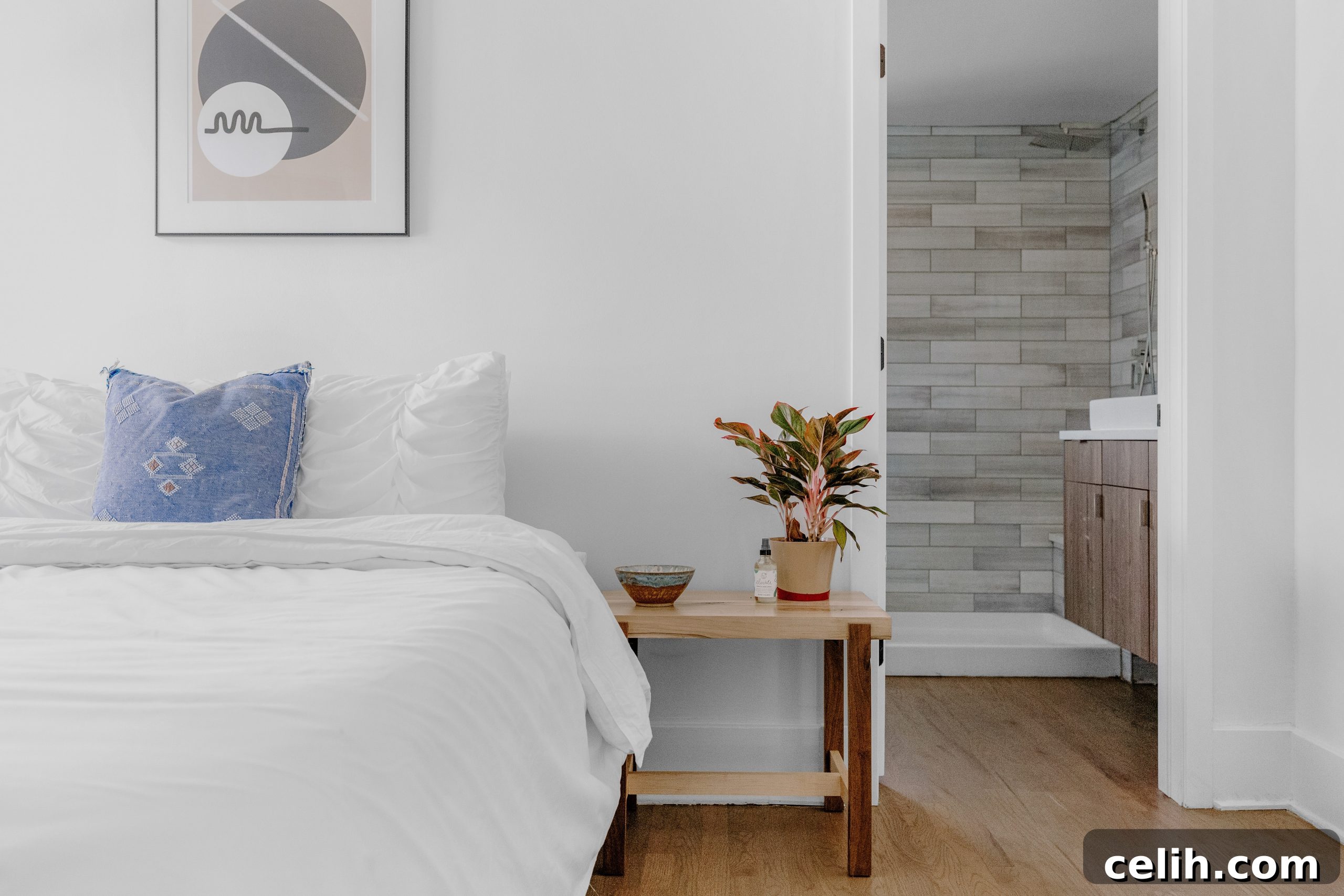
Designing any room in your home can feel like a monumental task, but the bedroom presents a unique challenge. Unlike other spaces, your bedroom’s design directly impacts one of the most vital aspects of your health: your sleep. A well-designed bedroom isn’t just aesthetically pleasing; it’s a sanctuary that actively promotes rest, rejuvenation, and overall well-being.
Sleep is a non-negotiable human need, essential for both physical and mental functioning. Without adequate, quality sleep, our bodies struggle, our minds falter, and our daily lives suffer. Considering that your bedroom is the space where you begin and end each day, it’s paramount to get its design right. To help you transform this crucial area into an ultimate sleep haven, here are some fundamental do’s and don’ts of bedroom design, ensuring it truly works for you.
Don’t Feel Pressured by Fleeting Interior Design Trends
In the vast world of interior design, it’s easy to get swept up by the latest trends. You might spend countless hours poring over glossy magazines, Pinterest boards, and Instagram feeds, feeling the urge to replicate the most popular styles. However, when it comes to your bedroom, it’s crucial to resist this pressure. Remember, your personal sleep sanctuary should be a reflection of *you* and your unique needs, not a showroom for temporary fads.
While a trend might look stunning in a photograph, it might not align with your lifestyle, comfort preferences, or the practicalities of your daily routine. A minimalist aesthetic might be ‘in,’ but if you love collecting books, it might not suit you. Conversely, a maximalist trend might feel overwhelming if you crave simplicity. Don’t be afraid to embrace your individuality and step outside the confines of current design orthodoxies. Your bedroom should be a timeless space where you feel utterly at ease, not a room that needs constant updates to stay ‘relevant.’ Prioritize comfort, functionality, and personal appeal over fleeting popularity, and you’ll create a space that genuinely nurtures your soul and supports your rest.
Do Invest in a High-Quality Mattress – It’s a Game Changer
Among all the elements of bedroom design, investing in a new, high-quality mattress stands out as perhaps the most impactful decision you can make for your sleep and overall health. While a beautifully decorated room certainly contributes to a sense of calm, its aesthetic appeal pales in comparison to the fundamental need for a truly restful night’s sleep, which is largely dictated by your mattress. A good mattress is not merely a comfort item; it’s a critical component of your well-being.
The right mattress provides crucial support for your spine, alleviating pressure points and ensuring proper alignment throughout the night. A worn-out or unsuitable mattress can lead to back pain, neck stiffness, restless tossing and turning, and consequently, chronic fatigue. There’s a vast array of mattress types available today, each designed to cater to different body shapes, sizes, and preferred sleeping positions. From memory foam that contours to your body and relieves pressure, to innerspring mattresses offering robust support, or hybrid options combining the best of both worlds, there’s a perfect fit for everyone.
For instance, a mattress specifically designed for side sleepers can provide enhanced cushioning for the shoulders and hips, preventing discomfort and promoting deeper sleep. Similarly, back and stomach sleepers benefit from varying levels of firmness and support to maintain natural spinal curvature. When choosing a mattress, consider factors like firmness level, material composition, temperature regulation properties, and motion isolation if you share your bed. Remember, a new mattress is an investment in your health, energy levels, and daily productivity. Prioritizing this essential piece will lay the groundwork for a truly restorative sleep environment, making all other design efforts worthwhile.
Don’t Rely on a Single Overhead Light Source
Effective lighting design is often overlooked in bedrooms, yet it plays a pivotal role in creating a truly relaxing and sleep-conducive atmosphere. Many of us fall into the trap of relying solely on a single, bright overhead light in our bedrooms. While functional for general illumination, this type of harsh, unmodulated lighting is far from ideal for winding down and preparing for sleep. It can feel stark, create unwelcome shadows, and disrupt your body’s natural circadian rhythm by signaling alertness rather than relaxation.
Instead, we strongly recommend a layered lighting approach. This involves incorporating multiple light sources at different levels and with varying intensities to create a versatile and inviting ambiance. Think about ambient lighting for general illumination, task lighting for specific activities like reading, and accent lighting to highlight features or add warmth. Bedside lamps with soft, warm-toned bulbs are indispensable. They provide focused light for reading without disturbing a partner and offer a gentle glow that helps your eyes and mind relax. Consider incorporating dimmer switches for all your light fixtures, allowing you to gradually reduce brightness as evening progresses, mimicking the natural sunset and encouraging melatonin production.
Other excellent options include floor lamps, wall sconces, or even indirect LED strip lighting behind headboards or under furniture. The goal is to create a soft, warm, and inviting glow that can be adjusted to suit your mood and needs. This strategic use of lighting can make all the difference in transforming your bedroom from a brightly lit functional space into a tranquil haven that gently guides you towards a peaceful night’s sleep.
Do Keep Your Bedroom Clutter-Free for Ultimate Serenity
It’s almost universally understood that a cluttered environment can lead to a cluttered mind. In the context of your bedroom, this translates directly to difficulty relaxing, heightened stress levels, and ultimately, disturbed sleep. An overcrowded and over-accessorized room creates visual noise, preventing your brain from fully disengaging and preparing for rest. While decorative accessories are indeed an important part of personalizing your space, the key is mindful curation and ensuring that as much of your bedroom remains clutter-free as possible.
To achieve this serene environment, focus on smart storage solutions. Integrate furniture that serves multiple purposes, such as an ottoman with hidden storage, a bed frame with built-in drawers, or a headboard with shelves. Floating shelves can provide aesthetic appeal without taking up floor space, while carefully chosen wardrobes and dressers can keep clothes and personal items neatly tucked away. Regular decluttering sessions are also vital – if you haven’t used an item in a year, consider if it truly belongs in your bedroom. The concept of “a place for everything, and everything in its place” is particularly powerful here.
Pay special attention to your nightstand, which often becomes a magnet for miscellaneous items. Many of us are guilty of letting books, empty water glasses, chargers, random beauty products, and a myriad of other small objects accumulate here. A clear, minimalist nightstand, perhaps holding just a lamp, a current book, and a glass of water, can significantly contribute to a sense of calm and order, making it easier for your mind to unwind and drift off to sleep. Embracing a clutter-free philosophy for your bedroom is not just about aesthetics; it’s about creating mental clarity and a truly peaceful haven for restorative sleep.
Don’t Include Electronics in Your Sleep Sanctuary
While your bedroom is undeniably a prime space for relaxation and unwinding after a demanding day, we strongly advocate for keeping electronics out of your design plans. This might contradict some modern interior design trends that showcase seamless integration of televisions or smart devices into bedroom aesthetics. However, the scientific evidence is clear: the presence of electronics in your bedroom can be a significant deterrent to quality sleep, making it much harder to fall asleep and stay asleep.
The primary culprit is the blue light emitted by screens from devices like TVs, laptops, smartphones, and tablets. This blue light suppresses the production of melatonin, the hormone responsible for regulating your sleep-wake cycle. When your body detects blue light late at night, it mistakenly believes it’s still daytime, disrupting your natural circadian rhythm and making it harder to feel drowsy. Beyond blue light, the mere presence of these devices can be mentally stimulating. Notifications, the urge to check social media, or the temptation of an endless stream of entertainment can keep your mind active and prevent it from winding down.
The best design tip we can offer for fostering superior sleep is to establish your bedroom as an electronic-free zone. This means removing televisions, resisting the urge to bring your laptop to bed, and, most crucially, charging your smartphone outside the bedroom. Instead of scrolling through feeds, opt for more calming pre-sleep activities such as reading a physical book, practicing meditation, journaling, or listening to gentle music. By creating a dedicated space free from digital distractions, you empower your mind and body to truly disconnect from the day’s demands and embrace the deep, restorative sleep you deserve. When designing your bedroom, remember that the ultimate goal is to cultivate an environment that effortlessly helps you drift off to sleep as soon as your head touches the pillow, ready to recharge for a new day.