
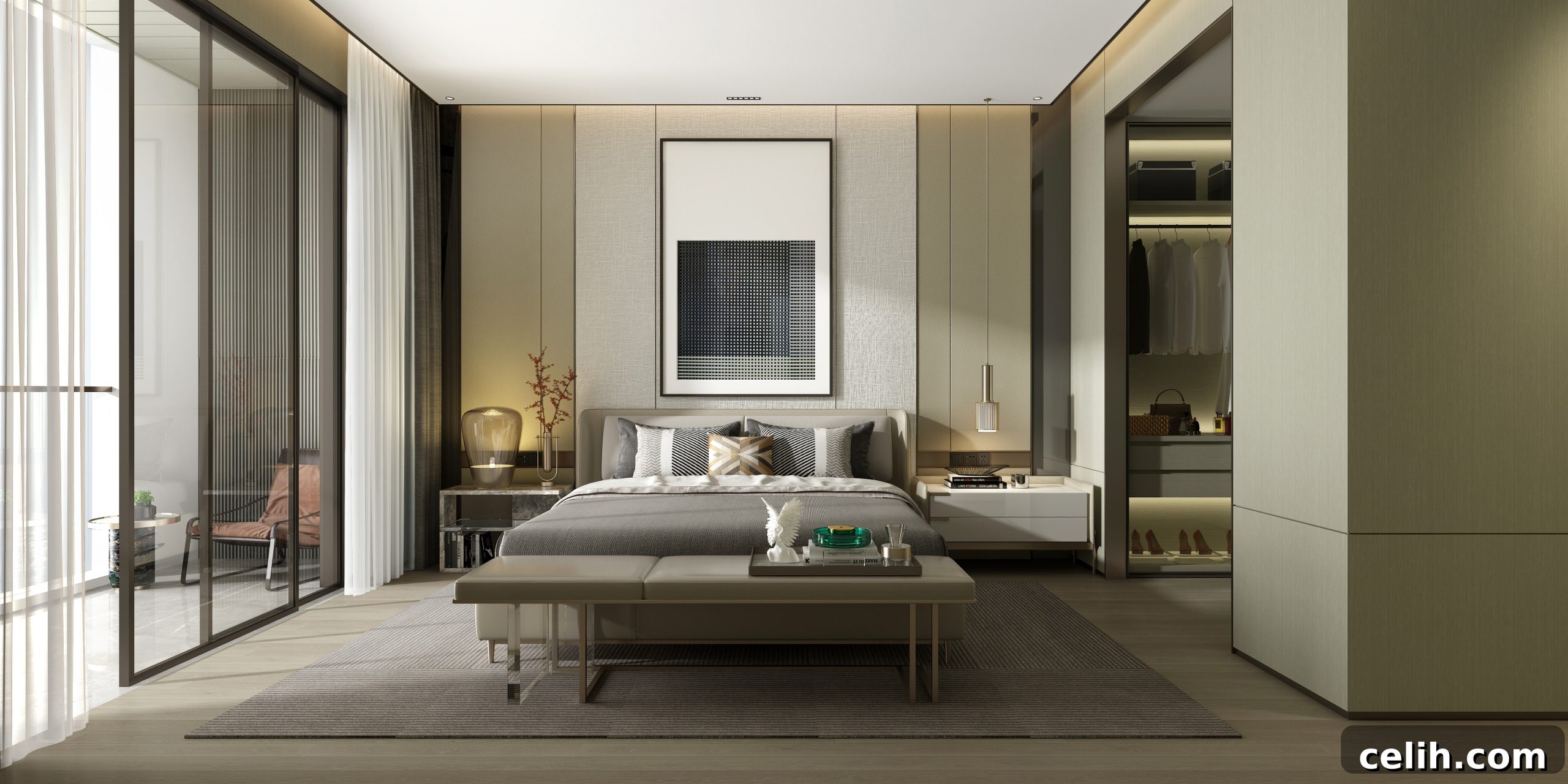
Interior design is a profoundly personal journey, offering a unique canvas for self-expression and the creation of spaces that truly resonate with your soul. The decision to embark on a home transformation, whether it’s a single room refresh or a complete overhaul, often begins with the exciting yet sometimes daunting task of choosing the right interior design firm. With a vast array of talented designers and firms available, finding one that perfectly aligns with your aesthetic, values, and practical needs is paramount. This comprehensive guide is designed to empower you with the knowledge and strategies required to navigate the selection process confidently, ensuring your design journey is as seamless and rewarding as the final stunning result.
Beyond Aesthetics: The Tangible Benefits of Professional Interior Design
While the allure of a beautifully styled home is undeniable, hiring a professional interior design firm offers far more than just aesthetic appeal. A seasoned interior designer brings a wealth of expertise, creativity, and industry knowledge that can save you time, money, and stress in the long run. They possess a keen understanding of space planning, color theory, lighting design, and material selection, ensuring every element harmonizes to create a cohesive and functional environment. Furthermore, designers often have access to exclusive trade resources, discounts, and skilled contractors, which can be invaluable for sourcing unique pieces and executing complex installations. Their ability to foresee potential challenges and provide innovative solutions can prevent costly mistakes, ultimately delivering a result that not only looks exceptional but also enhances your quality of life.
Embarking on Your Design Journey: Navigating the Landscape of Interior Design Firms
The initial phase of your search involves exploring the diverse world of interior design firms. The good news is that there are numerous avenues to discover potential partners, each offering unique insights into a firm’s capabilities and style. Starting broad and then narrowing your focus based on your specific criteria will help you identify the best fit for your project.
Online Directories and Portfolios: Your Digital Starting Point
In today’s digital age, online directories and professional platforms are an excellent resource for discovering interior design firms. Websites like Houzz, Dwell, and the American Society of Interior Designers (ASID) directory allow you to browse designers by location, specialization, and design style. These platforms typically feature extensive portfolios, client testimonials, and detailed firm profiles, offering a visual glimpse into their past projects. Take your time to explore these online showcases, paying close attention to projects that resonate with your personal taste. This initial browsing helps you develop a shortlist of firms whose work genuinely captivates you, providing a solid foundation for further research.
The Power of Personal Recommendations
Word-of-mouth recommendations remain one of the most reliable methods for finding trusted professionals. Friends, family, or colleagues who have recently undergone a renovation or design project can offer invaluable insights into their experiences. They can share not only the quality of the designer’s work but also their communication style, professionalism, and ability to meet deadlines and budgets. While a recommendation is a great starting point, remember that what works for one person might not be the perfect fit for another. Always consider a recommended firm in the context of your own unique project requirements and personal preferences.
Local vs. Virtual: Expanding Your Horizons
The rise of technology has blurred geographical boundaries, making it possible to work with interior design firms both locally and virtually. Local firms offer the advantage of in-person meetings, site visits, and hands-on project management, which can be beneficial for complex renovations. Virtual design services, on the other hand, provide flexibility, often a more accessible price point, and the opportunity to collaborate with designers from anywhere in the world, expanding your selection pool significantly. Whether you’re redesigning a single room or your entire house, consider the scope of your project and your comfort level with remote collaboration when deciding between a local or virtual design partner.
Crafting Your Vision: Aligning Personal Style with Professional Expertise
One of the most critical factors in selecting an interior design firm is ensuring their aesthetic aligns with your personal style. Interior designers, much like artists, often have a signature style or a particular design philosophy that influences their work. Understanding your own preferences and how they intersect with a firm’s portfolio is key to a successful collaboration.
Unearthing Your Unique Aesthetic
Before you even begin interviewing firms, it’s highly beneficial to spend some time defining your personal style. Create a mood board, either physical or digital, compiling images of interiors, furniture, color palettes, and textures that appeal to you. Websites like Pinterest and Instagram are fantastic tools for this. Consider the emotions you want your space to evoke: Do you prefer a serene, minimalist sanctuary, a vibrant, eclectic hub, or a classic, timeless abode? Clearly articulating your aesthetic will serve as an invaluable guide in your search and help you communicate your vision effectively to potential designers.
Exploring Firm Portfolios and Signature Styles
Once you have a clearer understanding of your own style, dive deep into the portfolios of your shortlisted interior design firms. Look for consistency in their work and try to identify their signature style. Do they lean towards modern, traditional, transitional, or perhaps a more eclectic approach? A good sign that a firm is a strong contender is if you can easily envision yourself living comfortably and happily in the spaces they have previously designed. While a firm’s signature style is important, also look for versatility. A truly skilled designer should be able to adapt their expertise to your unique vision, rather than imposing their own preferences entirely.

Defining the Scope of Your Project
Beyond style, it’s crucial to define the scope of your project. Are you looking to refresh a single room, undertake a complete home renovation, or build a new house from the ground up? Some firms specialize in particular project types or scales. Ensure the firm you choose has proven experience with projects similar in size and complexity to yours. Clearly outlining your project’s scope, desired timeline, and specific needs will help designers determine if they are the right fit and can provide an accurate proposal for their services.
Mastering Your Budget: Smart Financial Planning for Interior Design Services
Financial planning is an integral part of any design project. Establishing a clear budget from the outset is not only practical but also crucial for finding an interior design firm that operates within your financial parameters. Openly discussing your budget with potential designers will help them tailor their services and recommendations accordingly, avoiding unnecessary expenses and ensuring a smooth financial journey.
Understanding Pricing Structures: Hourly, Fixed, and Percentage-Based Fees
Interior design firms typically employ several different pricing structures, and understanding these models is vital for making an informed decision. Some designers charge an hourly rate, which is often suitable for smaller projects or consultations. Others might offer a fixed fee for a defined scope of work, providing more predictability for larger projects. A common model, especially for full-service design, is a percentage-based fee calculated on the total project cost (including furniture, fixtures, and contractor services). Be sure to inquire about how each firm structures its fees and what is included in their charges. Ask about additional costs, such as travel, procurement fees, or administrative charges, to avoid any surprises.
Transparency and Avoiding Hidden Costs
When discussing budget, seek absolute transparency from the interior design firm. A reputable firm will be upfront about all potential costs, including their design fees, procurement costs, contractor expenses, and any other project-related expenditures. Request a detailed proposal that outlines all services and their associated costs. It’s also wise to inquire about a contingency fund, typically 10-15% of the total budget, to cover unforeseen expenses that can arise during any renovation or design project. This proactive approach to financial planning ensures you have a comprehensive understanding of the investment required and helps prevent unexpected financial burdens.
The Value of Investment: Seeing Beyond the Initial Price Tag
While budget is a significant factor, it’s important to view interior design services as an investment rather than an expense. A well-designed home can enhance your daily living, increase property value, and create a truly personalized sanctuary. The expertise of a professional designer can prevent costly mistakes, streamline the entire process, and deliver a result that you might not achieve on your own. When comparing proposals, don’t just look at the bottom line; consider the value, experience, and comprehensive services each firm offers in relation to your investment. Sometimes, paying a bit more upfront for a highly experienced firm can lead to greater satisfaction and cost savings in the long run.
The Interview Process: Your Blueprint for Selecting the Right Interior Designer
Once you’ve shortlisted a few interior design firms, the next crucial step is to engage in an interview process. This is your opportunity to go beyond portfolios and budget discussions, delving into their working style, communication approach, and overall suitability for your project. Think of it as finding a trusted partner for your home transformation.
Preparing for Consultations: Questions to Ask
Meeting with an interior designer for an initial consultation allows you to gauge their personality and ask pertinent questions. Prepare a list of questions that cover their experience, design process, project management capabilities, and client references. Ask about their typical project timelines, how they handle unexpected challenges, and their approach to client feedback. Inquire about their experience with similar projects and how they ensure projects stay on budget. These discussions are not just about gathering information; they’re also about assessing how well you connect with the designer on a personal and professional level. Take detailed notes during each meeting, recording your impressions, the answers provided, and any feelings of comfort or discomfort you experience.
Assessing Compatibility and Communication Style
Picking an interior design firm is ultimately about finding one that will work harmoniously with you – your personality, your lifestyle, and your needs. A great interior designer acts as a guide and a collaborator, listening intently to your ideas, interests, and desires while offering expert suggestions and creative solutions. During your interviews, pay close attention to their communication style. Do they listen more than they speak? Do they explain complex design concepts in an understandable way? Are they receptive to your initial thoughts and feedback? A truly effective partnership is built on mutual respect and an open, honest exchange of ideas. If you feel heard and understood, it’s a positive indicator.
What to Look for (and what to avoid)
Beyond asking questions, observe the subtle cues during your consultations. Look for enthusiasm, professionalism, and a genuine interest in your project. A good designer will ask you thoughtful questions about your lifestyle, how you use your space, and what you hope to achieve. They should also provide clear examples of how they approach similar projects. Conversely, be wary of designers who seem to push their own agenda too strongly, don’t actively listen, or are vague about their processes and fees. If you meet with an interior designer and don’t feel comfortable openly discussing design choices, expressing concerns, or offering honest feedback, they might not be the best interior design firm for you. Trust your gut feeling; comfort and confidence in your chosen designer are invaluable.
Cultivating Collaboration: The Unspoken Art of the Client-Designer Relationship
A successful interior design project hinges on more than just stunning aesthetics; it requires a robust and collaborative relationship between the client and the designer. This partnership is built on trust, open communication, and a shared commitment to achieving an exceptional outcome.
Trust and Open Dialogue: Building a Foundation
The foundation of any successful design project is trust. You need to trust your designer’s expertise, judgment, and ability to execute your vision. In return, the designer needs to trust that you will be open and honest about your preferences, budget, and any concerns that arise. This mutual trust fosters an environment where open dialogue can flourish. Having a plan ahead of time is certainly beneficial, but both parties should be flexible enough to engage in constructive conversations about design choices, potential changes, and problem-solving. A good designer will guide you through the process, but they will also respect your ultimate decisions, ensuring the final design truly reflects you.
Flexibility and Problem-Solving
No design project is without its unexpected twists and turns. Materials can be backordered, budgets might need slight adjustments, or an unforeseen structural issue could arise. A truly great interior design firm will demonstrate flexibility and a proactive approach to problem-solving. They should be adept at finding creative solutions, offering alternatives, and adapting the plan without compromising the overall design integrity or your budget significantly. Their ability to navigate challenges smoothly and calmly can make a significant difference in the overall stress level of your project, turning potential hurdles into opportunities for innovative solutions.
Workflow Compatibility: Ensuring a Smooth Journey
We all work differently, and there’s no single “right” or “wrong” way to collaborate. What matters most is finding an interior design firm whose workflow and communication style are compatible with yours. Some clients prefer weekly check-ins, others prefer email updates, and some appreciate more hands-on involvement. Discuss how the designer typically manages projects, how they communicate progress, and how they prefer to receive feedback. Ensure their process aligns with your expectations for involvement and communication frequency. This compatibility in workflow is crucial for maintaining a healthy working relationship and ensuring you feel informed and engaged throughout the duration of the project.
Navigating the Design Process: What to Expect from Your Chosen Firm
Understanding the typical phases of an interior design project can help you prepare for what’s ahead and ensure you’re on the same page with your chosen firm. While processes may vary slightly, most projects follow a structured progression from concept to completion.
Initial Consultation and Concept Development
The journey often begins with an initial consultation where the designer gathers information about your lifestyle, preferences, and the project’s scope. Following this, the firm will typically move into concept development, creating mood boards, preliminary layouts, and initial design sketches. This phase is crucial for establishing the overall aesthetic and ensuring the designer’s vision aligns with yours. It’s an iterative process where feedback is exchanged, and the concept is refined until a cohesive design direction is established and approved.
Material Sourcing and Selection
Once the concept is approved, the designer will delve into material sourcing and selection. This involves curating specific furniture pieces, fabrics, finishes, lighting fixtures, and decorative elements that bring the concept to life. They will present you with options, samples, and specifications, helping you make informed decisions about each component. This stage often includes site visits to showrooms or specialized vendors, leveraging the designer’s industry connections to find unique and high-quality items within your budget.
Execution and Project Management
With all selections finalized and approvals in place, the project moves into the execution phase. This is where the design firm shines in project management, coordinating contractors, tradespeople, and vendors to ensure a seamless implementation of the design plan. They oversee installations, manage timelines, troubleshoot issues, and ensure that every detail is executed to the highest standards. Their role is to alleviate your stress by managing the complexities of the project, allowing you to focus on the exciting transformation of your space. Interior design is, after all, all about the small details; each individual decision adds up to creating the bigger picture – the beautiful, functional space you will be living in.
Beyond the Essentials: Deepening Your Search for the Ideal Design Partner
While style, budget, and communication are paramount, several other considerations can significantly impact your satisfaction with an interior design firm. Delving into these aspects will further refine your selection process and help you choose a truly exceptional partner for your home transformation.
Experience and Specialization
Evaluate the firm’s overall experience and any particular specializations they might have. Do they primarily work on residential projects, or do they have commercial experience too? Do they specialize in certain architectural styles, such as historic renovations, modern minimalism, or sustainable design? A firm with specialized experience relevant to your project type or preferred aesthetic can bring invaluable insights and expertise to the table, ensuring a more nuanced and successful outcome. Don’t hesitate to ask for examples of their work in these specific areas.
Reputation and Testimonials
A firm’s reputation speaks volumes about its reliability and quality of work. Beyond the testimonials featured on their website, look for independent reviews on platforms like Google, Yelp, or industry-specific sites. Pay attention to comments regarding their project management, adherence to budget and timelines, and client satisfaction. Reach out to references provided by the firm to get a firsthand account of their experience working with the designer. A strong, consistent positive reputation is a powerful indicator of a firm’s commitment to excellence and client satisfaction.
Contracts and Agreements
Before making a final decision, carefully review the proposed contract or agreement. Ensure it clearly outlines the scope of work, fees, payment schedule, project timeline, responsibilities of both parties, and clauses for changes or unforeseen circumstances. A comprehensive and transparent contract protects both you and the design firm, setting clear expectations for the entire project. Don’t be afraid to ask for clarification on any terms you don’t fully understand before signing.
Your Dream Home Awaits: Making the Final Decision with Confidence
Choosing the perfect interior design firm is a significant decision that requires thoughtful consideration, research, and self-reflection. By focusing on alignment of personal style, establishing a clear budget, thoroughly interviewing potential candidates, and prioritizing strong communication and compatibility, you can confidently select a design partner who will transform your house into the home of your dreams. Remember, the goal is to create a space that not only looks stunning but also functions beautifully and truly reflects who you are. Armed with this comprehensive guide, you are well-equipped to make an informed choice and embark on an exciting journey to a truly personalized and inspiring living environment.
Considering a Design Transformation in the Chicagoland Area?
If you are in the Chicagoland area, Dara Agruss Design provides an initial consultation to learn about you, your aesthetic, priorities, and budget. With a commitment to crafting spaces that embody individual style and comfort, they offer personalized design solutions for a wide range of projects. If you don’t live in the western suburbs of Chicago, don’t worry – Dara Agruss Design also offers virtual design services, making their expertise accessible no matter your location! To learn more and begin your design journey, check out daraagrussdesign.com.