
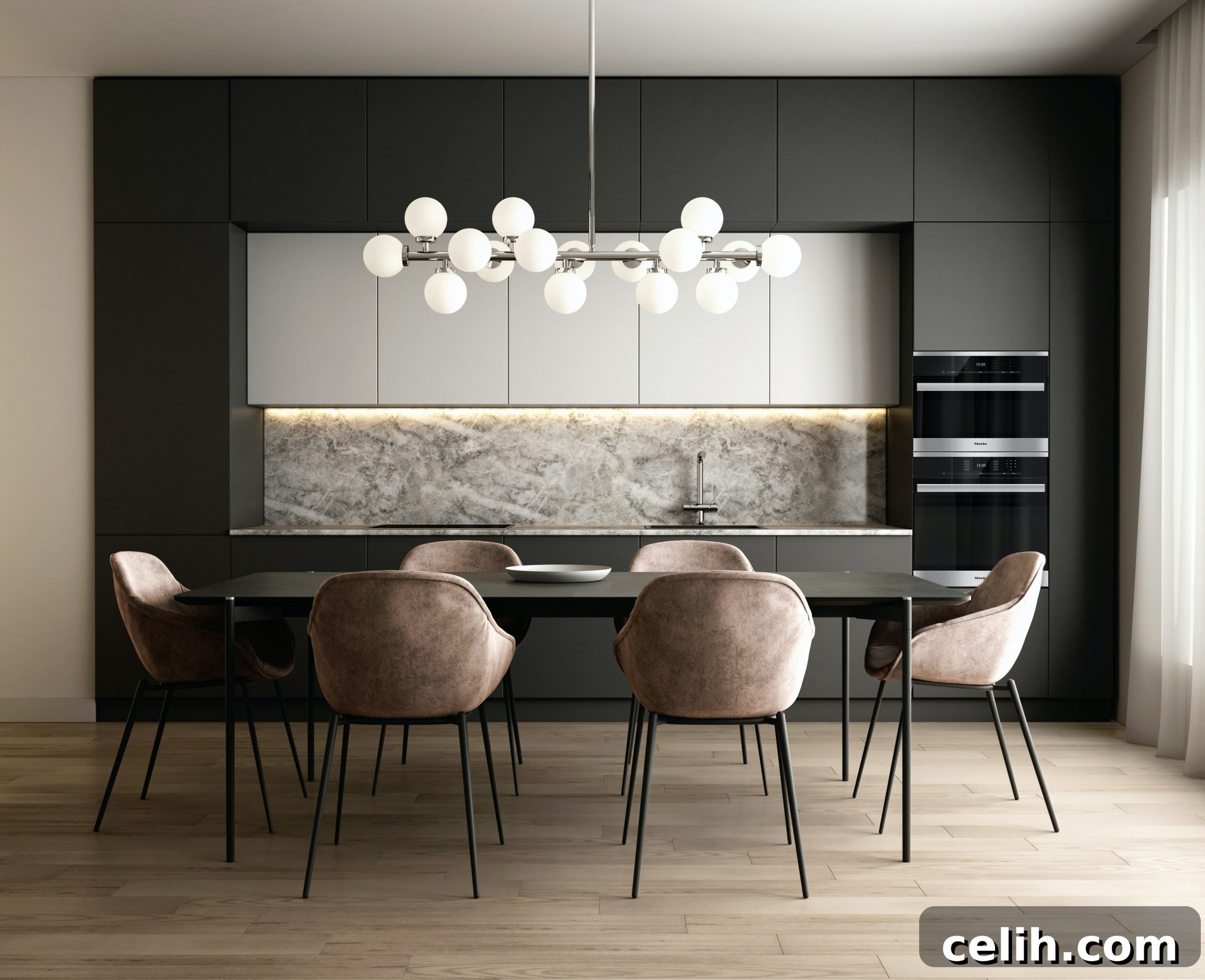
Transforming your living space into a haven of comfort and style is a pursuit many homeowners cherish. Among the myriad ways to enhance your home’s aesthetic and functionality, upgrading with decorative lighting stands out as a powerful, yet often overlooked, design element. Far from merely illuminating a room, strategic lighting can redefine its atmosphere, highlight architectural features, and express your unique personal style, proving that more light doesn’t inherently mean sacrificing warmth for an ultra-contemporary look. It’s about crafting an ambiance that resonates with your life.
If you’re eager to elevate your home’s appeal and create a more inviting, dynamic environment, then diving into the world of decorative lighting is an excellent starting point. Here, we present a comprehensive guide filled with actionable ideas to illuminate your home in ways you never thought possible, turning functional necessities into captivating design statements.
Interior Design: Introducing the Art of Decorative Lighting
Your home is undeniably the epicentre of your world, a sanctuary where you find solace and recharge after the demands of a long day. It’s the backdrop for life’s most cherished moments, from joyous celebrations to quiet reflections, and it’s where both your happiest and most challenging days begin and end. Given its profound significance, it’s only natural to desire a living space that truly reflects your personality, supports your lifestyle, and provides a sense of peace and belonging.
Homeowners often meticulously curate every aspect of their interior design to create their version of a perfect oasis. This might involve carefully selected wallpaper patterns that add character, unique architectural elements that lend grandeur, or bespoke furnishings that exude luxury. Every single element, from the largest sofa to the smallest decorative accent, is chosen with intention and purpose, meticulously aligned with your personal design vision. However, amidst this intricate tapestry of design choices, a crucial element often remains understated or even entirely overlooked: decorative lighting.
Far more than just a functional necessity to dispel darkness, decorative lighting possesses an extraordinary power to profoundly impact the mood, perception, and overall aesthetic of any room. It can serve as the undisputed centrepiece of a grand living room, drawing the eye and sparking conversation, or it can subtly highlight your treasured artwork, bringing out its colours and textures with precision. The way you choose to integrate lighting into your home, whether through bold statements or delicate accents, can dramatically elevate your interior (and exterior) design, transforming ordinary spaces into extraordinary experiences. It’s about using light as a brushstroke to paint the perfect atmosphere, adding depth, warmth, and sophistication to every corner of your personal sanctuary.
Step 1: Master the Art of Layering Your Lighting
A sophisticated decorative lighting plan invariably begins with a thoughtful, layered approach. While you might not consciously realize it, many homes already incorporate some elements of layered lighting. However, understanding and intentionally applying this concept can unlock a new dimension of design versatility and ambiance control. Layered lighting isn’t just about having multiple light sources; it’s about strategically combining different types of light to create depth, enhance functionality, and establish a desired mood within a space.
When discussing layered lighting, it’s typically broken down into three fundamental levels: ambient lighting, task lighting, and accent lighting. Each layer serves a distinct purpose and contributes uniquely to the overall illumination scheme:
- Ambient Lighting: The Foundation of Illumination
Ambient lighting, also known as general lighting, is designed to disburse a uniformed and comfortable level of light throughout an entire space. Its primary role is to provide overall illumination, allowing you to move safely and comfortably without harsh shadows. This foundational layer usually originates from overhead sources such as ceiling-mounted fixtures, recessed lights, track lighting, or elegant chandeliers. In a living room, ambient lighting from recessed cans might offer a soft, general glow, while a grand chandelier in a dining room provides both illumination and a striking visual centrepiece. It’s the baseline brightness that makes a room feel welcoming and functional. - Task Lighting: Illumination with Purpose
Task lighting is localized and specifically engineered to support a particular function or activity. Unlike ambient light, which is general, task lighting is concentrated and bright enough to prevent eye strain during specific activities. Think of an adjustable desk lamp illuminating your workspace, under-cabinet lights brightening your kitchen countertops for meal preparation, or a focused reading lamp beside your favorite armchair. The key to effective task lighting is its directness and appropriate intensity for the job at hand, ensuring clarity and comfort for detailed work. - Accent Lighting: Drawing Attention and Creating Drama
Lastly, accent lighting is omitted with the sole purpose of drawing attention to a specific point of interest, creating visual drama, and adding an artistic touch to your interiors. This type of lighting is often three times brighter than the ambient light around it. It can highlight a cherished piece of artwork, illuminate a decorative architectural feature like a fireplace mantel, accentuate a collection on a bookshelf, or cast dramatic shadows on a textured wall. Common fixtures for accent lighting include spotlights, picture lights, wall-mounted uplights, or track lighting with adjustable heads. Accent lighting transforms a space, making it feel more dynamic, curated, and visually engaging.
When embarking on the journey of upgrading your home with decorative lighting, it is imperative to consciously consider how you are utilizing each layer. By strategically combining ambient, task, and accent lighting, you gain the power to manipulate a room’s atmosphere with precision, guide people’s eyeline to decorative features, and craft an environment that is both highly functional and exquisitely beautiful. This thoughtful integration of layers is the hallmark of truly exceptional interior design, creating spaces that feel complete, inviting, and perfectly tailored to their inhabitants.
Step 2: Elevate Control with Dimmer Switches
Beyond their well-known advantage in energy saving, dimmer switches are an indispensable tool for mastering the mood and ambiance of any room. Their true power lies in their ability to offer unparalleled flexibility, allowing you to instantly adapt the lighting to suit any activity, time of day, or desired atmosphere. Investing in dimmer switches is one of the simplest yet most impactful upgrades you can make to your home’s lighting system, transforming fixed illumination into a dynamic, responsive element.
Consider the diverse range of moments and activities that unfold within a single living room throughout the day and night. You might find yourself immersed in your favourite film, requiring a dim, cinematic glow. Later, you could be hosting a lively games night with friends, where brighter, more energizing light is preferred. During the day, working from home might necessitate focused, well-lit conditions, while playing with the kids demands a bright and cheerful environment. As evening approaches, catching up with friends might call for a cozy, intimate setting, or perhaps a romantic dinner for two requires a soft, subdued illumination. Each of these scenarios, and countless others, demands a distinct atmosphere to truly enhance the experience.
This is precisely where dimmer switches shine. They empower you to seamlessly transition between various lighting levels, providing the perfect backdrop for every occasion. With a simple adjustment, you can shift from an invigorating, focused brightness that keeps you alert and productive to a warm, soft glow that promotes relaxation and comfort. Imagine the luxury of transforming a brightly lit kitchen into a soft, inviting space for a late-night snack, or turning a vibrant family room into a tranquil haven for unwinding. Dimmer switches grant you complete control over your ambient lighting, allowing you to fine-tune the intensity and, consequently, the entire feel of a room. This level of adaptability not only enhances comfort and usability but also significantly contributes to the sophistication and perceived value of your home’s interior design. Furthermore, modern smart dimmers offer even greater convenience, allowing control via apps or voice commands, further integrating lighting into the smart home ecosystem.
Step 3: Harmonize with Light Temperature
The temperature of lighting, often measured in Kelvin (K), is a critical factor that can profoundly alter the mood, perception, and functionality of a room. It’s not just about how bright a light is, but its hue – ranging from warm, yellowish tones to cool, bluish ones. Understanding and strategically applying light temperature is key to creating cohesive and inviting interior spaces.
Generally, for residential settings, particularly in living areas and bedrooms, it is highly recommended to use warmer tones in lighting. These typically fall in the range of 2700K to 3000K, emitting a soft, often slightly yellow-tinted light that closely mimics the glow of traditional incandescent bulbs. This warm light evokes a sense of coziness, relaxation, and intimacy, making a space feel more inviting and comfortable. For instance, installing cold, blue-toned bulbs (e.g., 5000K or higher) in a bedroom can create an almost ‘clinical’ or sterile atmosphere, which is entirely counterproductive to the room’s primary function as a tranquil retreat for rest and rejuvenation. Warm light in these areas helps the body relax and prepare for sleep, contributing to overall well-being.
Conversely, there are specific areas in your home where cooler, brighter light temperatures are more beneficial. If you have a home office, for example, you would likely want to consider filling it with brighter, cooler-toned light, typically in the 3500K to 4500K range. This “neutral white” or “cool white” light is known to enhance alertness, concentration, and productivity, making it easier to focus on tasks and reduce eye strain during prolonged periods of work. Similarly, in kitchens and bathrooms, a slightly cooler temperature (around 3000K-4000K) can be advantageous, as it provides clear, true-to-color illumination, which is essential for tasks like cooking, applying makeup, or shaving. It also creates a perception of cleanliness and spaciousness.
The choice of lighting temperature is also significantly influenced by the amount of natural light a room receives. If your home naturally lacks abundant daylight, you may want to strategically invest in bulbs with a slightly higher Kelvin rating (perhaps 3000K-3500K in living areas) to counteract the dullness and make the space appear brighter and more vibrant without feeling overly sterile. Rooms with ample natural light can often benefit from warmer artificial lighting to provide a harmonious balance as daylight fades. Furthermore, innovative tunable white lighting systems are now available, allowing you to adjust the color temperature dynamically throughout the day, mimicking natural light cycles and providing ultimate flexibility. By carefully selecting and harmonizing light temperatures, you can fine-tune the emotional impact and functional efficiency of every room in your home, creating environments that truly support and enhance your daily life.
Step 4: View Decorative Lighting as Captivating Artwork
While we have explored several subtle yet impactful approaches to upgrading your home with decorative lighting, there are those who possess a discerning palate for extravagance and a desire to make bold design statements. For these homeowners, lighting fixtures transcend mere utility and transform into captivating works of art, becoming the defining elements of a space that command attention and spark conversation. Viewing lighting as a sculptural, artistic component is one of the most effective ways to infuse personality and grandeur into your home.
Embracing this perspective opens up a world of opulent possibilities. Consider the dramatic flair of a multi-tiered chandelier cascading from a high ceiling in a grand foyer or dining room, instantly imparting a sense of luxury and classic elegance. Or perhaps the contemporary allure of a cluster of sleek, long pendant lights hanging over a kitchen island, creating a modern, architectural focal point. Captivating floor lamps, designed with unique bases and shades, can serve as standalone sculptures, adding character to forgotten corners or defining seating areas. Even wall mounts or sconces, when chosen with an artistic eye, can become intricate wall art, casting beautiful patterns of light and shadow that add texture and depth to a room.
These statement fixtures do more than just provide illumination; they are integral to your layered lighting plan, contributing ambient light or highlighting specific zones, but their primary role is aesthetic. They captivate visitors’ attention, serving as visual anchors that draw the eye and infuse the space with a distinct personality. By integrating lighting as a form of artwork, you lend a grand, energetic, and sophisticated impression to your home. The right artistic fixture can even cleverly create the appearance of more space, especially in rooms with high ceilings where a vertical element can draw the eye upwards, enhancing the sense of openness and scale. The beauty of this approach is that achieving a look of luxury and designer sophistication doesn’t necessarily mean you need to break the bank. With thoughtful selection and creative placement, even moderately priced fixtures can achieve extraordinary visual impact, transforming your home into a gallery of light and design.
Conclusion: Illuminating Your Home, Enhancing Your Life
The journey of upgrading your home with decorative lighting offers a vast spectrum of possibilities, ranging from subtle enhancements that refine existing aesthetics to luxuriant statements that completely redefine a space. What becomes undeniably clear through this exploration is that investing in thoughtful lighting extends far beyond improving just one aspect of your interior design. It initiates a profound and holistic shift in the entire atmosphere of your living environment, permeating every corner and influencing every experience.
By meticulously implementing the principles of layered lighting, embracing the versatility of dimmer switches, harmonizing with appropriate light temperatures, and daring to view your lighting fixtures as captivating works of art, you empower your home to adapt to your every need and mood. You will undoubtedly notice a remarkable transformation: evenings will feel infinitely cozier, bathed in soft, inviting glows that encourage relaxation and intimate conversations. Days will become more productive and energizing, thanks to strategically placed task and ambient lighting that promotes focus and vitality. All of these profound shifts in comfort, functionality, and emotional well-being are attainable simply because you made conscious, intelligent tweaks to your lighting plan.
Ultimately, decorative lighting is not just about illuminating spaces; it’s about illuminating lives. It’s about crafting an environment that supports your lifestyle, reflects your taste, and provides a constant source of inspiration and comfort. Embrace these ideas, experiment with light, and watch as your home transforms into the beautifully lit sanctuary you’ve always envisioned.