
The Unparalleled Excellence of German Engineering: From Precision Manufacturing to World-Class Kitchens
Germany’s reputation for engineering prowess is globally recognized and deeply entrenched in the collective consciousness. Synonymous with precision, innovation, and an unwavering commitment to quality, German manufacturing sets a benchmark that few countries can rival. From the iconic luxury automobiles that grace roads worldwide to the complex industrial machinery powering global economies, the “Made in Germany” label signifies a promise of unparalleled performance and enduring reliability. This legacy of excellence extends seamlessly into every facet of production, including the highly competitive realm of home design, where German kitchens have carved out a dominant position, celebrated for their sophisticated aesthetics, intelligent functionality, and impeccable craftsmanship. This article delves into the foundational pillars of Germany’s engineering success and explores how these principles culminate in the creation of some of the world’s finest kitchen solutions.
The Global Benchmark: Germany’s Enduring Engineering Legacy
Germany’s journey to becoming a global engineering powerhouse is a testament to centuries of dedication to meticulous craftsmanship and scientific advancement. The nation’s industrial landscape is populated by giants whose names resonate with innovation and reliability across diverse sectors. Beyond the globally acclaimed automotive industry, featuring titans like BMW, Mercedes-Benz, Audi, and Porsche, German engineering underpins a vast array of critical industries. Companies such as Siemens AG lead in electronics and automation, Bosch excels in automotive components and consumer goods, while industrial conglomerates like Krupp and chemical behemoths such as BASF showcase the breadth and depth of German manufacturing capabilities. Whether it’s sophisticated medical technology, high-precision tools, or advanced robotics, German-made products are consistently sought after for their superior quality and groundbreaking innovation. This pervasive culture of engineering excellence has established “Made in Germany” as a symbol of trust and a guarantee of exceptional performance.
The Power of Uniform Standards: Forging Uncompromising Quality
One of the core secrets to Germany’s enduring engineering success lies in its deeply embedded culture of uniform standards and rigorous quality control. Historically, the structured nature of German industries, initially characterized by collaborative frameworks, inadvertently laid the groundwork for a systematic approach to production quality. This collective emphasis ensured that products manufactured across various sectors adhered to stringent, often industry-wide, specifications. As a result, the global marketplace quickly recognized German goods for their premium quality, setting them apart from competitors.
The label “Made in Germany” transcended a simple origin indicator to become a powerful brand in itself, universally evoking perceptions of durability, efficiency, and unwavering trustworthiness. Consumers worldwide, from individual homeowners to multinational corporations, frequently opt for German products, even when locally manufactured alternatives are available, a clear indication of the profound confidence placed in this national brand. Extensive studies and global indexes consistently rank German goods at the pinnacle for their quality and security standards. This commitment to standardization is not merely about meeting basic requirements; it’s about exceeding expectations and delivering a consistently superior product that stands the test of time, reflecting a national ethos of perfectionism in every detail.
Nurturing Talent: Germany’s Exemplary Education and Dual Vocational Training System
The bedrock of Germany’s industrial and engineering triumph is undoubtedly its world-renowned education system, particularly its pioneering approach to vocational training. Recognizing decades ago the indispensable need for industries to access a highly skilled and continuously evolving workforce, Germany meticulously developed and perfected its dual vocational education system (Dual VET). This innovative system is a unique model globally, fostering an intimate synergy between theoretical academic instruction and practical, hands-on professional training.
At its core, Dual VET offers young people comprehensive three-year apprenticeships. These programs are ingeniously structured, typically dedicating 50 percent of the time to classroom-based learning, where students grasp fundamental theories, scientific principles, and industry-specific knowledge. The remaining 50 percent is spent in on-the-job training within actual companies, providing invaluable real-world experience, allowing apprentices to apply theoretical knowledge, develop practical skills, and understand industry best practices directly from experienced professionals. This immersive approach ensures that graduates are not only academically proficient but also immediately job-ready, equipped with the specific competencies required by German industries. The success of this system is evident in its widespread adoption, with a significant majority – approximately 52 percent – of young Germans graduating from Dual VET apprenticeships, making it a cornerstone of the nation’s economic strength and a model envied and increasingly emulated by countries worldwide. This sustainable success, as reports confirm, is deeply interwoven into Germany’s broader legal, historical, and cultural fabric, ensuring its continued efficacy in producing a top-tier workforce.
German Kitchen Manufacturing: Where Precision Meets Lifestyle
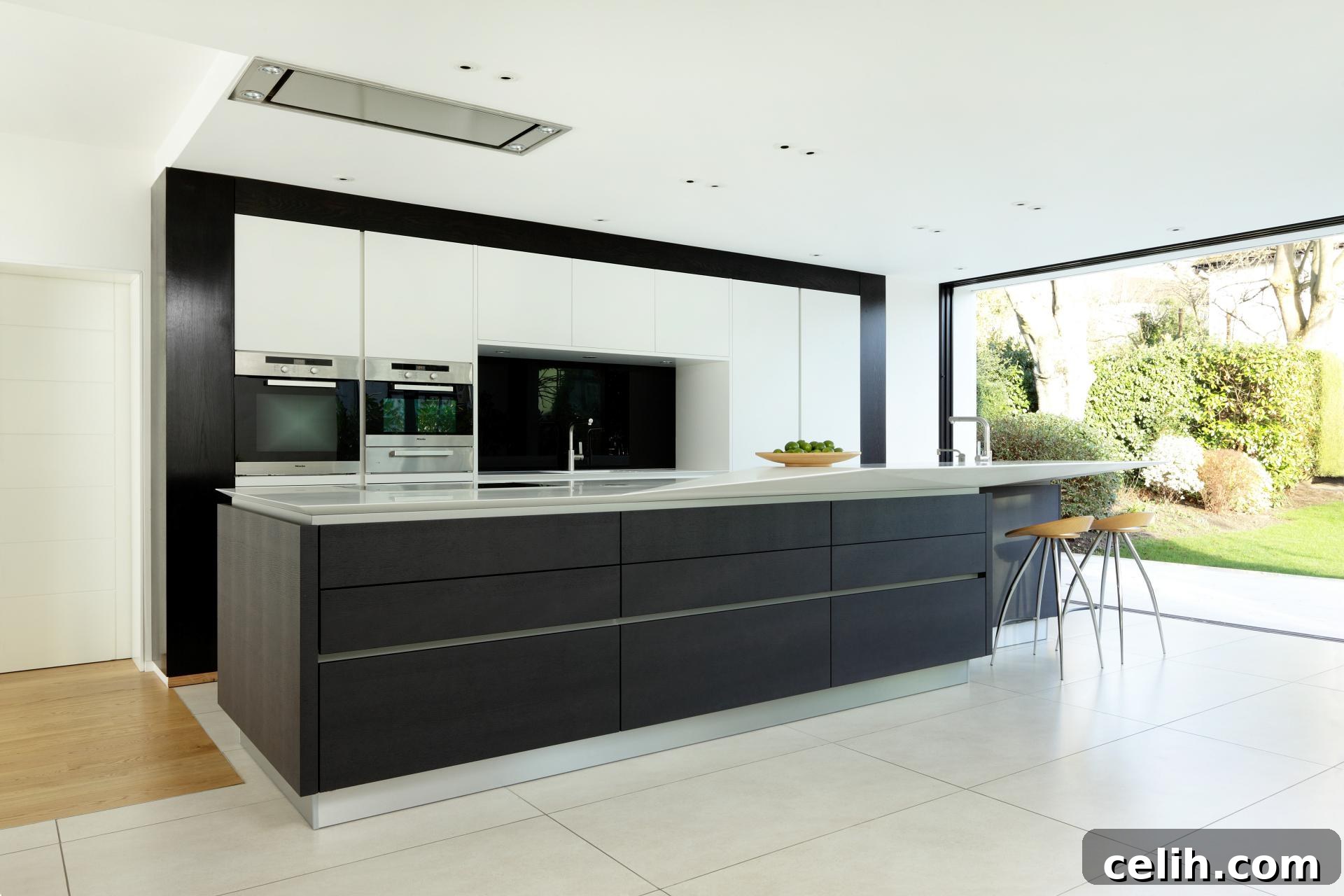
The unparalleled principles of German engineering, characterized by meticulous attention to detail, innovative design, and robust construction, find a perfect and aesthetically pleasing manifestation in the realm of kitchen manufacturing. German kitchens are not merely functional spaces; they are exquisitely engineered environments designed to elevate daily living, seamlessly blending cutting-edge technology with timeless elegance and ergonomic efficiency.
A Fusion of Innovation, Functionality, and Design
German kitchen manufacturers are renowned globally for pushing the boundaries of design and utility. Brands like Neue ALNO, Poggenpohl, Bulthaup, SieMatic, Eggersmann, Schüller, and Warendorf, among others, exemplify this commitment to excellence. These manufacturers consistently invest heavily in research and development, harnessing the nation’s high-tech capabilities – Germany consistently ranks 5th in the top ten most high-tech countries globally – to integrate smart solutions and advanced materials into their products. The result is kitchens that are not only visually stunning with their sleek lines, minimalist aesthetics, and diverse finishes but also incredibly practical and durable.
Functionality in a German kitchen is paramount. Every element, from intelligent storage solutions that maximize space to precisely engineered soft-close mechanisms and integrated smart appliances, is meticulously designed for optimal user experience. Ergonomics play a crucial role, ensuring that layouts are intuitive, access is effortless, and workflows are streamlined, transforming culinary tasks from chores into enjoyable experiences. This commitment to ‘Form Follows Function’ ensures that while the aesthetics are undeniably appealing, the underlying engineering guarantees longevity, efficiency, and ease of use that truly sets them apart. Discover the beauty of German kitchen design here.
The Enduring Appeal of German Kitchens in the Global Market
The appeal of German kitchens extends far beyond national borders. In markets like the UK, for instance, there is a fervent appreciation, with dedicated kitchen designers and showrooms like Halcyon Interiors frequently showcasing and recommending German brands such as Neue ALNO, Eggersmann, and Warendorf. Many companies offering both local and international kitchen options often report higher sales of German kitchens, a testament to their powerful reputation for delivering superior quality and innovative design. Homeowners and interior designers are drawn to the promise of a long-lasting, high-performing kitchen that not only enhances the value of their property but also significantly improves their quality of life. The perceived value and actual durability of these kitchens mean they are seen as a wise, long-term investment rather than a fleeting trend.
Conclusion: Germany’s Blueprint for Enduring Excellence
In conclusion, Germany’s position as a global leader in manufacturing excellence is no accident. It is the direct result of a deeply ingrained cultural commitment to quality, underpinned by a robust system of uniform standards, a world-class vocational education infrastructure, and an unceasing drive for innovation through extensive research and development. These foundational pillars converge to create products that consistently surpass expectations, from high-performance vehicles to sophisticated industrial machinery and, notably, to the heart of the modern home: the German kitchen. By meticulously investing in its people and relentlessly pursuing technological advancement, Germany has cultivated an unparalleled legacy. German kitchens, with their masterful blend of cool design, superior ergonomics, and unmatched functionality, stand as a shining example of this national ethos – proving that when a nation prioritizes expertise, quality, and forward-thinking, the results are nothing short of magical and truly enduring.
(Contributed post)