
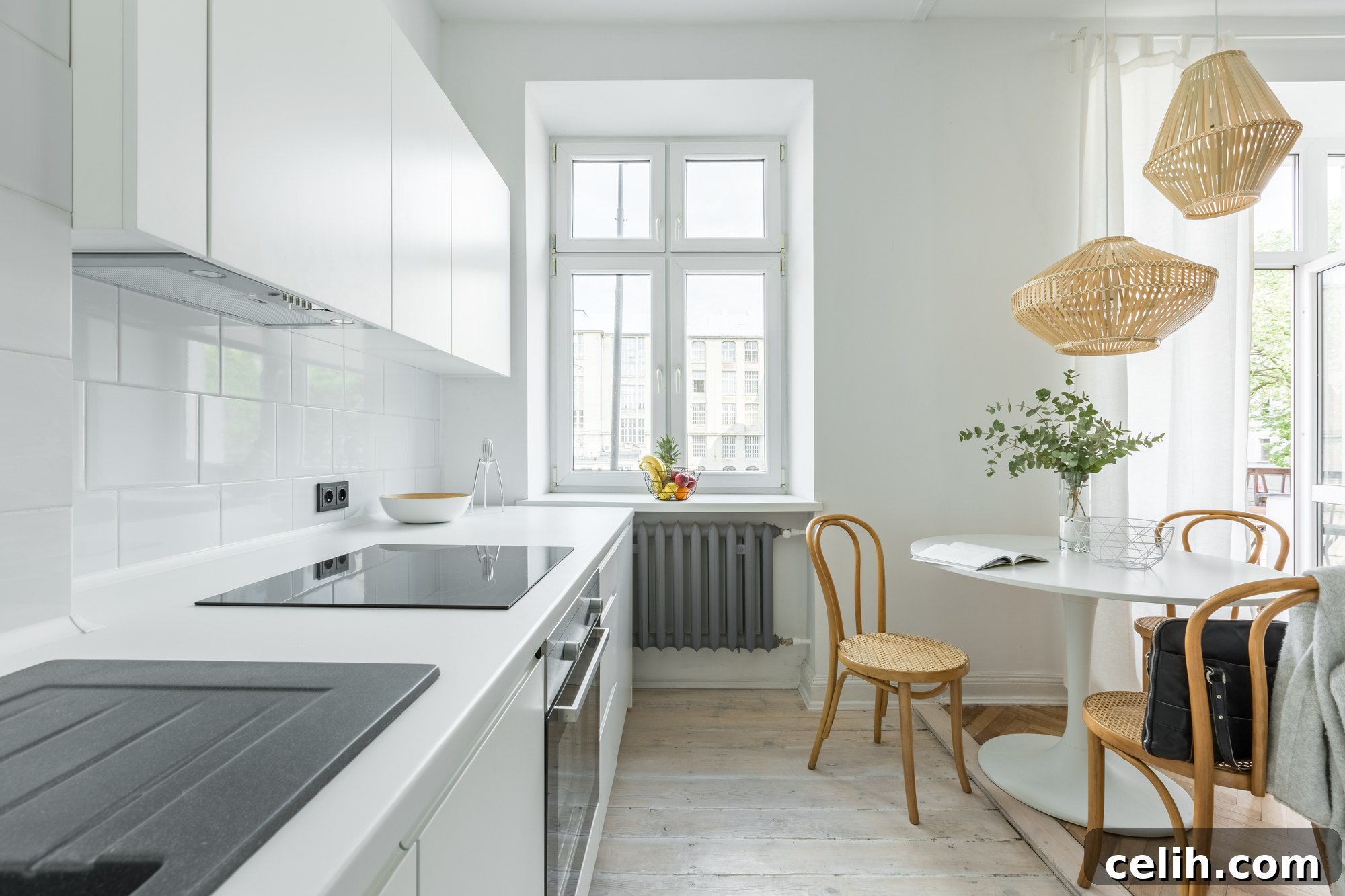
Choosing the right heating system is fundamental to creating a comfortable and energy-efficient home. Among the myriad options available, radiators remain a popular and effective choice for many households. Traditionally, homes have relied on central heating systems powered by boilers, distributing warmth through water-filled radiators. However, with advancements in technology and a growing emphasis on energy efficiency, electric radiators have emerged as a compelling alternative, offering distinct advantages and modern solutions. This comprehensive guide aims to thoroughly compare designer electric radiators with traditional central heating radiators, delving into their efficiency, installation, control capabilities, maintenance requirements, cost implications, aesthetic impact, and environmental considerations. By exploring each facet in detail, you’ll gain the insights needed to make an informed decision that aligns perfectly with your home’s unique heating needs and your personal priorities.
Efficiency and Energy Consumption
Understanding the energy efficiency of a heating system is paramount, as it directly impacts your energy bills and environmental footprint. Both electric and traditional radiators aim to convert energy into heat, but their methods and associated losses differ significantly.
Electric Radiators: Direct Heat, Minimal Waste
Electric radiators are renowned for their highly efficient energy conversion. They operate on a ‘point of use’ principle, converting almost 100% of the electricity they draw directly into heat within the room. Unlike central heating systems that lose heat through pipes and the boiler flue, electric radiators experience virtually no transmission losses. This makes them exceptionally efficient for heating individual rooms or smaller zones that require warmth quickly and precisely. Modern electric radiators often incorporate advanced features such as ceramic or oil-filled cores, which provide excellent thermal retention, radiating heat even after the power is off. This high conversion rate, coupled with intelligent controls, positions electric radiators as an excellent choice for targeted heating, allowing homeowners to heat only the spaces they are using, thereby minimizing wasted energy.
Traditional Radiators: System-Wide Efficiency Factors
The efficiency of traditional radiators is intricately linked to the overall central heating system. While the radiators themselves are effective at emitting heat, the efficiency of the entire system depends heavily on the boiler’s performance, the quality of pipe insulation, and the home’s overall thermal envelope. Older boilers, particularly non-condensing models, can have significant heat losses through their flue, meaning a substantial portion of the fuel’s energy is expelled as waste. Even with modern condensing boilers, which are far more efficient, some heat loss occurs as hot water travels through the pipework from the boiler to each radiator. Factors like poor insulation, air trapped in the system (requiring bleeding), or sludge buildup in pipes and radiators can further diminish efficiency. Consequently, while individual traditional radiators can deliver warmth effectively, the system-wide energy consumption can be higher if the boiler or distribution network is not optimized.
Installation Simplicity vs. Complexity
The installation process is a critical consideration for any heating upgrade or new build, influencing both cost and disruption to your home.
Electric Radiators: Plug-and-Play Convenience
One of the most compelling advantages of electric radiators is their remarkable ease of installation. They do not require a complex network of pipes, a boiler, or an elaborate flue system. For most models, installation involves simply mounting the radiator to a wall (or using it freestanding) and plugging it into a standard electrical outlet. For higher wattage units, a dedicated electrical circuit might be recommended, but this is still a far simpler task than extensive plumbing. This ‘plug-and-play’ nature means installation is typically quick, clean, and requires minimal professional intervention, often making it a feasible DIY project for the average homeowner. The lack of disruptive pipework means no need to lift floorboards, chase walls, or endure prolonged periods of construction, significantly reducing labor costs and inconvenience.
Traditional Radiators: Extensive Plumbing and Disruption
Conversely, installing traditional radiators, especially in a home without an existing central heating system, is a much more involved and extensive undertaking. It necessitates connecting each radiator to a boiler via a network of pipes, which must be routed throughout the property – often under floors, through walls, and into lofts. This process requires skilled plumbers and can be highly disruptive, involving significant demolition, dust, and noise. Furthermore, a boiler needs to be installed, requiring gas lines, water connections, and a flue for exhaust gases, along with an expansion tank and associated controls. For older properties, retrofitting a central heating system can be incredibly costly and time-consuming, requiring structural modifications and potentially multiple tradespeople. Even for adding or replacing individual radiators within an existing system, the need to drain and refill the system can still be inconvenient.
Control, Zoning, and Smart Home Integration
The ability to precisely control your heating is key to both comfort and energy savings.
Electric Radiators: Granular Room-by-Room Management
Electric radiators excel in offering highly precise and individual control over heating. Most modern units come equipped with integrated programmable thermostats and timers, allowing users to set specific temperatures and operating schedules for each radiator independently. This enables true room-by-room zoning, meaning you can heat a living room in the evening, a bedroom at night, and keep unused rooms cooler, thereby eliminating wasted energy. Many advanced electric radiators also integrate with smart home systems, offering features like remote control via smartphone apps, geofencing (heating activates as you approach home), open-window detection (automatically switching off if a window is open), and adaptive start functions that learn the optimal time to begin heating a room. This granular level of control provides unparalleled flexibility and significant potential for optimizing energy consumption by only heating spaces when and where necessary.
Traditional Radiators: Centralized Control with Limitations
Traditional central heating systems typically operate from a single, central thermostat that dictates the temperature for the entire home. While individual radiators can be fitted with Thermostatic Radiator Valves (TRVs) to allow some localized temperature adjustment, they don’t offer true independent control. A TRV can turn off a radiator when its set temperature is reached, but it still relies on the central boiler being active to supply hot water. If the main thermostat is satisfied, the boiler may switch off, regardless of whether a particular room with a TRV still needs heat. Achieving genuine multi-zone control with a traditional system often requires complex and costly installations involving multiple thermostats, motorized valves, and dedicated wiring, which can be difficult and expensive to retrofit into existing homes. This centralized approach often means heating areas that don’t necessarily need it, leading to less efficient energy use compared to electric radiator systems.
Maintenance and Longevity
The long-term cost of a heating system isn’t just about energy bills; it also includes maintenance requirements and potential repair expenses.
Electric Radiators: Low Maintenance, High Reliability
Electric radiators are celebrated for their remarkably low maintenance profile. Lacking internal pipes, boilers, pumps, or intricate water circuits, they are immune to common central heating issues such as leaks, rust, corrosion, sludge buildup, or boiler breakdowns. There’s no annual boiler service requirement, no need to bleed radiators, and no risk of frozen pipes. Maintenance typically involves simple tasks like periodically wiping down the radiator surface to remove dust and ensuring electrical connections remain secure. This simplicity translates to fewer call-outs for technicians, reduced long-term costs, and greater peace of mind. Their robust design and lack of moving parts generally contribute to a longer lifespan, offering reliable heating for many years with minimal intervention.
Traditional Radiators: System-Wide Upkeep Demands
Traditional central heating systems, being more complex, are inherently more maintenance-intensive. The core of the system, the boiler, requires annual servicing by a Gas Safe registered engineer (or equivalent in your region) to ensure safe and efficient operation, and often to validate warranty. Neglecting boiler servicing can lead to reduced efficiency, increased breakdown risk, and safety hazards like carbon monoxide leaks. Beyond the boiler, the entire network of pipes and radiators needs attention. This includes bleeding radiators to release trapped air, power flushing to remove sludge and debris that can impede heat flow and damage the boiler, and regularly checking for leaks in pipes, valves, and the radiators themselves. Issues like system pressure drops also require investigation. All these maintenance tasks contribute to the overall running cost and can be disruptive, necessitating professional intervention at regular intervals.
Cost: Upfront Investment vs. Long-Term Running Expenses
Cost is a major determinant in heating system choices, encompassing initial purchase, installation, and ongoing operational expenses.
Electric Radiators: Higher Unit Cost, Lower Installation, Flexible Running Costs
The upfront cost of purchasing individual electric radiators can sometimes be higher per unit compared to basic traditional radiators, especially for designer models with advanced features. However, this initial investment is often offset by significantly lower, or even negligible, installation costs. As mentioned, many electric radiators simply plug into an existing socket, eliminating expensive plumbing and labor. Running costs are directly tied to electricity tariffs, which can fluctuate. While electricity is generally more expensive per unit of energy than gas, the superior control and zoned heating capabilities of electric radiators can lead to substantial savings. By only heating the rooms you use, precisely when you need them, you can avoid heating unoccupied spaces, potentially leading to lower overall energy consumption and reduced bills in the long run. The absence of annual servicing costs further contributes to their economic viability.
Traditional Radiators: Lower Unit Cost, Significant Installation, Variable Running Costs
Traditional radiators themselves often have a lower individual purchase price than their electric counterparts. However, this advantage is dramatically overshadowed by the substantial installation costs associated with a full central heating system. The expense of purchasing and installing a boiler, running extensive pipework, connecting to gas lines, and hiring skilled professionals represents a significant upfront investment, particularly for homes without an existing system. Operational costs for traditional radiators depend on the fuel source (primarily natural gas, but also LPG or oil) and the boiler’s efficiency. While gas is typically cheaper per unit of energy than electricity, the system-wide heat losses and the inability to zone as finely can lead to higher overall consumption. Furthermore, the ongoing costs of annual boiler servicing, potential repairs, and eventual boiler replacement (a major expense every 10-15 years) add to the long-term financial commitment.
Aesthetics, Design, and Space Utilization
Beyond functionality, how a heating system looks and integrates into your home’s interior design is increasingly important for homeowners.
Electric Radiators: Modern Designs, Flexible Placement
Electric radiators have evolved significantly in design, moving far beyond simple panel heaters. Today, designer electric radiators are available in an extensive array of styles, finishes, colors, and materials, from sleek, minimalist panels to stylish vertical designs and even glass or mirror-fronted units. They are considered an aesthetic asset that can enhance a home’s interior, seamlessly blending with contemporary decor or becoming a focal point. Their self-contained nature means there’s no visible pipework or external boiler to accommodate, offering immense flexibility in placement. This allows for optimal room layout and design freedom, as you’re not restricted by plumbing lines or the need to conceal bulky components. Space-efficient wall-mounted options further maximize usable floor space, making them ideal for modern living.
Traditional Radiators: Classic Form, Evolving Options
Traditional horizontal radiators, while functional, have a classic aesthetic that may not always align with contemporary design preferences for all homeowners. The need for pipework and a boiler can also dictate their placement, potentially limiting interior design options and taking up valuable wall or floor space. However, the market for traditional radiators has also expanded considerably. Modern traditional radiators include stylish vertical models, elegant column radiators, and designer towel rails that offer much-improved aesthetics and more efficient use of wall space. These newer designs help overcome some of the traditional space constraints and can be integrated into various interior schemes. Despite these advancements, the underlying infrastructure of pipes and the boiler itself still need to be considered in terms of space and visual impact.
Environmental Impact and Sustainability
As environmental concerns grow, the carbon footprint of home heating is a significant factor in decision-making.
Electric Radiators: Towards a Greener Future
Electric radiators produce zero direct emissions at the point of use, making them a clean heating solution within the home. Their environmental impact is primarily determined by how the electricity they consume is generated. As national grids increasingly transition towards renewable energy sources (wind, solar, hydro), electric heating becomes progressively greener. This makes electric radiators a future-proof choice for homeowners committed to reducing their carbon footprint, especially when coupled with green energy tariffs or rooftop solar installations. Their precise control and zoned heating also mean less energy waste overall, contributing to a more sustainable heating approach.
Traditional Radiators: Fossil Fuel Dependency
The vast majority of traditional central heating systems in homes rely on burning fossil fuels, predominantly natural gas, but also oil or LPG. The combustion of these fuels releases carbon dioxide and other greenhouse gases into the atmosphere, contributing to climate change. While modern condensing boilers are highly efficient, they still produce emissions. The industry is exploring cleaner alternatives, such as hydrogen-ready boilers or hybrid systems incorporating heat pumps, but for now, traditional gas-fired systems remain carbon-intensive. The environmental impact is therefore a critical consideration for those prioritizing ecological responsibility.
Safety Considerations
Safety is paramount when operating any heating system in the home.
Electric Radiators: Simple and Secure
Electric radiators are generally considered very safe. They do not involve combustion, eliminating the risk of carbon monoxide poisoning, which is a concern with fossil fuel burning appliances. Modern electric radiators are built with advanced safety features, including overheat protection, automatic shut-off functions, and child lock settings. As long as they are installed correctly and maintained according to basic guidelines (e.g., keeping them free of obstructions), they pose minimal risk.
Traditional Radiators: Comprehensive Safety Checks Needed
Traditional central heating systems, particularly those powered by gas, require careful attention to safety. The boiler, being a combustion appliance, carries the risk of carbon monoxide leaks if faulty or poorly maintained. Annual servicing by a qualified professional is crucial to ensure the boiler and flue are operating safely. Gas leaks, although rare, are also a potential hazard. Furthermore, the hot surfaces of traditional radiators can pose a scalding risk, especially for young children or vulnerable individuals, necessitating careful placement or the use of radiator covers.
Final Thoughts: Making the Right Heating Choice
The decision between designer electric radiators and traditional central heating radiators is a significant one, with no single “best” answer. The optimal choice is deeply personal, depending on a confluence of factors including your existing home infrastructure, budget constraints, energy efficiency goals, lifestyle, and aesthetic preferences.
Electric radiators stand out for their exceptional energy efficiency at the point of use, straightforward installation, precise room-by-room control, and minimal maintenance demands. They are particularly well-suited for smaller homes, apartments, extensions, or properties without an existing gas supply or central heating system. Their modern designs also make them a strong contender for homeowners prioritizing contemporary aesthetics and flexible space utilization. For those looking for supplemental heating, smart control, or a cleaner, future-proof heating solution, electric radiators offer compelling advantages.
Conversely, traditional radiators, while potentially having lower individual unit costs, entail a larger upfront investment in terms of complex installation and ongoing maintenance. They are generally better suited for larger homes that already possess an established and efficient central heating system. If your home has a well-maintained, high-efficiency boiler and you are comfortable with system-wide heating, traditional radiators can provide reliable warmth. However, the less granular control and reliance on fossil fuels are important considerations in today’s energy-conscious world.
Before making your final decision, take the time to evaluate your specific circumstances. Consider your long-term energy costs versus initial outlay, the extent of installation work you’re willing to undertake, your desire for smart heating controls, and your commitment to environmental sustainability. Consulting with a heating professional can also provide tailored advice based on your home’s unique characteristics. Ultimately, both electric and traditional radiators can effectively warm your home; the key is to choose the system that best aligns with your needs for comfort, efficiency, and peace of mind.