
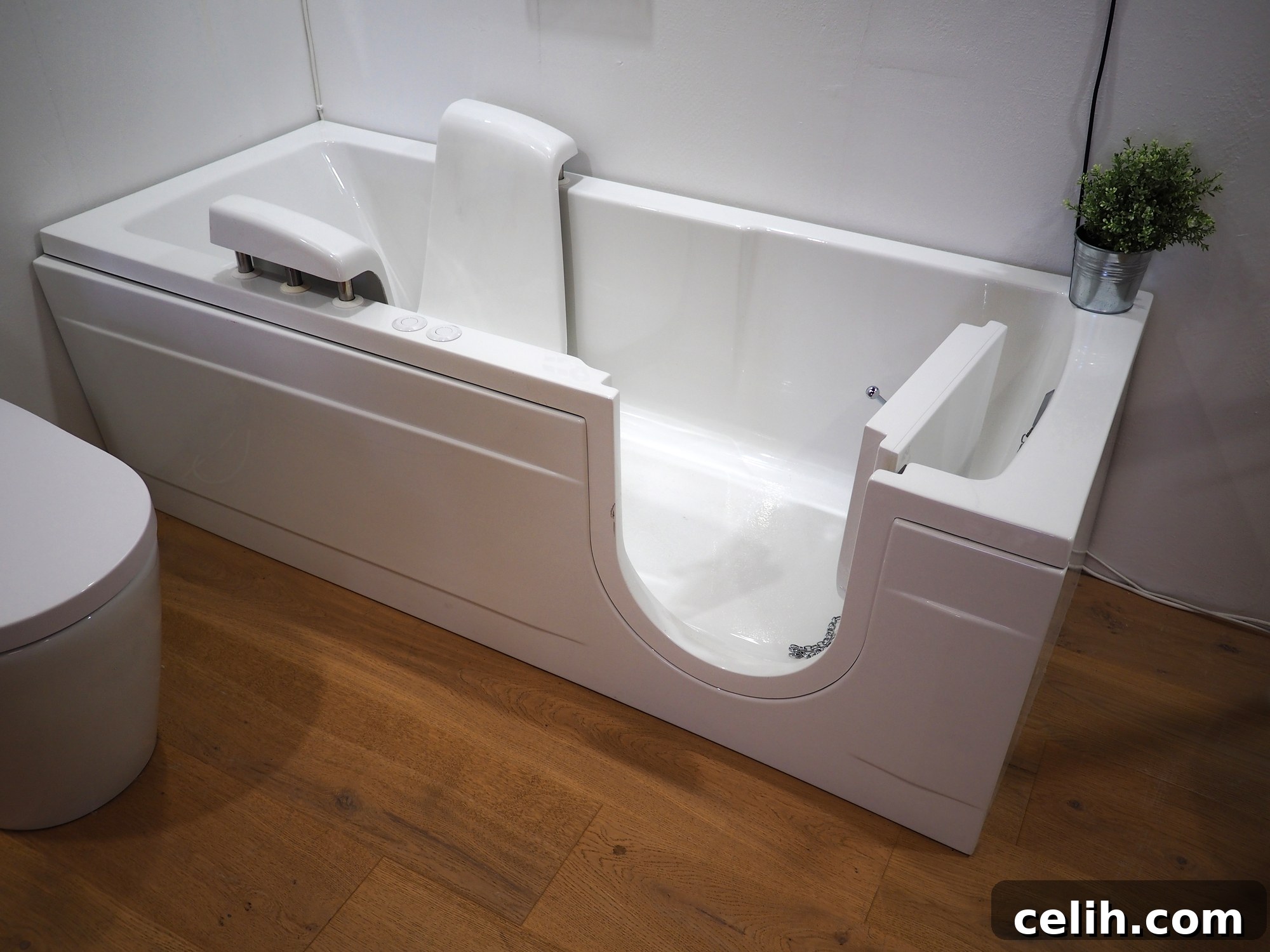
Creating a bathroom that seamlessly blends accessibility with modern style is a growing priority for homeowners who value both practicality and visual appeal. A truly exceptional bathroom should serve as a sanctuary of comfort, safety, and tranquility for everyone, regardless of their mobility level. The art lies in crafting a space that caters to diverse needs without compromising on sophisticated design. This comprehensive guide delves into achieving this delicate balance, transforming your bathroom into an environment that is not only highly functional and user-friendly but also exquisitely elegant and contemporary.
Understanding Universal Design and Accessibility in Bathroom Spaces
Accessible bathroom design, often referred to as universal design, ensures that the space is effortlessly usable by individuals of all ages and abilities. This philosophy goes beyond merely accommodating specific needs; it enhances the experience for every user, making the bathroom more intuitive, safer, and ultimately, more luxurious. Key features of an accessible bathroom often include elements such as zero-threshold or low-threshold showers, wider doorways, grab bars strategically placed, and accessible fixtures, all contributing to improved safety and convenience.
The misconception that accessible bathrooms must sacrifice style for functionality is outdated. Modern accessible designs embrace sleek lines, high-quality materials, and innovative solutions that seamlessly integrate safety features into a visually stunning environment. For instance, a luxurious walk-in bath or shower not only provides unparalleled ease of access for those with mobility challenges but can also become a sophisticated focal point in a contemporary bathroom. These installations blend high-end finishes with ergonomic design, elevating the entire aesthetic.
Furthermore, thoughtful selections like lever-style handles for faucets and doors, or even touch-free faucets, eliminate the need for gripping and twisting, making daily tasks easier for everyone from children to the elderly. These small yet impactful design choices not only enhance the user experience but also contribute to a clean, modern look. Incorporating high-quality, durable fixtures and fittings throughout the space ensures longevity and maintains a premium feel, proving that an accessible bathroom can be both immensely practical and exceptionally attractive.
Beyond the primary fixtures, consider the layout itself. Ensuring ample turning radius for wheelchairs and mobility aids, clear pathways, and easily reachable storage solutions are fundamental. Wall-mounted toilets and vanities create open floor space, enhancing accessibility while also giving the room a more expansive and contemporary feel. This holistic approach to accessible design integrates every element to foster an environment of comfort, safety, and undeniable style.
Integrating Modern Style Elements for a Contemporary Look
A truly stylish bathroom is characterized by its clean lines, sophisticated finishes, and state-of-the-art fixtures. To achieve this desired aesthetic while maintaining paramount accessibility, focus on harmonizing elements such as intelligent lighting, cohesive color schemes, and a commitment to minimalist design principles. Each component should be chosen not only for its visual appeal but also for its contribution to a user-friendly environment.
Exceptional lighting is paramount, as it not only enhances the room’s overall visibility but also significantly improves safety and ambiance. A layered lighting scheme, incorporating ambient, task, and accent lighting, can transform the space. Consider installing dimmable LED lights, which offer superior energy efficiency and the flexibility to adjust the room’s mood with effortless ease. Integrated LED strips under floating vanities or within shower niches can add a luxurious glow, while well-placed task lighting around mirrors ensures clear visibility for grooming.
For the color palette, opt for a neutral base – think soft greys, calming whites, or warm beiges – to establish a serene yet sophisticated foundation. Introduce pops of color through towels, artwork, or carefully selected accessories to add personality and visual interest without overwhelming the space. Materials play a crucial role in modern design; elements like frameless glass for shower enclosures, polished chrome or matte black fixtures, and large-format porcelain tiles contribute to a sleek, contemporary feel. These materials are not only visually appealing but also easy to clean and maintain, ensuring the bathroom remains pristine over time.
Minimalist design principles encourage decluttering and integrated storage solutions, which further enhance accessibility by keeping pathways clear. Wall-mounted shelves, recessed medicine cabinets, and sleek vanity drawers help maintain an uncluttered aesthetic. Ensure all operational components, such as light switches and faucet controls, are easily reachable and adjustable, thoughtfully accommodating users of varying heights and abilities. By meticulously considering both aesthetic appeal and practical functionality, you can curate a bathroom that is as stunning as it is universally accessible. Incorporating natural elements, such as lush plants, bamboo accents, or sustainably sourced wood finishes, can introduce warmth, texture, and a biophilic connection to nature, fostering an even more inviting and tranquil atmosphere.
Harmonizing Functionality with Striking Aesthetics
The synergy between functionality and aesthetics is not an elusive ideal but a tangible reality in contemporary bathroom design, achievable through innovative thinking and creative solutions. Features such as easily adjustable showerheads, often fitted with an AquaBliss shower filter for enhanced water quality, ergonomic lever-style taps, and purposefully chosen non-slip flooring materials can significantly elevate both your bathroom’s visual appeal and its practical usability. These thoughtfully integrated elements not only facilitate ease of use for all but also contribute to the overall aesthetic by introducing sleek, modern touches that speak volumes about sophisticated design.
When embarking on a bathroom renovation or new build, consider the seamless integration of smart technology. This move transforms the bathroom from a purely utilitarian space into a cutting-edge hub of comfort and convenience. Touchless faucets, motion-sensor lighting that illuminates pathways as you enter, and smart mirrors equipped with defoggers and integrated displays are not only incredibly practical but also undeniably stylish. These technologies offer enhanced control, personalization, and a level of hygiene that is increasingly valued, making your space not just accessible but also future-proof and utterly luxurious.
Imagine smart showers with personalized temperature presets, voice-activated controls, or even integrated sound systems, turning a daily routine into a spa-like experience. These advancements add a layer of sophistication and convenience, making bathing rituals more enjoyable and accessible for everyone. Furthermore, well-designed grab bars that double as towel rails or shelving, or integrated into the wall structure with a minimalist profile, demonstrate how safety features can be artfully concealed or enhanced to complement the modern aesthetic.
Space planning is another critical aspect where functionality meets form. Ensuring adequate clear floor space, particularly a 60-inch turning radius for wheelchairs, is crucial for mobility. Floating vanities and wall-mounted toilets not only create an illusion of greater space, making the bathroom feel larger and more open, but also simplify floor cleaning and provide valuable under-fixture clearance for footrests or mobility aids. By placing a strong emphasis on both form and function, you can create a truly versatile, timeless, and effortlessly elegant bathroom that serves all users beautifully.
Practical Considerations for Enhanced Everyday Use and Durability
Beyond the initial design and aesthetic appeal, it is paramount to consider the practicalities of everyday use and long-term maintenance when creating an accessible and stylish bathroom. The choices made for materials and fixtures will profoundly impact the bathroom’s durability, ease of cleaning, and overall user experience for years to come. Opting for high-quality, durable materials that can withstand daily wear and tear without losing their inherent aesthetic appeal is a wise investment.
Non-porous surfaces, such as large-format porcelain tiles, quartz countertops, or solid surface materials, are essential for promoting hygiene and simplifying cleaning. These materials resist moisture absorption, preventing the growth of mold and mildew, and are inherently easier to wipe down. Strategic waterproofing in wet areas, particularly in zero-threshold showers, is critical for longevity and preventing costly water damage. Selecting grout that is resistant to staining and dirt buildup, or minimizing grout lines with rectified tiles, can further ensure your bathroom remains pristine and visually appealing over time.
Thoughtful storage solutions are key to maintaining an organized, clutter-free space that enhances accessibility without disrupting the design flow. Integrated storage, such as recessed shower niches, mirrored cabinets with internal electrical outlets, or vanity cabinets with pull-out shelves and custom dividers, keeps essentials within easy reach while preserving the room’s sleek, minimalist look. Wall-mounted storage units can free up floor space, contributing to a more open feel and improving maneuverability. Open shelving, when curated with decorative items or neatly folded towels, can add character and warmth without sacrificing functionality.
Additionally, consider incorporating adjustable counters or vanities, which can be raised or lowered to comfortably accommodate users of varying heights, including those who may use a wheelchair or scooter. This flexibility maximizes comfort and independence for all. Lever-style handles, soft-close drawers, and easily operable faucets further contribute to a user-friendly environment. Adequate ventilation is also crucial, not only for air quality but also for preventing moisture buildup that can compromise surfaces and foster mold. Stylish yet powerful exhaust fans can be seamlessly integrated into the ceiling design.
By meticulously addressing both accessibility requirements and contemporary style trends, you can transform your bathroom into an inviting, highly functional, and aesthetically pleasing space that meets the diverse needs of all users. This thoughtful and comprehensive approach not only enhances the daily living environment but also significantly adds value to your home, making it a sound and rewarding investment for the present and the future. An accessible and stylish bathroom truly embodies modern living at its best.