
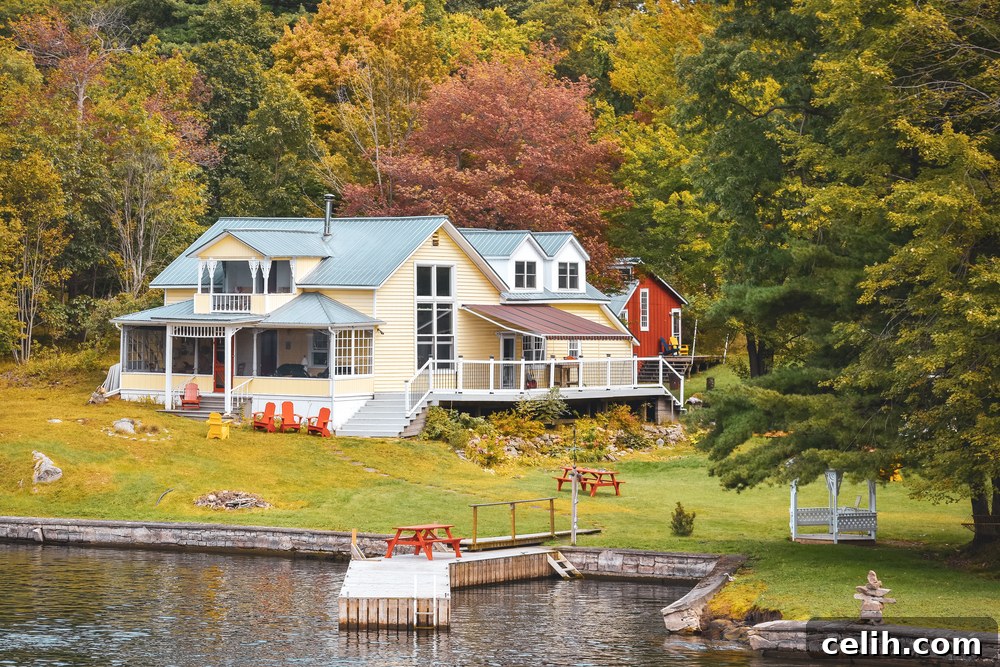
Imagine waking up to the gentle lull of waves, the golden glow of sunrise dancing on the water, and the serene symphony of nature as your daily backdrop. Owning a waterfront home is more than just acquiring property; it’s embracing a lifestyle where tranquility and breathtaking beauty become integral parts of your everyday existence. This unique connection to the aquatic world offers an unparalleled sense of peace and an endless spectacle of ever-changing natural wonders.
However, truly harnessing the magic of waterfront living demands a thoughtful and deliberate approach. It requires a harmonious blend of innovative architectural design, captivating aesthetic appeal, and robust functional prowess. This comprehensive guide will delve into the essential elements and considerations involved in crafting not just a house, but a perfect sanctuary tailored for the extraordinary experience of living by the water. From the initial blueprint to sustainable practices, we’ll explore how to design a home that is both a testament to modern comfort and a respectful extension of its stunning natural environment.
The Foundation of Waterfront Excellence: Design & Floor Plan
The journey to maximize the inherent potential of a waterfront home begins long before construction, with the meticulous crafting of its design and floor plan. This critical initial phase transcends mere structural integrity; it’s about envisioning a living space that seamlessly integrates with its stunning surroundings while optimizing comfort, functionality, and aesthetic appeal. A truly exceptional waterfront home is a marvel of architectural brilliance and graceful design, where every aspect of both the interior and exterior is carefully considered to enhance the unique qualities of its waterside location.
Strategic Orientation: Embracing Nature’s Best
A waterfront home’s orientation is a critical dialogue with the natural elements. It dictates how light enters, how views are framed, and how the home interacts with the prevailing climate. The goal is for every significant space within the home to benefit maximally from natural light, expansive scenic views, and harmonious climatic integration. Achieving this balance is paramount for creating a living environment that feels vibrant and connected to its setting.
Thoughtful orientation ensures that primary living areas, master bedrooms, and even specific gathering spots are positioned to capture the most breathtaking vistas—be it a sunrise over the ocean, a sunset painting the lake, or the tranquil flow of a river. Beyond aesthetics, proper orientation contributes significantly to energy efficiency. By strategically placing windows and optimizing natural light penetration, homeowners can reduce reliance on artificial lighting during the day. Furthermore, considering local climate patterns, such as prevailing winds for natural ventilation or sun angles for passive heating and cooling, allows for a more comfortable and sustainable living environment year-round. An intelligently oriented waterfront home offers unparalleled appeal to prospective buyers and renters, promising both visual splendor and practical benefits.
Optimizing Layout for Panoramic Views
Maximizing the visual connection to the water is often the primary driver for a waterfront home’s layout. This involves more than just large windows; it requires a floor plan that intentionally guides the eye towards the exterior, creating an immersive experience. Open-concept living areas are particularly effective, allowing unobstructed sightlines from multiple vantage points within the home. Raised foundations or multi-level designs can also play a crucial role, elevating living spaces to capture more expansive and dramatic views.
Consider the placement of key rooms: the kitchen, dining area, and main living room should ideally offer sweeping views, becoming natural gathering points that celebrate the unique surroundings. Bedrooms can also be designed to feature private balconies or large windows, transforming them into tranquil retreats with direct visual access to the water. Thoughtful spatial planning ensures that the home’s interior doesn’t compete with the exterior beauty but rather serves as a sophisticated frame for it.
Seamless Openness and Fluid Flow
A beautifully designed waterfront home thrives on a sense of openness and uninterrupted flow, both internally and between the indoors and outdoors. This creates an inviting atmosphere that encourages interaction with the natural environment.
- Seamless Transitions: The deliberate incorporation of expansive windows, sliding glass doors, and retractable walls isn’t merely a design trend; it’s a strategic choice that effortlessly blurs the lines between interior living spaces and the captivating outdoors. These architectural features facilitate an immersive indoor-outdoor lifestyle, allowing the sounds, sights, and fresh air of the waterfront to permeate the home.
- Spatial Harmony: Adopting a minimalist interior design approach allows the inherent beauty of nature to take center stage, becoming an integral part of the home’s aesthetic. By minimizing clutter and focusing on clean lines and understated furnishings, the breathtaking views and natural light become the primary decorative elements, fostering a serene and uncluttered environment.
- Functional Elegance: An effective waterfront home is designed to cater seamlessly to the eclectic needs and activities associated with waterfront living. This includes practical considerations like durable flooring for wet feet, dedicated entryways or mudrooms for storing water sports equipment, outdoor showers, and easily accessible outdoor kitchens or entertainment areas. Every design choice is made to enhance the lifestyle of those who embrace living by the water.
- Architectural Integrity: Beyond aesthetics, a waterfront home must consider the structural integrity required to withstand unique coastal or lakeside conditions, such as strong winds, potential flooding, or erosion. This involves careful site analysis, robust foundation systems, and the selection of appropriate building materials that ensure both longevity and safety.
Aesthetic Integration: Harmonizing with Nature
A truly successful waterfront home is one where the architecture and interior design are deeply sensitive to the surrounding environment, creating a visual and emotional connection to the water, while simultaneously meeting the demands of modern living. This involves a thoughtful aesthetic integration that ensures the home feels like a natural extension of its picturesque setting, rather than an imposing structure upon it.
Embracing Natural Elements in Design
Incorporating natural elements into the home’s design helps ensure that the structure feels like a harmonious extension of nature, blending seamlessly with the landscape and waterscape.
- Material Selection: Opt for materials that not only resonate with the natural surroundings but are also inherently durable, low-maintenance, and eco-friendly. Think about using reclaimed wood, local stone, concrete, or marine-grade metals that can withstand humidity, salt air, or harsh weather conditions. These materials add texture, authenticity, and a sense of belonging to the environment.
- Color Palette: Choose a color palette that subtly mirrors the serene hues of the water, sky, and natural vegetation. Soft blues, greens, sand tones, and muted grays can create a calming and cohesive interior that extends the outdoor tranquility indoors. These natural tones enhance the expansive feel and allow the vibrant colors of nature outside to truly pop.
- Artistic Integration: Beyond paint and materials, integrate art pieces, textiles, and decorative elements that reflect the natural beauty and unique character of the waterfront location. This could include local artwork, sculptures inspired by marine life, or abstract pieces that capture the movement of water. Such artistic choices enhance the home’s aesthetic harmony with its surroundings, adding a personalized touch that celebrates the local environment.
Creating Captivating Outdoor Living Spaces
The outdoor areas of a waterfront home are just as important as the interior, serving as extensions of the living space and primary vantage points for enjoying the water. When designing these essential outdoor living spaces, keep these tips in mind to maximize their potential:
- Thoughtful Furniture Selection: Incorporate outdoor furniture that is not only comfortable and stylish but also designed to withstand the elements, complementing the natural surroundings. Opt for durable materials like teak, aluminum, or synthetic wicker, and choose fabrics that are fade-resistant and quick-drying. The furniture should invite relaxation and conversation, allowing residents to fully immerse themselves in the outdoor experience.
- Expert Landscape Artistry: Blend beautifully landscaped gardens and natural vegetation to enhance the serene, natural ambiance of your property. Focus on native, drought-tolerant plants that require minimal irrigation and maintenance, and that contribute to the local ecosystem. Strategic landscaping can also provide privacy, wind protection, and erosion control, all while visually integrating the home with its shoreline.
- Functional Aesthetics: Create diverse outdoor spaces tailored for various activities: expansive decks for sunbathing and alfresco dining, shaded patios for intimate gatherings, fire pits for evening conversations, and perhaps even a private dock or pier for direct water access. Each space should be designed with both beauty and purpose, offering opportunities for relaxation, entertainment, and quiet reflection by the water’s edge. An outdoor kitchen or bar area can further elevate the entertainment capabilities.
Interior Decor: Echoes of the Waterfront
The interior decor of a waterfront home should serve as a continuous narrative, echoing the beauty and tranquility found just beyond its walls. Light and airy fabrics, natural textures like linen and cotton, and materials such as rattan or wicker can bring an organic, coastal feel indoors. Decorate with elements that evoke the water—seashells, driftwood, or glass pieces—but maintain a curated approach to avoid clutter. The goal is to create spaces that feel calm, sophisticated, and deeply connected to their unique location, allowing the stunning views to remain the focal point.
Sustainable Living by the Water: Preserving Pristine Environments
Sustainability in waterfront homes is not merely a trend; it is an imperative. Living so close to sensitive aquatic ecosystems demands a profound commitment to eco-friendly practices, ensuring that the allure of the water is preserved for generations to come. A sustainable approach guarantees that the home’s environmental footprint is a gentle whisper in the sands of time, protecting both the immediate surroundings and the broader ecological balance. Integrating green technologies and sustainable design principles from the outset ensures that the home not only minimizes its impact but actively contributes to the health of its natural environment.
Maximizing Energy Efficiency
Reducing energy consumption is a cornerstone of sustainable waterfront living. Designing for maximum efficiency not only lowers utility bills but also significantly decreases the home’s carbon footprint.
- Advanced Insulation Technologies: Incorporate state-of-the-art insulation materials and techniques to ensure optimal temperature regulation throughout the year. High-performance wall, roof, and floor insulation, along with advanced sealing methods, minimize heat loss in colder months and heat gain in warmer seasons, reducing the need for extensive heating and cooling.
- Natural Light Optimization: Maximize the use of natural light through strategic window placement, skylights, and light tubes. This significantly reduces the dependence on artificial lighting during daylight hours. Pairing this with energy-efficient windows, such as double or triple-pane glass with low-emissivity coatings, further enhances thermal performance while offering stunning views.
- Exploring Alternative Energy Sources: Actively explore and integrate renewable energy options to power the home’s needs, echoing the ethos of sustainability. Solar photovoltaic (PV) panels are a popular choice for generating clean electricity, while solar thermal systems can provide hot water. Geothermal heating and cooling systems, which harness the stable temperature of the earth, offer another highly efficient solution for maintaining indoor comfort with minimal environmental impact.
- Smart Home Systems: Implement smart home technologies for energy management. Programmable thermostats, automated lighting controls, and smart appliance integration allow homeowners to monitor and optimize energy usage, adapting to real-time needs and preferences.
Championing Water Conservation
Given the proximity to water, responsible water conservation practices are exceptionally important for waterfront properties, protecting precious freshwater resources and delicate ecosystems.
- Efficient Systems and Appliances: Incorporate water-efficient systems and appliances throughout the home. This includes low-flow toilets, showerheads, and faucets, as well as Energy Star-rated dishwashers and washing machines. Every drop saved contributes to a larger conservation effort.
- Natural and Water-Wise Landscape Design: Design landscapes that are not just visually appealing but are fundamentally rooted in water conservation principles. Opt for native, drought-tolerant plants that require minimal irrigation. Implement smart irrigation systems, such as drip irrigation, that deliver water directly to plant roots, significantly reducing waste. Consider rainwater harvesting systems to collect and store rainwater for landscape irrigation or other non-potable uses.
- Responsible Waste and Water Management: Ensure that all waste is meticulously managed and properly disposed of to prevent contamination of the pristine waters. This includes proper septic system maintenance for homes not connected to municipal sewers, avoiding harsh chemicals, and diligent recycling programs. Furthermore, consider gray water recycling systems, which treat and reuse water from sinks and showers for irrigation, further reducing freshwater demand.
Protecting the Waterfront Ecosystem
Living by the water comes with the responsibility of being a steward of the local ecosystem. This involves more than just individual home practices but extends to how the property interacts with its natural surroundings. Utilize non-toxic building materials and cleaning products to prevent harmful runoff. Design with erosion control in mind, using natural barriers and appropriate vegetation to stabilize shorelines. Respect local wildlife habitats and regulations, ensuring that development enhances rather than detracts from the ecological balance of the waterfront area.
Creating Your Dream Waterfront Haven
Crafting the perfect waterfront home is a profound journey that intertwines architectural vision, aesthetic finesse, and a deep commitment to sustainability. It’s about designing a space that doesn’t just sit by the water but truly belongs to it, a sanctuary where the ebb and flow of nature dictate the rhythm of life. By meticulously blending the breathtaking beauty of nature with intelligent functional design and eco-conscious practices, you can create a harmonious and sustainable haven that offers both luxurious comfort and a profound connection to its unique environment.
Whether you dream of a serene lake house, a vibrant coastal retreat, or a tranquil riverfront escape, remember that the most successful waterfront homes are those that celebrate their surroundings. They are meticulously planned, artfully designed, and built with respect for the delicate balance of the natural world. Invest in thoughtful design, embrace sustainable solutions, and allow the inherent magic of the waterfront to inspire every detail, creating a home that you will cherish for a lifetime.