
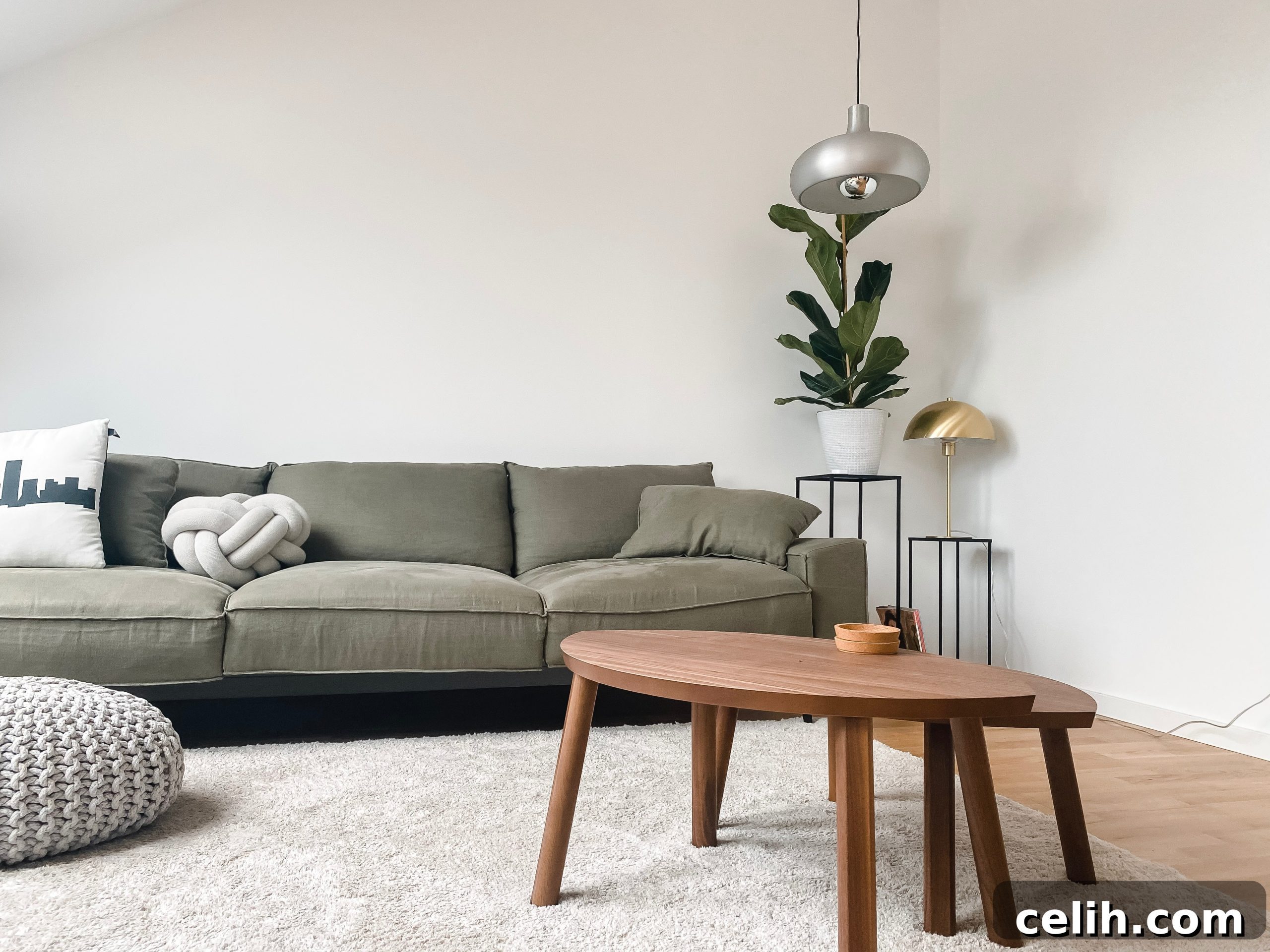
The past few years have profoundly reshaped our daily lives, transforming our homes from mere dwellings into multifaceted spaces for work, leisure, and solace. While periods of intensified home confinement, often referred to as ‘lockdowns,’ might vary in duration and severity, the underlying challenge remains consistent: maintaining mental well-being when your world shrinks to the four walls around you. It’s easy to feel the pressure mount, as the familiar comfort of home can sometimes give way to a sense of confinement. Every minor imperfection, every stray item, and the constant sameness can begin to fray nerves and dampen spirits. Yet, your home doesn’t have to be a source of stress; it can, and should, be your sanctuary. This article delves into effective strategies for transforming your living space into a haven of productivity, peace, and sanity, ensuring you navigate extended periods indoors with resilience and grace.
Cultivating a Productive Routine with Practical Home Projects
One of the most powerful antidotes to the monotony and mental drain of being homebound is the establishment of a purposeful routine. When external structures diminish, creating internal ones becomes paramount. Engaging in practical home projects offers a tangible sense of accomplishment, providing focus and a positive outlet for your energy. It’s an opportunity to channel potential frustration into constructive action, turning your attention to tasks you’ve long postponed but never had the dedicated time to address. From minor repairs to ambitious redecorating, the possibilities within your own home are vast and varied, capable of providing both distraction and deep satisfaction.
Defining Your Home Improvement Goals
Before diving in, take stock of your surroundings. Walk through each room with a critical yet imaginative eye. What bothers you? What could be improved? Create a comprehensive list of projects, categorizing them by scope, required skill level, and estimated time commitment. Perhaps it’s a leaky faucet that needs mending, a wall longing for a fresh coat of paint, or a garden bed crying out for attention. Consider tasks that don’t necessarily require expert help, making them ideal for solo completion. These could range from organizing your pantry, revamping a guest bedroom, repairing a broken fence, or even installing new shelves to maximize storage. The act of planning itself can be therapeutic, giving structure to your days and weeks. Prioritize projects that promise the most significant impact on your daily living or mental well-being, such as creating a more functional workspace or a more relaxing bedroom environment.
The Mental Boost of Accomplishment
There’s an undeniable psychological uplift that comes with completing a project, no matter how small. It’s a tangible demonstration of your agency and capability, countering feelings of helplessness that can sometimes accompany prolonged confinement. Each finished task fuels motivation for the next, building momentum and a positive cycle of productivity. Moreover, investing time and effort into your home can deepen your appreciation for your living space, transforming it from a mere structure into a reflection of your efforts and care. A refreshed living room or a newly organized closet isn’t just aesthetically pleasing; it represents progress, purpose, and a renewed sense of control over your immediate environment. This focus on “doing” rather than “waiting” can be incredibly empowering, shifting your mindset from passive endurance to active creation.
Embracing Patience and Realistic Expectations
While the allure of tackling numerous home projects is strong, it’s crucial to temper enthusiasm with a healthy dose of realism and patience. The goal is to enhance your well-being, not to inadvertently create new sources of stress. Jumping into a major renovation project that tears your house apart, only to find you lack the resources, skills, or sustained motivation to finish it, can lead to frustration and overwhelm. The last thing you need during an already challenging period is the added pressure of an unfinished, chaotic living space. Remember, home improvements should contribute to your peace of mind, not detract from it. Set achievable goals and understand that it’s perfectly acceptable to scale back your ambitions if they begin to feel burdensome rather than invigorating.
Breaking Down Large Tasks
The secret to sustained productivity lies in breaking down large, daunting projects into smaller, manageable steps. Instead of committing to “repaint the entire living room,” aim for “prepare one wall for painting this afternoon.” This approach makes tasks less intimidating and allows for consistent progress without feeling overwhelmed. Celebrate each small victory along the way – prepping a surface, sanding, or applying a first coat. This method also provides flexibility; if you’re not feeling up to a complex task, there’s always a smaller, simpler one you can tackle to maintain momentum. It’s about making steady, incremental improvements rather than striving for immediate, grand transformations, ensuring that the process remains enjoyable and rewarding rather than a source of anxiety.
Prioritizing Well-being Over Perfection
During times of heightened stress, self-compassion is vital. Recognize that your capacity for sustained physical and mental effort might fluctuate. If a project starts to feel like a chore or adds to your stress levels, it’s okay to step back, take a break, or even postpone it. Your mental and emotional health should always take precedence over achieving domestic perfection. The purpose of these activities is to provide a positive distraction and a sense of purpose, not to create additional pressure. Embrace the imperfections, learn from the process, and allow yourself the grace to work at a pace that supports your overall well-being. A home that is a bit messy but filled with contentment is far more valuable than a perfectly tidy one that leaves you exhausted and resentful.
Decluttering for Mental Clarity and Space
The impact of clutter on our mental state is often underestimated. While daily life keeps us busy enough to largely ignore the growing piles, prolonged time at home brings every stray object into sharp focus. A cluttered environment can lead to a cluttered mind, contributing to feelings of anxiety, overwhelm, and a lack of focus. It subtly drains your energy, as your brain constantly processes unnecessary visual information. Conversely, a clean and organized space can be profoundly calming and liberating, offering a sense of order and control at a time when much of the outside world feels uncertain. This period provides an unparalleled opportunity to streamline your belongings and create a more serene living environment.
Systematic Decluttering Approaches
Tackling clutter can feel monumental, but a systematic approach makes it manageable. Start small, perhaps with a single drawer, shelf, or cabinet. Employ methods like the “four-box approach” (keep, donate, trash, relocate) or the “one-in, one-out” rule to maintain order. Consider the purpose and joy each item brings to your life. If an item no longer serves a purpose or sparks joy, thank it for its service and let it go. Focus on one area at a time to avoid feeling overwhelmed, and dedicate specific blocks of time to decluttering, just as you would any other project. The process isn’t just about tidying; it’s about making conscious decisions about what you allow into your physical and mental space.
Leveraging Storage Solutions for a Harmonious Home
Once you’ve decided what to keep, the next step is to find a home for everything. Effective storage solutions are key to maintaining a clutter-free environment. For items you don’t need immediate access to but want to retain, self-storage facilities can be an excellent option, providing extra space without cluttering your home. Within your living space, explore creative storage solutions: multipurpose furniture with built-in storage, attractive baskets, wall-mounted shelves, or under-bed containers. Maximizing vertical space can also free up valuable floor area. A well-organized home not only looks better but also functions more efficiently, reducing everyday frustrations and creating a more harmonious atmosphere conducive to relaxation and productivity. Imagine the peace of mind knowing exactly where everything is, and the freedom from tripping over forgotten objects!
The Invigorating Power of Stepping Outside
Even when primarily confined to your home, making an effort to step outside, even for a short duration, can be incredibly restorative. This simple act, though seemingly cliché, offers a profound reset for both mind and body. The psychological benefits of fresh air, natural light, and a change of scenery are well-documented, helping to alleviate feelings of anxiety, improve mood, and enhance cognitive function. It’s a vital break from the familiar, allowing your brain to process new stimuli and your body to release pent-up energy, making your return home feel less like re-entering a confinement and more like returning to a comfortable retreat.
Recharging Your Mind with Nature
Engaging with the outdoors, even in a limited capacity, offers a wealth of mental health benefits. Exposure to natural light helps regulate your circadian rhythm, improving sleep patterns and overall energy levels. Physical activity, whether a brisk walk or a gentle stroll, releases endorphins, natural mood boosters that combat stress and sadness. Take a moment to consciously observe your surroundings – the rustle of leaves, the chirping of birds, the feeling of the sun or wind on your skin. This mindful connection with nature can reduce rumination and foster a sense of calm and presence. Even a few minutes spent on a balcony or in a garden can make a significant difference, offering a sense of expansiveness that contrasts with the enclosed feeling of being indoors.
The Transformative Effect of a Change of Scenery
The human brain thrives on novelty and varied experiences. When your environment becomes too consistent, it can lead to mental fatigue and a feeling of stagnation. Stepping outside, even for a walk around the block, introduces new sights, sounds, and smells, effectively resetting your perspective. This temporary departure creates a psychological distance from any accumulated stress within your home, allowing you to return with fresh eyes and a renewed appreciation for your interior space. What felt mundane before might now seem more inviting, making simple pleasures like relaxing on the sofa or watching a movie feel exciting again after the mental break provided by your outdoor excursion. It’s not just about getting away, but about the positive impact of returning.
Crafting Dedicated Zones for Enhanced Living
When your home serves multiple functions—office, gym, classroom, restaurant, and sanctuary—it’s essential to create distinct zones to prevent mental burnout and enhance focus. The absence of physical boundaries between activities can blur the lines between work and rest, making it difficult to fully disengage or concentrate. By intentionally designing specific areas for different purposes, you signal to your brain what mode to be in, fostering greater productivity during work hours and more profound relaxation during downtime. This intelligent division of space becomes crucial for maintaining balance and preventing your home from feeling like a continuous, undifferentiated demand on your attention.
Designing Your Home for Multifunctionality
Consider how each room or even a corner within a room can be optimized. For instance, designate a specific desk or table as your “work zone,” ideally away from distractions and equipped with everything you need. When work is done, physically step away from this area. Create a “relaxation nook” with comfortable seating, good lighting, and perhaps a small personal library. Transform a part of your living room into an “activity corner” for hobbies like yoga, painting, or crafting. If space is limited, be creative with temporary solutions: a dining table can become a workspace during the day and revert to its dining function in the evening. The key is establishing a mental and visual separation for different activities, helping you transition between roles and maintain a sense of structure throughout your day.
Nurturing Your Mind and Body Indoors
Beyond external adjustments to your home, fostering internal resilience through self-care and mental enrichment is paramount. Your home is not just a place for practical tasks; it’s also the ideal setting for personal growth, relaxation, and physical well-being. By intentionally incorporating activities that nourish your mind, body, and spirit into your daily routine, you can transform periods of confinement into opportunities for profound personal development and sustained inner peace. This holistic approach ensures that you emerge from challenging times not just sane, but perhaps even stronger and more self-aware.
Embracing Hobbies and Lifelong Learning
Utilize the extra time at home to explore new passions or rekindle old ones. Whether it’s learning a new language online, mastering a musical instrument, delving into complex coding projects, or experimenting with new recipes, engaging in mentally stimulating activities can provide immense satisfaction and a sense of progress. Reading, in particular, offers an unparalleled escape and an opportunity to expand your knowledge and perspective without leaving your living room. Dedicate a specific time each day to these pursuits, treating them as essential components of your routine rather than mere distractions. This investment in your intellectual and creative life can add richness and meaning to your time spent indoors.
The Power of Self-Care and Mindfulness
Prioritizing self-care is non-negotiable for mental well-being. Integrate practices like meditation, deep breathing exercises, or gentle stretching into your daily schedule. Create a spa-like experience with a relaxing bath, diffusing essential oils, or simply enjoying a quiet cup of tea. Mindfulness practices, such as paying full attention to your meals or taking conscious breaks throughout the day, can ground you in the present moment and reduce anxiety about the past or future. Establishing a consistent sleep schedule, even when your external routine is disrupted, is also crucial. Your home should facilitate these practices, offering quiet corners for reflection and comfort for rejuvenation.
Connecting with the Outside World (Virtually)
While physically confined, staying connected with friends, family, and colleagues is more important than ever. Social isolation can exacerbate feelings of loneliness and despair, making virtual connection a lifeline. Your home, therefore, needs to be a comfortable and functional hub for maintaining these vital social bonds. Technology allows us to bridge distances, transforming virtual interactions into meaningful engagements that support emotional well-being and a sense of community.
Creating a Hub for Virtual Connection
Set up a designated space in your home that is conducive to virtual communication. Ensure good lighting, a comfortable chair, and a tidy background for video calls. Schedule regular video chats, online game nights, or virtual coffee breaks with loved ones. Participate in online communities related to your hobbies or interests to foster new connections. You might even consider joining virtual classes or workshops that offer interactive elements. While these interactions can’t fully replace in-person contact, making them a regular and comfortable part of your home routine ensures you remain engaged and supported, reinforcing the idea that even when confined, you are not alone.
Navigating extended periods at home presents unique challenges, but it also offers a profound opportunity to redefine your relationship with your living space and, indeed, with yourself. By implementing practical projects, decluttering for clarity, embracing outdoor excursions, creating dedicated zones, nurturing your inner self, and maintaining virtual connections, your home can transcend its physical boundaries to become a true haven. It’s about cultivating a mindset of intention and adaptation, ensuring that even in the face of uncertainty, your well-being remains at the forefront. How will you transform your home into a sanctuary of peace and productivity, ensuring your sanity and flourishing in every moment?