
Plantation style homes evoke a sense of grandeur and timeless elegance, reminiscent of the 19th-century American South. Originally built for the prosperous owners of vast sugarcane and cotton plantations, these magnificent residences were not merely houses but statements of success and sophistication. Their architectural design beautifully integrated diverse influences, including French Colonial charm, classical Greek Revival symmetry, and Spanish design elements, creating a uniquely opulent and functional aesthetic.
More than just visual spectacles, these homes were meticulously designed to combat the intense summer heat of the Southern states, long before the advent of modern air conditioning. This practical necessity shaped many of their most iconic features, from sprawling, shaded porches and balconies that offered respite from the sun to generously proportioned windows engineered for optimal cross-ventilation. The overarching design philosophy aimed to maximize natural light and foster an airy, open atmosphere throughout, often incorporating glass panels into internal doors to enhance this luminous flow.
The Architectural Grandeur of Southern Plantation Homes
The layout and features of plantation homes were carefully orchestrated to combine impressive aesthetics with practical comfort. A hallmark of these residences was the expansive entrance hall, designed not only for the formal greeting of guests but also as a grand preamble to the home’s interior. Adjacent to this, a spacious, formal drawing-room served as the primary space for entertaining, reflecting the owners’ social standing and hospitality. The generous dimensions of these central areas were crucial, not only projecting an image of affluence but also facilitating the natural movement of hot air, a clever passive cooling strategy.
The iconic staircase, typically positioned opposite the entrance, was often a dramatic focal point – curved, sweeping, and exquisitely crafted, immediately bringing to mind classic scenes of Southern belles descending in cinematic splendor, much like Scarlett O’Hara in Gone with the Wind. These architectural choices contributed significantly to both the grandeur and the functional efficiency of these homes.
Key Architectural Features and Their Purpose:
- Grand Porches and Verandas: Often wrapping around multiple sides of the house, these covered outdoor living spaces provided shade, cooler air, and served as social gathering areas, essential for enduring the hot Southern climate. Their presence also blurred the lines between indoor and outdoor living, creating seamless transitions.
- Imposing Columns: Drawing heavily from Greek Revival architecture, majestic columns (Doric, Ionic, or Corinthian) were a common feature, adding to the symmetrical and stately appearance of the facade. They supported the expansive rooflines and contributed to the home’s impressive visual scale and sense of permanence.
- High Ceilings: Interiors boasted exceptionally high ceilings, which allowed hot air to rise, keeping the lower living areas cooler and more comfortable. This design choice also contributed to an overwhelming sense of spaciousness and light within the rooms, amplifying the feeling of luxury.
- Large Windows and French Doors: Designed to maximize natural light and facilitate cross-ventilation, these generous openings often featured transoms above and sidelights alongside, enhancing both light penetration and crucial airflow throughout the residence.
- Raised Foundations: Many plantation homes were built on raised foundations or piers, a practical measure that protected them from floods and significantly improved air circulation beneath the house, further aiding in passive cooling during sweltering months.
- Central Hallways: Acting as natural conduits for air, long central hallways often ran the entire length of the house, creating a breezeway effect that effectively drew cooler air in and expelled warmer air, maintaining a comfortable interior climate.
Incorporating Plantation Style into Modern Home Decor
If you’re captivated by the charm and elegance of this gracious, classical style, it is entirely possible to infuse elements of plantation design into your own contemporary home. The key to successfully capturing this aesthetic lies in embracing spaciousness, maximizing natural light, and selecting a refined material palette. While large windows are undoubtedly a significant advantage for achieving this look – meaning homes like period cottages might require more creative adaptation – the essence of plantation style can be translated through thoughtful design choices that prioritize classic elegance and functional beauty.
Plantation Style Shutters: A Blend of Form and Function
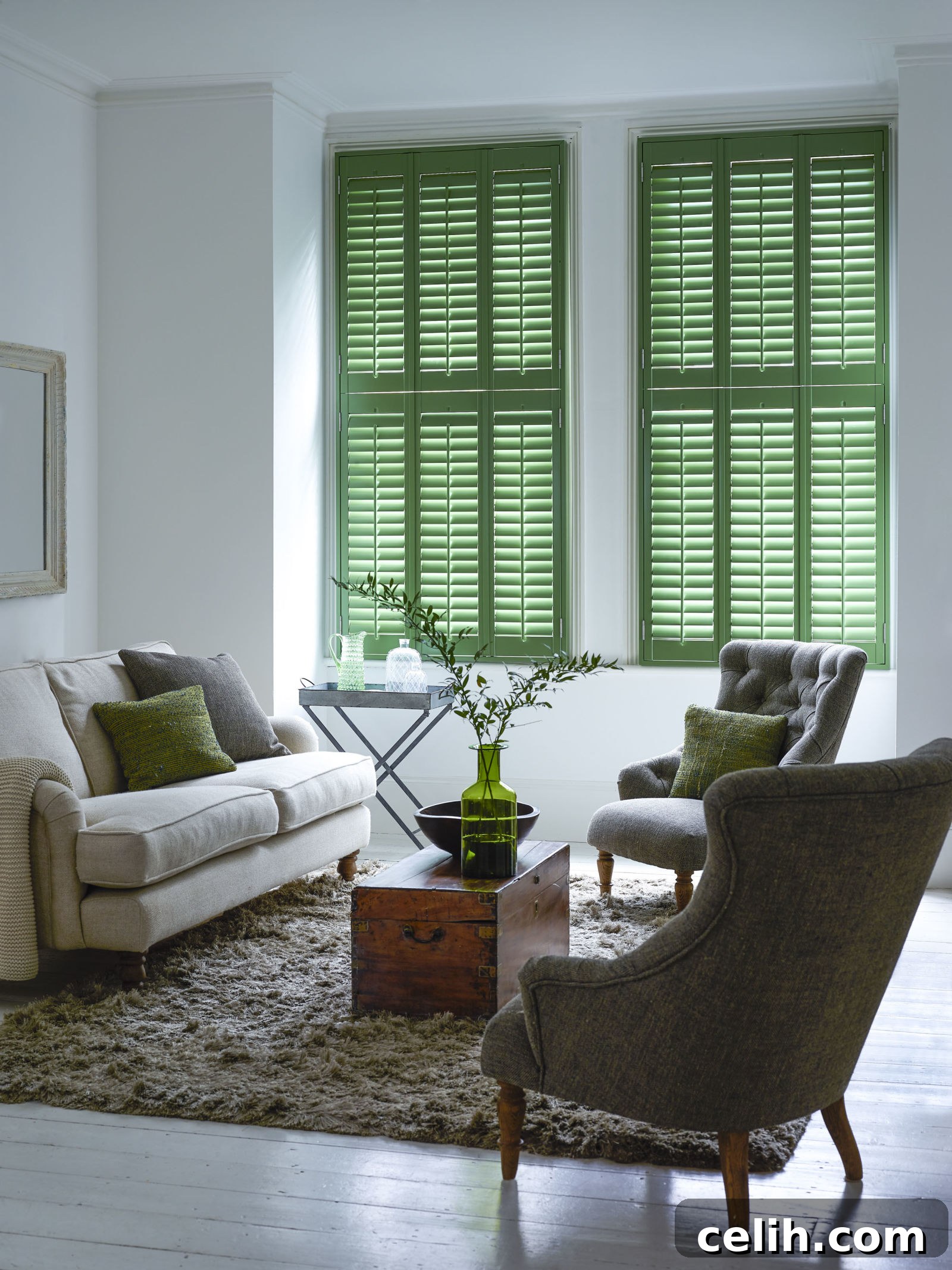
A quintessential element of plantation homes, traditional plantation shutters were historically crafted from horizontal slats of painted wood. Their primary function was not merely decorative but highly practical: to effectively block out harsh sunlight and intense heat, thereby keeping interiors cool and comfortable during the day. Beyond climate control, they also offered privacy, security, and became a defining, timeless architectural feature.
Today, this iconic window treatment remains incredibly popular, with modern interpretations available in durable materials such as advanced polymers or engineered wood, alongside classic solid wood options. These contemporary versions come in a wide array of colors and finishes, offering a practical, easy-to-maintain, and aesthetically versatile alternative to traditional designs. They continue to provide superior light control, insulation, and a distinctive visual appeal that complements various interior styles.
Consider the San Jose premium sage shutter blinds from Blinds 2 Go as an excellent example of this enduring style. These plantation style shutters are designed for self-fitting and feature 63mm slats (also known as louvers). These louvers can be easily rotated open or closed, allowing precise control over the natural light entering your room while maintaining privacy. Crafted from an advanced polymer material, they are virtually indistinguishable from beautifully painted wood yet offer enhanced durability, resisting warping, cracking, and fading, ensuring a lasting investment for your home. Prices for these elegant and practical shutters start from £85.20, offering an accessible entry point into sophisticated window dressing.
Cultivating Plantation Style Furniture: Elegance in Wood and Craftsmanship
Furniture in a plantation-style home should exude a sense of permanence, quality, and classic charm. The preference is for pieces crafted from rich, dark woods, with polished mahogany being the ideal choice. These substantial, often classically-inspired pieces contribute significantly to the opulent yet understated feel of the decor. The furniture is not merely functional but serves as decorative anchors within a room, reflecting a heritage of fine craftsmanship and enduring design that stands the test of time.
A piece like the slimline black Shelley mahogany writing desk from Alexander and Pearl perfectly embodies this aesthetic. Its dark, lustrous finish and classic lines make it a focal point that is both functional and decorative, ideal for a study or elegant living area. Regularly priced at £600, it offers exceptional value at its current sale price of £540, making timeless design more accessible.
For those seeking a more budget-conscious option without compromising on style, the Capri leather writing desk from Harley & Lola, priced at £293.99, is an excellent choice. Crafted from solid teak wood and adorned with rich brown leather and intricate stitching, it offers a sophisticated look that harks back to colonial aesthetics. Its foldable design adds significant practicality, making it ideal for smaller spaces where versatility and elegance are key.
Footstools were another characteristic furnishing, traditionally often embroidered with tapestry or needlepoint by the women of the house, adding a personal and intricate touch to the interiors. If such elaborate craftsmanship feels like a bygone era, you can still infuse a classical French or colonial note with pieces like the Les Milles footstool, priced at £199 from MY Furniture. Made from solid oak and featuring neutral upholstery, it offers both comfort and a refined aesthetic that blends seamlessly with plantation decor.
To truly complete the grand furnishing scheme, consider adding generously sized, high-backed sofas that invite luxurious lounging. These substantial pieces, often upholstered in rich, natural fabrics like linen or cotton velvet, provide both unparalleled comfort and a visual anchor in any drawing-room or parlor. And for the ultimate statement of classical elegance and sophisticated ambiance, a grand piano makes a magnificent addition, serving as both a musical instrument and a sculptural centerpiece, perfect for entertaining or quiet contemplation.
Refined Finishing Touches for Plantation Style Interiors
The final details in a plantation style home are crucial for creating an authentic and harmonious atmosphere. These elements tie the entire design together, ensuring a coherent and elegant living space that resonates with the style’s inherent grace and historical charm.
- Flooring: The Foundation of Elegance:
For flooring, the ideal choice is wide-plank hardwood, which can either be left naturally exposed to showcase its beautiful grain and inherent warmth, or painted in pale, muted colors such as soft whites, creams, or light greys. These lighter shades contribute significantly to the overall airy and cool ambiance of the home, effectively reflecting light and enhancing the sense of spaciousness. If hardwood isn’t feasible, large area rugs in natural fibers like sisal, jute, or with subtle, traditional patterns can be used to soften the floor and define zones within an open plan, while still allowing the floor’s character to show through.
- Color Palette and Soft Furnishings: Balancing Coolness and Warmth:
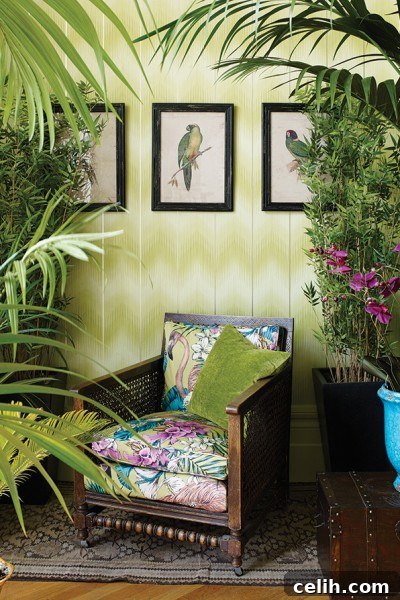
The selection of wall colors and soft furnishings plays a pivotal role in establishing the desired mood. Predominantly, shades of cool blues, calming greys, and serene greens are favored, as they evoke a sense of coolness and tranquility, echoing the desire to escape the oppressive Southern heat. These hues create a refreshing backdrop. However, to prevent the scheme from feeling too stark or cold, these cool tones should be artfully complemented with warmer highlights. Touches of blush pink, rich purple, vibrant red, or sunny yellow can be introduced strategically through accent pillows, elegant throws, or decorative objects, adding depth, personality, and a welcoming warmth to the sophisticated palette.

Matthew Williamson collaboration with Osborne and Little The exquisite colors and patterns seen in this wallpaper and fabric collaboration between Matthew Williamson and Osborne and Little perfectly exemplify how to blend these tones for a contemporary home, offering a vibrant yet refined aesthetic that aligns beautifully with the plantation style’s inherent elegance.
- Accessorizing with Purpose: Light, Nature, and Comfort:
When accessorizing your plantation style interior, focus on elements that enhance light, bring the outdoors in, and add layers of comfort and personal history. Integrate real or high-quality artificial plants – think lush ferns, tall palms, or potted orchids – to introduce a natural, verdant freshness that was so characteristic of these homes. Large mirrors, strategically placed, are essential for reflecting maximum natural light throughout the rooms, making spaces feel even larger, brighter, and more inviting. Finally, one or two carefully selected scatter rugs or oriental carpets can be used to add softness underfoot, inject subtle texture or pattern, and contribute to the overall inviting atmosphere without overwhelming the elegant wooden floors, while antique maps or classical artwork can add a touch of historical depth.
The Enduring Allure of Plantation Style
The plantation style is more than just a historical architectural movement; it’s a testament to enduring design principles that prioritize comfort, elegance, and a deep connection to the environment. By embracing its key elements – grand architecture, thoughtful climate adaptation, rich, high-quality furnishings, and a serene yet sophisticated color palette – you can transform your home into a sanctuary that echoes the timeless charm of the American South. This style offers a unique blend of formal grace and relaxed living, making it perpetually appealing.
With these elements thoughtfully integrated, your home will radiate an inviting warmth and a sophisticated charm that transcends time and trends. All that’s left is for you to sit back in your beautifully appointed space, perhaps with a cool drink in hand on a veranda, and imagine the whispers of history and grace filling the air. You might even find yourself half-expecting a dashing figure, a modern-day Rhett Butler, to come knocking at your beautifully adorned door!
Featured image credit: Shutterly Fabulous, featuring their beautiful tier-on-tier green shutters, perfectly illustrating the blend of tradition and contemporary elegance that defines the modern plantation style.