
The Profound Impact of Light: Enhancing Mood, Productivity & Well-being in Your Home
Light is far more than just a means to see; it is a fundamental force that subtly, yet profoundly, shapes our daily lives in ways we often don’t fully comprehend. From the moment we wake until we drift to sleep, the quality and type of light we encounter influence our very being. It directly impacts our cognitive functions, affecting our productivity, concentration levels, and even our ability to make sound decisions. Beyond these immediate effects, light is a critical regulator of our biological clocks, dictating our sleep-wake cycles and overall physiological rhythms. Improper exposure can lead to eye strain and, in severe cases, even permanent damage. Crucially, the ambient light in our environment holds immense power over our emotional state and general mood.
Recognizing this intricate relationship, lighting design has evolved into a sophisticated field. Experts in this area frequently consult businesses across diverse sectors – including shops, restaurants, hotels, fitness centers, museums, and theaters – guiding them on how to meticulously craft optimal atmospheres through strategic illumination. Lighting possesses the remarkable ability to transform a space, evoking anything from an exhilarating buzz to profound tranquility. It can visually expand a compact area, creating a sense of openness, or conversely, draw boundaries to foster intimacy and coziness.
If commercial establishments masterfully leverage lighting to guide our feelings – think of the soft, inviting glow of an upscale restaurant encouraging lingering, or the bright, efficient lighting in a supermarket designed for quick shopping – then why shouldn’t we apply these same principles within our own homes? Our personal living spaces are sanctuaries where we seek comfort, productivity, and relaxation. By understanding the profound effects of light, we can intentionally design our home environments to support our well-being, ensuring we are always in the optimal mood for every activity and every moment.
This comprehensive guide delves into the fascinating science behind light’s influence and provides actionable insights on how to harness its power within your home. Discover how tailored lighting choices can enhance your sleep, boost your mood, and maximize the potential of each unique space.
The Science of Light: Circadian Rhythms and Hormonal Harmony
Our biological systems are intricately tethered to the natural cycles of light and darkness that have governed life on Earth for millennia. The most significant manifestation of this connection lies in our sleep and wake cycles, which are predominantly regulated by these environmental shifts. This sophisticated internal clockwork is universally known as our circadian rhythm – a roughly 24-hour cycle that dictates various physiological processes, most notably maintaining our states of sleep and wakefulness.
At the heart of this regulation is a complex interplay between sunlight and two crucial neurochemicals: melatonin and serotonin. Melatonin, often referred to as the “sleep hormone,” is primarily responsible for inducing drowsiness and preparing the body for rest. Its production is inversely related to light exposure; as the sun sets and darkness descends, the body’s melatonin levels naturally surge, signaling it’s time to wind down. Conversely, serotonin is an essential neurotransmitter widely associated with wakefulness, elevated mood, and overall feelings of happiness and well-being. Exposure to bright, natural sunlight directly stimulates the brain to produce more serotonin, contributing to our alertness and positive disposition during the day.
Adding another layer to this intricate relationship is Vitamin D, a vital nutrient predominantly synthesized in our skin upon exposure to the sun’s ultraviolet (UV) rays. While widely recognized for its role in bone health and immune function, Vitamin D also plays a significant part in mood regulation. Research indicates that higher levels of Vitamin D are linked to increased serotonin production, further solidifying light’s physiological impact on our emotional state. This scientific foundation underscores that light is not merely a visual input; it is a powerful environmental cue that triggers a cascade of hormonal and chemical reactions, directly shaping our sleep quality, energy levels, and overall psychological health.
Beyond Biology: Light’s Psychological & Emotional Footprint
The influence of light extends far beyond mere physiological responses, deeply affecting our psychological and emotional landscapes. Abundant natural daylight, for instance, is renowned for its calming and uplifting effects. It fosters a sense of peace, clarity, and general well-being. In stark contrast, a consistent lack of adequate natural light or reliance on poor-quality artificial illumination can have profoundly detrimental consequences. It can lead to feelings of sluggishness, decreased motivation, and even precipitate more severe conditions such as Seasonal Affective Disorder (SAD), a type of depression linked to changes in seasons and reduced daylight exposure. On darker, overcast days, the plummeting levels of serotonin, directly influenced by diminished light, can noticeably impact our happiness and energy levels.
The color temperature of artificial light within our homes also plays a crucial role in regulating our internal states. Cooler, bluer spectrum lighting, mimicking the bright light of midday, tends to activate the sympathetic nervous system. This activation promotes alertness, enhances cognitive function, and helps us feel more awake and focused. Such lighting can be highly beneficial in the mornings, helping to kickstart our day and boost productivity. Conversely, warmer, more amber-toned light, reminiscent of a sunset glow, has a greater impact on the parasympathetic nervous system. This system is responsible for rest and digestion, and warm light encourages relaxation, unwinding, and preparing the body for sleep. Therefore, strategic use of warmer lighting in the evenings can significantly aid in transitioning from a busy day to a peaceful night, fostering a calm and serene atmosphere throughout your home.
Mastering Your Environment: The Art of Strategic Home Lighting
Harnessing the power of light in your home is a true art form, capable of transforming not just the aesthetics of a space but also the emotional tenor and functionality of your daily living. Intentional lighting design can significantly boost your mood, increase confidence, and create an overarching sense of harmony. To achieve this, it’s essential to understand the different types of home lighting and how they can be strategically employed to serve distinct purposes.
Task Lighting: Precision & Focus
Task lighting is specifically designed to illuminate a particular area where a focused activity takes place, ensuring optimal visibility and reducing eye strain. This type of lighting is characterized by its brightness and directness, making it indispensable for activities requiring concentration. You commonly encounter such bright, functional lighting in office buildings and schools, environments where peak mental stimulation is crucial. Fluorescent lighting has historically been a popular choice for these settings due to its high brightness, energy efficiency, and relatively low cost.
Within the home, task lighting finds its place in various crucial areas. In the kitchen, under-cabinet lighting or focused spotlights over countertops are essential for safe and efficient meal preparation. For a home office or study nook, a well-placed desk lamp provides the direct illumination needed for reading, writing, or working on a computer. Garages and workshops often benefit from bright fluorescent strip lighting, ensuring clarity when working on projects or tinkering with car parts. Essentially, task lights empower us to see better and concentrate more effectively, whether we’re cooking, studying, handling paperwork, or engaging in hobbies that demand visual precision. However, it’s vital to use task lighting judiciously; excessive, unshaded bright lights, especially when overused in non-task areas, can create a sense of nervousness, visual discomfort, and an overall feeling of disharmony.
Ambient Lighting: The Foundation of Comfort
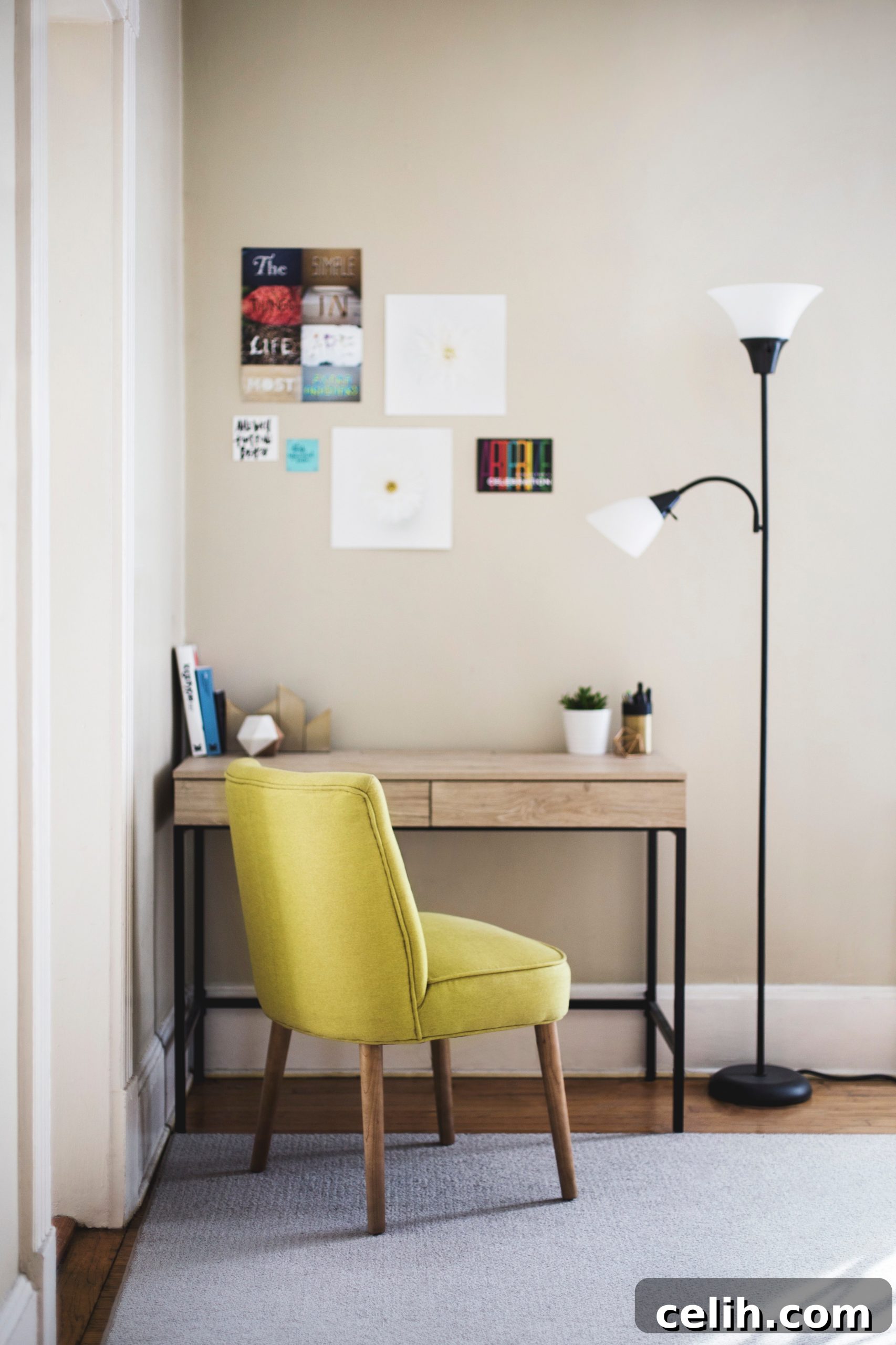
Ambient lighting serves as the primary source of illumination in a room, providing a comfortable and uniform level of brightness that allows for general movement and activity. It’s the foundational layer of any lighting design, creating the overall mood and setting the tone for the space. Common forms of ambient lighting include overhead fixtures like recessed lighting, ceiling-mounted lights, chandeliers, or even track lighting that washes a wall. Floor lamps and table lamps, particularly those with diffusers, can also contribute significantly to ambient light, softening harsh shadows and distributing light more evenly.
The quality of ambient light profoundly affects how a room “feels.” A well-designed ambient lighting scheme prevents dark corners and ensures a comfortable level of visibility without being overly bright or creating glare. It should make a room feel welcoming and proportionate. By strategically placing ambient fixtures and utilizing dimmer switches, you can easily adjust the intensity of the light to suit different times of day or activities, transitioning a room from bright and energetic during the day to soft and inviting in the evening. This flexibility is key to creating versatile and comfortable living spaces.
Accent Lighting: Highlighting Beauty & Adding Drama
Accent lighting is the artistic element in your lighting design, specifically intended to draw attention to focal points within a room. Its primary purpose is to highlight architectural features, artwork, plants, or cherished decorative objects, adding depth, dimension, and a touch of drama to your interior. Unlike ambient or task lighting, accent lighting is often more directional and of higher intensity relative to the surrounding illumination, creating a striking contrast.
Examples of accent lighting fixtures include wall washers that gently illuminate an entire wall, spotlights positioned to highlight a painting, picture lights mounted directly over artwork, or recessed spotlights in the ceiling aimed at a specific feature. Strip lighting, often hidden in coves or under shelves, can also create a beautiful glow that emphasizes texture or form. By strategically employing accent lighting, you can guide the eye, create visual interest, and add personality to your home. It’s a powerful tool for enhancing the aesthetic appeal of a room and making it feel more refined and thoughtfully designed.
Creating Serenity: The Power of Soft & Warm Lighting
While bright, cool lights are stimulating, they can also cast sharp shadows and, if not properly diffused, contribute to a sense of anxiety. In contrast, soft, warm lighting excels at creating an intimate, comforting, and profoundly relaxing atmosphere. For the spaces in your home dedicated to unwinding and rest, such as the living room, lounge, and especially bedrooms, soft lighting choices are paramount. They help foster a peaceful ambiance, encouraging relaxation and mental tranquility.
Achieving this serene effect often involves using multiple light sources at varying heights rather than a single overhead fixture. Think of table lamps with fabric shades, floor lamps that cast indirect light upwards, or wall sconces that diffuse light softly across a surface. The key is to select bulbs with a warm color temperature, typically in the range of 2700K to 3000K, which emit a soft, yellowish-white glow similar to traditional incandescent bulbs or candlelight. This warmth promotes a sense of coziness and helps the body transition into a relaxed state. Installing dimmer switches on these lights is also highly recommended, allowing you to fine-tune the intensity to perfectly match your desired mood. It’s important to remember, however, that dim lighting is not suitable for task-rich areas, as it can cause eye strain. Ensure those areas are adequately lit with appropriate task lighting.
Harnessing Natural Light: Optimizing Daylight Indoors
The profound benefits of natural daylight cannot be overstated. Beyond its mood-boosting properties, ample exposure to natural light supports a healthy immune system and improves overall cognitive function. Conversely, chronically poor natural lighting can indeed trigger symptoms of depression and negatively impact physical health. The efficacy of light therapy in treating certain types of depression further underscores the vital role of natural illumination in our well-being.
Maximizing natural light during daylight hours should be a priority in any home. Begin by assessing your windows and skylights; ensure they are clean and unobstructed. Consider your window treatments: while blackout blinds are an excellent solution for children’s rooms or shift workers to ensure quality sleep, it’s crucial to open them fully during the day to flood the space with natural light. Opt for sheer curtains or blinds in other areas that allow light to filter through while maintaining privacy. Strategic furniture placement can also make a difference; avoid blocking windows with large pieces. Incorporate mirrors opposite windows to reflect and amplify incoming light, effectively doubling its presence. Light-colored walls and ceilings will also help bounce light around the room, making it feel brighter and more expansive. Embracing natural light not only enhances your mood and health but can also reduce your reliance on artificial lighting, leading to energy savings.
Practical Tips for a Harmonious Home Lighting Scheme
Creating an effective and mood-enhancing lighting scheme in your home involves a thoughtful approach. Here are some practical tips to help you design spaces that look great and feel even better:
- Layer Your Lighting: The most effective lighting designs utilize a combination of the three main types: ambient, task, and accent. Ambient light provides general illumination, task lighting focuses on specific activities, and accent lighting highlights features. By layering these, you create depth, visual interest, and functionality that a single light source cannot achieve.
- Embrace Dimmers: Dimmers are perhaps the most versatile tool in your lighting arsenal. Install them on as many light fixtures as possible, especially in living rooms, dining rooms, and bedrooms. Dimmers allow you to adjust the intensity of light to suit any mood, time of day, or activity, from bright and energetic to soft and intimate.
- Consider Color Temperature: Pay attention to the Kelvin (K) rating of your light bulbs. Warmer temperatures (2700K-3000K) create a cozy, relaxing atmosphere, ideal for bedrooms and living areas. Cooler temperatures (3500K-5000K) promote alertness and concentration, making them suitable for kitchens, home offices, and bathrooms.
- Mind Your Shadows and Glare: While shadows can add drama (with accent lighting), harsh, unintended shadows can make a room feel unwelcoming. Similarly, direct glare from exposed bulbs can cause discomfort and eye strain. Use shades, diffusers, and indirect lighting techniques to soften light and minimize glare.
- Leverage Smart Lighting Solutions: Modern smart lighting systems offer unparalleled control and customization. You can change color temperatures, adjust brightness, set schedules, and even create dynamic scenes with a tap on your phone or a voice command. This technology makes it easier than ever to tailor your home’s lighting to your exact needs and mood throughout the day.
- Think About Direction: Where the light comes from matters. Up-lighting can make a room feel taller and more open, while down-lighting is great for tasks. Wall washing creates an even, soft glow, perfect for highlighting texture or artwork.
Conclusion
The influence of light on our overall well-being is undeniable and far-reaching. It’s a silent architect of our mood, a crucial regulator of our sleep, and a significant factor in our daily productivity and cognitive function. By taking a mindful and strategic approach to the lighting in your home, you gain the power to profoundly enhance your quality of life. From harnessing the natural energy of daylight to employing the right balance of task, ambient, and accent lighting with appropriate color temperatures, every lighting choice contributes to the atmosphere and functionality of your living spaces.
Embrace the art and science of illumination. By paying careful attention to how you light each room, you can create environments that not only look beautiful but also actively support your health, happiness, and vitality. Transform your home into a sanctuary perfectly tuned to your needs, one thoughtful light at a time.
Image credits:
Kari Shea
(Guest post)