
Owning a home is a significant milestone, a testament to hard work and dreams realized. It offers unparalleled comfort, a sanctuary for family, and a space for personal expression. However, this rewarding experience comes with a vital responsibility: diligent home maintenance. Far from being a chore, maintaining your property is an investment in its longevity, value, and your overall well-being. A well-cared-for home isn’t just about aesthetics; it’s about structural integrity, safety, and creating an environment where memories thrive. For new homeowners navigating the complexities of property upkeep, or seasoned residents seeking fresh inspiration, this comprehensive guide offers practical strategies to keep your home in prime condition, ensuring it remains a source of pride and comfort for years to come.
From the foundational elements of cleanliness and organization to the critical eye required for damage assessment, and the foresight needed for seasonal preparations and financial planning, we’ll explore actionable steps to transform your house into a truly well-loved home. By adopting these practices, you won’t just be maintaining a structure; you’ll be cultivating a vibrant living space that enhances your quality of life and stands the test of time.
The Foundation of a Pristine Home: Cleanliness and Decluttering
Maintaining a clean and organized home is perhaps the most fundamental aspect of property upkeep. It not only enhances the aesthetic appeal but also contributes significantly to a healthier living environment and prolongs the lifespan of your fixtures and finishes. Instead of letting clutter accumulate and dirt settle, embrace a proactive approach by integrating regular cleaning and decluttering into your routine.
Developing an Effective Cleaning Routine
A consistent cleaning schedule is key to preventing overwhelming messes. Consider dividing tasks into daily, weekly, and monthly categories. Daily tasks might include wiping down kitchen counters, tidying up living spaces, and making beds. Weekly chores can involve vacuuming, mopping floors, cleaning bathrooms, and dusting surfaces. Monthly or bi-monthly tasks could focus on more intensive cleaning, such as deep-cleaning the kitchen, washing bedding, or cleaning windows. Keeping cleaning supplies readily accessible in each room encourages quick wipe-downs and immediate spill management, preventing stains and grime from setting in.
The Power of Decluttering
Decluttering goes hand-in-hand with cleaning. Over time, homes tend to accumulate items we no longer use, need, or love. These items take up valuable space, make cleaning more difficult, and can contribute to a feeling of stress and disorder. Regularly review your possessions and apply the “use it, love it, or lose it” rule. Donate, sell, or discard items that are merely taking up space. This process not only frees up physical space but also creates mental clarity, allowing you to appreciate the items you truly value. A decluttered home is easier to clean, more enjoyable to live in, and can even increase your home’s perceived value.
Beyond the Interior: Exterior Cleaning
While interior cleanliness is often prioritized, the exterior of your home demands equal attention. Neglecting outdoor areas can lead to significant problems and diminish curb appeal. Regularly clean gutters to prevent water damage to your roof and foundation. Power wash siding, pathways, and decks to remove dirt, mold, and mildew. Keep your landscaping tidy by mowing the lawn, trimming bushes, and weeding gardens. These exterior tasks not only make your home look more inviting but also prevent issues that could lead to costly repairs down the line. Remember, a clean exterior is the first impression your home makes.
Proactive Protection: Inspecting for Damage
The saying “a stitch in time saves nine” couldn’t be more apt for home maintenance. Many significant and costly repairs stem from minor issues that were overlooked or ignored. Regular inspections are crucial for identifying potential problems early, allowing you to address them before they escalate into major emergencies. Being attentive to the subtle signs of wear and tear can save you significant time, money, and stress.
Key Areas to Inspect Regularly
Your home has several critical systems and structural components that warrant routine inspection. The roof, for instance, is your first line of defense against the elements. Look for missing or damaged shingles, signs of sagging, or debris accumulation. The foundation should be checked for cracks, especially after major weather events. Inside, pay attention to plumbing for leaks under sinks or around toilets, and inspect electrical outlets and wiring for any signs of scorching or flickering lights. Your HVAC system needs periodic filter changes and professional checks to ensure efficient operation and good air quality. Even small things like door and window seals can impact energy efficiency and prevent moisture intrusion.
Recognizing Signs of Common Issues
Become familiar with the tell-tale signs of common home issues. Water stains on ceilings or walls often indicate a leak above. Musty odors can point to hidden mold or moisture problems. Squeaky floors, doors that stick, or cracks in drywall might suggest structural shifts. Unusual noises from appliances or heating/cooling systems should also be investigated promptly. For critical areas like roof repairs or resolving water intrusion, seeking professional help is paramount. Delaying these types of issues can lead to extensive and costly damage, jeopardizing the structural integrity of your home and the safety of its inhabitants. Skilled professionals possess the expertise and equipment to diagnose and fix problems correctly, ensuring your property remains sound and secure.
When to DIY vs. Call a Professional
Understanding your limits is vital. While many small maintenance tasks can be handled by a savvy homeowner, certain jobs require specialized knowledge, tools, and safety precautions. Electrical work, major plumbing repairs, significant structural fixes, or complex HVAC system issues are best left to licensed professionals. Attempting these yourself without proper training can be dangerous and may lead to more severe problems or void insurance policies. Always prioritize safety and quality when deciding whether to tackle a project yourself or hire a qualified contractor.
Seasonal Stewardship: Mastering Maintenance Checklists
Effective home maintenance isn’t a random assortment of tasks; it’s a strategic, year-round effort. By organizing your maintenance tasks into seasonal checklists, you can ensure that your home is always prepared for the changing weather and that essential upkeep is never overlooked. This systematic approach fosters a healthier and happier living environment, offering peace of mind that potential problems are being addressed proactively.
The Importance of Seasonal Checklists
Each season brings unique challenges and requirements for your home. Winter demands preparation for cold and potential snow, while summer requires attention to cooling systems and outdoor spaces. A seasonal checklist ensures that preventative measures are taken at the right time, minimizing the risk of costly repairs and maximizing your home’s efficiency. It helps you stay organized, prioritize tasks, and delegate when necessary, preventing the overwhelming feeling of a growing to-do list.
Crafting Your Annual Maintenance Plan
Start by breaking down your year into quarters or seasons. For each period, list specific tasks relevant to that time of year. For example:
- Spring: Focus on exterior recovery and system checks. Clean gutters and downspouts, inspect the roof for winter damage, test smoke and carbon monoxide detectors, service your AC unit, clean windows, and prepare your garden.
- Summer: Concentrate on outdoor living and preventing heat-related issues. Inspect decks and patios, check for pest infestations, clean dryer vents, trim trees and shrubs away from the house, and ensure proper irrigation.
- Fall: Prepare your home for the colder months. Rake leaves, clean out gutters one last time, seal drafts around windows and doors, inspect and clean your furnace, test sump pumps, and drain outdoor faucets.
- Winter: Focus on interior comfort and preventing cold-weather damage. Check insulation, inspect the fireplace and chimney, protect outdoor pipes from freezing, and ensure walkways are clear of ice and snow.
As you work through your lists, determine which tasks you can comfortably handle yourself and for which ones you might need to hire professional help. This planning allows you to budget time and money accordingly, ensuring that every aspect of your home receives the attention it needs without last-minute scrambling.
Smart Investment: Financial Planning for Home Care
A home is arguably the largest financial investment most people will make. Protecting this asset requires not just physical effort but also astute financial planning. Regular maintenance, unexpected repairs, and future renovations all come with a price tag. Being financially prepared for these costs is just as important as knowing what tasks need to be done.
Budgeting for Routine Maintenance and Minor Repairs
Integrate home maintenance costs into your regular budget. A common rule of thumb is to set aside 1% to 4% of your home’s value annually for maintenance, though this can vary based on the age and condition of your property. This fund can cover routine tasks like professional gutter cleaning, HVAC servicing, landscaping upkeep, or small material purchases for minor DIY repairs. By consistently allocating funds, you avoid the stress of finding money when a small issue arises.
Establishing an Emergency Fund for Unexpected Issues
Beyond routine maintenance, homeowners inevitably encounter unexpected problems: a burst pipe, a malfunctioning water heater, or sudden roof damage from a storm. An emergency fund specifically for household costs is indispensable. Aim to have at least three to six months’ worth of essential living expenses, including a significant portion earmarked for unexpected home repairs. This financial buffer ensures that you can address critical issues promptly without incurring high-interest debt or deferring necessary repairs that could worsen over time. Neglecting timely repairs due to lack of funds often leads to more extensive and expensive problems down the road.
Planning for Major Renovations and Upgrades
Many homeowners dream of renovations or significant upgrades that enhance comfort, functionality, or property value. Whether it’s a kitchen remodel, a bathroom renovation, or adding an extension, these projects require substantial financial commitment. Create a long-term home and renovation budget, breaking down costs, setting savings goals, and exploring financing options if needed. Prioritize projects based on their impact on your daily life, the home’s structural integrity, and potential return on investment (ROI). Knowing what projects you want to tackle now and in the future allows you to save strategically and execute your plans fully and efficiently.
The Aesthetic Aspect: Enhancing Curb Appeal and Interior Comfort
Beyond structural integrity and functionality, a truly well-maintained home also radiates beauty and comfort. The visual appeal of your property, both inside and out, significantly impacts your enjoyment of the space and its market value. Enhancing aesthetics goes beyond mere repairs; it’s about creating an inviting and inspiring environment.
Boosting Curb Appeal
Curb appeal is the first impression your home makes, influencing not only potential buyers but also your daily mood. Simple landscaping updates can make a dramatic difference: fresh mulch, vibrant flowers, neatly trimmed hedges, and a well-kept lawn. Consider painting your front door a welcoming color, updating exterior lighting, or adding decorative planters. Even ensuring your mailbox and house numbers are clean and visible contributes to an overall polished look. These relatively small investments can yield significant returns in terms of property value and personal satisfaction.
Creating Interior Comfort and Style
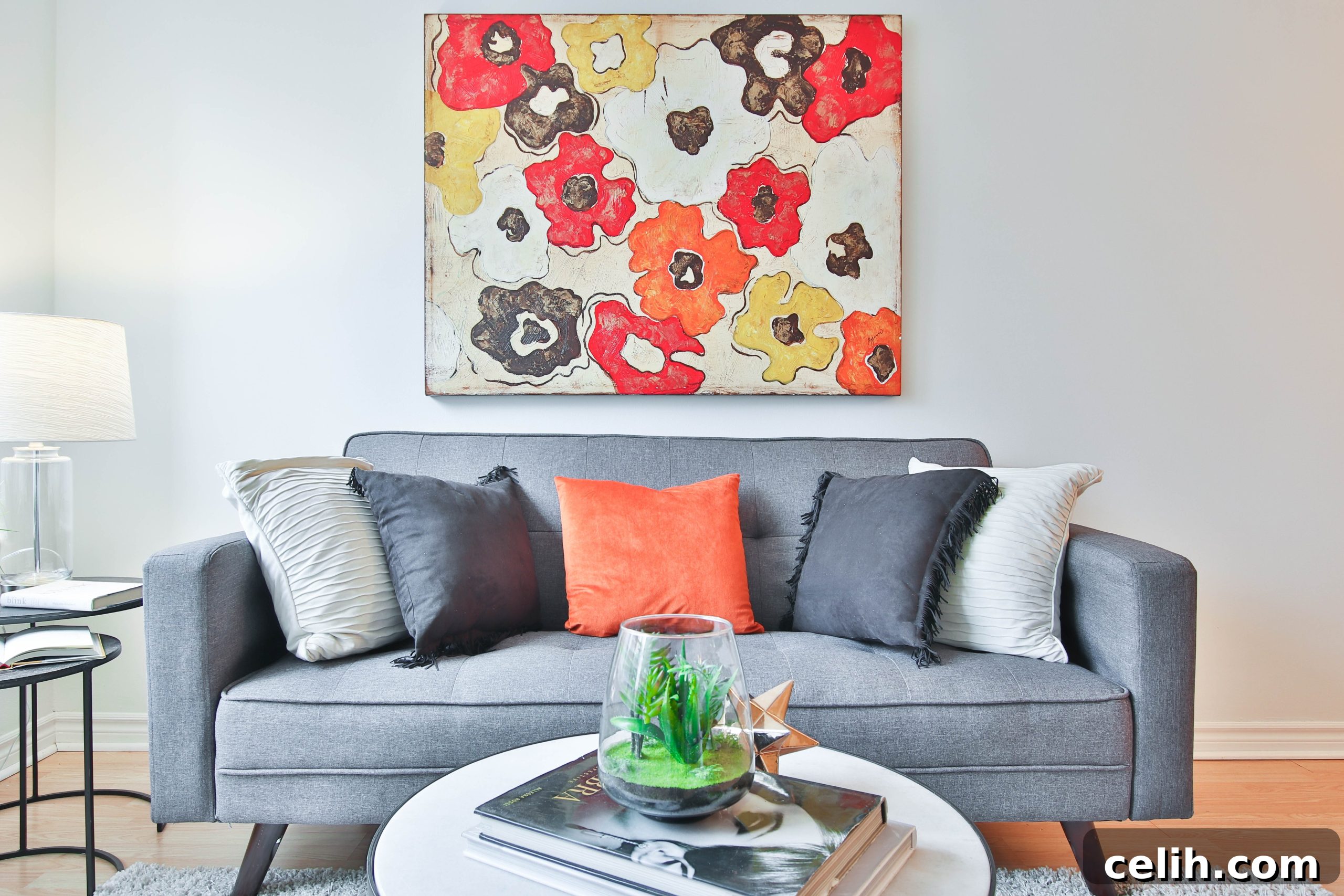
Inside, maintaining an appealing aesthetic means more than just cleanliness; it involves thoughtful design choices that reflect your personal style and enhance comfort. A fresh coat of paint can revitalize any room, making it feel brighter and more modern. Smart lighting can transform ambiance, while organized storage solutions contribute to a clutter-free, serene atmosphere. Regularly evaluate your furniture and decor, ensuring pieces are in good condition and still serve their purpose. Personalizing your space with art, plants, and cherished items makes a house feel like a home, encouraging relaxation and enjoyment. Small updates, like new throw pillows or updated curtains, can refresh a room without the need for a major overhaul.
By consciously focusing on both the structural and aesthetic aspects of your home, you ensure it remains not just a functional dwelling but a beautiful, comfortable, and welcoming haven that truly enriches your life.
Embracing homeownership means committing to its care. By consistently applying these comprehensive maintenance strategies—from regular cleaning and proactive inspections to seasonal preparations and sound financial planning—you are not merely preserving a structure; you are safeguarding your investment, enhancing your quality of life, and building a legacy. A well-maintained home is a testament to mindful living, offering a foundation of stability and beauty that truly stands the test of time. Take pride in your property, invest in its upkeep, and enjoy the countless rewards that come from living in a truly cherished home.
Featured image credit: Photo by Sidekix Media on Unsplash